Costa Rica's Seven Provinces: A Complete Travel Guide
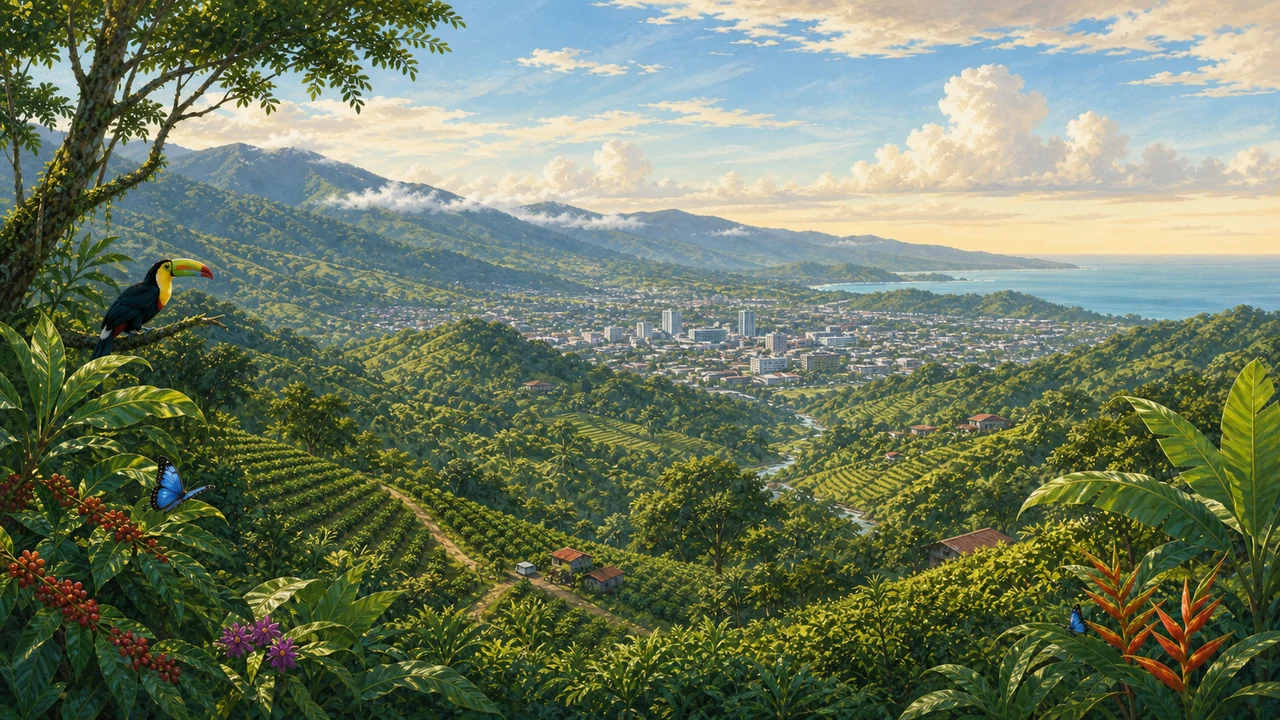 Costa Rica packs extraordinary geographic and cultural variety into an area smaller than many U.S. states, and nowhere is that clearer than when you travel its seven provinces. From the cloud-forest valleys of the Central Highlands to the sun-baked savannahs of the northwest and the steaming rainforests of the Caribbean coast, each province rewards visitors with a distinct landscape, character, and set of experiences. Understanding the provinces before you plan your trip is one of the best ways to match your itinerary to what you actually want to see and do.
Whether you are drawn to Costa Rica’s world-class national parks and protected areas, its world-famous surf breaks, its colonial churches, or its thriving wellness and medical tourism scene, you will find that the country’s regional diversity is one of its greatest strengths. Traveling to Costa Rica is easier than most visitors expect — two international airports, reliable shuttle networks, and smooth roads to the main tourist corridors make moving between provinces straightforward.
San José — Capital, Culture, and Gateway
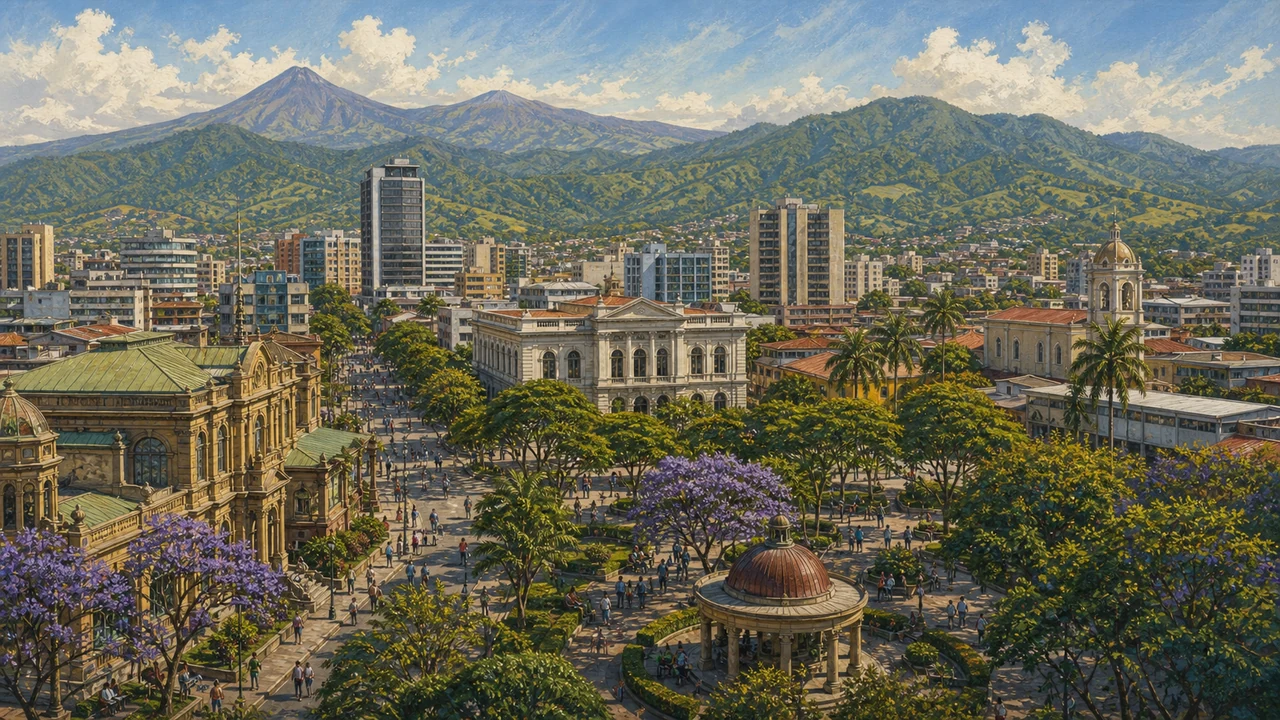 San José is the political, economic, and cultural heart of Costa Rica. The province sits in the Central Valley at roughly 1,100 metres above sea level, giving the capital a famously mild, spring-like climate year-round — a welcome contrast to the heat of the coasts.
The capital city itself is a lively mix of colonial plazas, world-class museums, and a buzzing culinary scene that has grown significantly in recent years. The National Theatre, the Pre-Columbian Gold Museum, the Jade Museum, and the National Museum are all within walking distance of each other in the city centre. Barrio Escalante has emerged as one of Central America’s most creative dining and café neighbourhoods.
Beyond the city, the province spreads into coffee-growing valleys, indigenous communities, and the rugged Chirripó National Park in the south — Costa Rica’s highest point. San José is also the primary hub for Costa Rica’s thriving medical and dental tourism industry, with several internationally accredited private hospitals clustered near the capital. The Tobías Bolaños domestic airport at Pavas handles domestic flights to beach destinations and remote areas.
Explore San José real estate if you are considering a longer stay or investment in the Central Valley.
Alajuela — Coffee, Volcanoes, and the Main Airport
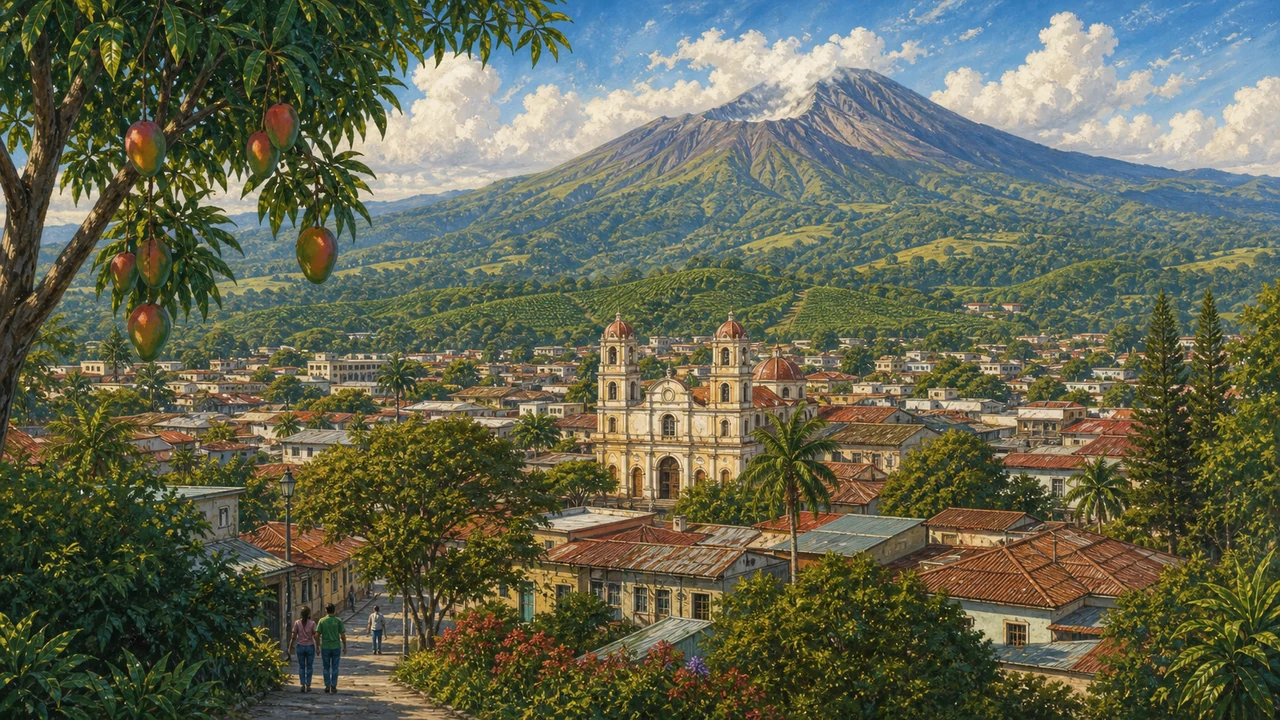 Alajuela is the province that most visitors technically enter first: Juan Santamaría International Airport (SJO) sits on the border between San José and Alajuela, just 20 minutes northwest of the capital. The province is named for the hero of the 1856 Battle of Rivas, Juan Santamaría, whose statue dominates the central park.
The interior of Alajuela climbs into spectacular volcanic terrain. Poás Volcano, with its acid-lake crater and cloud-forest surroundings, is one of the most accessible volcanoes in the country. The Arenal area — straddling the border with Guanacaste — is ground zero for adventure activities in the Arenal region, from zip-lining and white-water rafting to hot springs fed by geothermal heat. La Fortuna town is the main base for the Arenal corridor and one of Costa Rica’s most popular inland destinations.
Alajuela also encompasses a large slice of Costa Rica’s legendary coffee-growing highlands, with the slopes of the Central Volcanic Range producing some of the country’s finest single-origin beans. Learn more about the country’s coffee heritage at Costa Rica coffee.
Alajuela’s real estate market attracts a large expat community drawn by proximity to the airport and the Central Valley’s convenient amenities — see Alajuela real estate for current offerings.
Cartago — Colonial Heritage and High-Altitude Drama
Cartago was Costa Rica’s colonial capital until 1823, and its history runs deeper than any other province. The striking ruins of the Santiago Apóstol Parish — destroyed by eruptions and earthquakes and never rebuilt — stand in the heart of the city as a reminder of the volcanic forces that have shaped the region. The Basílica de Nuestra Señora de Los Ángeles, home to the revered La Negrita, is the country’s most important Catholic pilgrimage site.
The province is dominated by the Central Volcanic Range: Irazú Volcano rises to over 3,400 metres, making it one of the highest active volcanoes in Central America, while Turrialba Volcano sits to the east, periodically active. At the southern end of Cartago, the terrain merges into the Talamanca Range, where Chirripó National Park contains Cerro Chirripó — at roughly 3,821 metres, the highest peak in Costa Rica and all of Central America.
The CATIE botanical gardens and the Lankester Orchid Garden are both located in Cartago, making the province a draw for botanists and horticulture enthusiasts. Cool highland towns like Orosi Valley offer scenic drives through rivers, hot springs, and coffee farms. See Cartago real estate for property options in this elevated, historically rich province.
Heredia — The City of Flowers
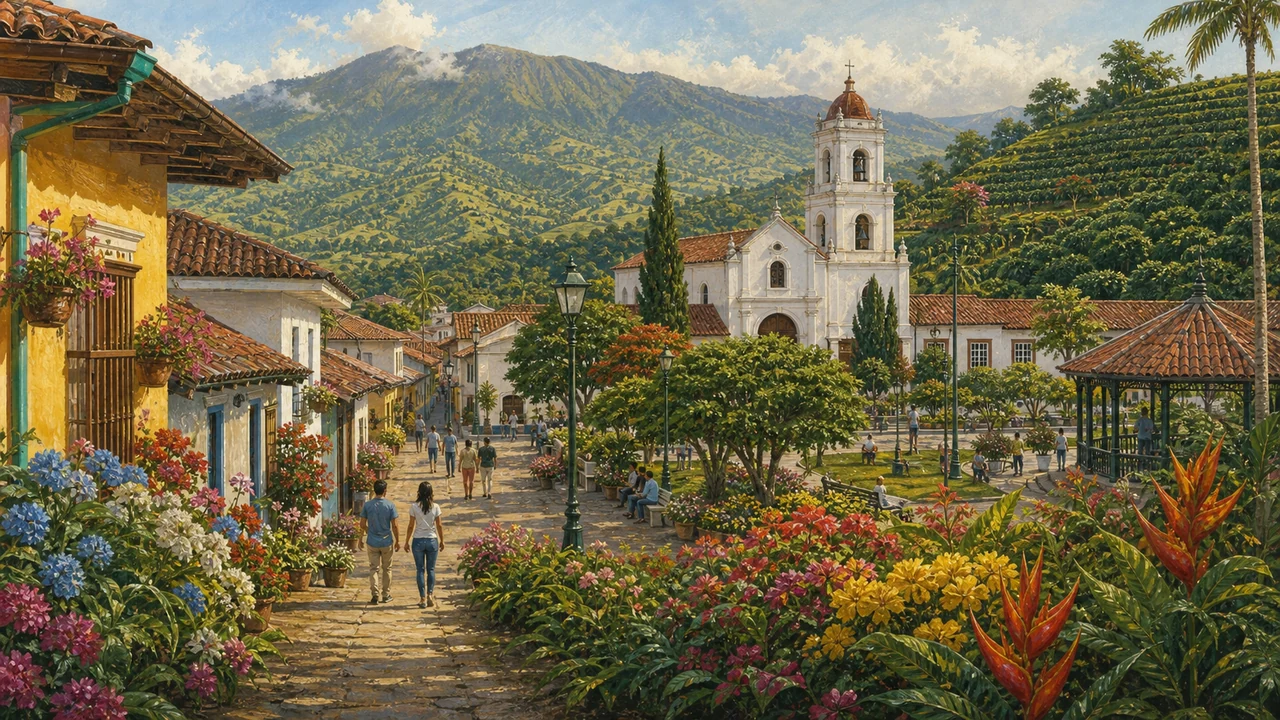 Heredia earned its nickname — the City of Flowers — from its colonial heritage and the ornate blooms that once filled its gardens. Located just north of San José in the Central Valley, Heredia is one of the most pleasant urban centres in Costa Rica: quieter than the capital, with a well-preserved central square anchored by an unusual fortress-style church tower.
The province climbs quickly into the dense greenery of Braulio Carrillo National Park, a vast protected area straddling the watershed between the Central Valley and the Caribbean lowlands. The Aerial Tram — a gondola ride through the park’s rainforest canopy — is one of the best introductions to Costa Rica’s world-famous tropical biodiversity. The park also serves as a wildlife corridor critical to the survival of jaguars, tapirs, and hundreds of bird species.
Heredia’s cantons host a number of premium coffee estates and cooperative processing plants; the area around Barva and Santo Domingo is among the best for guided coffee farm tours. The province also has a growing expat community and excellent access to university campuses and international schools. Heredia real estate tends to be competitively priced relative to San José while offering a quieter lifestyle.
Guanacaste — Dry Season Paradise and Pacific Beaches
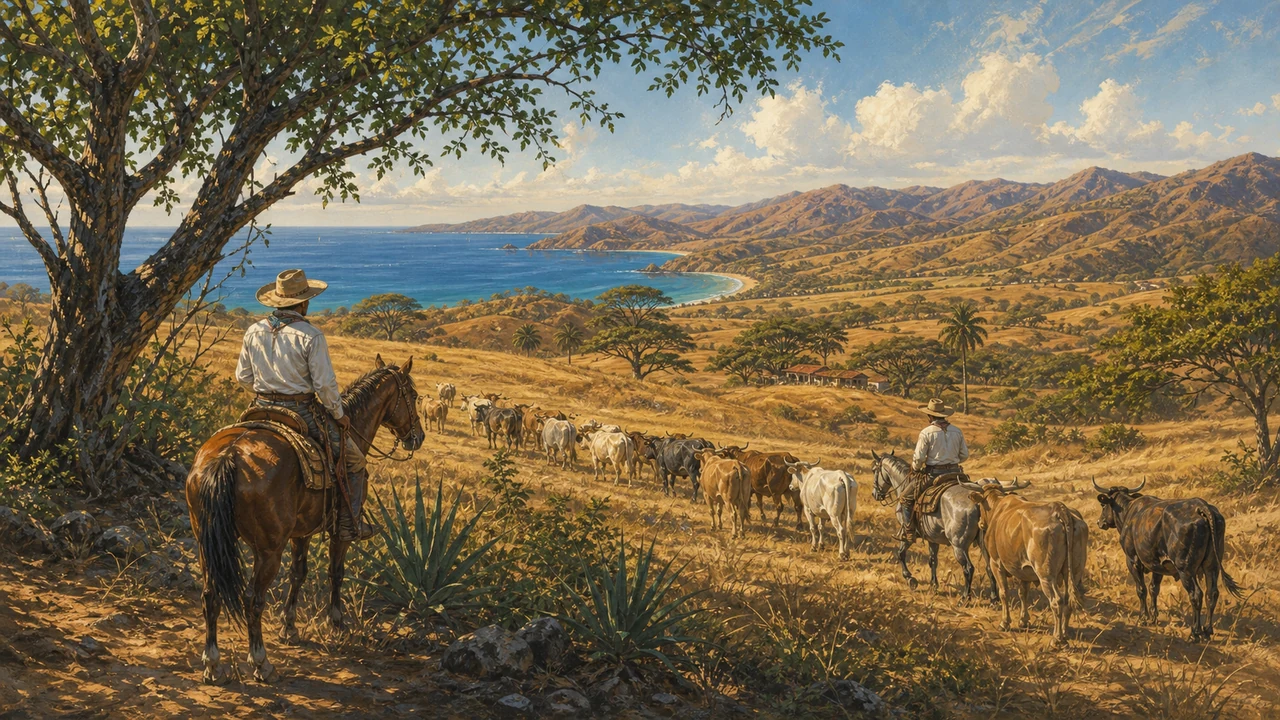 Guanacaste is Costa Rica’s sun-drenched northwest province and the go-to destination for beach vacations on the North Pacific coast. Its dry season (roughly December through April) delivers reliably sunny skies and warm ocean temperatures along a coastline packed with world-class beaches — Tamarindo, Conchal, Flamingo, Nosara, Sámara, and the Papagayo Peninsula among them.
Daniel Oduber International Airport (LIR) in Liberia serves Guanacaste directly with international flights, making it the most convenient province to reach for visitors focused on sun and surf. The Guanacaste Volcanic Range lines the eastern edge of the province: Rincón de la Vieja, Santa Rosa, and Guanacaste National Park contain a remarkable variety of ecosystems — from dry tropical forest to volcanic thermal areas with mud pools and hot springs.
Guanacaste is also a stronghold of traditional Tico cowboy (sabanero) culture and the home of Costa Rica’s only UNESCO-listed province-level cultural heritage element: Guanacaste music and dance. The Nicoya Peninsula, technically shared between Guanacaste and Puntarenas, is designated a Blue Zone — one of the world’s longevity hotspots. The province’s appeal as a resort and residential destination has made Guanacaste real estate one of the most dynamic property markets in the country.
Puntarenas — Two Coasts, One Province
Puntarenas is Costa Rica’s largest province and geographically one of its most diverse: it stretches from the Nicoya Peninsula in the northwest all the way down the Pacific coast to the border with Panama, and it also includes remote offshore territories such as Cocos Island — the UNESCO-listed marine park considered one of the finest shark-diving destinations on the planet.
The Central Pacific portion of the province, centred on Jacó and Quepos, is one of Costa Rica’s busiest tourism corridors. Manuel Antonio National Park — famous for its combination of white-sand beaches and abundant wildlife viewable at close range — sits here, making it one of the most visited parks in the country. The Carara National Park near Jacó is famed for its scarlet macaw population. South of Quepos, the Osa Peninsula juts into the Pacific at the heart of one of the most biologically intense regions on Earth, anchored by the remote and pristine Corcovado National Park.
Puntarenas offers everything from family-friendly beach towns to serious surf breaks to world-class sportfishing and whale-watching. Marino Ballena National Park protects a distinctive whale-tail-shaped sand bar and a critical humpback whale nursery. Explore Puntarenas real estate for beach and jungle property options.
Limón — The Caribbean Coast
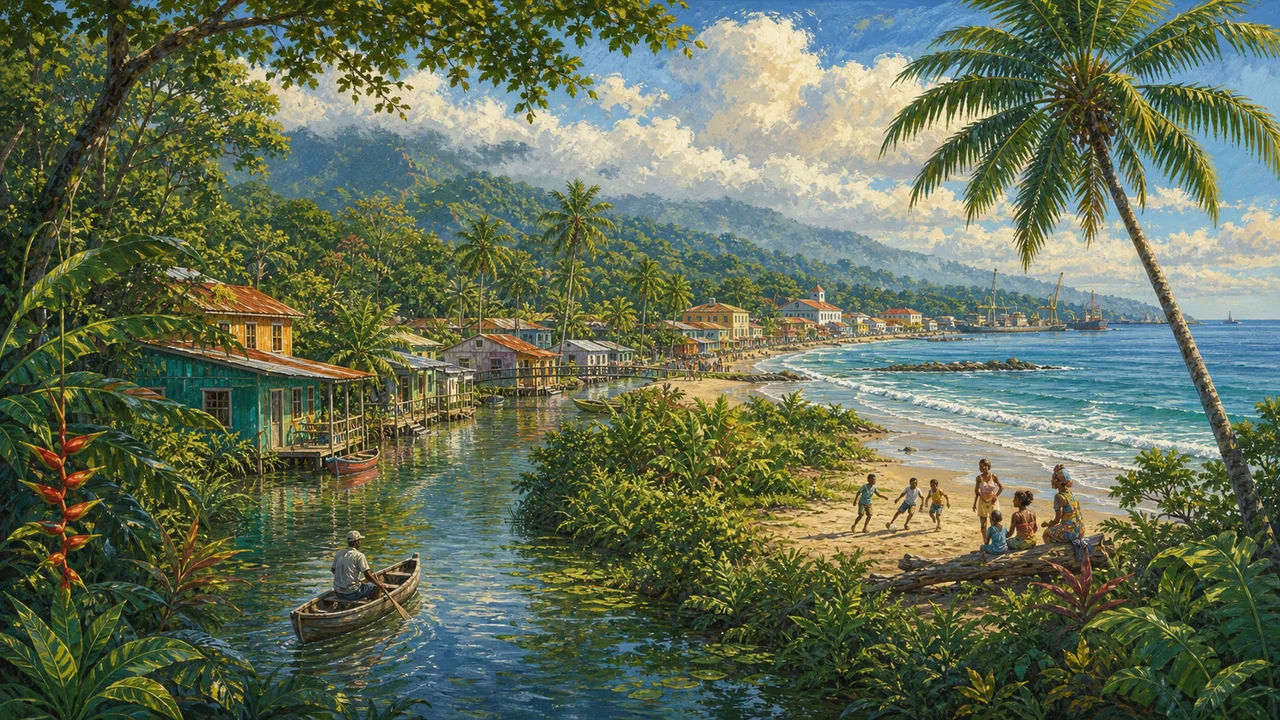 Limón is Costa Rica’s Caribbean province and feels markedly different from the Pacific side in climate, cuisine, music, and culture. The province faces the warm Caribbean Sea and receives rainfall year-round, sustaining some of the densest lowland tropical rainforest in all of Central America. Afro-Caribbean and Bribri indigenous influences give Limón a rich cultural identity unlike anywhere else in Costa Rica.
The province’s tourism centrepiece is Tortuguero National Park — a network of jungle canals only accessible by boat or small plane. Tortuguero is one of the most important green sea turtle nesting beaches in the Western Hemisphere, drawing wildlife watchers from around the world. The canal system is also rich with manatees, river otters, caimans, and a spectacular array of birds.
Further south, Cahuita National Park protects Costa Rica’s most accessible coral reef, a short snorkel from a white-sand beach. Puerto Viejo de Talamanca has become a magnet for travellers seeking a Caribbean beach vibe, excellent cuisine rooted in Afro-Caribbean tradition, and surf breaks for every level. The Barra del Colorado Wildlife Refuge in the north is a world-class tarpon and snook fishing destination. Limón real estate offers some of the most affordable Caribbean beachfront and jungle properties in the country.
Planning Your Provincial Journey
Costa Rica’s provinces are small enough that ambitious travellers can sample several in a single two-week trip. A classic circuit might combine San José and Heredia (culture and coffee), Alajuela’s Arenal corridor (adventure and hot springs), Guanacaste (Pacific beaches and wildlife), and a finish on the Puntarenas Central Pacific or Limón’s Caribbean coast.
Before you travel, review current Costa Rica travel tips and safety guidance. For inspiration on what draws millions of visitors each year, see why Costa Rica remains one of the world’s favourite travel destinations. Dive deeper into the country’s natural wealth through ecotourism and nature, national parks, and activities and sports — there is genuinely something extraordinary in every province.
Frequently asked questions
How many provinces does Costa Rica have?
Costa Rica is divided into seven provinces: San José, Alajuela, Cartago, Heredia, Guanacaste, Puntarenas, and Limón. Each province has its own capital city of the same name, plus a network of smaller cantons and districts.
Which province is best for beach vacations?
Guanacaste on the Pacific Northwest offers the most consistent dry-season sunshine and the longest stretches of resort beaches. Puntarenas covers the Central and South Pacific coast with lush, rainier scenery. Limón gives you the Caribbean side — a very different, reggae-tinged atmosphere.
Which province should I fly into?
Most international visitors fly into Juan Santamaría International Airport (SJO) in Alajuela, which serves the greater San José metropolitan area. Travelers heading to Guanacaste can fly directly into Daniel Oduber International Airport (LIR) in Liberia, saving a long drive.
Is it safe to travel between Costa Rica's provinces?
Inter-provincial travel is generally safe and straightforward. Main highways connect all provincial capitals, and domestic flights and shuttle buses cover popular routes. Review current safety tips before you travel and stay alert in urban centres.
Which province is highest in altitude?
Cartago has the highest average elevation of any province, anchored by the Irazú and Turrialba volcanoes and the Chirripó massif at its southern edge. Heredia's interior cantons also sit at high altitude in the Central Volcanic Range.