Alajuela Real Estate: Airport, Arenal & Expat Towns
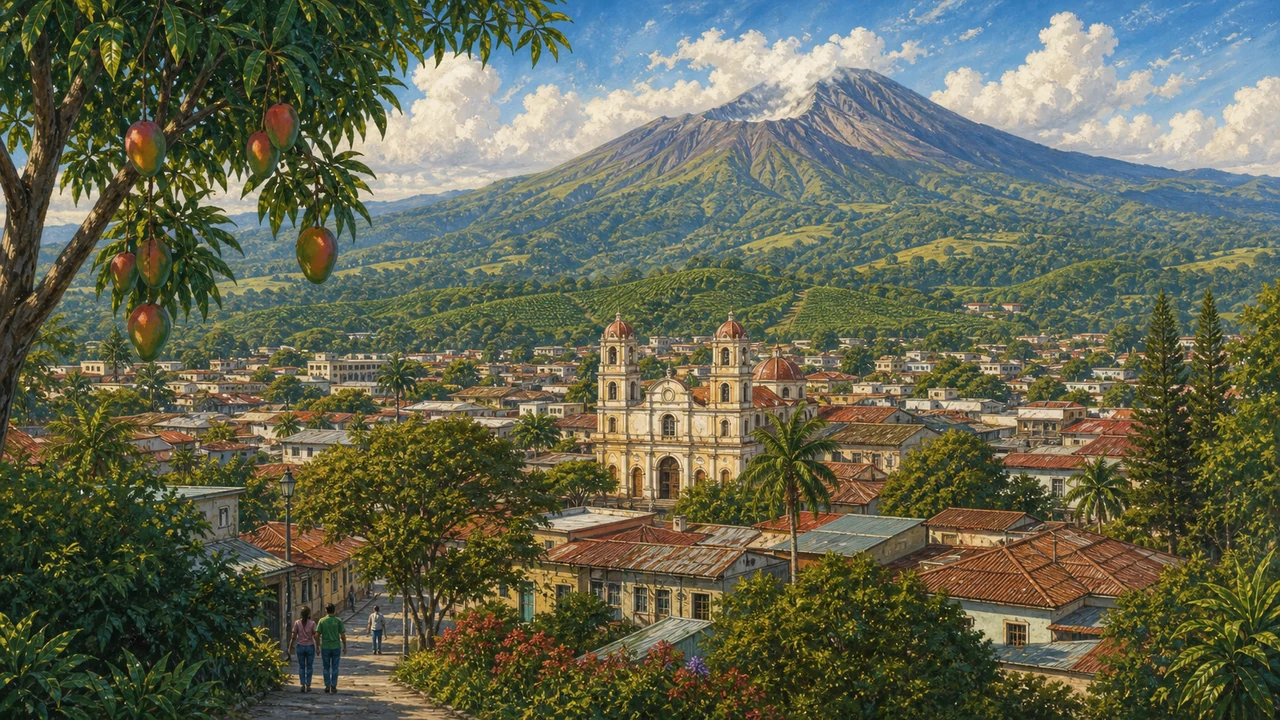 Alajuela real estate offers a compelling combination that few other Costa Rican provinces can match: direct access to the country’s main international airport, a spring-like Central Valley climate, affordable property across a range of types, and a geographic spread that runs from beloved expat retirement towns in the west to the world-famous Arenal Volcano corridor in the north. Whether you are planning a permanent move, a retirement retreat, or an investment in vacation rentals, Alajuela province deserves a close look. This guide covers the key towns, property types, lifestyle factors, and investment dynamics you need to know before you buy. For a broader overview of buying legally and safely across the country, visit Costa Rica Real Estate.
Why buy real estate in Alajuela
Alajuela province sits at the geographic and logistical heart of Costa Rica, and that position translates into real, practical advantages for property buyers:
Airport proximity is a genuine differentiator. Juan Santamaría International Airport (SJO) — Costa Rica’s primary international gateway — is located in Alajuela. For buyers who plan to travel frequently, receive visiting family, or manage a vacation-rental property that depends on international arrivals, living or investing in Alajuela means the airport is minutes away rather than an hour-plus drive. This convenience has long attracted expats, remote workers, and business travelers who want quick access to flights without sacrificing quality of life.
Affordability relative to the coasts. Alajuela property is generally priced well below comparable homes in Guanacaste’s beach towns or San José’s upscale suburbs. Retirees and families looking for a comfortable lifestyle on a realistic budget consistently find good value here, particularly in the smaller towns of the western corridor.
Proven expat infrastructure. The province has a long history of welcoming international residents. Towns like Atenas and Grecia have well-organized expat communities, English-language services, bilingual medical care, international schools, and social networks that ease the transition for newcomers.
Dual market appeal. Alajuela is unique in offering two distinct investment stories under one provincial name: the settled, lifestyle-focused Central Valley in the west, and the high-energy tourism economy around Arenal and La Fortuna in the north. Buyers can target either profile — or both.
Location, climate and lifestyle
Alajuela is Costa Rica’s second-largest city and the capital of the province that bears its name. The city lies in the Central Valley at roughly 900 meters above sea level, just a few kilometers north of San José and immediately adjacent to the airport. From there, the province fans outward dramatically: southwest into the gently rolling hills of the coffee country around Atenas and Grecia; northwest into the higher, cooler terrain of San Ramón, Naranjo, and Zarcero; and north over the mountains into the lush volcanic lowlands around La Fortuna, Lake Arenal, Bijagua, and Upala.
The Central Valley portion of Alajuela enjoys the climate that draws so many buyers to Costa Rica in the first place: warm days, cool evenings, and two well-defined seasons (dry from December through April, green from May through November) without the extreme heat of the coast or the chill of the high Cerro de la Muerte. Atenas in particular has long been cited in expat lore as one of the world’s most comfortable climates — warm enough for shorts most of the year but rarely oppressively hot, with reliable afternoon breezes.
The northern zone around Arenal and La Fortuna has a distinctly different character: lush, tropical, and noticeably wetter, with the dramatic backdrop of Arenal Volcano rising to 1,670 meters. That landscape is a tourism engine, making the region feel more like a resort corridor than a residential suburb.
Day-to-day life in Alajuela’s Central Valley towns is comfortable and complete. Supermarkets, hospitals, hardware stores, and restaurants are all readily available in Alajuela city and Grecia. San José’s full range of medical specialists, international retail, and cultural amenities is a short drive east on the Inter-American Highway.
Where to buy: top areas in Alajuela
 Atenas is perhaps the most internationally recognized expat destination in the western Central Valley. Small, safe, and walkable, it sits about 30 kilometers from the airport in the foothills west of Alajuela city. The town has a quiet central park, a modest restaurant scene catering to the international crowd, and well-maintained roads. Residential lots, gated-community homes, and hillside houses with valley views are the dominant property types. Buyers looking for a genuine small-town Costa Rican lifestyle with expat support networks gravitate here consistently.
Grecia is another western Central Valley favorite, frequently cited as one of the cleanest and most orderly small towns in Central America. It offers a slightly larger service base than Atenas, a pretty red metal church on the central plaza, and easy highway access. The surrounding countryside is coffee and cane country, which means green views and a rural feel without sacrificing conveniences.
San Ramón and Naranjo appeal to buyers who want a more authentically Costa Rican town experience with fewer fellow expats in the mix. Both are productive agricultural centers with solid local commerce, and both sit at slightly higher elevations that keep temperatures comfortably cool.
Zarcero is a highland town known nationwide for its fantastical topiary gardens in the central plaza — sculpted hedges in the shapes of animals, arches, and tunnels. At roughly 1,736 meters above sea level, it is genuinely cool, almost sweater-weather in the evenings. The area attracts buyers who want mountain air, dairy-farm scenery, and a pace of life that feels removed from the urban rush.
Sarchí is Costa Rica’s traditional crafts capital, famous for painted oxcarts that have become a national symbol. It sits between Grecia and Naranjo and draws domestic and international visitors to its workshops and galleries. Property here is less developed as an expat market but offers quiet residential options within the scenic valley.
La Fortuna and the Arenal zone function as a separate real-estate universe within the same province. La Fortuna is the gateway town to Arenal Volcano — one of Costa Rica’s iconic natural landmarks and a draw for adventure tourism, hot springs, waterfall hikes, and white-water rafting (for more on the region’s natural attractions, see Costa Rica volcanoes and activities and sports). Property here ranges from small residential lots in town to boutique lodge operations on the slopes, vacation homes on the shores of Lake Arenal, and raw land in the nearby communities of Bijagua and Upala. The market is driven by tourism demand rather than retirement lifestyle, and buyers with hospitality ambitions will find it fertile ground.
Types of property available
The Alajuela market offers a wider variety of property types than most people expect:
- Residential lots and homes in gated communities — the dominant format in Atenas and Grecia, catering to retirees and families who want security, maintained roads, and neighbor amenities.
- Freestanding houses on titled land — readily available across the valley towns and in Alajuela city, from modest bungalows to spacious homes on quarter-acre or larger lots.
- Coffee fincas and agricultural land — the rolling hills of the western valley have a long history of coffee cultivation, and small-to-medium fincas occasionally come to market. Some buyers restore working farms; others convert them to residential estates or boutique agri-tourism operations.
- Vacation-rental and hospitality properties — concentrated around La Fortuna and Lake Arenal, these range from simple cabinas and short-term rental units to established boutique hotels and eco-lodges with operating income.
- Raw land and development parcels — available throughout the province at a range of price points, from affordable lots in agricultural zones to larger parcels suitable for subdivision or resort development in the Arenal corridor.
Throughout the province, titled (fee-simple) property is the standard and the form buyers should insist upon. Title is recorded in the National Registry and is accessible to any attorney for verification before purchase.
Investment and rental potential
Alajuela’s investment case divides neatly between two segments, and both are legitimate:
Long-term residential rentals in the Central Valley towns serve the consistent demand from expats, digital nomads, and Costa Ricans who want to live outside San José but maintain easy access to the city and airport. Vacancy rates in established towns like Atenas tend to be low because supply of quality rentals is limited relative to demand.
Vacation and short-term rentals in the Arenal and La Fortuna corridor benefit from one of Costa Rica’s most durable tourism draws. Arenal Volcano and its surrounding hot springs, hanging bridges, and adventure operators attract international visitors year-round, with high seasons in December through April and a second surge in July and August. Well-positioned properties near the main attractions — particularly those with volcano views or hot spring access — can generate meaningful nightly rates and healthy occupancy.
The airport connection strengthens the investment case for the broader province. Properties marketed as a short drive from SJO command a premium with buyers who prioritize travel convenience, and the Alajuela address is a positive selling point at resale.
Getting there and infrastructure
Juan Santamaría International Airport is the practical backbone of Alajuela province. Direct flights connect SJO to dozens of North American and European cities, making it easier to manage a property here from abroad than from almost anywhere else in Costa Rica. Alajuela city is minutes from the terminal; even the western towns of Atenas and Grecia are no more than 30–45 minutes by highway.
The Inter-American Highway (Route 1) runs through the heart of the province, connecting Alajuela city to San José in the east and to the Guanacaste lowlands in the northwest. Route 27 provides a fast, modern toll road link to the Pacific coast and Jacó. The northern route to La Fortuna (Route 142) is a winding mountain road that takes roughly two to two-and-a-half hours from the airport — scenic but not a daily commute.
Infrastructure in the Central Valley portion of the province is solid: stable electricity, municipal water in most towns, broadband internet widely available, and a dense network of paved secondary roads. The Caja Costarricense de Seguro Social (CAJA) maintains hospitals and clinics throughout the province, and private hospitals in Alajuela city and nearby San José provide specialist care. The Arenal zone is less urban but has improved significantly with the growth of tourism, with reliable power and increasing internet coverage across the corridor.
For buyers comparing Alajuela against other parts of the country, the full provincial landscape is mapped out at Costa Rica Real Estate, where you can explore how Alajuela stacks up against the beaches of Guanacaste or the Caribbean coast of Limón.
Frequently asked questions
Is Alajuela a good place to buy real estate in Costa Rica?
Yes. Alajuela combines the convenience of being minutes from Juan Santamaría International Airport with a pleasant spring-like climate, a range of affordable property types, and well-established expat communities in towns like Atenas and Grecia. It is a strong choice for retirees, remote workers, and investors alike.
Can foreigners buy property in Alajuela, Costa Rica?
Yes. Costa Rica grants foreigners the same titled (fee-simple) property rights as citizens. No residency or citizenship is required. Buyers can hold property in their own name or through a Costa Rican corporation, and the title is recorded in the National Registry.
What are the best towns to buy real estate in Alajuela province?
The most popular areas for expats and retirees in the western Central Valley are Atenas, Grecia, San Ramón, and Zarcero. For tourism-driven investment, La Fortuna near Arenal Volcano is the standout destination. Alajuela city itself offers urban convenience at a lower price point than San José.
Is La Fortuna a good place to invest in rental property?
La Fortuna is Costa Rica's most visited volcano and adventure destination, which drives strong year-round demand for vacation rentals. Hotels, boutique lodges, and short-term rental properties near Arenal Volcano and Lake Arenal benefit from consistent international tourist traffic, making the area a well-established hospitality and investment market.
How affordable is Alajuela real estate compared with San José or Guanacaste?
Alajuela is generally more affordable than equivalent properties in San José's upscale suburbs and significantly less expensive than beachfront Guanacaste, while still offering Central Valley convenience, good infrastructure, and comfortable weather. Entry-level lots and homes in expat towns can represent strong value for buyers on a budget.