Cartago Real Estate: Highlands, Valleys & Historic Towns
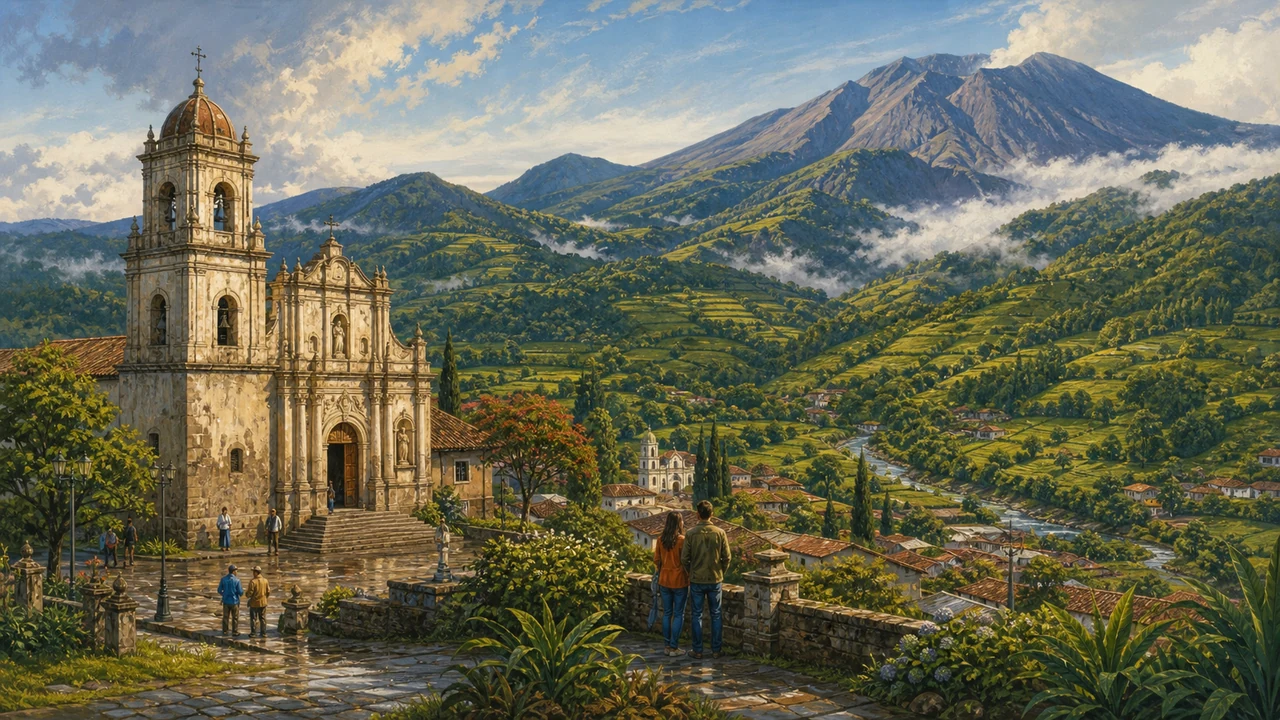 Cartago real estate is an often-overlooked chapter in the Costa Rican property story — a highland province southeast of San José where cooler mountain air, sweeping valley views, and agricultural land come together at price points well below what buyers typically find in the country’s more marketed beach and western Central Valley markets. As Costa Rica’s original colonial capital, Cartago carries genuine history alongside its natural beauty, making it a compelling choice for buyers who want substance over scenery alone.
Why buy real estate in Cartago
Several factors keep drawing buyers — both Costa Ricans and foreign nationals — toward Cartago:
Value. Land and residential property in Cartago typically cost less per square meter than comparable options in Heredia, Alajuela’s main urban core, or San José’s western suburbs. That gap is widening interest as the western Central Valley becomes more built-out and more expensive.
Climate. Cartago’s highland elevation produces a noticeably cooler and fresher climate than the rest of the Central Valley. Buyers who find San José’s year-round warmth slightly too much frequently describe Cartago’s mountain air as the deciding factor. If you want mornings with mist in the valley and crisp evenings on the porch, Cartago consistently delivers.
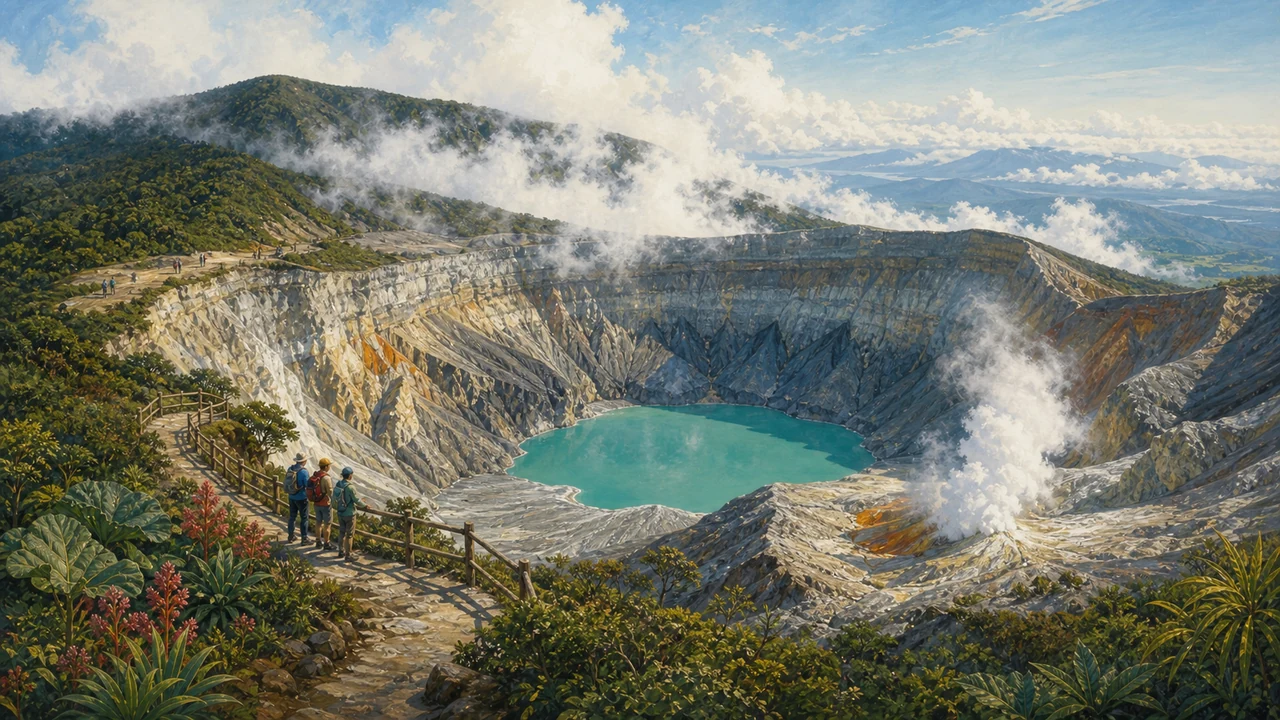
Nature and scenery. The province sits at the foot of Irazú Volcano, Costa Rica’s highest active volcano, and contains stretches of cloud forest, coffee-covered hillsides, and river valleys that feel genuinely remote even though the capital is close. Ecotourism and nature are woven into daily life here in a way that coastal resort developments cannot replicate.
Tranquility. Cartago is quieter, greener, and less congested than the urban core of the Central Valley. For retirees, remote workers, and families seeking a calmer rhythm, that quality of life is the central draw.
Same foreign ownership rights. Like all of Costa Rica, Cartago operates under full foreign-ownership rules: foreigners buy titled (fee-simple) property with exactly the same rights as citizens. No residency is required, and transactions follow the same secure process — attorney due diligence, National Registry title search, and notarized transfer deed — described in the Costa Rica Real Estate overview.
Location, climate & lifestyle
Cartago province wraps around the southeastern and eastern edges of the Central Valley and extends into the rugged Talamanca mountain range. The city of Cartago, the provincial capital, sits at approximately 1,430 meters (around 4,700 feet) above sea level, about 22 kilometers southeast of San José along the Pan-American Highway. In practice, the drive to the capital takes roughly 30 to 40 minutes depending on traffic — close enough for daily commuting, far enough to feel removed from city noise.
The climate is the province’s most distinctive feature. Where San José’s elevation gives it a perennial spring, Cartago’s extra altitude delivers something closer to a highland autumn: daytime temperatures typically reach the low-to-mid 20s Celsius (low 70s Fahrenheit), evenings drop to the low teens, and mornings often arrive with mist or light drizzle rolling through the valleys. For buyers from the American Pacific Northwest, northern Europe, or Canada’s cooler regions, it feels immediately familiar.
Life in Cartago province is agricultural at its core. The fertile volcanic soils — enriched by centuries of deposits from Irazú — produce some of Costa Rica’s finest vegetables, dairy products, and arabica coffee. Markets, cooperatives, and roadside farm stands are part of the weekly rhythm. Cultural life centers on the city of Cartago itself, home to the Basílica de Nuestra Señora de los Ángeles, the country’s most important Catholic pilgrimage site, where hundreds of thousands of devotees walk from across Costa Rica each August 2nd. The provincial lifestyle is unhurried, community-oriented, and tied to the land.
Where to buy: top areas in Cartago
 Cartago is not a single destination but a collection of distinct communities, each with its own character and property market.
Cartago City and surroundings. The provincial capital has an established urban core with a full range of services — hospitals, universities, schools, supermarkets, and government offices. Residential neighborhoods near the city center and on the surrounding hillsides offer houses at reasonable prices with easy access to San José. This area suits buyers who want a proper town with urban convenience rather than rural isolation.
Paraíso. Just east of Cartago city, Paraíso (“Paradise”) is a growing municipality with good schools, local commerce, and a friendly residential atmosphere. It serves as a practical base for exploring the Orosi Valley and Lake Cachí, and its property market leans toward comfortable family homes and view lots on gentle hillsides.
The Orosi Valley. One of Costa Rica’s most scenic corners, the Orosi Valley lies southeast of Paraíso and drops into a green, coffee-growing basin carved by the Reventazón River. The colonial Orosi Church — one of the oldest still in use in the country — anchors the valley town. Natural hot springs, the Cachí hydroelectric reservoir, and walking trails through shaded coffee groves make this a perennially attractive area for property buyers. Fincas, small farm properties, and hillside homes with valley views are the dominant listing types. The road from Paraíso to Orosi takes about 15 minutes, and San José is roughly 45 minutes away.
Turrialba. Roughly 60 kilometers east of San José, Turrialba is a larger, more independent town that operates on its own terms rather than as a satellite of the capital. It is best known internationally for whitewater rafting on the Pacuare and Reventazón rivers — among the best rafting rivers in Central America — and for the Turrialba Volcano, which visitors can approach via a national park. The town is also home to CATIE (Centro Agronómico Tropical de Investigación y Enseñanza), a respected tropical agricultural research center, and serves as the gateway to the Guayabo National Monument, Costa Rica’s most important pre-Columbian archaeological site. Property in Turrialba and its surroundings includes agricultural fincas, residential homes, and rural land at some of the most accessible price points in the province.
Types of property available
The Cartago market is defined by variety rather than luxury resort developments. Buyers will find:
Mountain and valley homes. Single-family residences on the hillsides surrounding Cartago city, Paraíso, and the Orosi Valley form the backbone of the residential market. These range from modest town homes to larger properties with panoramic views, fruit orchards, and small plots of land attached.
View lots. Undeveloped land on elevated terrain with views across coffee farms, valleys, or toward the volcanoes. Lot sizes vary widely; some are suitable for a single family home, others for small subdivisions.
Agricultural fincas. Working farms — growing vegetables, coffee, or supporting dairy herds — represent a significant slice of the Cartago market. These fincas range from modest small-hold parcels to larger operations. They appeal to buyers interested in agricultural projects, agritourism, or simply owning productive rural land.
Coffee properties. Given the province’s ideal elevation and soil, coffee-growing fincas are available in the Orosi Valley and on the slopes around Cartago city. Some are sold as operating farms; others are priced for redevelopment or residential use.
Small-town homes. Properties within the town limits of Cartago, Paraíso, and Turrialba suit buyers who want community life, walkable errands, and a genuine Costa Rican neighborhood rather than an expat enclave.
Investment and rental potential
Cartago is not a vacation-rental hotspot in the way Guanacaste or the Central Pacific coast are, and buyers should set expectations accordingly. The province’s strength is residential long-term rentals, not short-term tourist accommodation.
Demand for long-term rentals comes from university students (Cartago is home to the Technological Institute of Costa Rica, the country’s main technical university), hospital and government employees, and Costa Rican families who prefer the province’s climate and affordability over San José. For investors targeting stable, low-vacancy residential rentals, this segment is reliable even if returns are moderate rather than spectacular.
Agricultural land and coffee fincas are a separate investment category altogether — one that attracts buyers with an interest in sustainable agriculture, specialty coffee, or agritourism rather than traditional real estate returns. CATIE’s presence in Turrialba has historically drawn researchers and agricultural professionals who need housing, creating a secondary rental niche.
Properties with clear volcano or valley views hold their value well. As the western Central Valley grows more congested and expensive, Cartago’s relative proximity to San José combined with its cooler, greener character positions it as a medium-term beneficiary of demand moving east along the valley.
Getting there and infrastructure
Cartago city is 22 kilometers from San José along the well-maintained Pan-American Highway. The drive typically takes 30 to 45 minutes, making it one of the most accessible highland alternatives to the capital. A commuter rail service has historically operated between San José and Cartago, and bus services connect the city and outlying towns regularly throughout the day.
Within the province, paved roads connect Cartago to Paraíso, the Orosi Valley, and most main communities. Turrialba is reachable by a well-traveled highway that takes roughly an hour from the capital. Some rural agricultural areas involve unpaved roads, and a four-wheel-drive vehicle is practical for buyers purchasing fincas on sloped terrain.
Infrastructure within Cartago city and Paraíso is fully developed: public and private hospitals, a university campus, international schools, banks, supermarkets, and all standard urban services. Turrialba has its own well-functioning service network. Internet connectivity has improved significantly in recent years, making remote work from Cartago viable for buyers who do not need to commute daily to San José.
Juan Santamaría International Airport in Alajuela — the country’s main international airport — is approximately 50 to 60 kilometers from Cartago city by road, generally reachable in under an hour outside peak traffic hours.
For buyers drawn to the idea of a highland Costa Rica life, the combination of accessibility, natural beauty anchored by a landscape shaped by volcanic geology and cloud-forest ecosystems, and genuine value make Cartago real estate a market worth exploring seriously. Start with the Costa Rica Real Estate overview to understand the buying process, then use the area guides above to match the right corner of Cartago to your goals.
Frequently asked questions
Is Cartago a good place to buy real estate in Costa Rica?
Yes. Cartago offers cooler highland temperatures, a quieter lifestyle, and generally more affordable land than the western Central Valley — while remaining within easy commuting distance of San José. It suits buyers who want nature, value, and a slower pace without sacrificing access to city amenities.
What types of property are available in Cartago?
The market includes mountain and valley homes, view lots, agricultural fincas (vegetable, dairy, and coffee farms), rural retreat properties, and small-town homes in communities such as Paraíso, Turrialba, and Cartago city. Land prices per square meter are typically lower than in Heredia, Alajuela, or San José's western suburbs.
Can foreigners buy property in Cartago, Costa Rica?
Yes. Foreigners have exactly the same property rights as Costa Rican citizens and can own titled (fee-simple) property outright in their own name or through a corporation. No residency is required. The same due-diligence steps — independent attorney, title search, survey verification — apply here as anywhere else in the country.
What is the climate like in Cartago?
Cartago's highland elevation — the city sits at roughly 1,430 meters (4,700 feet) above sea level — gives it a distinctly cooler and often misty climate compared with the rest of the Central Valley. Daytime highs typically stay in the low-to-mid 20s Celsius (low 70s Fahrenheit), dropping to the low teens at night. Buyers who find San José too warm often prefer Cartago's mountain air.
What is the Orosi Valley and why do buyers like it?
The Orosi Valley is a lush, coffee-growing river valley southeast of Cartago city. It is known for its natural hot springs, the colonial-era Orosi Church (one of Costa Rica's oldest), Lake Cachí reservoir, and green hillside scenery. Property here ranges from small-farm fincas to mountain-view homes, and it is consistently popular with buyers looking for a tranquil, scenic setting within about 30 minutes of San José.