Heredia, Costa Rica: City of Flowers, Coffee Country and Sarapiquí Rainforest
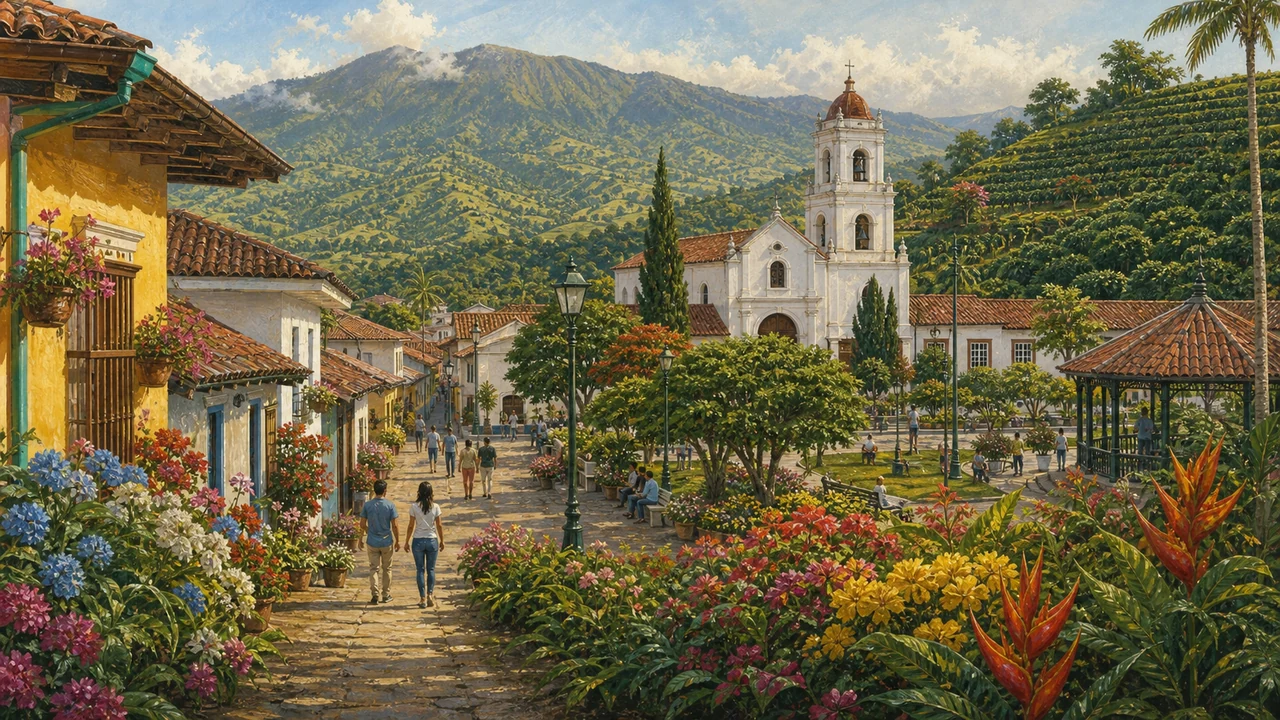 Heredia - Costa Rica is a compact province with an unusually rich range of experiences: colonial streets in the City of Flowers, hillside coffee estates, university culture, Barva Volcano cloud forest, Braulio Carrillo rainforest, and the wild Sarapiquí river corridor. Located just north of San José, Heredia works both as an easy Central Valley day trip and as a deeper base for travelers who want culture, coffee, nature, and cooler mountain weather without being far from the capital or the airport.
For searchers comparing Costa Rica’s provinces, Heredia is the highland-and-rainforest province that feels closest to everyday Costa Rican life. It is less hectic than San José, greener than most urban areas, more residential than the beach provinces, and more varied than its small size suggests. Within the same province you can walk through a colonial plaza, tour a specialty coffee farm, ride into primary rainforest, raft the Sarapiquí, and explore communities where flowers, churches, markets, and mountain views still shape the local rhythm.
Heredia at a Glance
- Best for: coffee tours, Central Valley culture, Braulio Carrillo, Sarapiquí, birdwatching, expat living, easy day trips from San José
- Main city: Heredia, known as the City of Flowers
- Nearby airport: Juan Santamaría International Airport (SJO), in neighboring Alajuela
- Signature landscapes: coffee highlands, Barva Volcano cloud forest, rainforest foothills, Sarapiquí river lowlands
- Good trip length: half day for the city or coffee farms; full day for Braulio Carrillo; one or two nights for Sarapiquí
The City of Flowers and Its Colonial Heart
The provincial capital shares its name with the province and has carried the nickname City of Flowers since its founding in 1706. Walking the streets around the central park, you sense a quieter, more unhurried Costa Rica than nearby San José. The Iglesia La Inmaculada, the old defensive tower El Fortín, and a scatter of well-preserved adobe houses in the surrounding communities of Barva and Santo Domingo speak to a colonial history that most of the country has since paved over.
Barva itself is worth a dedicated morning. A UNESCO-recognized historic district, its cobblestone lanes and ochre-toned church give it the feel of a village frozen pleasantly in time. The surrounding coffee farms, still producing some of Costa Rica’s finest beans, begin right at the edge of town.
Heredia is also a university city — home to the Universidad Nacional (UNA), one of Costa Rica’s principal public universities — which gives the town a youthful, cosmopolitan energy that coexists comfortably with its traditional character.
Coffee Country: Tours and Tastings
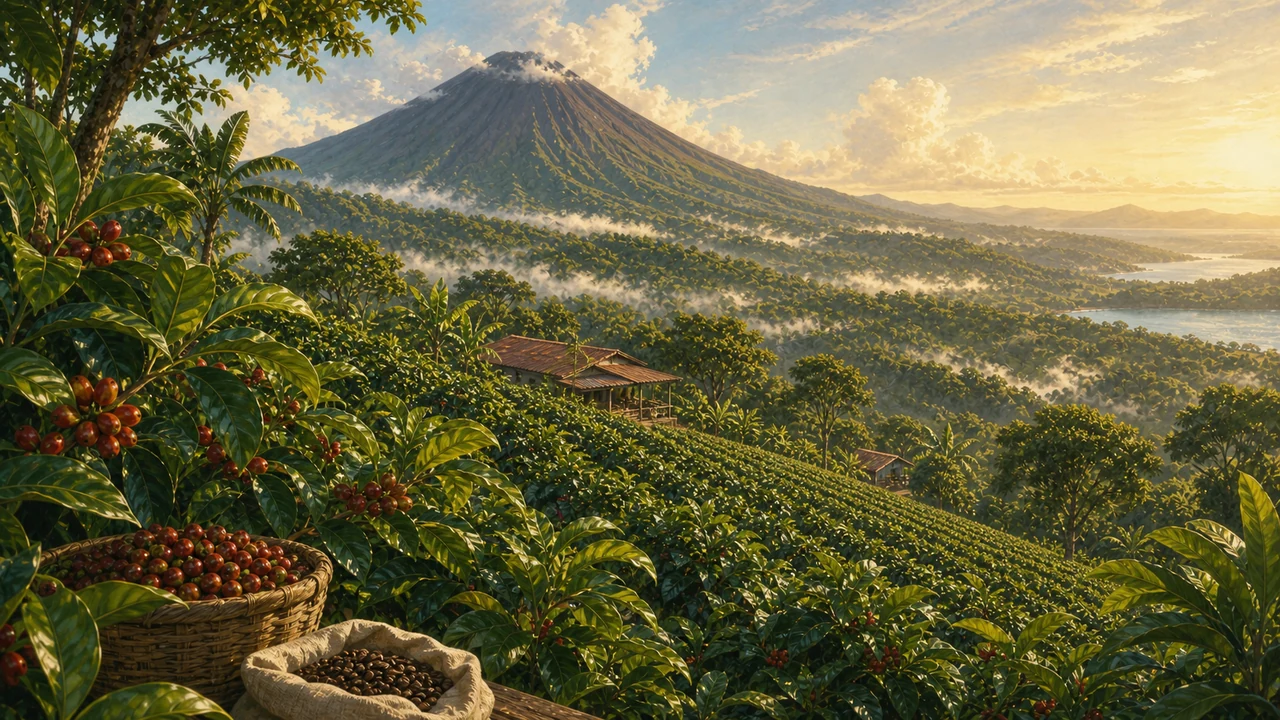 Heredia sits at the heart of Costa Rica’s coffee-growing tradition. The volcanic slopes rising toward Barva volcano produce beans at elevations that coffee connoisseurs prize — cooler temperatures slow the cherry’s maturation, concentrating sugars and producing the bright acidity that defines high-grown Costa Rican coffee.
Coffee farm tours in the Heredia highlands are among the most immersive in the country. You walk the rows with a guide who explains altitude, shade management, and the meticulous hand-picking that distinguishes specialty-grade harvests. The process continues through the wet mill — depulping, fermentation, washing — and on to the drying patios and roasting drums. A cupping session at the end lets you taste the difference between processing methods.
For visitors who want to go deeper into Costa Rica’s coffee heritage, the site Costa Rica coffee covers the country’s coffee culture, market, and history in full.
Braulio Carrillo National Park
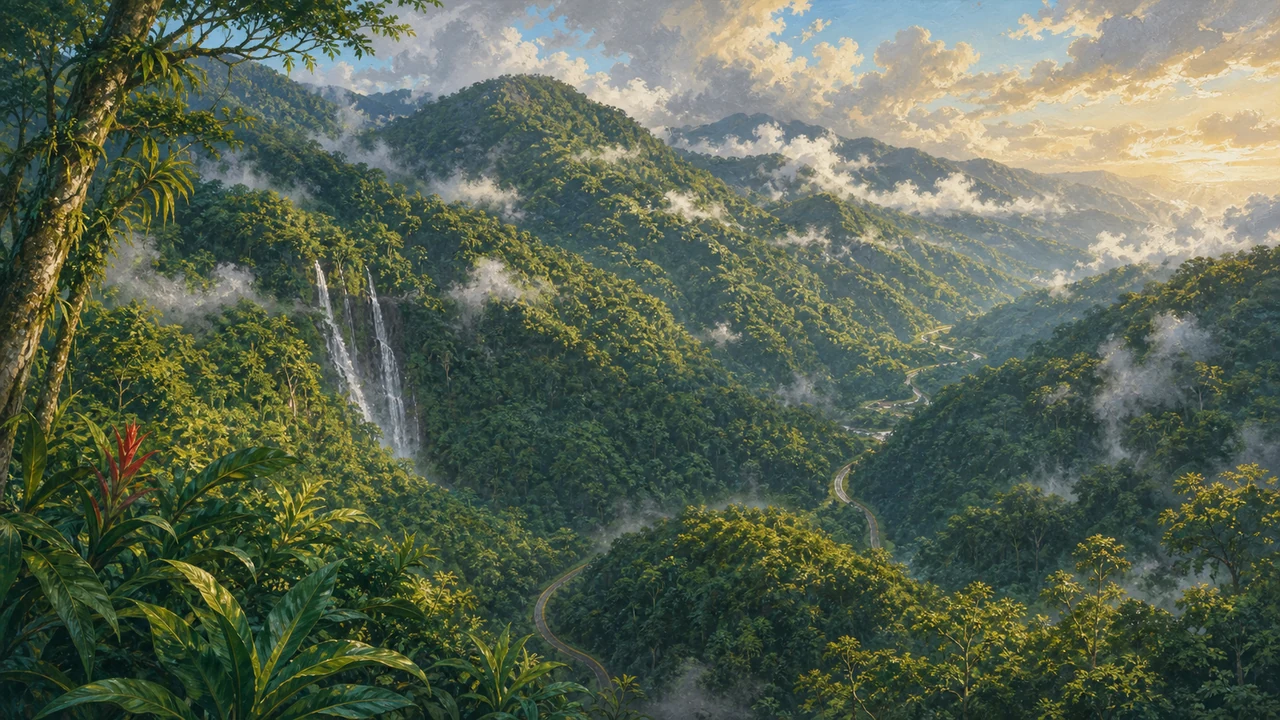 Braulio Carrillo National Park covers the largest unbroken rainforest close to the Central Valley — more than 47,000 hectares of primary forest cascading from volcanic peaks down toward the Caribbean lowlands. The park protects extraordinary biodiversity: hundreds of bird species, several species of monkey, tapirs, jaguars, pumas, and an almost uncountable variety of amphibians, reptiles, and insects.
The Guápiles Highway (Route 32) cuts through the park on its way from San José to the Caribbean coast, offering a rare ground-level view of true primary forest from a paved road. Roadside pull-offs let you step out and listen — the soundscape alone is remarkable.
For a canopy-level perspective, the aerial tram that runs within the park’s buffer zone is one of Costa Rica’s signature ecotourism experiences. Gondolas glide silently through the treetops, bringing you eye-level with bromeliads, poison-dart frogs, and the occasional resplendent quetzal, for which Barva volcano’s cloud-forest zone is particularly noted.
Day hikes into the park range from short interpretive trails near the ranger stations to more demanding routes toward the summit of Barva volcano (2,906 m). The summit craters hold cold-water lagoons surrounded by cloud-draped páramo vegetation — a landscape utterly unlike the tropical lowlands just kilometers away.
You can read more about the park at the dedicated Braulio Carrillo National Park page, or explore the full Costa Rica national parks section for context.
Sarapiquí: Rainforest, Wildlife, and River Adventures
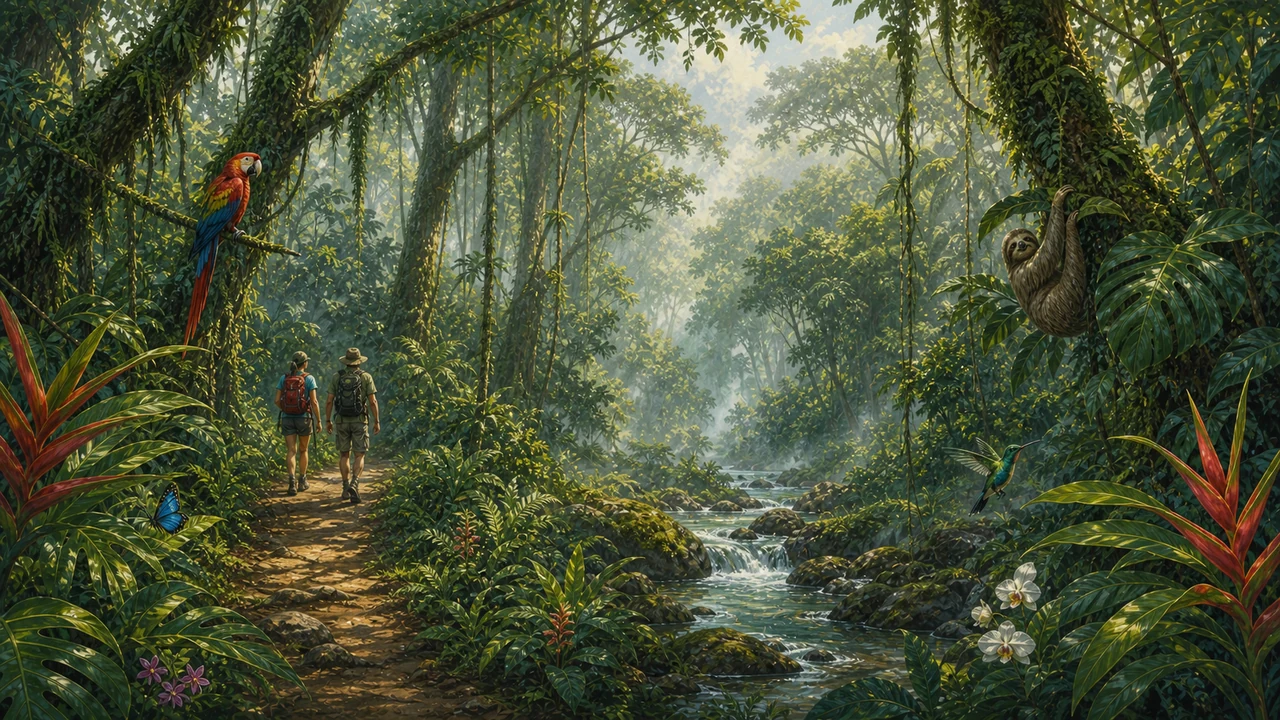 On the Caribbean-facing side of the Central Mountain Range, the canton of Sarapiquí stretches into lowland rainforest that rivals anywhere in Costa Rica for raw wildlife density. The town of Puerto Viejo de Sarapiquí is the gateway — a modest river town where local guides have built some of the country’s best community-based nature tourism.
Sarapiquí is one of the top destinations in Costa Rica for birdwatching, with more than 500 recorded species in the region. Boat tours along the Sarapiquí and Puerto Viejo rivers offer intimate encounters with river-bank wildlife: great green macaws, sunbitterns, northern anhingas, and an astonishing number of kingfishers. Howler and spider monkeys are essentially guaranteed; river otters and caimans appear with regularity.
The Sarapiquí River whitewater rafting run is a highlight for active travelers. The river flows fast through a corridor of intact jungle, and the rapids — rated generally Class II–III on the upper section — are accessible to participants with no previous experience. Operators can combine a morning raft with an afternoon rainforest hike or a visit to a pineapple or tropical-fruit farm in the same day. Check the activities & sports section for outfitters and options.
Beyond the river, Sarapiquí is home to several private reserves and research stations that offer guided walks, night hikes, and canopy platforms. La Selva Biological Station, operated by the Organization for Tropical Studies, is internationally renowned — its trail network passes through one of the most studied tropical wet forests on earth, and day visits are available to the public with advance arrangement.
Living in Heredia: Real Estate and Community
The cool highland climate, manageable traffic, and genuine community character have made Heredia province a consistent favorite among expatriates and Costa Ricans looking to move outside San José without sacrificing urban convenience. Neighborhoods like San Pablo, Barva, Santa Bárbara, and Santo Domingo offer everything from quiet residential streets to properties with mountain views and working gardens.
Heredia real estate ranges from city-center apartments to sprawling hillside estates with coffee parcels. The province’s Heredia real estate market has remained strong because buyers value both lifestyle and accessibility — the expressway and ring road put central San José within 20–30 minutes on a good day. For a broader picture of property ownership in Costa Rica, the Costa Rica real estate hub covers the full legal and practical landscape.
Getting to Heredia and Getting Around
The provincial capital sits about 11 km north of San José and is easily reached by bus, taxi, or rental car. The Guápiles Highway (Route 32) is the main corridor into Braulio Carrillo and beyond to the Caribbean. For Sarapiquí, the drive from Heredia city takes roughly two hours via San Miguel or Vara Blanca — a scenic mountain road that descends dramatically through cloud forest into the lowlands.
Domestic flights do not serve Heredia directly; most visitors fly into Juan Santamaría International Airport (SJO) in nearby Alajuela, which is 20 minutes from Heredia. See Costa Rica travel tips for general transportation advice once you arrive.
Organized day tours from San José cover most of Heredia’s highlights — a coffee tour paired with a Braulio Carrillo aerial tram makes a popular and easy full-day circuit. For the Sarapiquí valley, an overnight stay is worthwhile; the early morning hours, when the forest is most active, are worth setting the alarm for.
Frequently asked questions
Where is Heredia, Costa Rica?
Heredia is one of Costa Rica's seven provinces and also the name of its provincial capital. It sits just north of San José in the Central Valley, close to Juan Santamaría International Airport, the Barva Volcano highlands, Braulio Carrillo National Park, and the Sarapiquí rainforest lowlands.
What is Heredia best known for?
Heredia is best known as Costa Rica's City of Flowers, a historic coffee-growing province with colonial towns, university life, cool Central Valley weather, Barva Volcano cloud forest, and easy access to Braulio Carrillo National Park and Sarapiquí river adventures.
Why is Heredia called the City of Flowers?
The city of Heredia earned the nickname 'City of Flowers' for the abundance of ornamental plants and flowering gardens that have long adorned its streets and homes. Founded in 1706, the city has maintained a reputation for beauty and tranquility that still holds today.
What is the best way to visit Braulio Carrillo National Park from San José?
Braulio Carrillo is accessible via the Guápiles Highway (Route 32), which cuts through the park — one of the few national parks you can experience from a main road. Most visitors join a guided tour from San José or take the aerial tram for a canopy-level view of the rainforest. The park is roughly 45 minutes from the capital.
What coffee tours are available in Heredia?
Several traditional coffee estates around Heredia offer guided visits covering the full production process — from picking cherries on the hillside to drying, milling, and roasting. Tours are available in multiple languages and typically end with a tasting. Booking through your hotel or a reputable tour operator is recommended.
Is Sarapiquí good for whitewater rafting?
Yes. The Sarapiquí River offers a moderate-difficulty run suitable for most adults seeking an introduction to whitewater rafting in Costa Rica. The river corridor also passes through dense jungle teeming with wildlife, making it equally rewarding for those who prefer to float and observe rather than tackle rapids.
Is Heredia a good base for expats and long-term visitors?
Heredia is one of the most popular provinces for expatriates and long-term residents. Its location in the Central Valley means pleasant year-round temperatures, proximity to San José, good infrastructure, and a strong sense of community. Heredia real estate covers everything from city condos to hillside farm properties.