Pura Vida: Costa Rica's National Motto & Tico Soul
Pura Vida — Costa Rica’s unofficial national motto — is far more than a catchy tourism slogan. It is a two-word philosophy that permeates every layer of Tico society, from a morning greeting between neighbors to a heartfelt farewell among lifelong friends. Understanding Pura Vida is arguably the single best way to understand Costa Rica itself.
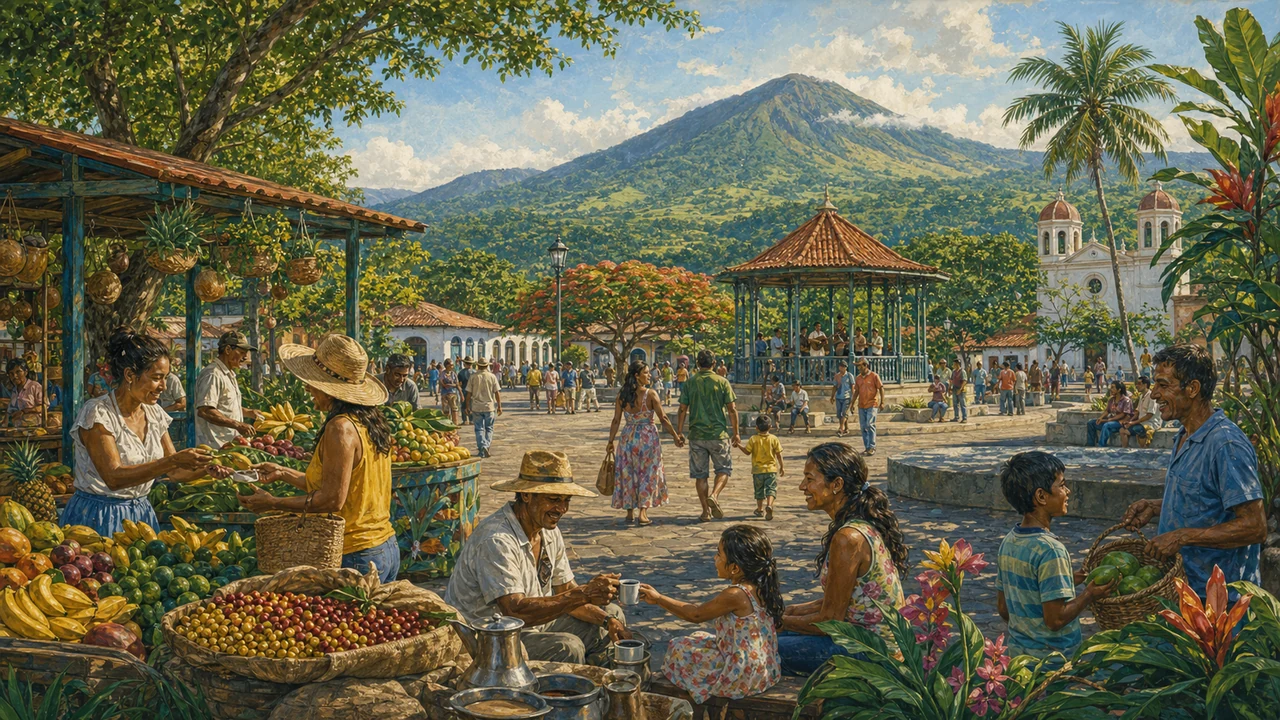
Costa Rica has no single phrase officially designated as a national motto under its constitution. Yet ask any Tico — or any traveler who has spent time in the country — and there is no debate about what the true motto is. Pura Vida is printed on bumper stickers, painted on murals, woven into everyday speech, and lived out in the unhurried rhythm of daily life in a way that formal legislation could never manufacture. It is organic, unanimous, and entirely authentic.
Origins: From a Mexican Film to a National Identity
The story of how Pura Vida entered Costa Rican speech is itself very Tico — understated and a little surprising. In 1956, a Mexican comedy film titled ¡Pura Vida! screened in Costa Rican cinemas. The film’s title character used the phrase as an irrepressibly cheerful response to every setback life threw at him. Costa Rican audiences connected with that spirit immediately.
At first only a fraction of the population adopted the saying. But the phrase’s organic spread through Costa Rican culture accelerated through the 1960s, and by the 1970s it had woven itself into the national vocabulary so thoroughly that it was added to Costa Rican Spanish dictionaries as a recognized idiom. Today it is one of the first things any Spanish learner in Costa Rica picks up — and one of the last things they forget.
What Pura Vida Actually Means (The Full Range)
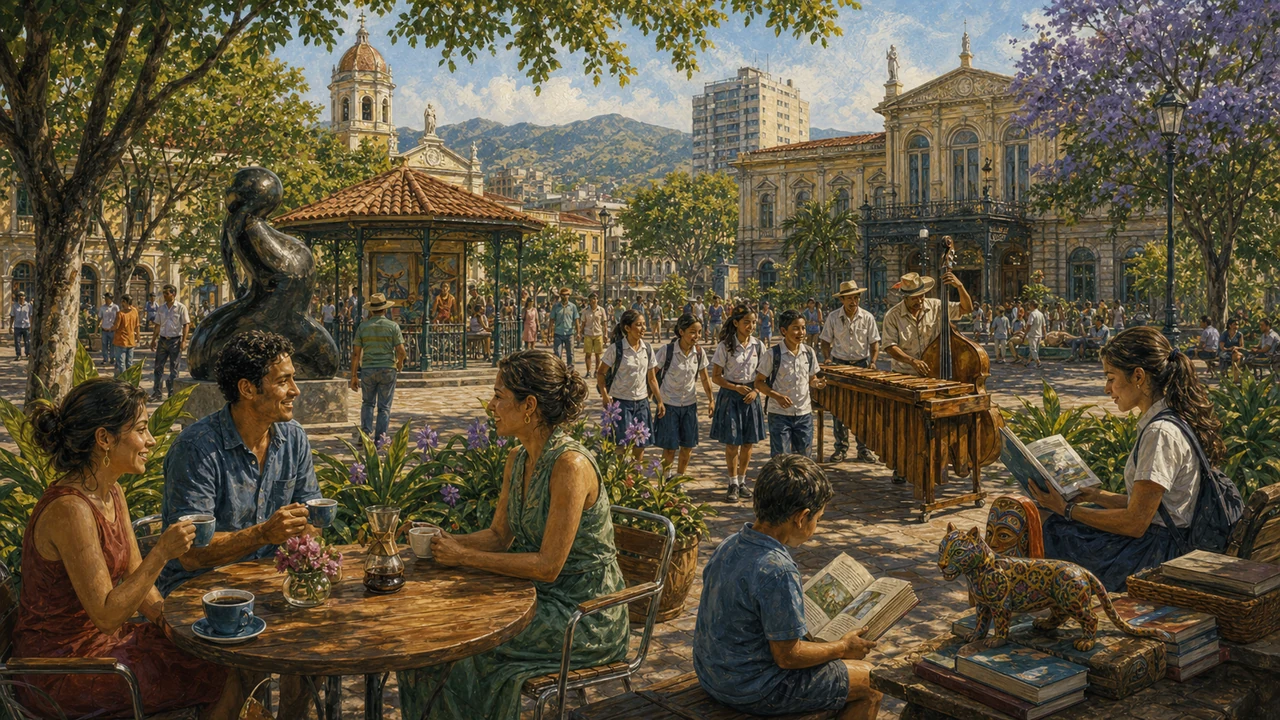
The literal translation — “pure life” or “simple life” — only scratches the surface. In practice, Pura Vida functions as a linguistic Swiss Army knife that Costa Ricans deploy in a remarkable variety of situations:
- As a greeting: Meeting someone on the street, answering the phone, or running into a friend at the market — “¡Pura Vida!” covers all of it. The English equivalent might be “Hey!” or “How’s it going?” combined.
- As a farewell: “Hasta luego, todo estuvo Pura Vida” (Goodbye, everything was wonderful) wraps up any encounter with warmth.
- As approval or appreciation: Telling someone “Usted es Pura Vida” (“You are Pura Vida”) is a genuine compliment — it means they are a good, generous, admirable person.
- As reassurance: Asked how things are going? “Pura Vida” says: fine, no complaints, life is good. It closes off worry and opens up possibility.
- As gratitude: Receiving a favor or a kind gesture — “Pura Vida” says thank you, no problem, and the world is right, all at once.
This elasticity is precisely what makes the phrase so useful and so beloved. No single English word or phrase does the same job.
Pura Vida as a Way of Life
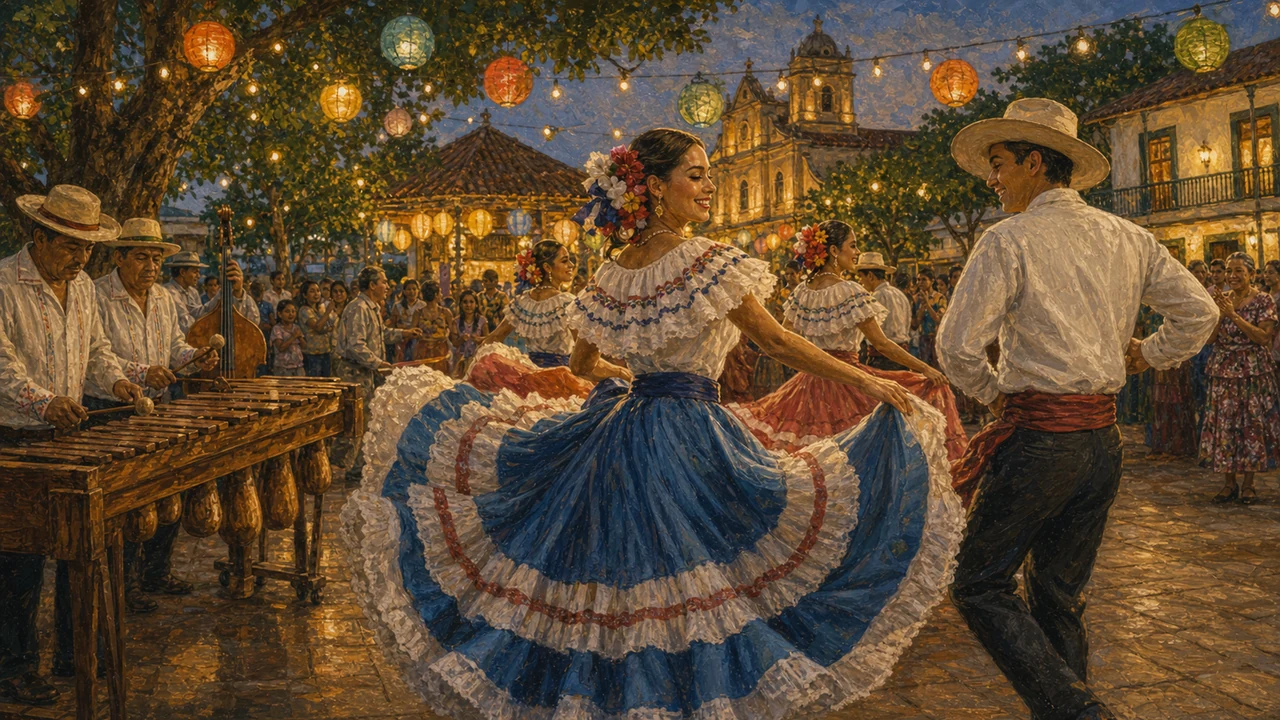
To dismiss Pura Vida as mere verbal shorthand would be to miss its deeper significance. For Ticos, the Pura Vida lifestyle means consciously choosing wellbeing over worry, community over individualism, and simplicity over accumulation. It is why Costa Rica consistently ranks among the happiest countries in the world in global wellbeing surveys — not because life here is without hardship, but because there is a cultural infrastructure that encourages people to keep hardship in perspective.
This ethos connects directly to several features of Costa Rican society that visitors often remark upon:
- Relaxed pace of life: The Tico concept of time (“hora tica”) is notoriously flexible — not out of disorganization but out of a genuine belief that rigid schedules should not override human connection.
- Environmental consciousness: Protecting nearly a quarter of the national territory as parks and wildlife refuges is an expression of Pura Vida applied to the natural world — the conviction that a living, biodiverse environment is part of the good life.
- Warmth toward strangers: Travelers consistently note how approachable and genuinely helpful Costa Ricans are. That hospitality is not trained behavior — it flows naturally from a culture that values human connection.
The people and society of Costa Rica that visitors encounter — courteous, laid-back, quick to smile — are people who have absorbed this philosophy from birth.
Pura Vida and Costa Rica’s Broader Identity
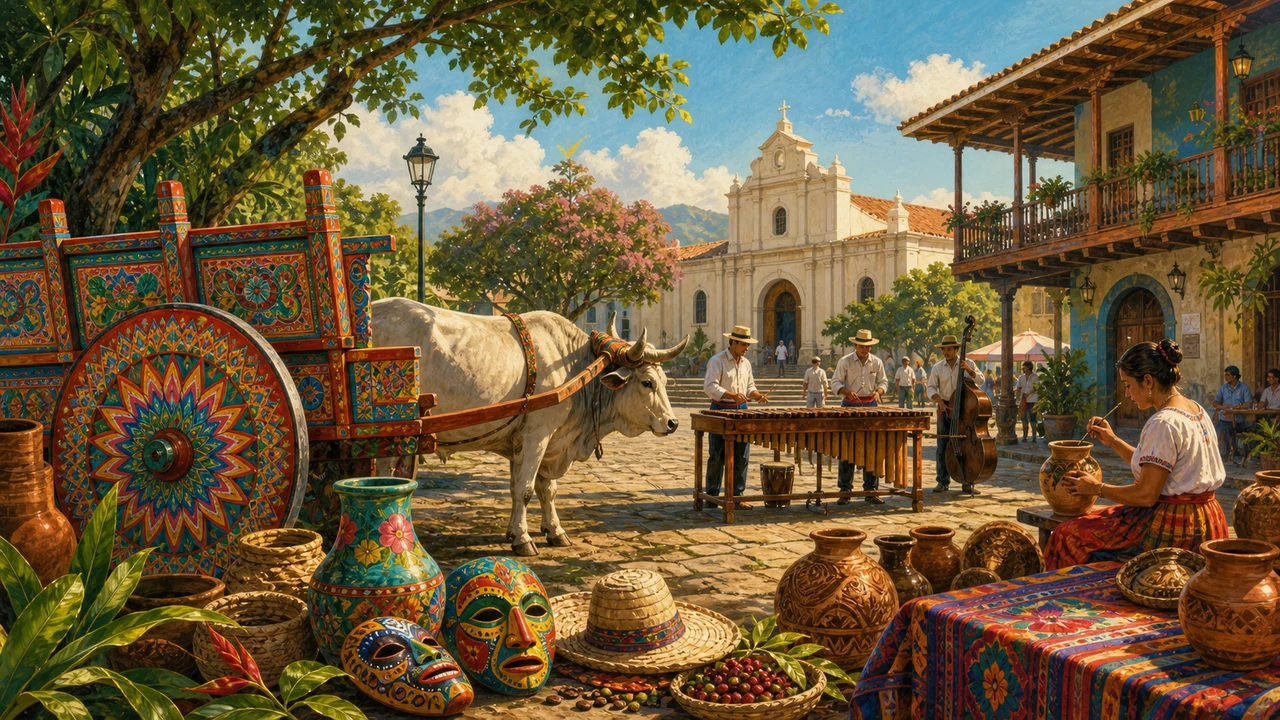
The Pura Vida philosophy as a driver of national pride also intersects with some of Costa Rica’s most distinctive achievements. The country abolished its military in 1948 — the oldest such decision by any nation — and has since channeled those resources into education, healthcare, and environmental protection. The result is a stable, peaceful society that takes genuine pride in choosing life over conflict.
Costa Rica is also a recognized ecotourism and nature destination precisely because Pura Vida extends to the relationship between people and their environment. Protecting rainforest, volcanoes, and coastline is not merely economic policy — it is a cultural conviction that the pure life requires an intact natural world to live in.
The Nicoya Peninsula, one of the world’s recognized Blue Zones where residents routinely live past 90 in good health, is sometimes held up as proof that the Pura Vida way — simple food, strong community, purposeful daily life, low stress — produces measurable outcomes.
How Visitors Experience Pura Vida
You will hear the phrase within hours of arriving. A taxi driver, a hotel receptionist, a vendor at the farmers’ market — any of them may greet you with “¡Pura Vida!” and mean it completely. The most useful thing a traveler can do is learn to say it back, and mean it just as fully.
Experiencing Pura Vida as a visitor to Costa Rica is less about any single activity and more about allowing the cultural pace to recalibrate your own. Hike into the rainforest. Sit with a cup of Costa Rican coffee and watch the morning fog lift off the mountains. Spend an afternoon at one of the country’s extraordinary beaches. Notice how worry recedes.
That is not coincidence. It is Pura Vida working exactly as advertised.
A Few Words Worth Knowing
If you want to engage Ticos on their own terms, these phrases will take you far:
- “¡Pura Vida!” — Hello / Goodbye / Great / Thank you / No problem (read the moment)
- “Mae” — roughly “dude” or “man,” a common informal address
- “Tuanis” — Tico slang for cool, great, or excellent
- “A la orden” — “At your service” — used constantly by shop owners and hospitality workers; a reminder that service here comes from genuine warmth
No single travel tip for Costa Rica matters more than this: arrive willing to slow down. Pura Vida is not something you observe from a tour bus — it is something you fall into when you give yourself permission to stop rushing.
Why visit Costa Rica? The beaches, the volcanoes, the wildlife — those are all good answers. But for many travelers who return again and again, the truest answer is two words: Pura Vida.
Frequently asked questions
Does Costa Rica have an official national motto?
Costa Rica has no formally designated national motto enshrined in law. However, 'Pura Vida' functions as the country's de facto motto — recognized internationally and embraced by Ticos as the truest expression of their national character.
What does 'Pura Vida' literally mean in English?
'Pura Vida' translates literally as 'pure life' or 'simple life.' In everyday use it carries a much broader meaning — ranging from a casual greeting to a full affirmation of life's goodness — depending on context and tone.
When did Costa Ricans start saying 'Pura Vida'?
The phrase gained traction after a Mexican film titled 'Pura Vida!' screened in Costa Rica in 1956. Its warm, optimistic spirit resonated and the expression spread rapidly through the population over the following two decades.
How is 'Pura Vida' used in daily conversation?
It is used as a greeting ('hello / how are you?'), a farewell ('take care / all good'), and an expression of appreciation or approval ('that's great / you're wonderful'). A single phrase does the work of a dozen English equivalents.
Is Pura Vida only for tourists, or do Costa Ricans really live it?
Ticos use Pura Vida constantly — among family, friends, and colleagues — not as a performance for visitors. It reflects a genuinely held cultural value: prioritizing wellbeing, gratitude, and simplicity over stress and materialism.