Nicoya Blue Zone: Costa Rica's Longevity Secret
The Nicoya Peninsula Blue Zone is one of the most studied longevity hot spots on Earth — a region of northwestern Costa Rica where a remarkable proportion of people reach extreme old age while remaining active and engaged in daily life. For visitors drawn to Costa Rica’s ecotourism and nature, the Nicoya Peninsula adds a layer of human wonder to the country’s already extraordinary natural story.
What Is a Blue Zone?
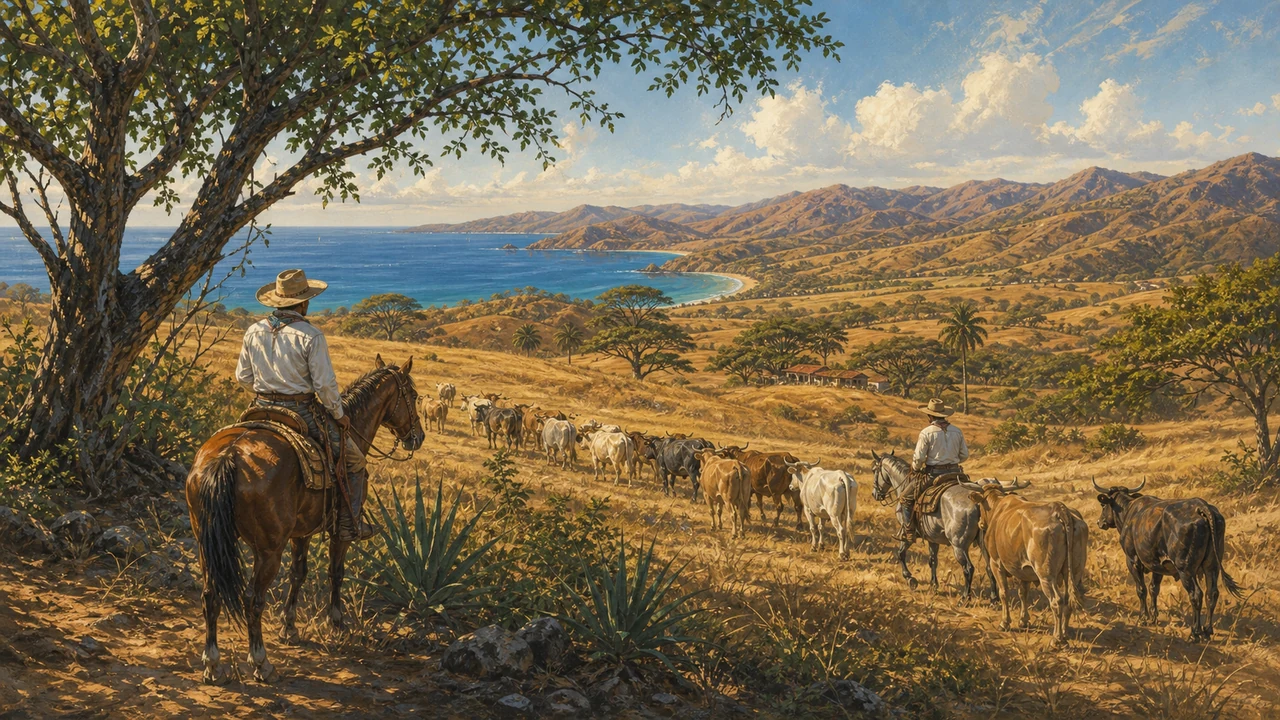 The term “Blue Zone” comes from demographic research identifying geographic pockets where people consistently outlive statistical averages — not just in years, but in quality of life. Researchers studying these populations found that exceptional longevity was rarely explained by genetics alone; environment, diet, social structure, and mindset all played measurable roles.
The five recognized Blue Zones are:
- Nicoya Peninsula, Costa Rica — the only Blue Zone in the Americas outside the United States
- Okinawa, Japan — known for low-calorie, plant-rich diets and tight-knit female social groups
- Sardinia, Italy — mountainous interior communities with strong multigenerational family bonds
- Ikaria, Greece — Mediterranean diet, afternoon naps, and relaxed pace of life
- Loma Linda, California, USA — a Seventh-day Adventist community with faith-centered lifestyle practices
Each Blue Zone is culturally distinct, yet researchers identified nine lifestyle habits shared across all five — including a sense of purpose, stress-reduction routines, a plant-slant diet, moderate alcohol intake (or none), belonging to a faith community, and keeping loved ones close.
Why Nicoya? The Longevity Factors
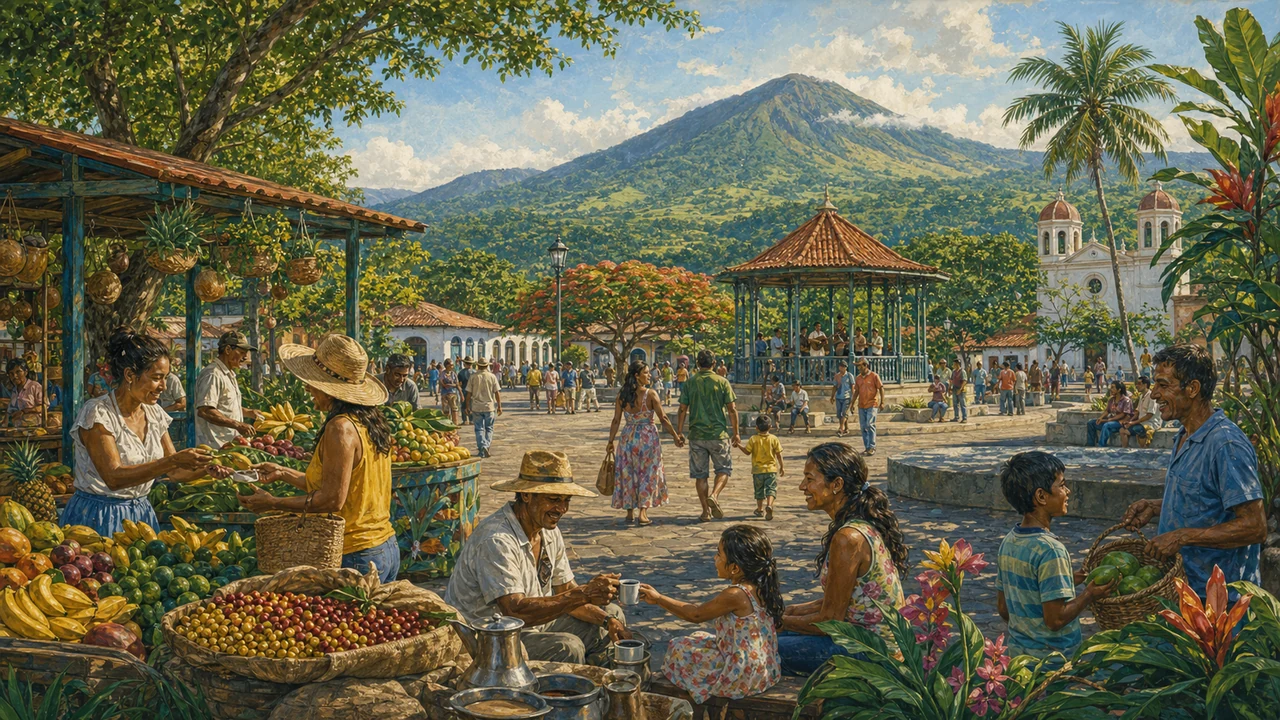 Researchers point to an interlocking set of factors that distinguish the Nicoya Peninsula from surrounding areas:
Plan de Vida — Reason to Live
Perhaps the most striking factor is a deeply held sense of purpose that Nicoyans call plan de vida (life plan). Unlike more individualistic cultures, elderly Nicoyans tend to remain embedded in their families and communities, with clear daily roles and a reason to get up each morning. This sense of being needed — and needed by people who matter to you — appears to buffer the physical and psychological stress that accelerates aging elsewhere.
Family and Social Ties
Nicoyan centenarians almost universally live with or near family members. Close family networks in the Nicoya Blue Zone provide practical support, emotional belonging, and regular face-to-face interaction — a counterweight to the isolation that research consistently links to shortened lifespans. Community celebrations, religious gatherings, and the social texture of small-town life reinforce these bonds across generations.
Faith and Community
The majority of the Nicoya Peninsula’s long-lived residents have participated regularly in faith communities throughout their lives. Whether Catholic parishes or evangelical congregations, these communities provide ritual, shared meaning, and a social safety net that complements family ties. The effect appears less about specific doctrine than about regular, structured social connection.
The Traditional Diet: Three Sisters and More
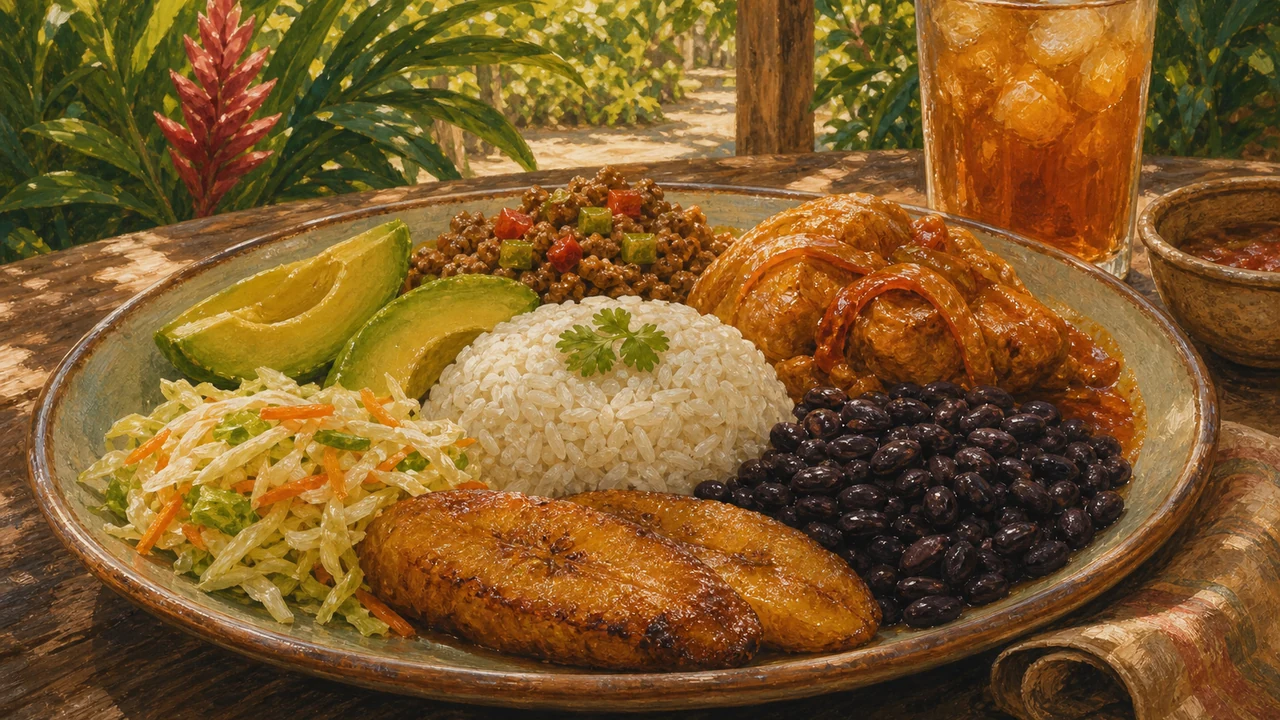 The traditional Nicoyan diet is built around what agronomists call the “three sisters” — maize, beans, and squash — a combination that has sustained indigenous Mesoamerican populations for millennia. In practice, this looks like:
- Nixtamalized corn tortillas — corn treated with lime (calcium hydroxide), which improves nutritional availability and adds minerals
- Black beans — a complete source of fiber, plant protein, and iron
- Squash — rich in beta-carotene and potassium
Tropical fruits grown locally — papaya, mango, banana, guava — supplement the diet with vitamins and antioxidants. Rice appears at most meals. Historically, meat was a small and infrequent part of eating; meals were simple, seasonal, and home-prepared. This stands in sharp contrast to the highly processed, energy-dense diet now common in urbanized parts of Costa Rica and elsewhere.
Hard Water Rich in Calcium and Magnesium
One factor that distinguishes Nicoya from other parts of Costa Rica is the mineral content of its water supply. The peninsula’s groundwater is naturally high in calcium and magnesium — two minerals associated with cardiovascular health and bone density. Researchers have noted this as a potential contributing factor to lower rates of heart disease in older Nicoyans, though it remains one variable among many.
Natural Movement and Sunshine
Nicoyan elders have typically spent their lives doing physical work — farming, ranching, walking, tending gardens — without treating exercise as a separate activity. Regular natural physical activity without formal exercise is a hallmark of all five Blue Zones. Combined with the peninsula’s abundant sunshine, which supports vitamin D synthesis year-round, the result is a lifestyle that maintains musculoskeletal health well into old age.
The Pura Vida Pace
Costa Rica’s national philosophy of pura vida — roughly “pure life” or “take it easy” — is lived most authentically in rural Guanacaste. The low ambient stress of Nicoyan communities, away from urban congestion and economic pressure, aligns with findings from every other Blue Zone: chronic stress is one of the most reliable accelerators of cellular aging, and cultures that build in daily stress-reduction practices — whether through naps, prayer, or simply stopping to talk with neighbors — appear to benefit measurably.
Where Is the Nicoya Blue Zone?
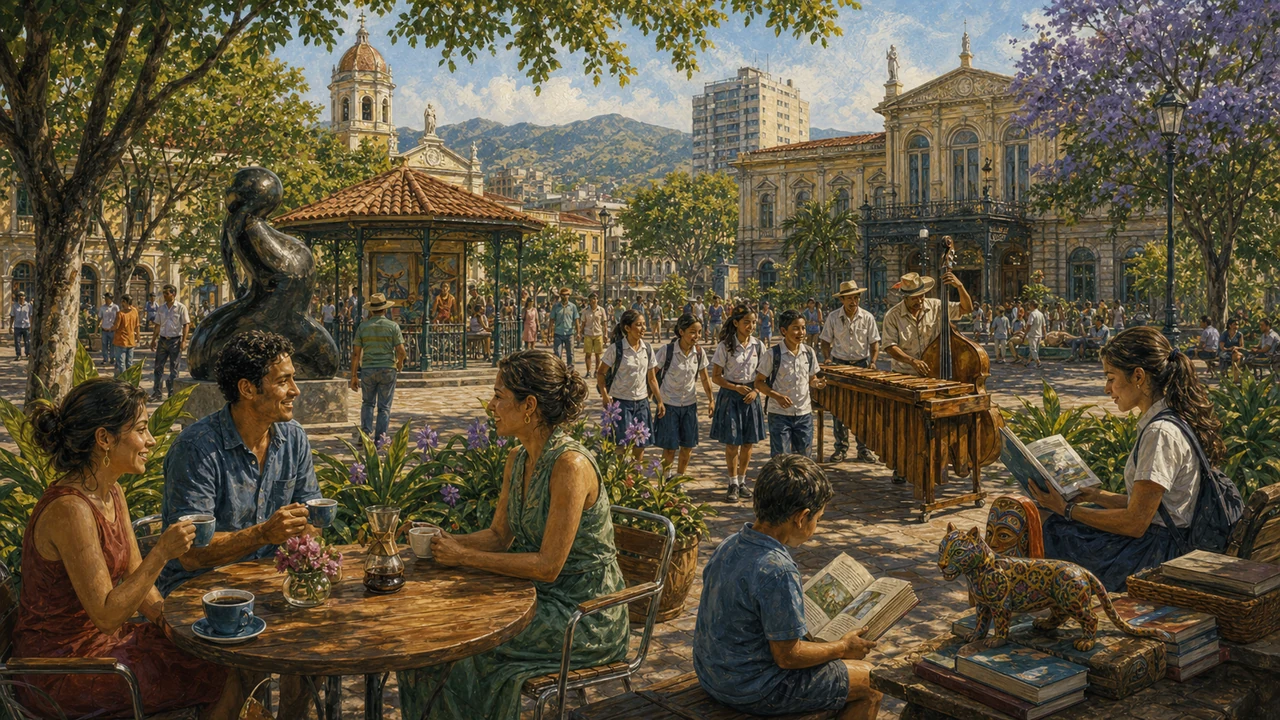 The Blue Zone is centered on the inland communities of the Nicoya Peninsula in Guanacaste, Costa Rica’s northwestern province. The city of Nicoya — a modest, historically significant colonial town — and the smaller municipality of Hojancha in the peninsula’s rugged interior are the research epicenters. These are working towns, not tourist destinations, and they reward visitors who come with curiosity rather than a checklist.
The famous Pacific beach towns — Sámara, Nosara, Tamarindo, and others along the North Pacific coast — sit on or near the peninsula but occupy a different social world from the inland Blue Zone communities. Beach resorts, surf culture, and international wellness retreats characterize the coastal strip; the longevity villages are quieter, less developed, and found a short drive inland.
This geography matters for visitors. Staying in Nosara or Sámara and driving into Nicoya or Hojancha for a morning gives you both worlds: the beauty of Guanacaste’s Pacific coast and a genuine encounter with the inland communities where the Blue Zone research was conducted.
Experiencing the Blue Zone Respectfully
Visiting a Blue Zone carries an implicit responsibility: the communities are not museum exhibits, and their elders are not photo opportunities. The most meaningful — and most ethical — way to engage is through the rhythms of everyday local life.
Eat at Local Sodas
A soda is Costa Rica’s version of a family-run lunch counter, and Nicoya’s sodas serve the traditional diet that has sustained the peninsula’s centenarians. Expect a casado (rice, beans, salad, protein, tortilla), homemade tortillas pressed to order, and fresh fruit drinks. These meals are inexpensive, delicious, and as close as a visitor gets to eating like a Nicoyan elder.
Community-Based Rural Tourism
Rural tourism in Guanacaste offers structured programs — farm stays, cooking workshops, guided community visits — designed to create economic benefit for local families while giving visitors authentic contact with Nicoyan culture. These programs operate with community consent and are designed to share, not exploit.
Wellness and Slow Travel in Nosara
The town of Nosara has become a globally recognized destination for yoga, meditation, and healthy living — drawing practitioners who feel a natural resonance between the Blue Zone philosophy and their own wellness pursuits. This is a legitimate way to engage with the broader ethos of the region, even if the yoga studios and organic cafés of Nosara are a world apart from the inland villages. Wellness retreats near the Nicoya Blue Zone have proliferated in response to international interest in longevity travel.
For visitors interested in a deeper wellness context, Costa Rica’s medical tourism and wellness retreats sector offers additional options, particularly around regenerative health and preventive care.
Combining Blue Zone and Beach — Getting There
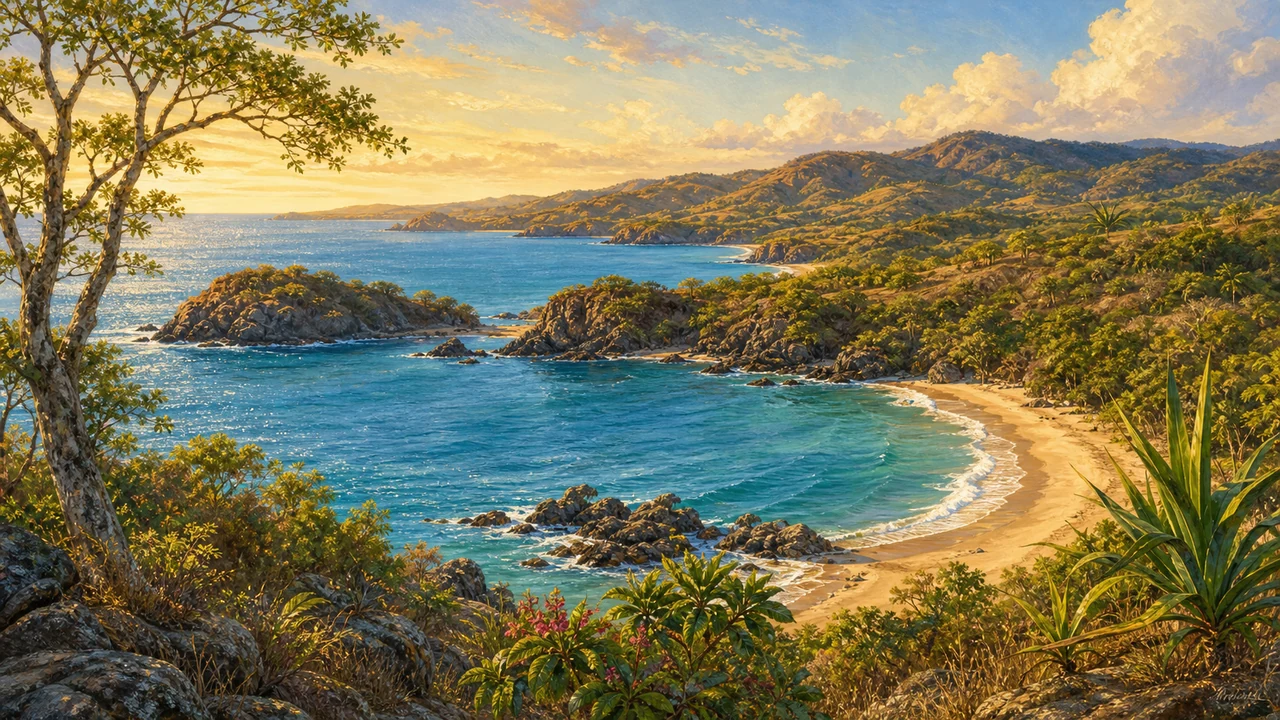 The Nicoya Peninsula is conveniently paired with a broader Guanacaste beach itinerary. The region is home to some of Costa Rica’s most celebrated Pacific beaches, and the inland drive to Nicoya town or Hojancha adds a half-day of cultural depth to any beach holiday.
Getting there: Daniel Oduber International Airport (LIR) in Liberia is the gateway for the entire Guanacaste region. Direct international flights arrive at LIR from several North American cities, making it the most convenient entry point for travelers combining Blue Zone exploration with time on the North Pacific coast. From Liberia, the city of Nicoya is roughly an hour’s drive south across the Tempisque Bridge.
Those planning to retire in Costa Rica frequently cite the peninsula’s lifestyle factors — the pace, the community, the traditional food culture — as part of their motivation. The Blue Zone research has made what locals always knew legible to the wider world: this is a place that seems to agree with the human body and spirit over the long term.
For the why Costa Rica question, the Nicoya Blue Zone offers a compelling answer that goes beyond scenery: it is a place where the way people live — their relationships, their food, their pace — produces measurable flourishing across entire communities. That is rare anywhere in the world.
Frequently asked questions
What is the Nicoya Blue Zone?
The Nicoya Peninsula in northwestern Costa Rica is one of the world's five officially recognized Blue Zones — regions where researchers have documented unusually high concentrations of people living to very old age in good health. The term was popularized by author and explorer Dan Buettner through his work with National Geographic.
What are the five Blue Zones in the world?
The five recognized Blue Zones are: the Nicoya Peninsula in Costa Rica, Okinawa in Japan, Sardinia in Italy, Ikaria in Greece, and Loma Linda in California (USA). Each has distinct cultural, dietary, and environmental factors, but all share common threads of purpose, community, natural movement, and a plant-forward diet.
What do people eat in the Nicoya Blue Zone?
The traditional Nicoyan diet centers on what researchers call the 'three sisters': nixtamalized corn tortillas, black beans, and squash — a combination that provides complete protein, fiber, and micronutrients. Tropical fruit, rice, and small amounts of animal protein round it out. Importantly, locals have historically consumed very little processed food.
Where exactly is the Nicoya Blue Zone located?
The Blue Zone encompasses the inland towns and communities of the Nicoya Peninsula, particularly around the city of Nicoya and the municipality of Hojancha in Guanacaste province. It is geographically close to — but distinct from — the famous Pacific beach towns like Sámara, Nosara, and Tamarindo.
How can I visit the Nicoya Blue Zone as a tourist?
The most respectful approach is slow travel: eat at local family-run sodas, visit the town of Nicoya and Hojancha, and engage with community-based rural tourism programs. Wellness seekers also gravitate toward Nosara for its yoga and healthy-living scene. Fly into Daniel Oduber International Airport (LIR) in Liberia for easy access.