Marino Ballena National Park: Whale's Tail & Uvita
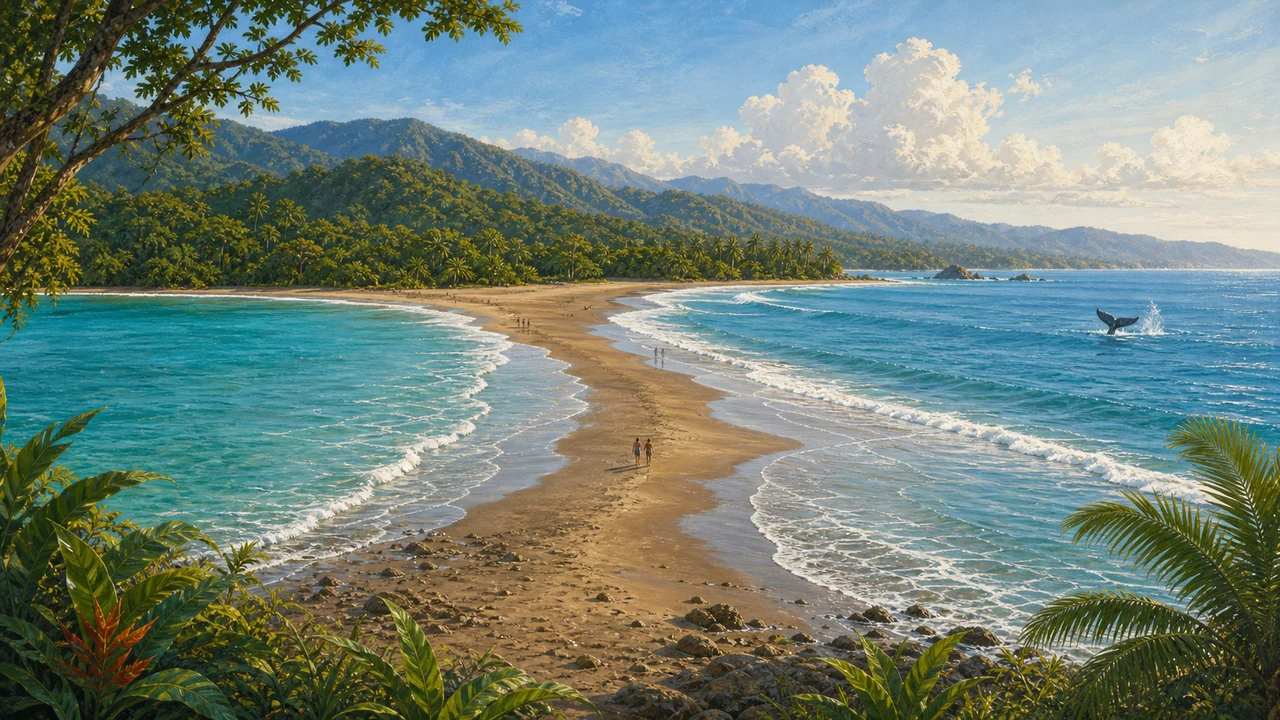
Marino Ballena National Park, tucked along Costa Rica’s South Pacific coast near the village of Uvita, protects one of the most ecologically rich stretches of coastline in the country — and gifts visitors with an experience found almost nowhere else on Earth: watching humpback whales breach just offshore while standing on a beach that is itself shaped like a whale’s tail.
Created to safeguard the marine resources of the Southern Pacific Region from overfishing and unplanned coastal development, the park encompasses open ocean, rocky islets, coral reefs, mangrove patches, and sandy beaches from the high-tide mark seaward. It is a place for divers, snorkelers, whale watchers, beachcombers, and anyone who simply wants to experience the wild South Pacific without the crowds found further north.
The Whale’s Tail Sandbar
The park’s signature landmark is the Cola de Ballena — the Whale’s Tail — a natural tombolo (a sandbar connecting the shore to an offshore feature) that extends from Playa Uvita and curves outward into the Pacific in a shape that uncannily mimics the fluke of a whale. At low tide you can walk the entire sandbar, with warm, shallow water lapping on both sides and the open ocean stretching ahead of you. It is one of those rare natural phenomena that looks better in person than in photographs.
The effect is best appreciated from above: the surrounding hilltops and aerial tours reveal the full whale-tail outline framed against deep blue water. Arriving at low tide is essential — the sandbar submerges at high tide, so pick up a local tide table or ask at your hotel before heading out.
Humpback Whale Watching
Marino Ballena is one of the best places on the planet to observe humpback whales — not because they merely pass through, but because the park sits at an extraordinary geographic coincidence. Two separate humpback whale populations converge here: Northern Hemisphere humpbacks migrate south from the North Pacific, while Southern Hemisphere humpbacks travel north from Antarctic feeding grounds. The result is an almost year-round whale season with two distinct peaks.
- July through November — Southern Hemisphere humpbacks (peak around August–October)
- December through April — Northern Hemisphere humpbacks (peak around January–March)
During these seasons, licensed whale-watching boat tours depart from Uvita and nearby Bahía and offer close-up views of breaching, tail-slapping, and socializing whales. Outside of peak months, whales are less reliable but still occasionally seen. Tour operators are well established in Uvita; choose one that follows responsible wildlife-watching guidelines and maintains a respectful distance from the animals.
Beyond humpbacks, the park is home to bottlenose dolphins, common dolphins, and occasional spinner dolphins throughout the year. Sperm whales and melon-headed whales have also been recorded in deeper offshore waters.
Snorkeling, Diving, and Marine Life
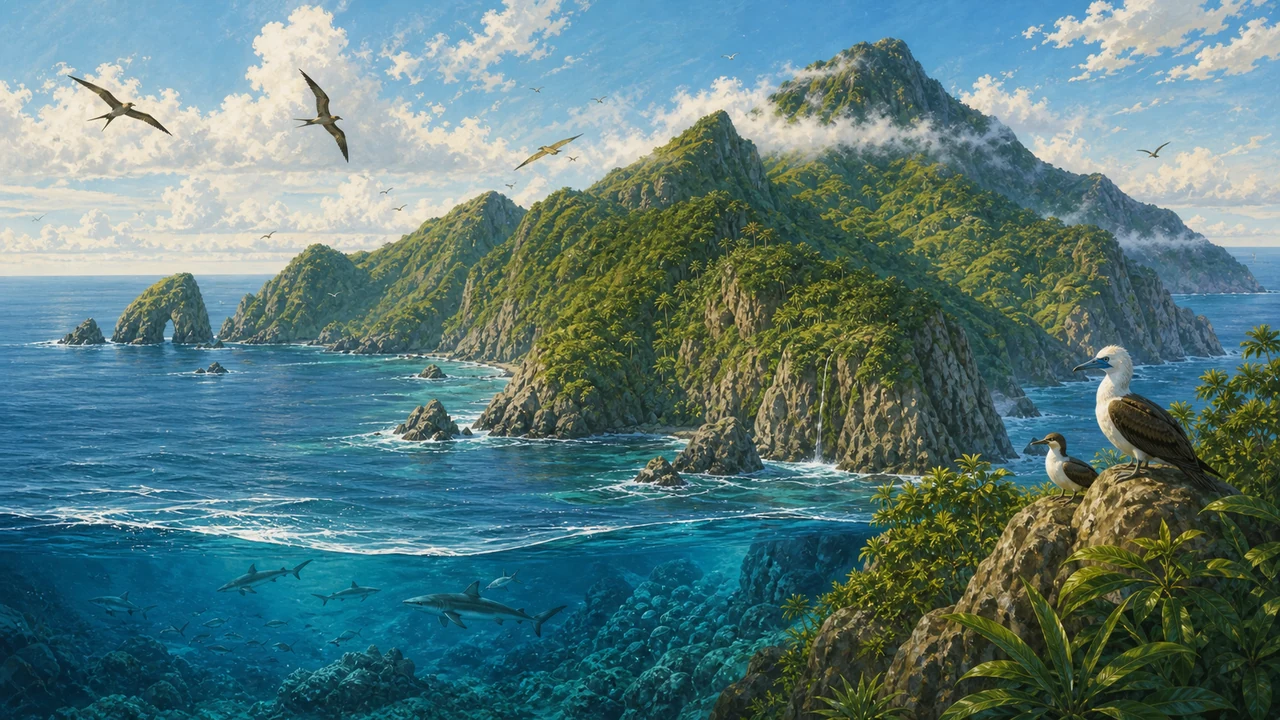
Below the surface, Marino Ballena reveals a world of rocky reefs, coral formations, and abundant sea life. Isla Ballena and the Tres Hermanas rocks — three small rocky outcrops inside the park — are among the South Pacific’s most rewarding dive sites, with walls, caverns, and hard coral gardens that shelter large schools of fish, sea turtles, rays, and the occasional reef shark.
Snorkelers don’t need to venture far from shore to find good reefs. Several rocky points within the park boundary offer shallow snorkeling and tide-pooling, making the marine experience accessible even to families with young children. Water visibility is generally at its best during the dry season (December through April), though diving takes place year-round.
Beaches Within the Park
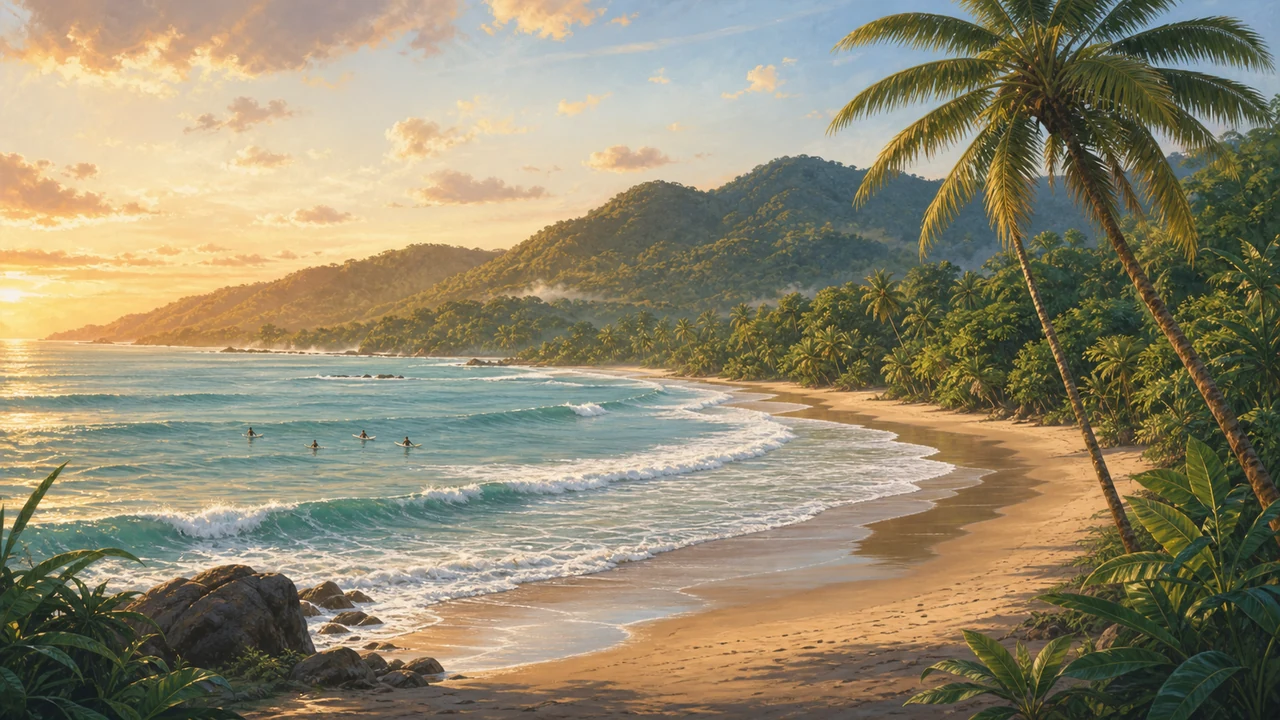
The park’s beaches are among the least developed on Costa Rica’s Pacific coast — a genuine rarity. Playa Uvita anchors the northern end, where the Whale’s Tail sandbar begins. Heading south, Playa Ballena and Playa de Arco are quieter stretches backed by palm trees and jungle, with no major development pressing against them. All are protected within park boundaries, which means no vendors, no jet skis, and no construction — just sand, surf, and wildlife.
Swimming conditions vary by season and location. The South Pacific coast can have strong currents and surf during the rainy season (May through November), so observe posted warnings and swim in front of the ranger station when in doubt.
Wildlife Beyond the Sea
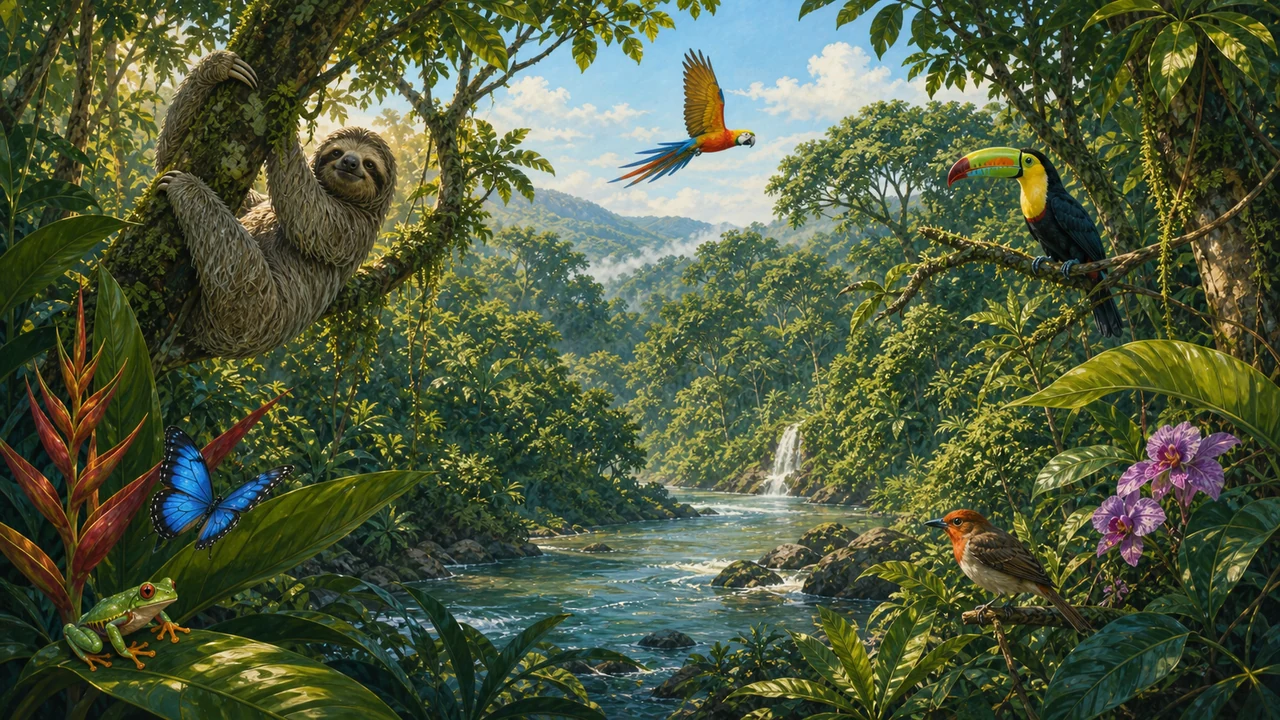
The coastal environment transitions into tropical forest along the park’s inland edge, creating habitat for terrestrial wildlife alongside the marine attractions. Iguanas and ctenosaurs bask on rocks and sandy banks. The birdlife is excellent for a coastal park: frigatebirds patrol the air above the beach, brown pelicans skim the wave-tops, and white ibis probe the mangrove edges. Keen observers may spot yellow-headed caracaras, kingfishers, and various herons along the forest fringe.
Sea turtles nest on park beaches, with olive ridley turtles the most frequently encountered species. Rangers monitor nesting activity, and nighttime turtle tours are sometimes organized during peak nesting periods — ask the park station for current information.
Practical Information
The main park entrance is at Uvita, approximately 190 km south of San José along the Costanera Sur highway (Route 34). The drive takes about three hours and is straightforward on this well-maintained coastal road. Dominical, about 16 km to the north, offers additional lodging, restaurants, and tour operators serving the park.
The ranger station in Uvita is the starting point for most visits. Staff provide maps, trail information, and tide schedules. Restrooms and drinking water are available on site. Entrance fees are charged per person; the current rate is set by SINAC (Costa Rica’s national park system) and changes periodically — confirm the fee when you arrive or check the SINAC website before your visit.
The South Pacific receives significant rainfall from May through November, which keeps the landscape lush but can bring heavy afternoon storms. Pack a rain jacket, reef-safe sunscreen, and water shoes if you plan to snorkel or walk the sandbar. A hat and plenty of water are essential during the dry season, when midday sun is intense.
For a broader exploration of Costa Rica’s protected lands — which cover more than a quarter of the national territory — see the national parks overview. Pair a Ballena visit with nearby Corcovado National Park for a full South Pacific adventure, or explore the ecotourism and nature resources that make Costa Rica one of the world’s top conservation destinations. General travel tips for Costa Rica will help you plan the logistics of your visit.
Frequently asked questions
When is the best time to see humpback whales at Marino Ballena?
Humpback whales visit during two distinct seasons — roughly July through November (Southern Hemisphere humpbacks) and December through April (Northern Hemisphere humpbacks). This gives Marino Ballena one of the longest whale-watching windows of any destination in the world.
What is the Whale's Tail and when can I walk on it?
The Whale's Tail (Cola de Ballena) is a natural sandbar that extends from Playa Uvita and curls into a distinctive whale-tail shape, visible from the air and from hilltop viewpoints. You can walk out onto it at low tide; check local tide tables before your visit, as it disappears under water at high tide.
What marine life can I see while snorkeling in the park?
The park's rocky reefs and Isla Ballena host reef fish, sea turtles, rays, dolphins, and occasionally whale sharks. Humpback whales are the star attraction when in season, and bottlenose and common dolphins are spotted year-round.
How do I get to Marino Ballena National Park from San José?
The park entrance at Uvita is roughly 190 km south of San José via the Costanera Sur coastal highway (Route 34), a scenic drive of about three hours. Shared shuttles and buses serve the Dominical–Uvita corridor from San José and major tourist hubs.
Is there an entrance fee and what facilities are available?
The park charges an entrance fee payable at the ranger station; fees are set by SINAC and subject to change, so confirm the current amount before you go. On-site facilities include ranger information services, marked trails, restrooms, and drinking water.