Costa Rica tourism guide for beaches, national parks, volcanoes, ecotourism, culture, adventure, travel tips, routes, airports and vacation planning.
Welcome to Costa Rica!
Costa Rica is one of the most complete travel destinations in Latin America: a compact country where tropical beaches, active volcanoes, rainforest, cloud forest, wildlife refuges, coffee highlands, rural towns, museums, adventure tours and warm pura vida culture sit within reach of one another. This homepage is a practical starting point for Costa Rica tourism planning, whether you are organizing a first vacation, returning for a deeper route, comparing regions, or trying to understand why this small Central American country has become such a lasting favorite among nature travelers.
Older travel directories sometimes linked to tourism.co.cr with labels such as Costa Rica Naturally, Costa Rica Tourism, or references to national tourism resources. The purpose of this guide is simple: preserve a useful, independent map of the country’s main travel themes and point visitors toward detailed pages about ecotourism, beaches, volcanoes, art and culture, activities and sports and traveling to Costa Rica.
Costa Rica combines biodiversity, political stability, conservation, accessible travel infrastructure and a culture of hospitality. That mix is what makes the country feel larger than its map.
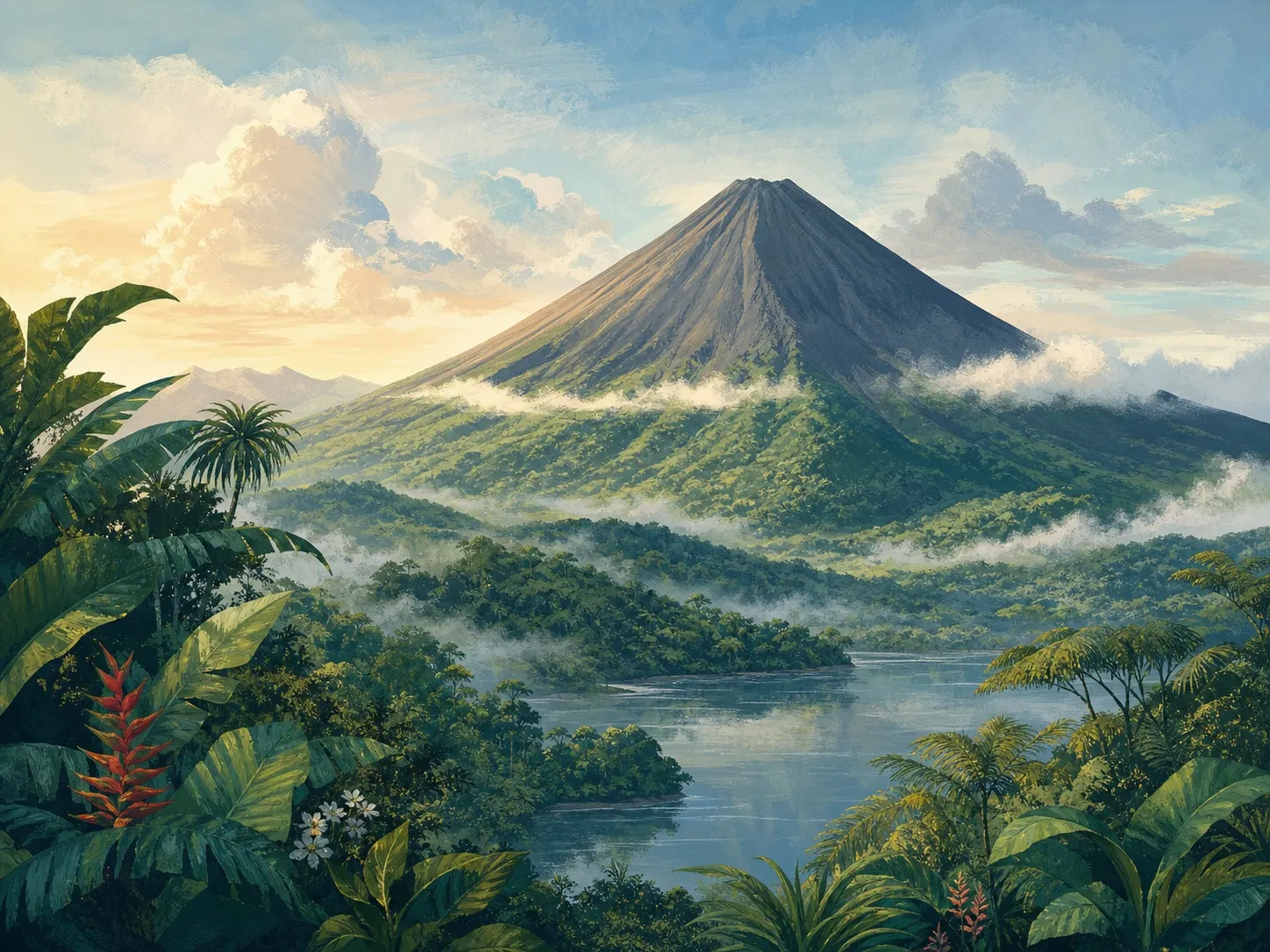
Costa Rica sits between the Pacific Ocean and the Caribbean Sea, linking North and South America through a narrow tropical bridge. That location gives the country an extraordinary concentration of ecosystems: dry forest in Guanacaste, cloud forest in Monteverde and the Central Highlands, rainforest on the Caribbean slope and Osa Peninsula, mangroves along both coasts, volcanic ranges through the interior, and beaches with very different personalities from north to south.
For travelers, the advantage is not just variety. It is proximity. In a single trip you can watch sunrise over a volcano, hike through forest, see monkeys in a national park, cross a mountain pass, and end the day near the ocean. A first Costa Rica vacation often works best when it combines two or three complementary regions rather than trying to see the whole country at once.
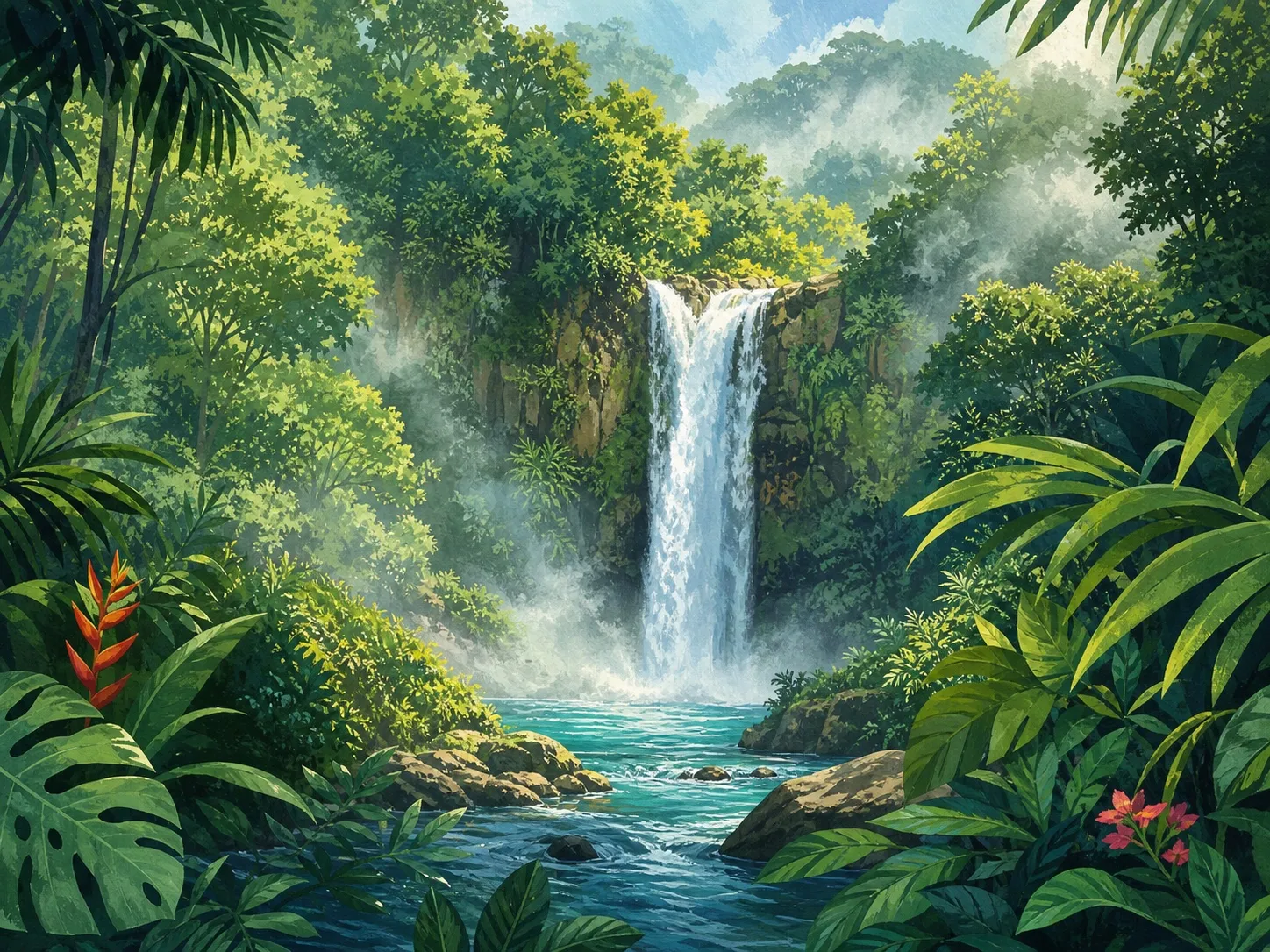
The country is especially strong for nature-based travel. Costa Rica protects a significant portion of its territory through national parks, wildlife refuges, biological reserves, wetlands and private conservation projects. That network supports birdwatching, turtle nesting, rainforest hiking, whale watching, volcano visits, canopy tours, rafting, snorkeling and wildlife photography.
The best destination depends on the kind of trip you want.
Guanacaste and the North Pacific are known for sunny weather, wide beaches, resort areas, sport fishing, sailing, surfing, dry forest, volcano day trips and easy access through Liberia’s Daniel Oduber International Airport. Tamarindo, Playas del Coco, Papagayo, Nosara, Sámara and nearby national parks make the region a natural choice for beach-focused vacations.
The Central Valley is the arrival point for many visitors flying into Juan Santamaría International Airport. It includes San José, Heredia, Alajuela and Cartago, with access to museums, coffee tours, historic churches, markets, restaurants and volcanoes such as Poás and Irazú.
Arenal and the Northern Highlands are popular for active travelers who want volcano views, hot springs, hanging bridges, waterfalls, rafting, mountain biking and rainforest lodges. The area around La Fortuna works well for families, couples and first-time visitors because it offers many activities in a compact radius.
Monteverde and the cloud forests are cooler, mistier and quieter. Travelers come for suspension bridges, night walks, birdwatching, orchids, quetzals, conservation history and a mountain atmosphere that feels different from the coasts.
The Central Pacific and Manuel Antonio combine accessible beaches, rainforest, wildlife and good road connections from San José. Manuel Antonio National Park remains one of the easiest places to see monkeys, sloths and coastal forest in a single day.
The Caribbean coast has a distinct rhythm shaped by Afro-Caribbean culture, calypso, coconut-based cuisine, Indigenous Bribri and Cabécar communities, rainforest and coral reef. Cahuita, Puerto Viejo, Punta Uva, Manzanillo and Tortuguero reward travelers who want a cultural and natural contrast to the Pacific.
The South Pacific and Osa Peninsula are for travelers seeking wilder rainforest, marine life and lower-density tourism. Corcovado National Park, Drake Bay, Uvita, Dominical and Golfo Dulce are among the richest nature areas in the country.
Costa Rica’s reputation was built on conservation. The country recognized earlier than many destinations that forests, rivers, reefs and wildlife were not just scenery but national assets. That decision shaped the tourism model: guides, lodges, parks, private reserves and rural communities developed around the idea that visitors come to experience living ecosystems.
For a first nature itinerary, choose a mix of habitats. A simple route might pair a Central Valley volcano with Manuel Antonio and Monteverde. A more adventurous route might combine Tortuguero, Arenal and the Caribbean. A wildlife-focused trip might prioritize Corcovado, Carara, Palo Verde, Sarapiquí or the cloud forests. Birdwatchers can build a full journey around elevation changes, moving from coastal mangroves to mid-elevation forest and highland reserves.
Ecotourism also asks travelers to make good choices. Use local guides when possible, stay on marked trails, respect park rules, avoid feeding wildlife, reduce plastic, and choose operators that treat conservation as more than a marketing word. Costa Rica rewards slower travel: the best sightings often happen when you pause, listen and let the forest reveal itself.
Costa Rica’s two coastlines give travelers very different beach experiences. The Pacific is larger, more developed and varied, with surf towns, resort zones, fishing marinas, dry-forest beaches and dramatic green coves. The Caribbean is more compact and culturally distinct, with rainforest close to the water, coral reef near Cahuita and Manzanillo, and a relaxed village rhythm around Puerto Viejo.
Adventure travel is one of the country’s strengths. Popular activities include surfing, whitewater rafting, ziplining, hiking, horseback riding, mountain biking, fishing, diving, snorkeling, kayaking, canyoning, birdwatching and night tours. The right region depends on the activity: Guanacaste for sunny beach time and sailing, Arenal for hot springs and adventure parks, Pacuare and Sarapiquí for rafting, Osa for rainforest wildlife, and the Nicoya Peninsula for surf and wellness.
Costa Rica tourism is often introduced through nature, but the country’s culture gives the trip its deeper texture. San José holds the National Theater, museums, markets, historic neighborhoods, coffee shops and galleries. Cartago preserves religious traditions and colonial history. Guanacaste carries sabanero cowboy culture, marimba, folkloric dance and the legacy of the Nicoya Peninsula. The Caribbean coast adds Afro-Caribbean food, music and language. Indigenous communities preserve knowledge, art, cacao traditions and territorial ties that predate the modern republic.
The phrase pura vida is more than a slogan. It expresses a national style of warmth, patience and appreciation for everyday life. Travelers notice it in small interactions: directions from a shopkeeper, a guide’s enthusiasm, a family soda, a local festival, or the easy habit of taking time to enjoy a view.
Most international travelers arrive through Juan Santamaría International Airport near San José or Daniel Oduber International Airport in Liberia. Choose the airport that fits your route: San José is practical for the Central Valley, Caribbean, Arenal, Monteverde and Central Pacific; Liberia is ideal for Guanacaste and much of the North Pacific.
The dry season on much of the Pacific side usually runs from December to April, while the green season from May to November brings lusher landscapes and afternoon rains. The Caribbean has different rainfall patterns, so check region-specific advice before deciding. Road distances can feel longer than they look on a map because of mountains, curves, traffic and weather. A better itinerary has fewer stops and more time in each place.
Before traveling, review Costa Rica travel tips, entry requirements, transportation choices, park reservations and local weather. Bring lightweight clothing, comfortable walking shoes, rain protection, sun protection, insect repellent, a reusable water bottle and patience for tropical logistics.