Costa Rica Coffee: Regions, Tours & the Bean-to-Cup Story
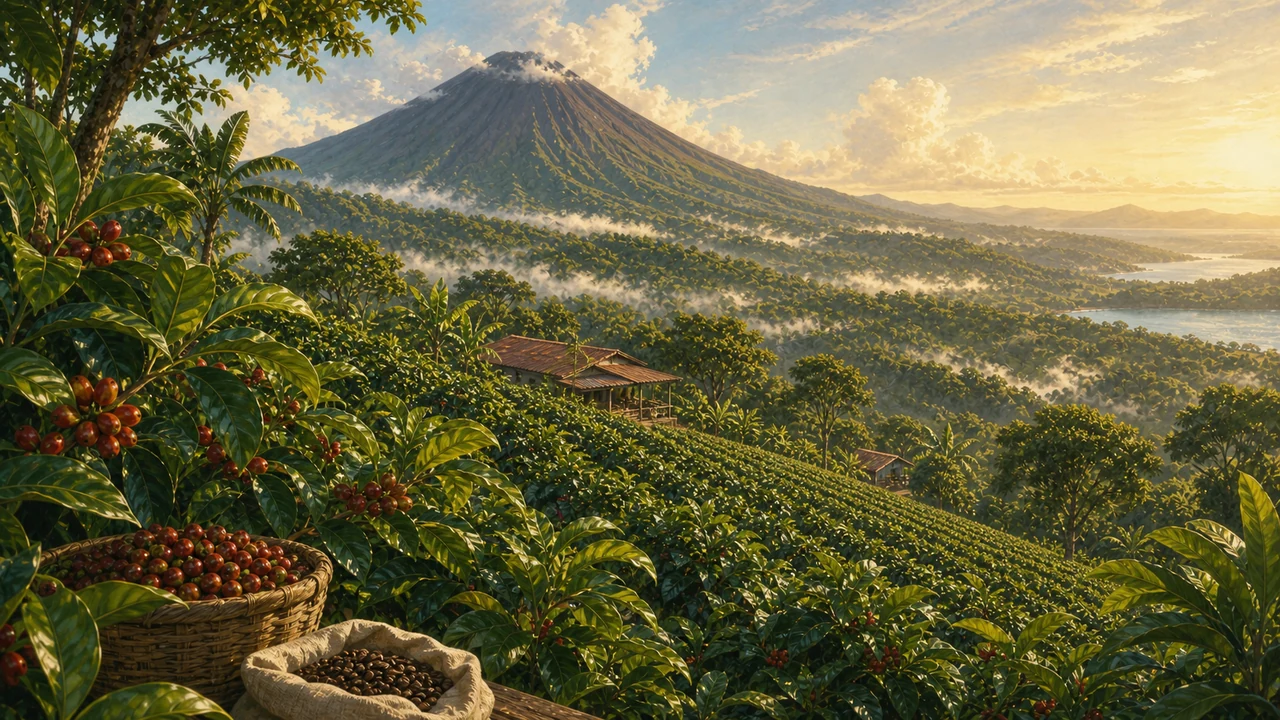 Costa Rica has been growing coffee since the early nineteenth century, and the country's reputation for exceptional beans has only deepened with time. Long before ecotourism and tech investment put this small nation on the world map, coffee was its engine — shaping its economy, its landscape, and the daily rhythms of life for hundreds of thousands of Ticos.
Today, specialty-grade Costa Rican coffee is sought by roasters and cafés from Tokyo to New York. Yet the best way to understand what makes it extraordinary is to visit the farms, meet the producers, and taste a freshly brewed cup in the mountains where it was grown.
A History Rooted in the Land
Costa Rica was the first Central American country to cultivate coffee commercially, beginning in the early 1800s. The government at the time actively encouraged production, even offering free land to anyone willing to plant coffee bushes. By mid-century, coffee exports had become the primary source of national income, funding public institutions, roads, and the famed National Theater in San José.
The wealth generated by the golden bean era of Costa Rican agriculture shaped a uniquely egalitarian coffee culture. Unlike some neighboring countries where large haciendas dominated, Costa Rica developed a model built on smallholder farms and cooperative processing mills — a tradition that persists today and contributes directly to the consistency and traceability buyers expect from premium lots.
A pivotal decision came in 1989: Costa Rica became the first country to legally prohibit the cultivation of Robusta, requiring all growers to plant only Arabica varieties. That single policy decision enshrined quality over quantity and set the country apart at the specialty-coffee level.
The Growing Regions
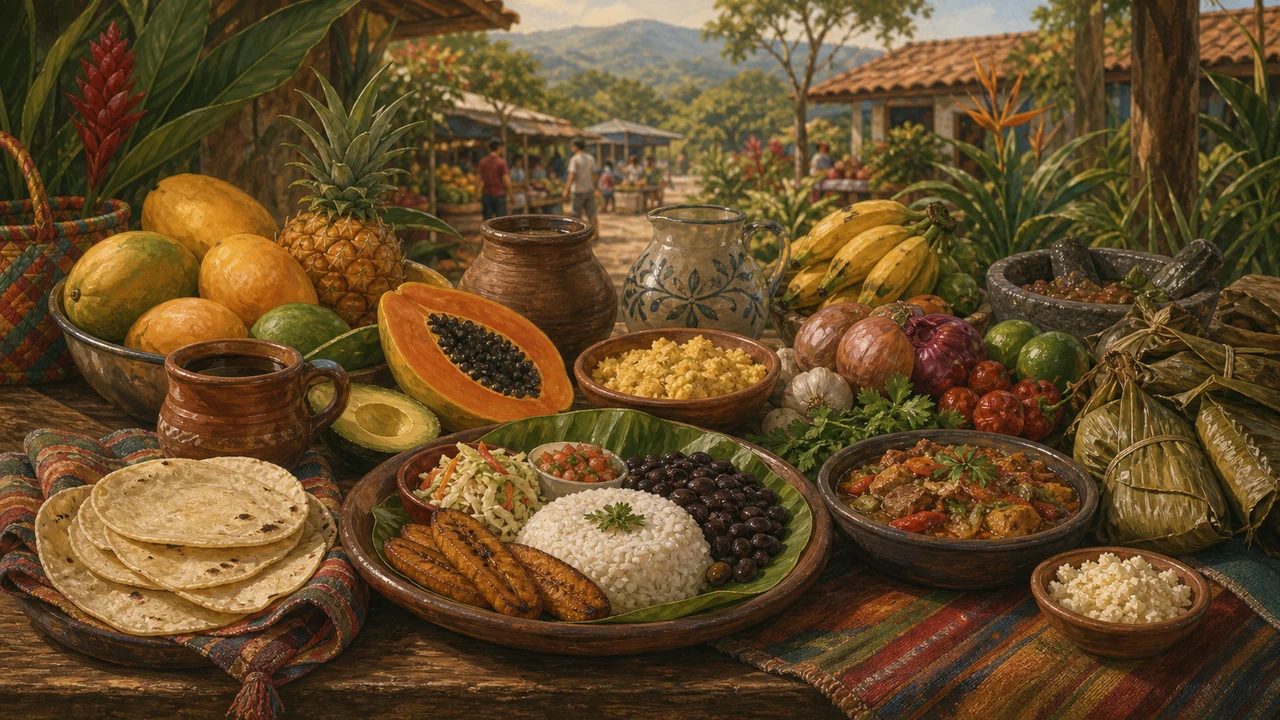 Costa Rica packs eight distinct coffee-growing zones into a country roughly the size of West Virginia. Each has its own microclimate, soil profile, and flavor signature.
Tarrazú is the most internationally recognized. Perched at altitudes between 1,200 and 1,900 meters in the Cordillera de Talamanca foothills, its farms produce beans prized for bright citric acidity, full body, and a clean, sweet finish. The nearby village of San Marcos de Tarrazú is the commercial hub of this legendary zone.
The Central Valley surrounding San José encompasses the provinces of Heredia, Alajuela, and Cartago. Coffee grown here benefits from rich volcanic soil and mild temperatures moderated by elevation. The area is home to many of the country’s largest cooperatives and some of its oldest producing families.
West Valley (Valle Occidental), covering parts of Alajuela and Puntarenas, is known for honey-processed and natural-processed coffees with fruity, sweet profiles. Tres Ríos, east of San José, produces small volumes of elegant, wine-like beans sometimes compared to African naturals. Further south, Brunca, Turrialba, and Orosi each contribute distinct cups shaped by Caribbean influence, lower altitude, or proximity to active volcanoes.
The diversity across these regions means that single-origin Costa Rican micro-lot coffees can range dramatically — from bright, floral Tarrazú lots to chocolatey, syrupy West Valley honeys — making exploration genuinely rewarding for the curious coffee traveler.
From Cherry to Cup: The Processing Story
 Costa Rica is a global pioneer in coffee processing innovation. The traditional **washed (wet) process** — where the fruit pulp is removed before fermentation and drying — has long defined the country's clean, bright cup profile. But in recent decades, Costa Rican mill operators have driven the rise of honey and natural processing in Central America.
Honey processing leaves varying amounts of the sticky fruit mucilage on the bean during drying, adding sweetness and body. Natural processing dries the whole cherry intact, producing intensely fruity, full-bodied cups. Yellow, red, and black honey coffees from Costa Rica are now benchmarks of the specialty-coffee world, and many small mills offer tasting flights comparing all three processing styles.
The harvest itself — running roughly October through February at most elevations — is done entirely by hand. Selective picking means only ripe red cherries are collected, often by the same families who have worked specific farms for generations. This labor-intensive approach is central to the flavor consistency buyers expect.
Coffee Tourism: Touring the Farms
For travelers, the bean-to-cup coffee farm experience in Costa Rica ranks among the most memorable agritourism activities available anywhere in the region. Farm tours typically last two to four hours and walk visitors through every stage: nursery, cultivation, selective hand-picking, wet milling, drying beds, dry milling, cupping, and espresso or pour-over preparation.
 Several farm tours have evolved into full agritourism operations with lodges, meals, and multi-day experiences. The Central Valley offers the easiest access — multiple certified farms lie within an hour of San José, making a half-day coffee tour a natural complement to a city visit. Deeper immersion is available in Tarrazú and the cloud forest valley of San Gerardo de Dota, where the combination of high altitude, quetzal habitat, and exceptional coffee makes for an unforgettable trip.
Many cooperatives also welcome visitors during harvest season for hands-on picking experiences. Contact regional tourism boards or ask at your hotel for current recommendations, as programs vary by season and farm availability.
Why Costa Rica Coffee Is World-Class
Several factors converge to make Costa Rica consistently competitive at the top of the specialty-coffee market:
- Altitude and climate: Most growing zones sit between 1,000 and 1,800 meters, with the cool nights and warm days that slow bean development and concentrate sugars and acids.
- Volcanic soils: Rich in minerals and well-draining, the soils of the Central Valley and Tarrazú provide ideal nutrition and drainage.
- Legal quality mandate: The 1989 Robusta prohibition means every bean produced in the country is Arabica — a foundation of quality no other country in the region has enforced as strictly.
- Cooperative infrastructure: Producer cooperatives provide smallholders with access to state-of-the-art wet mills, agronomic support, and export channels — quality assurance at scale.
- Innovation culture: Costa Rican mill operators led the adoption of honey and natural processing across Central America, keeping the country at the forefront of specialty trends.
Explore More: Coffee Market, Republic & Lovers
The world of Costa Rican coffee extends beyond the farm. San José’s café scene and specialty roasters have grown significantly, offering world-class espresso bars and cupping experiences. Direct-trade importers and cooperatives make it possible to buy estate lots and support growers directly.
To go deeper, explore the sections below — covering the business of the Costa Rica coffee market, the culture and identity of the Costa Rica Coffee Republic, and practical guides for Costa Rica coffee lovers who want to find, taste, and bring home the very best.
Coffee is one thread in a rich national tapestry. While you’re planning your visit, explore Costa Rica’s ecotourism and nature for farm-adjacent rainforest adventures, check activities and sports for what to pair with a highlands coffee tour, or read our Costa Rica travel tips to plan your trip with confidence.
Frequently asked questions
Why is Costa Rica coffee considered among the best in the world?
Costa Rica's combination of volcanic soils, tropical altitude, two distinct seasons, and strict quality laws — including a ban on low-grade Robusta cultivation — creates ideal conditions for high-quality Arabica beans. The country also invests heavily in processing innovation, producing clean, bright, and complex cups consistently sought by specialty roasters worldwide.
What is the most famous coffee-growing region in Costa Rica?
Tarrazú, in the mountains south of San José, is Costa Rica's most celebrated coffee zone. High altitudes, cool temperatures, and rich volcanic soil produce beans known for their bright acidity, full body, and clean finish. Many of the country's award-winning micro-lots come from this region.
Can visitors tour a coffee farm in Costa Rica?
Yes — coffee farm tours are one of the country's most popular agritourism experiences. You can visit working plantations, follow the journey from cherry to roasted bean, and sample freshly brewed cups on-site. Tours are available in the Central Valley, Tarrazú, Naranjo, and other growing regions, often bookable through your hotel or a local tour operator.
When is the Costa Rica coffee harvest season?
The main harvest runs from roughly October through February, varying slightly by altitude and region. Picking is done by hand to select only ripe red cherries, and many farms welcome visitors during harvest to see the process firsthand.
Where is the best place to buy authentic Costa Rica coffee?
Specialty coffee shops in San José's Barrio Escalante and Boquete coffee-centric towns, producer cooperatives in growing regions, and dedicated coffee market stalls all offer excellent options. Buying directly from cooperatives or estate producers ensures freshness and supports the growers.