Guanacaste Real Estate: Buying Property on the Gold Coast
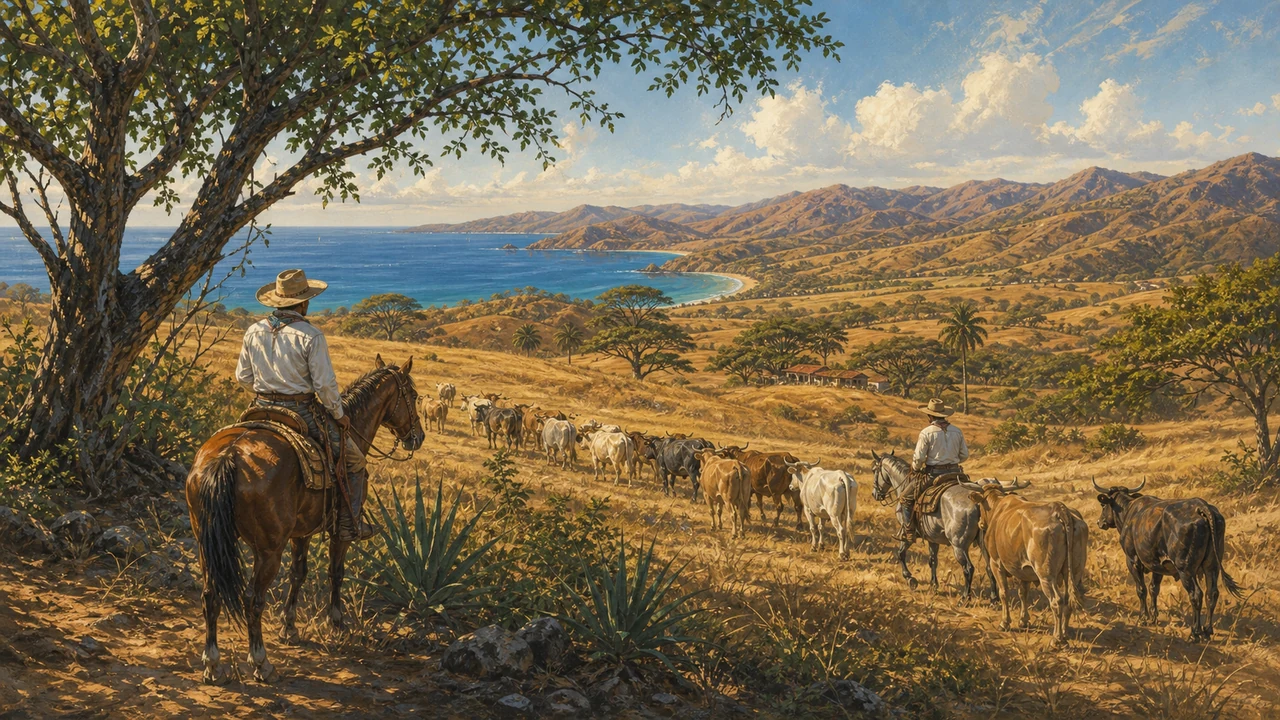 Guanacaste real estate is the most sought-after coastal market in Costa Rica, drawing buyers from North America and Europe with the promise of year-round sunshine, world-class beaches, and a well-developed infrastructure that few other tropical destinations can match. Known as Costa Rica’s “Gold Coast,” this northwest Pacific province has evolved from a cattle-ranching frontier into a diverse property market that spans luxury beachfront villas, vacation-rental condos, golf community homes, and affordable lots — all within reach of direct international flights.
Whether you are hunting for a vacation home that pays for itself through rentals, a retirement residence near the ocean, or a long-term investment in one of Central America’s most stable economies, Guanacaste offers a range of options that few comparable markets can. This guide covers the key areas, the property types available, the practical considerations every buyer should know, and what makes this province stand out within the broader landscape of Costa Rica real estate.
Why buy real estate in Guanacaste
Several factors converge to make Guanacaste the leading coastal real-estate market in Costa Rica:
Direct international access. Daniel Oduber International Airport in Liberia (airport code LIR) receives non-stop flights from multiple US and Canadian gateway cities. Buyers can land within a short drive of the beach without connecting through San José — a significant convenience factor that directly supports strong foreign demand and healthy short-term rental occupancy rates.
Climate and sunshine. Guanacaste sits within a tropical dry forest zone, making it the sunniest and driest part of Costa Rica. The dry season (roughly December through April) brings consistently clear skies and low humidity — exactly the conditions that drive peak tourism and vacation-rental demand. Even during the rainy season, mornings are typically sunny, and the green landscape makes the province lush and scenic.
Established market depth. Because foreign buyers have been active in Guanacaste for decades, the market has real liquidity. There are experienced local real-estate agents, bilingual attorneys familiar with cross-border transactions, reputable escrow services, and a growing body of comparable sales data — all of which reduce the uncertainty inherent in buying abroad.
The Blue Zone effect. The southern portion of Guanacaste borders the Nicoya Peninsula, one of the world’s five recognized Blue Zones where people live exceptionally long, healthy lives. This international recognition draws health-conscious buyers and retirees who want to embed themselves in a culture and environment associated with longevity — adding a lifestyle dimension that extends well beyond property prices.
Location, climate and lifestyle
Guanacaste occupies the northwest corner of Costa Rica, bordering Nicaragua to the north and the Pacific Ocean to the west. Liberia, the provincial capital, serves as the region’s commercial and transport hub. The province is large and internally diverse: the northern and central coast is dotted with beach towns separated by headlands and estuaries, while the interior remains cattle country with open savannas, rolling hills, and the traditional sabanero (cowboy) culture that defines Guanacaste’s identity.
The climate is the province’s most marketable feature. Average high temperatures hover around 30–32°C (86–90°F) on the coast, humidity is lower than elsewhere in Costa Rica during the dry season, and rainfall is concentrated in afternoon showers from May through November rather than sustained overcast weather. For buyers from northern climates, this is paradise — reliable sun, warm water, and dramatic dry-season golden light that inspired the “Gold Coast” nickname.
Lifestyle varies by town but generally blends outdoor recreation, expat community life, and Costa Rica’s easy-going pura vida culture. Surfing anchors the culture in Tamarindo, Nosara, and Avellanas. Sport fishing is a major draw throughout the Gulf of Papagayo and along the northern Nicoya coast. Yoga, wellness, and holistic health define Nosara in particular. Golf, fine dining, and resort-level amenities characterize Peninsula Papagayo. And across the region, a strong expat community of North Americans and Europeans has created English-language services, international schools, and a social scene that eases the transition for new arrivals.
Visitors exploring the Costa Rica beaches of the province will quickly see why so many people who come for a week return to buy a home.
Where to buy: top areas in Guanacaste
 Guanacaste is not a single market — it is a collection of distinct beach communities, each with its own character, price range, and buyer profile.
Tamarindo and Playa Langosta
Tamarindo is the province’s most internationally recognizable surf town and one of the most active real-estate markets in all of Costa Rica. A well-developed grid of restaurants, shops, surf schools, and services makes it easy to live here full-time, while the town’s reputation and airport proximity drive strong short-term rental demand. Playa Langosta, immediately to the south, is quieter and more residential. Both areas offer condos, townhomes, and standalone houses at a wide range of price points.
Playa Flamingo, Potrero, and Conchal
This cluster of communities north of Tamarindo represents some of the most desirable upscale real estate on the coast. Playa Flamingo has a natural deep-water bay historically associated with sportfishing and now increasingly home to luxury condominiums and marina-adjacent development. Reserva Conchal is one of Costa Rica’s most prestigious gated golf communities, anchored by a Westin resort and an 18-hole golf course, attracting buyers seeking full-resort amenities with titled fee-simple ownership.
Playas del Coco and Playa Hermosa
The Papagayo Gulf communities — Coco, Hermosa, and nearby Ocotal — offer some of the most affordable coastal entry points in Guanacaste. Playas del Coco functions as a working town with strong local character, reliable services, and a large expat population. These areas appeal to buyers who want convenient access to Liberia (roughly 30–35 km) without the price premium of the more touristy beach towns to the south.
Peninsula Papagayo
The Peninsula Papagayo is Guanacaste’s luxury tier, home to major international resort brands and some of the highest-end branded residences in the country. Development here is carefully controlled, lots are large, and properties command significant premiums. Hacienda Pinilla, another celebrated golf and equestrian community south of Tamarindo, offers a comparable level of amenity in a slightly different setting.
Nosara and Sámara
These Nicoya Peninsula communities sit further south and are reached by a longer drive from Liberia, which has historically kept prices somewhat lower and preserved a more intimate feel. Nosara has built an international reputation as a world-class yoga and surf destination, with a vocal community committed to responsible development and environmental preservation. Sámara is quieter and increasingly popular with families and long-term expats who want a genuine small-town feel without sacrificing safety or services.
Types of property available
The Guanacaste market offers a wide spectrum of property types to match different goals and budgets:
- Beachfront and ocean-view condos — the most common entry point for first-time buyers, ranging from studio units in established complexes to larger penthouse residences with full resort-style amenities.
- Luxury villas and single-family homes — freestanding homes on titled lots, from modest residences in established neighborhoods to architect-designed villas with infinity pools and panoramic ocean views.
- Gated community and golf community homes — planned developments with shared security, amenities, and HOA services. Reserva Conchal and Hacienda Pinilla are the most prominent examples, though smaller gated communities exist throughout the province.
- Lots and land — raw or partially developed titled lots for buyers who want to build custom. Verify water availability, road access, and permitting capacity before purchasing land anywhere in the dry northwest.
- Small hotels and commercial properties — boutique hotels, bed-and-breakfasts, and commercial parcels suited to hospitality or mixed-use development.
Investment and rental potential
Guanacaste’s tourism economy is the foundation of its investment case. The province receives a substantial share of Costa Rica’s international visitors, concentrated in the December–April peak season when occupancy rates for well-managed vacation rentals are consistently high. Properties in established beach towns with good management — or within resort communities that provide professional rental programs — can generate meaningful income.
A few realities worth noting: proximity to the beach, quality of construction, and reliable rental management matter enormously for income performance. Properties further from the water or in areas with weaker brand recognition may take longer to fill during shoulder season. And like any tourism-dependent market, performance reflects broader travel trends.
The long-term investment case rests on fundamentals that have been durable: growing international access, a stable political environment, low property-holding costs (annual tax at just 0.25% of registered value), and a lifestyle offer that remains compelling to a large pool of potential buyers.
Getting there and infrastructure
Getting to Guanacaste is straightforward for North American buyers. Daniel Oduber International Airport (LIR) in Liberia receives direct flights from major US hubs and Canadian cities, and the number of routes has grown substantially over the past decade as the market has matured. The typical flight from the eastern United States is around four to five hours, and many buyers treat Guanacaste as a practical distance from home — close enough for frequent visits, far enough to feel like another world.
Within the province, the primary Interamerican Highway (Route 1) runs from the Nicaragua border south through Liberia and connects to the coastal road networks. The coastal Route 21 serves the Gulf of Papagayo and northern beach towns. Road quality in main tourist corridors has improved significantly, though some access roads to more remote properties — particularly in the southern Nicoya — remain unpaved or require four-wheel drive during rainy season.
Services in Guanacaste’s established towns are well-developed by regional standards. Major supermarkets, private clinics, bilingual schools, and professional services (attorneys, accountants, property managers) are available in Tamarindo, Coco, and within easy driving distance of most communities. The CIMA and Clinica Biblica hospital networks in San José are a two-and-a-half to three hour drive for specialized care, and regional clinics handle routine medical needs. The Liberia area also has the public Enrique Baltodano Briceño Hospital.
One infrastructure consideration specific to the dry northwest: water availability. In a region without a rainy season that recharges local wells reliably, water supply relies on concessions, wells, ASADA associations, and municipal systems that can be strained by rapid development. Buyers — particularly those purchasing land or properties in fast-growing communities — should verify water concessions and supply reliability as part of their due diligence. A qualified attorney and engineer can review documentation and confirm rights before closing.
For a complete overview of how foreign ownership works in Costa Rica, including the Maritime Zone rules and step-by-step buying process, see the full Costa Rica Real Estate guide.
Frequently asked questions
Is Guanacaste a good place to buy real estate?
Guanacaste is Costa Rica's most active coastal real-estate market and consistently attracts strong foreign buyer interest. The combination of direct international flights into Liberia (LIR), a sunny dry-season climate, established expat communities, and high vacation-rental demand makes it one of the most liquid and accessible markets on the Pacific. Buyers should still engage an independent attorney and perform thorough due diligence, as in any international market.
Can foreigners buy beachfront property in Guanacaste?
Yes, with an important caveat. Costa Rica's Maritime Terrestrial Zone (Zona Marítimo Terrestre) governs the first 200 meters from the high-tide line. The first 50 meters are public land that cannot be owned by anyone. The next 150 meters are typically concession (leasehold) land administered by the local municipality, with restrictions on majority foreign ownership unless residency conditions are met. Fully titled beachfront property exists but is less common; always verify with an independent attorney whether a property is titled or concession before proceeding.
What are the most popular areas to buy real estate in Guanacaste?
The most active markets include Tamarindo and Playa Langosta for surf-lifestyle condos and vacation rentals; Playa Flamingo, Potrero, and Conchal for upscale gated communities and golf; Nosara and Sámara for wellness-oriented buyers and long-term expat residents; Playas del Coco and Playa Hermosa for more affordable entry points; and Peninsula Papagayo for the highest-end luxury resort properties and branded residences.
What is the Nicoya Peninsula Blue Zone and does it affect real estate?
The Nicoya Peninsula — the southern portion of the broader Guanacaste region — is one of only five recognized Blue Zones in the world, areas where residents regularly live into their 90s and 100s. The Blue Zone designation has raised international awareness of the area and supports sustained demand from health-conscious buyers and retirees seeking a longevity-friendly lifestyle. Towns like Nosara and Sámara, which sit within or near the peninsula, benefit from this reputation.
What is water availability like for properties in Guanacaste?
Guanacaste is Costa Rica's driest region, and water availability is a genuine consideration in some fast-growing communities. Buyers should verify that a property or development holds valid water concessions and that the local ASADA (rural water association) or municipal water utility can reliably supply the property. This is especially important for construction projects, agricultural parcels, and properties in areas that have seen rapid development. Your attorney and a qualified engineer can help confirm water rights as part of due diligence.