San José, Costa Rica — Capital, Culture & Day Trips
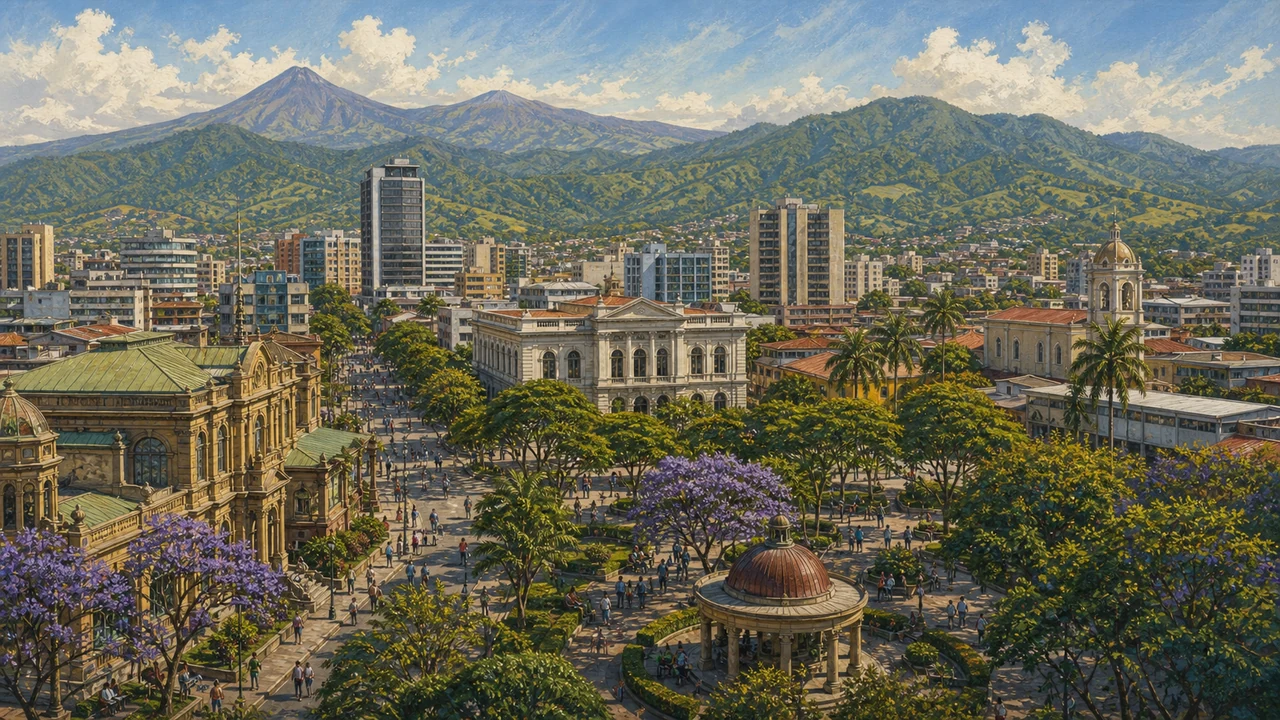 San José is both Costa Rica’s most populated province and the beating heart of the country’s Central Valley — a fertile highland basin cradled by volcanic peaks and green hills that make it one of the most scenic urban settings in Latin America. For most visitors arriving at Juan Santamaría International Airport, the province is the natural starting point of any Costa Rica adventure. Far from being just a transit stop, the capital rewards those who take the time to explore its museums, markets, and historic streetscapes.
The province extends well beyond the capital itself, pushing northeast across the rugged peaks of the Central Mountain Range — territory that encompasses protected forest reserves, high-altitude coffee country, and national parks you can reach on a half-day excursion.
The Capital City: History and Architecture
Founded in the first half of the eighteenth century, the city of San José grew into a cosmopolitan center fueled first by tobacco and then by the coffee boom of the nineteenth century. That prosperity left a remarkable architectural legacy. The northern neighborhoods of Barrio Amón and Barrio Otoya are lined with well-preserved Victorian-era mansions, art nouveau facades, and early-twentieth-century buildings with European flourishes filtered through a distinctly Costa Rican sensibility — a streetscape unlike anywhere else in Central America.
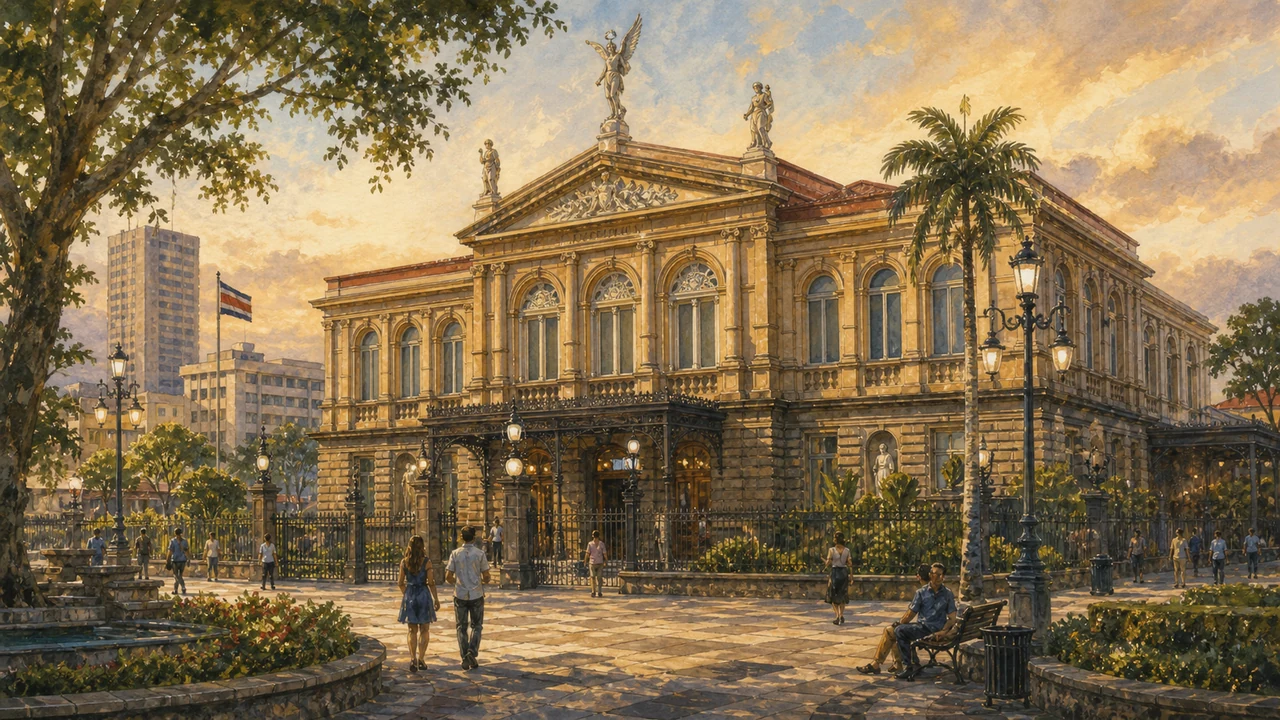 The crown jewel of the city’s architecture is undoubtedly the Teatro Nacional de Costa Rica (National Theater). Inaugurated in 1897, it was built through the determination of coffee merchants, intellectuals, and politicians who pooled export revenues to create a venue worthy of the world’s finest performers. The interior is breathtaking — painted allegorical ceilings, gilded balconies, white Carrara marble staircases, and a grand foyer that rivals the great opera houses of Europe. The theater remains an active performance venue and offers guided tours; a visit here is essential to understanding Costa Rican identity and national pride.
World-Class Museums in the City Center
San José punches well above its weight for a capital of its size when it comes to museums, and three stand out as genuinely unmissable.
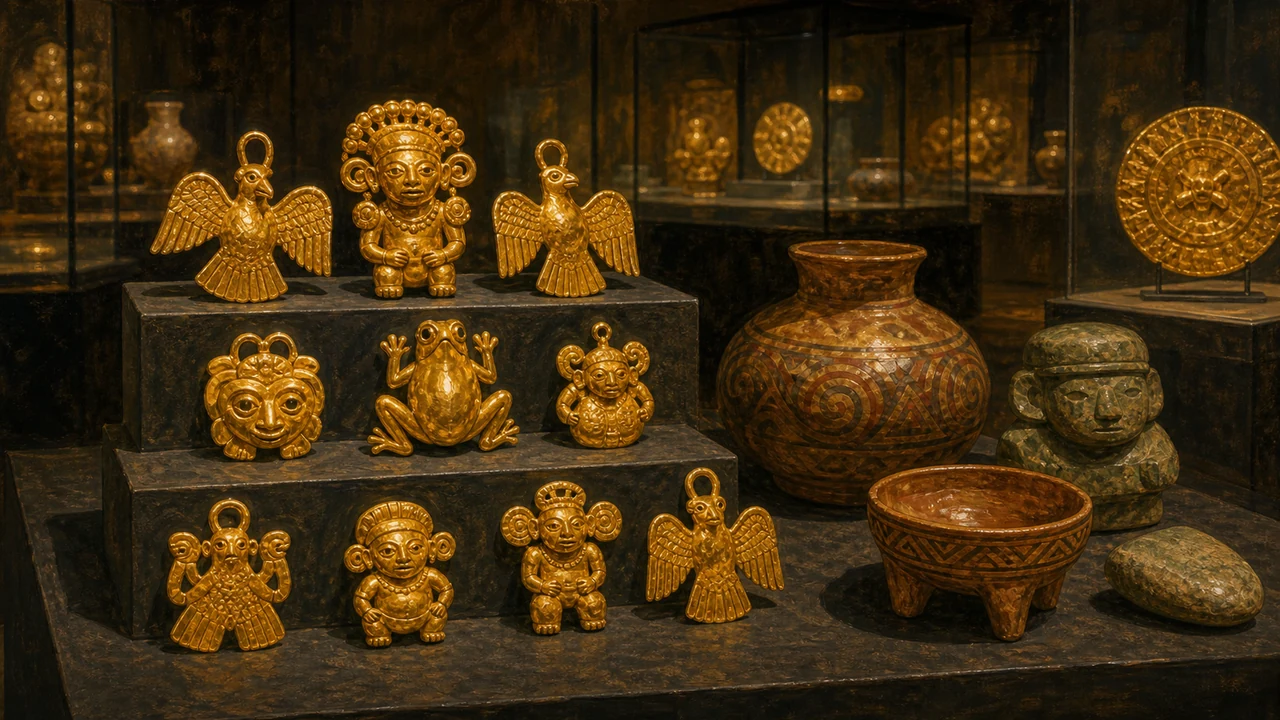 The Pre-Columbian Gold Museum (Museo del Oro Precolombino) sits beneath the Plaza de la Cultura in the heart of downtown and holds one of the largest collections of pre-Columbian gold artifacts in the Americas. More than 1,600 pieces trace the artistry and cosmology of indigenous cultures who inhabited this region for millennia before European contact — a genuinely awe-inspiring collection.
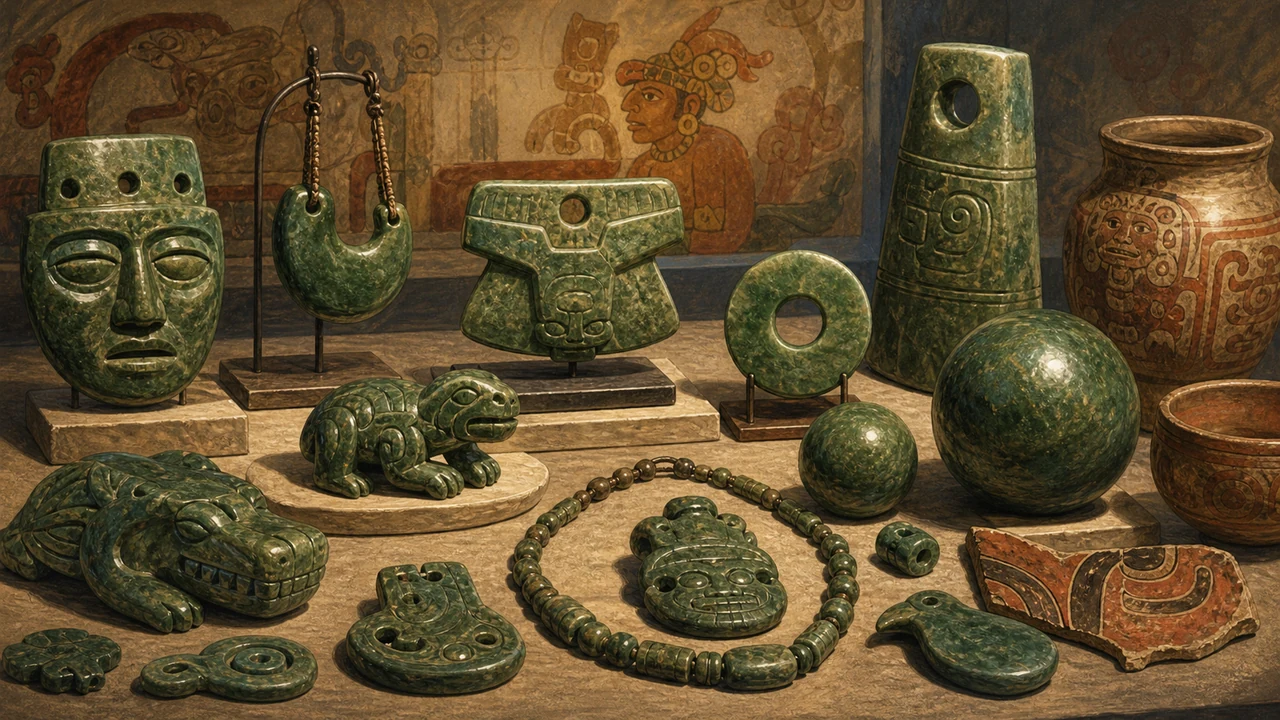 The Jade Museum (Museo del Jade) houses the world’s largest collection of pre-Columbian jade artifacts from Mesoamerica and Costa Rica, spread across five thematic floors of a modern building near Parque España. The turquoise-green ceremonial pieces — pendants, axes, figurines — represent a civilization that used jade as a symbol of life and power long before gold became currency. The museum’s contemporary design and bilingual interpretation make it ideal for all ages.
The National Museum of Costa Rica (Museo Nacional) occupies the historic Bellavista Fortress, whose bullet-scarred walls remain as a reminder of the brief 1948 civil war that led to the abolition of the army — a defining moment in the country’s history. The museum traces Costa Rican culture from pre-Columbian times to the present across archaeology, natural history, and colonial-era artifacts.
Neighborhoods: Escazú, Santa Ana, and Beyond
West of downtown, the municipalities of Escazú and Santa Ana form an upscale suburban corridor that has become home to a large international community, multinational companies, and a dining scene that ranges from traditional sodas to contemporary restaurants. Escazú in particular offers boutique hotels, English-language services, and easy access to quality private healthcare — one reason the broader San José metropolitan area is recognized as a leading destination for medical and dental tourism in Central America. Learn more about Costa Rica health tourism if that is part of your visit.
To the north of the city, the suburb of Tibás and the university town of San Pedro maintain a younger, more local vibe, centered around the University of Costa Rica and a lively café and bar culture.
Day Trips: Volcanoes and Coffee Country
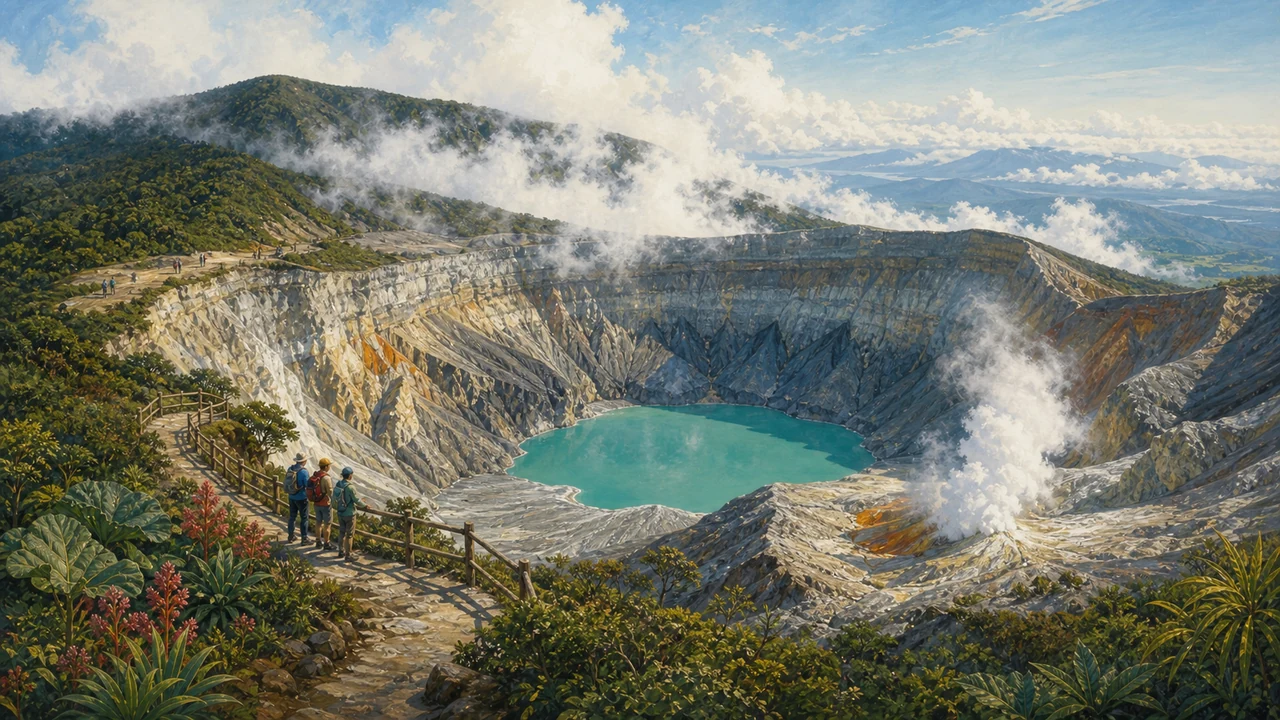 One of San José’s greatest assets is its central location, which puts several of the country’s most spectacular landscapes within easy reach. Two Costa Rica volcanoes make outstanding half-day excursions.
Poás Volcano — one of the world’s widest active craters — sits about 37 km north of the capital in the highlands of Alajuela province. On clear mornings, visitors can peer directly into the steaming turquoise-green crater lake from a paved viewing platform. The surrounding cloud-forest and strawberry farms make the drive itself scenic.
Irazú Volcano, rising to nearly 3,432 meters, is the tallest in Costa Rica and reachable from Cartago to the east. On a clear day the summit crater offers a rare dual-ocean view — Pacific to the west, Caribbean to the east — though clouds frequently roll in by mid-morning, so early departures are rewarded.
Beyond the volcanoes, the coffee highlands surrounding San José offer excellent coffee farm tours in the Central Valley where you can trace the full journey from flowering plant to finished cup. Costa Rica’s coffee heritage is rooted in this province, and several estates near Escazú, Santa Ana, and Heredia welcome visitors. For more on the region’s natural riches, explore Costa Rica ecotourism and nature or browse Costa Rica national parks.
Planning Your Time in San José
Most visitors treat the capital as a one-to-two-day destination bookending longer trips to the beaches or national parks. That’s entirely reasonable, but the city rewards those who give it proper attention. A well-paced itinerary might combine a morning at the Gold and Jade museums, an afternoon stroll through the Mercado Central and Barrio Amón, and an evening performance or dinner in Escazú.
For practical guidance on getting around, staying safe, and making the most of your time in the country, see Costa Rica travel tips. If you are thinking about a longer stay or property investment in the province, San José real estate covers the residential market across the capital and its surrounding cantons.
San José is the gateway through which almost every visitor enters Costa Rica — and for good reason. Explore it with curiosity, and it will surprise you.
Frequently asked questions
Is San José worth visiting as a tourist?
Absolutely. Beyond its role as an arrival hub, San José offers world-class museums (Gold, Jade, National Museum), a beautifully restored National Theater, vibrant food markets, and walkable historic neighborhoods. Allow at least a full day to explore the city center.
What are the best day trips from San José?
Poás Volcano and Irazú Volcano are the most popular, each reachable in under two hours. The colonial city of Cartago, coffee farms in the surrounding highlands, and white-water rafting on the Pacuare River are also excellent options from the capital.
Which San José neighborhoods are best for travelers?
Barrio Amón and Barrio Otoya in the north are the historic heart, with Victorian-era mansions converted into boutique hotels and galleries. Escazú and Santa Ana to the west are upscale suburban districts with international restaurants, shopping malls, and a large expat community.
What is the National Theater of Costa Rica?
The Teatro Nacional is Costa Rica's most celebrated cultural landmark, inaugurated in 1897 and funded by coffee-boom wealth. It hosts opera, ballet, symphony, and theater and is open for guided tours. The ornate interior — with painted ceilings, gilded balconies, and marble staircases — is a must-see.
How do I get from San José airport to the city?
Juan Santamaría International Airport (SJO) is in Alajuela, about 20 km northwest of downtown San José. Licensed taxis, Uber, and shuttle services operate around the clock. The drive typically takes 30–45 minutes depending on traffic.