Costa Rica National Parks Map & Guide
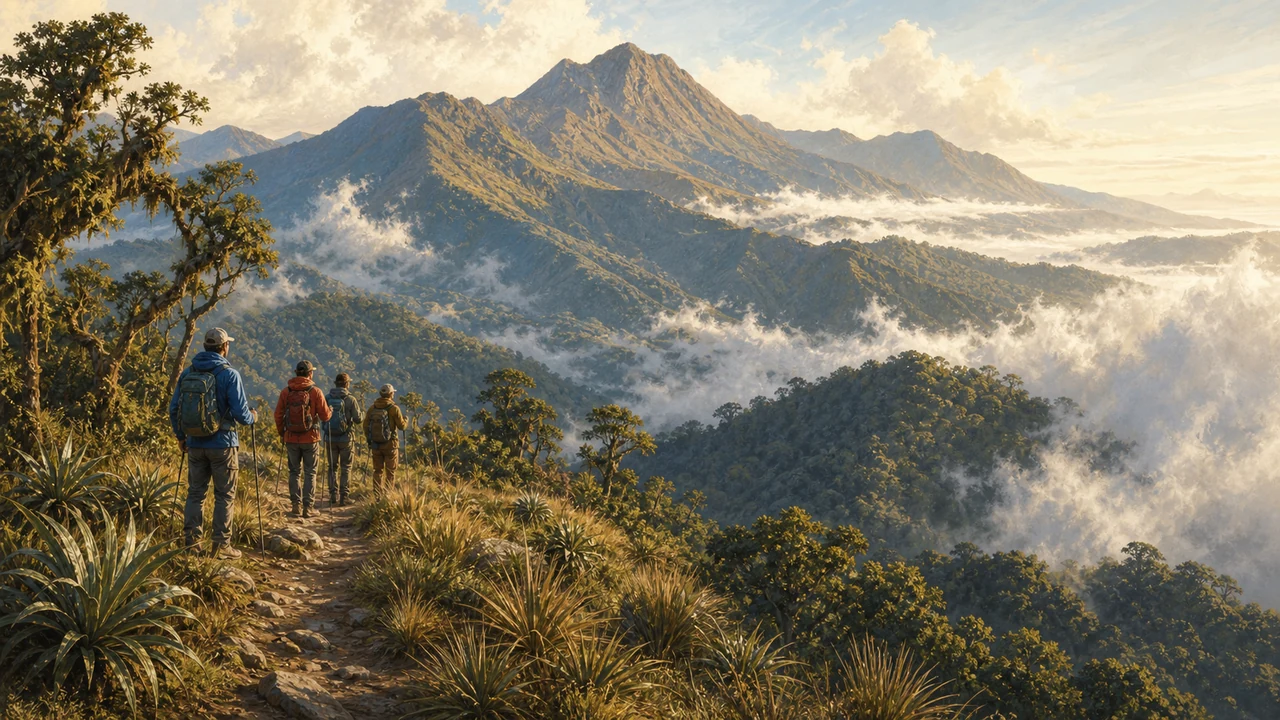
Costa Rica national parks protect a remarkable collection of rainforests, cloud forests, volcanoes, wetlands, beaches, coral reefs, islands, mangroves, dry tropical forest, and highland wilderness. For travelers, they form the natural map of the country: follow the parks and you can trace Costa Rica from the Caribbean canals of Tortuguero to the Pacific rainforest of Corcovado, from the active volcanic landscapes of Poas and Rincon de la Vieja to the marine habitats of Cahuita, Ballena, and Cocos Island.
This guide is designed as a practical starting point for planning a Costa Rica national parks route. It helps you understand where the major parks are, what each region is known for, and how to choose the right protected areas for wildlife, hiking, beaches, birding, family travel, photography, or a deeper ecotourism itinerary. For the broader conservation system, see the main Costa Rica protected areas guide, or use the Costa Rica map to connect parks with towns, airports, beaches, and travel corridors.
Legacy Costa Rica National Parks Map References
Some older travel, conservation, and academic resources still cite Tourism.co.cr through legacy URLs such as nationalparks.html or the old costarica.tourism.co.cr/nationalparks.html subdomain. Those references often point readers toward a Costa Rica national parks map, birding routes, or specific protected areas such as Gandoca-Manzanillo, Poas Volcano, and Diria National Park.
This updated guide preserves that intent while routing visitors into a more useful modern structure. Instead of a single outdated list, it connects national parks by region, habitat, wildlife value, and trip-planning purpose. Travelers looking for the old national parks page can now use this guide as the primary hub, then continue to individual park pages, the broader Costa Rica protected areas section, or the Costa Rica National Parks Map.
Costa Rica National Parks at a Glance
Costa Rica is small on a world map, but its protected areas are unusually diverse because the country rises quickly from two coastlines into volcanic ranges and cloud-forest highlands. A short drive can take you from sea level mangroves to cool mountain forest, or from dry tropical woodland to rainforest where the trees hold orchids, bromeliads, and moss. That compressed geography is one reason Costa Rica became a global reference for ecotourism.
National parks are only one part of the conservation network. The country also protects wildlife refuges, biological reserves, forest reserves, wetlands, marine areas, and private conservation projects. Still, national parks are the best-known category for visitors because many include trails, ranger stations, viewpoints, beaches, volcano craters, turtle nesting areas, or guided wildlife experiences.
When planning, think regionally rather than trying to “see them all.” A good trip usually combines two or three different ecosystems: perhaps a volcano, a rainforest park, and a beach or marine park. That gives you variety without turning the itinerary into a race across the country.
Central Valley and Volcano Parks
The Central Valley is the easiest national parks region for travelers arriving through San Jose. Here, volcanoes dominate the landscape and make strong first-day or last-day excursions.
Poas Volcano National Park is one of the most accessible volcanic experiences in Costa Rica, known for its crater views when weather conditions cooperate. Irazu Volcano National Park rises above Cartago and offers a high-elevation landscape that feels very different from the beaches and rainforests most visitors imagine. Braulio Carrillo National Park protects steep rainforest just northeast of San Jose, making it a powerful reminder that wilderness begins close to the capital.
These parks are useful for travelers with limited time, but they also deserve respect. Weather changes quickly at elevation, visibility can shift in minutes, and temperatures are cooler than on the coast. Bring a rain layer, start early, and check access conditions before you go.
Northern Guanacaste and the Dry Forest
Guanacaste shows a different Costa Rica: sunlit dry forest, volcanic slopes, hot springs, old cattle country, and Pacific beaches. The region’s parks are especially good for travelers who want hiking, geology, birding, and a landscape that changes dramatically between dry and green seasons.
Rincon de la Vieja National Park is one of the best places to experience volcanic mud pots, fumaroles, waterfalls, and forest trails in the same day. Santa Rosa National Park protects historic sites, dry forest, beaches, and important wildlife habitat. Guanacaste National Park links lowland and highland ecosystems across a major biological corridor. Palo Verde National Park is a standout for wetland birds, especially during seasonal water changes.
On the coast, Las Baulas Marine National Park protects nesting habitat for leatherback turtles near Tamarindo and Playa Grande. It is a reminder that national parks in Costa Rica are not only mountain and forest destinations; some of the most important conservation work happens where beaches, estuaries, and ocean meet.
Central Pacific Parks
The Central Pacific is popular because it is relatively easy to reach from San Jose and combines beaches, rainforest, wildlife, and tourism infrastructure. It is also where many first-time visitors meet Costa Rica’s national parks.
Manuel Antonio National Park is famous for beaches framed by forest and for wildlife that can often be seen even on short trails: monkeys, sloths, iguanas, birds, and coastal species. It is compact and popular, so planning matters. Book ahead when needed, arrive early, and avoid treating it like an empty wilderness experience.
Carara National Park, north of Jaco, sits in a transition zone between dry forest and humid rainforest. That ecological overlap makes it excellent for birding, especially scarlet macaws, and useful for travelers who want a serious nature stop without driving deep into the southern Pacific.
South Pacific and Osa Peninsula
The South Pacific is where Costa Rica’s rainforest reputation becomes fully visible. It is wetter, wilder, and less compact than the Central Pacific, with stronger rewards for travelers willing to slow down.
Corcovado National Park is the country’s flagship rainforest wilderness. Located on the Osa Peninsula, it protects habitat for tapirs, scarlet macaws, monkeys, peccaries, frogs, cats, and an extraordinary density of tropical life. Corcovado is not a casual walk-in park. Guided access, reservations, seasonal planning, and realistic expectations are part of doing it well.
Ballena National Marine Park, near Uvita, protects a coastal and marine landscape known for the Whale Tail formation, beaches, reefs, and seasonal whale watching. Offshore, Isla del Cano is important for marine life, snorkeling, diving, and archaeological context.
For travelers who want high mountains, Chirripo National Park offers Costa Rica’s highest peak and a completely different environment from the tropical coasts. It requires permits, fitness, and advance planning, but it adds alpine-style ambition to a national parks itinerary.
Caribbean Coast and Northern Lowlands
The Caribbean side is lush, humid, culturally distinct, and rich in water-based ecosystems. It is one of the best regions for travelers who want canals, turtle nesting, coastal forest, reef, and Afro-Caribbean food and culture alongside nature.
Tortuguero National Park is best understood from the water. Its canals, lagoons, and rainforest shelter caimans, monkeys, toucans, herons, river turtles, and seasonal sea turtles. Most visits are organized through lodges or guided boat tours, making Tortuguero feel different from trail-centered parks.
Cahuita National Park combines coastal forest, white-sand beaches, and coral reef habitat. It is one of the most enjoyable parks for travelers who want nature without losing the relaxed rhythm of the Caribbean coast. Farther north, Barra del Colorado protects remote wetland and rainforest habitat near the Nicaraguan border.
Choosing the Right Parks for Your Trip
For a first Costa Rica trip, choose parks that fit your route rather than forcing long detours. If you are flying into San Jose, a Central Valley volcano plus Manuel Antonio, Carara, Tortuguero, or the Caribbean coast can work well. If you fly into Liberia, combine Rincon de la Vieja, Santa Rosa, Palo Verde, Las Baulas, and nearby beaches.
For wildlife, prioritize Corcovado, Tortuguero, Palo Verde, Carara, Cahuita, and Manuel Antonio. For volcanoes and hiking, look at Rincon de la Vieja, Poas, Irazu, Braulio Carrillo, Chirripo, and Guanacaste National Park. For beaches and marine life, focus on Manuel Antonio, Cahuita, Ballena, Las Baulas, Isla del Cano, and Cocos Island. For birding, nearly every region has value, but Carara, Palo Verde, Braulio Carrillo, Savegre-area highlands near Los Quetzales, and the Osa Peninsula are especially productive.
The best national park is not always the most famous one. The right choice depends on season, access, mobility, interests, and how much time you have. A slower itinerary with fewer parks usually produces better wildlife encounters and a better travel experience than a rushed route built only around names.
Practical Visitor Tips
Start early. Wildlife is more active in the morning, temperatures are lower, and popular parks are calmer before midday. Carry water, sun protection, insect repellent, and a light rain jacket even when the forecast looks clear. Trail conditions can change quickly after rain, so choose footwear that handles mud, roots, stones, and wet boardwalks.
Check official park rules before arrival. Some parks close one day a week, some require timed tickets, some require guides, and some limit daily capacity. Do not rely on old printed guidebooks for schedules, fees, or permit systems. When a park protects sensitive wildlife, such as turtle nesting beaches or fragile marine areas, restrictions are part of the conservation value.
Use guides strategically. In dense rainforest, a skilled naturalist can turn a quiet walk into a memorable wildlife experience by finding animals you would likely miss. Guides are especially valuable in Corcovado, Tortuguero, Carara, night walks, birding routes, and specialized volcano or highland hikes.
Finally, connect national parks with the wider Costa Rica conservation story. Wildlife refuges, biological reserves, indigenous territories, sustainable lodges, community tourism projects, and private reserves often protect the habitat between famous parks. That network is what makes Costa Rica ecotourism more than a slogan: it is a countrywide travel framework built around biodiversity, local communities, and long-term protection.
Related Protected Areas
Frequently asked questions
How many national parks does Costa Rica have?
Costa Rica protects dozens of national parks and other conservation categories across the country. The exact public list can change as areas are created, renamed, or reclassified, so travelers should use SINAC for official permits and current operating details.
What are the best Costa Rica national parks for a first trip?
Manuel Antonio, Tortuguero, Arenal-area volcano parks, Poas, Irazu, Cahuita, Carara, and Rincon de la Vieja are strong first-trip choices because they combine scenery, wildlife, and practical access from major tourism routes.
Which Costa Rica national parks are best for wildlife?
Corcovado is the benchmark for rainforest wildlife, Tortuguero is famous for turtles and canals, Palo Verde is excellent for birds and wetlands, Carara is known for scarlet macaws, and Cahuita combines reef, beach, and coastal forest wildlife.
Do I need advance tickets for Costa Rica national parks?
Many popular parks require or strongly recommend advance reservations through official channels, especially during holidays and dry-season travel. Check each park before arrival because capacity limits, closed days, trail access, and ticket systems vary.
What should I bring to a Costa Rica national park?
Bring water, sun protection, insect repellent, secure footwear, light rain protection, a dry bag for electronics, and a reusable bottle. For wildlife parks, binoculars and an early start usually matter more than covering a long distance.