Costa Rica's Other Protected Areas: Beyond the Parks
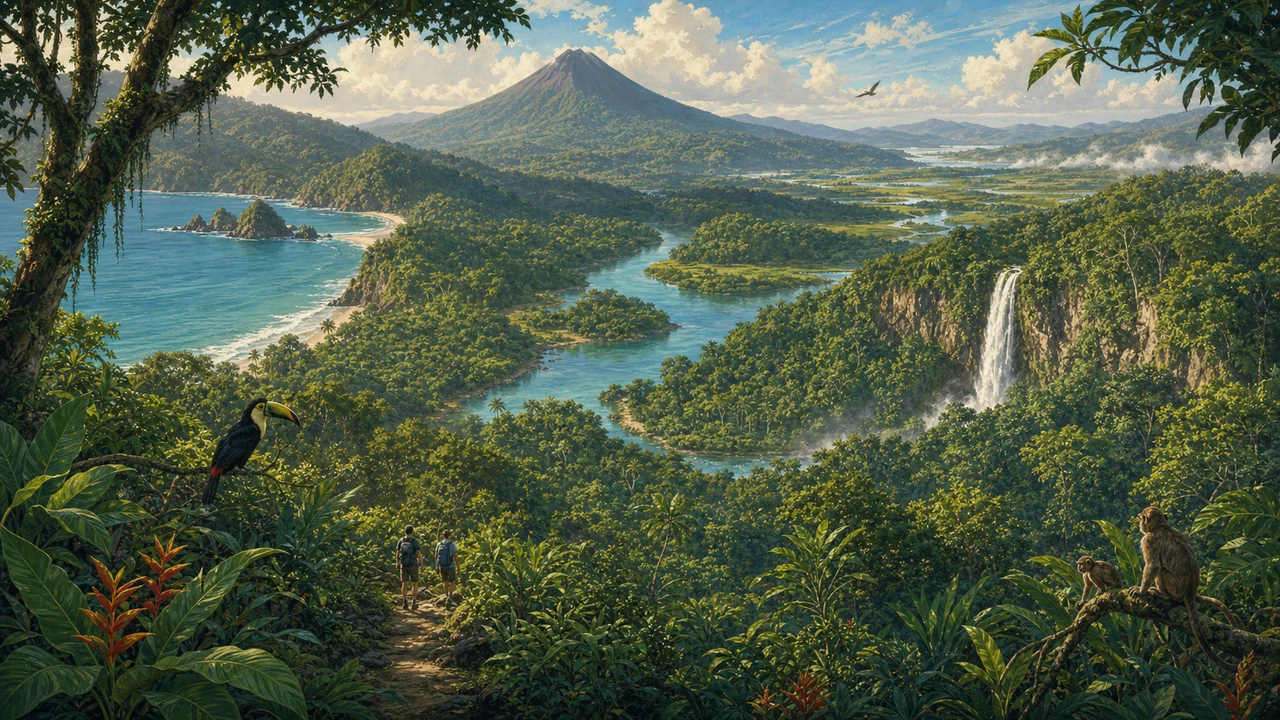
Costa Rica’s conservation story goes well beyond its famous national parks. The country operates an interlocking system of protected-area categories — biological reserves, forest reserves, protected zones, wetlands, and wildlife refuges — that together shield more than a quarter of the national territory and sustain one of the most biodiverse landscapes on the planet.
Understanding these categories helps travelers appreciate why so much of Costa Rica feels wild and intact, and helps ecotourism visitors choose the right type of area for their interests. Costa Rica’s national parks and protected areas are the headline act, but the broader network is what makes the headline possible.
The SINAC System: A Country Organized for Conservation
The backbone of Costa Rica’s conservation infrastructure is SINAC — the Sistema Nacional de Áreas de Conservación (National System of Conservation Areas). Established under the Biodiversity Law, SINAC divides the country into eleven regional conservation areas, each with its own administrative office and ranger corps.
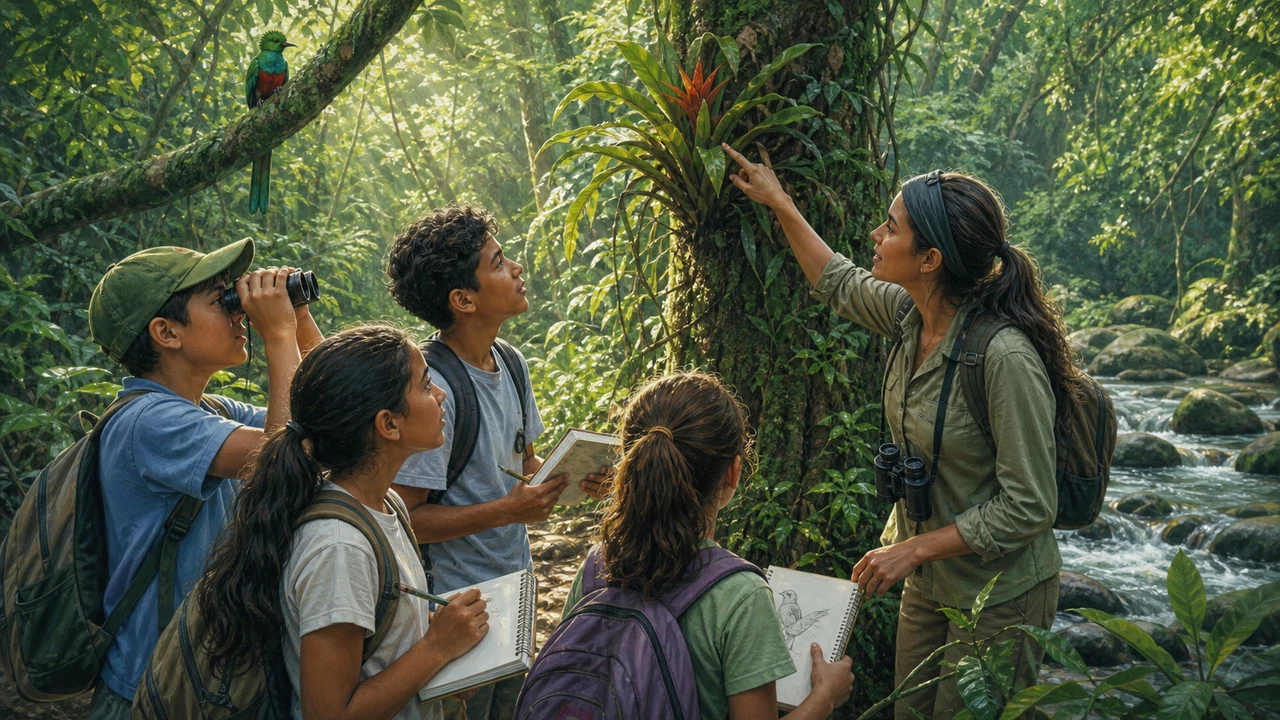
Each conservation area encompasses multiple protected-area categories: there may be a national park at its core, ringed by biological reserves, forest reserves, and wildlife refuges that buffer human-use zones from the most sensitive habitats. This layered approach — strict core, graduated buffer — is a textbook application of IUCN conservation-area management principles, and it is a key reason why Costa Rica’s forests have recovered from historic deforestation.
Visitors rarely interact directly with SINAC’s administrative structure, but the system determines which parks are open, what permits are required, and how ranger patrols are organized. Fees collected at park entrances fund SINAC operations.
Biological Reserves: Strict Protection for Science
Biological reserves (reservas biológicas) are the most strictly protected category in Costa Rica’s protected-area toolkit. Their primary mandate is to preserve genetic diversity and provide undisturbed environments for long-term scientific research — not to receive tourist traffic.
Access is tightly controlled. Some reserves require special permits from SINAC; a few are functionally off-limits to the general public. The rationale is straightforward: certain ecosystems and species need areas where human presence is minimal enough to establish reliable ecological baselines.
The most accessible biological reserve for visitors is Caño Island Biological Reserve, a small island off the Osa Peninsula renowned for world-class snorkeling and scuba diving in nutrient-rich Pacific waters. Pre-Columbian stone spheres found on the island add an archaeological dimension to the visit. Access is by boat from Drake Bay or Sierpe, with a guide required.
Forest Reserves: Conservation with Compatible Use
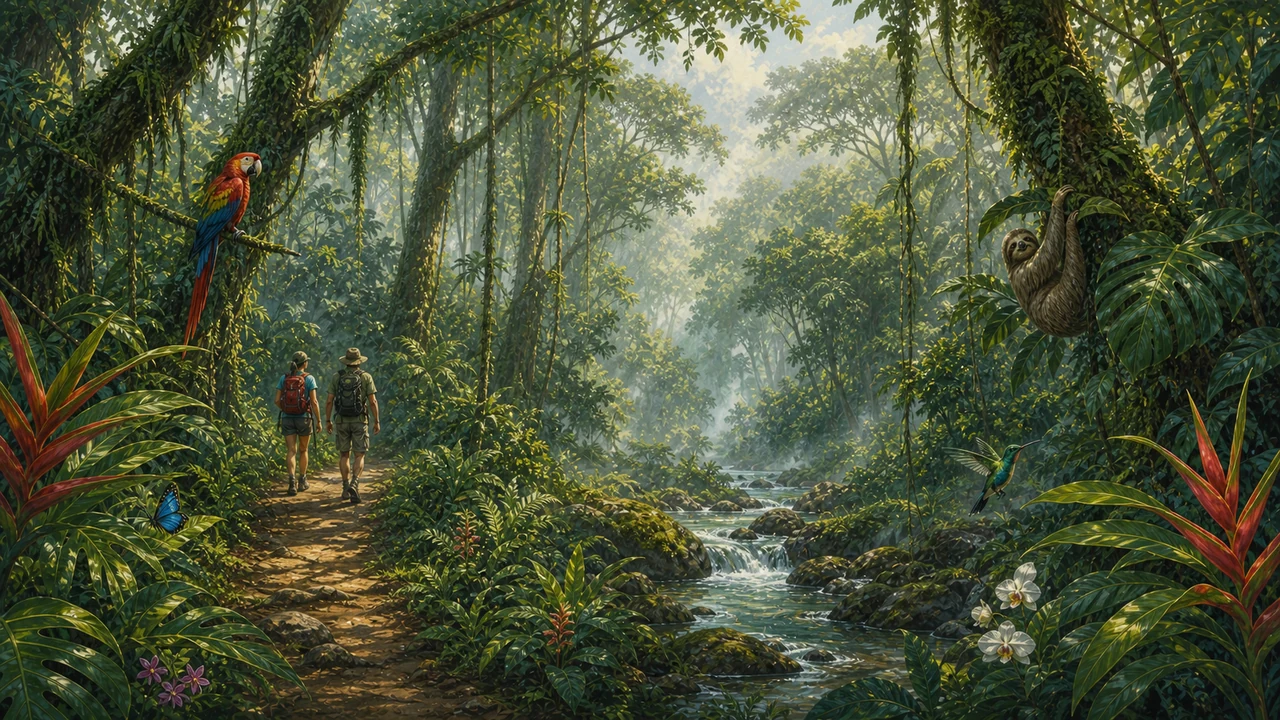
Forest reserves (reservas forestales) occupy a middle tier between strict protection and open production land. Sustainable forestry, agroforestry, and limited extractive uses are permitted alongside conservation objectives, provided they follow regulated management plans.
From an ecological perspective, forest reserves play a critical role as biological corridor habitat for wildlife migration between larger protected blocks. Costa Rica’s forests are not isolated islands; they are part of a continental corridor that extends from Mexico to Panama, and forest reserves help stitch the gaps that separate major wilderness areas.
For travelers, forest reserves tend to be less infrastructurally developed than national parks — fewer paved trails, fewer ranger stations — but they can offer genuinely off-the-beaten-path experiences. Hiking, birdwatching, and rural tourism operations sometimes operate in or adjacent to forest reserves with SINAC approval.
Protected Zones: Watershed and Soil Guardians
Protected zones (zonas protectoras) are designated primarily to safeguard watersheds, prevent soil erosion, and maintain water supply for surrounding communities. Many are found on the slopes of mountains and volcanoes where streams that feed agricultural valleys and urban water systems originate.
These zones tend not to appear on traveler itineraries, but their work is foundational. Watershed protection in Costa Rica’s protected zones underpins the agricultural productivity of the Central Valley and the water security of the San José metropolitan area. Protecting the forests on those slopes is, in practical terms, protecting the country’s water supply.
Some protected zones allow hiking and nature tourism where trail infrastructure exists. Their terrain — volcanic slopes, cloud-forest margins — can be spectacular even if the areas lack the park amenities that ease independent travel.
Wetlands and Ramsar Sites
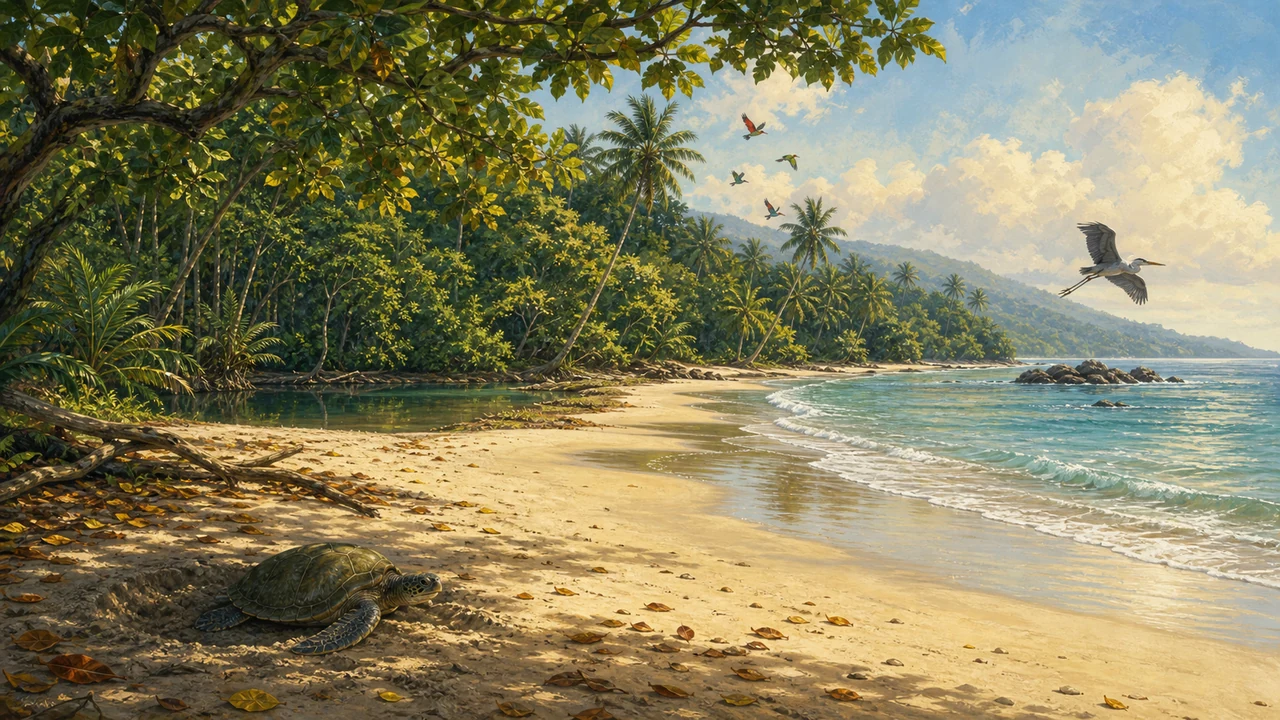
Costa Rica has designated several wetlands under the Ramsar Convention on Wetlands, which recognizes sites of international importance for migratory birds, aquatic species, and shoreline stability. These include coastal lagoons, mangrove systems, and freshwater marshes spread across both the Caribbean and Pacific coasts.
Mangrove forest conservation along Costa Rica’s coastlines is particularly important for the fish nurseries they support, the storm buffs they provide, and the carbon they sequester. The country’s Ramsar wetlands receive protection under both national and international frameworks, giving them an extra layer of security against drainage or development pressure.
For wildlife watchers, wetlands are superb birding destinations. Wading birds, shorebirds, and waterfowl concentrate at these sites in numbers rarely matched in upland forests. Several areas can be explored by canoe or kayak with local guides.
Wildlife Refuges: The Flexible Protectors
Wildlife refuges (refugios de vida silvestre) are one of the most versatile categories in the SINAC toolkit. They can be state-owned, privately owned, or mixed-ownership — a rare model that allows landowners to voluntarily dedicate their properties to wildlife protection while retaining certain rights.
Costa Rica wildlife refuges range from coastal refuges protecting nesting sea turtles to interior forest refuges preserving habitat for endangered mammals. The Barra del Colorado Wildlife Refuge in the northeastern Caribbean lowlands, for instance, is a premier sport-fishing destination where tarpon and snook runs attract anglers while the refuge simultaneously protects one of the most extensive wetland-forest mosaics in Central America.
The private-refuge model has also produced some of Costa Rica’s most celebrated ecotourism lodges — operations that combine world-class accommodation with serious conservation commitment on their own land.
How the Categories Fit Together
The power of Costa Rica’s multi-category protected-area system lies in its coverage of the full gradient from strict scientific reserve to community-managed forest. No single category could do the job alone:
- Biological reserves anchor genetic baselines and scientific benchmarks.
- National parks protect iconic landscapes and provide structured visitor access.
- Forest reserves and protected zones buffer the cores and maintain connectivity.
- Wildlife refuges protect critical habitats (especially coastal nesting sites) with flexible ownership arrangements.
- Wetlands guard coastal and riparian ecosystems that fall between the terrestrial categories.
Together, these categories explain how Costa Rica — a small nation the size of West Virginia — has managed to protect an outsized share of its territory and remains one of the world’s leading ecotourism and nature destinations. If you are exploring the country’s biodiversity in depth, understanding this system helps you plan smarter: a biological reserve visit may require advance permits, a forest reserve hike may demand local guide knowledge, and a wetland kayak trip calls for a very different preparation than a national-park trail day.
For practical trip planning, see Costa Rica travel tips and the full Costa Rica national parks section for individual park profiles and visiting information.
Frequently asked questions
What is SINAC in Costa Rica?
SINAC (Sistema Nacional de Áreas de Conservación) is Costa Rica's national conservation-area system. It divides the country into eleven regional conservation areas, each managed by a dedicated office that oversees the national parks, biological reserves, wildlife refuges, and forest reserves within its territory.
What is the difference between a national park and a biological reserve in Costa Rica?
National parks are managed primarily for conservation with visitor access built in. Biological reserves place stricter limits on access and activity — their main purpose is scientific research and genetic preservation, making them less oriented toward tourism.
Are biological reserves open to tourists?
Some biological reserves allow limited visitor access with special permits, while others are restricted to researchers. Caño Island Biological Reserve is the most visitor-friendly, welcoming snorkelers and divers. Always check access rules with SINAC before planning a visit.
What are forest reserves in Costa Rica used for?
Forest reserves allow sustainable forestry and other compatible uses alongside conservation. They act as buffer zones between intensively managed lands and strictly protected areas, and they form part of the biological corridors that connect larger wilderness blocks.
How much of Costa Rica is protected land?
More than 25% of Costa Rica's territory falls under some form of official protection. When private reserves, biological corridors, and buffer zones are included, the effective conservation footprint is considerably larger — remarkable for a country that holds roughly 5% of the world's biodiversity.