Palo Verde National Park: Wetlands & Birdwatching
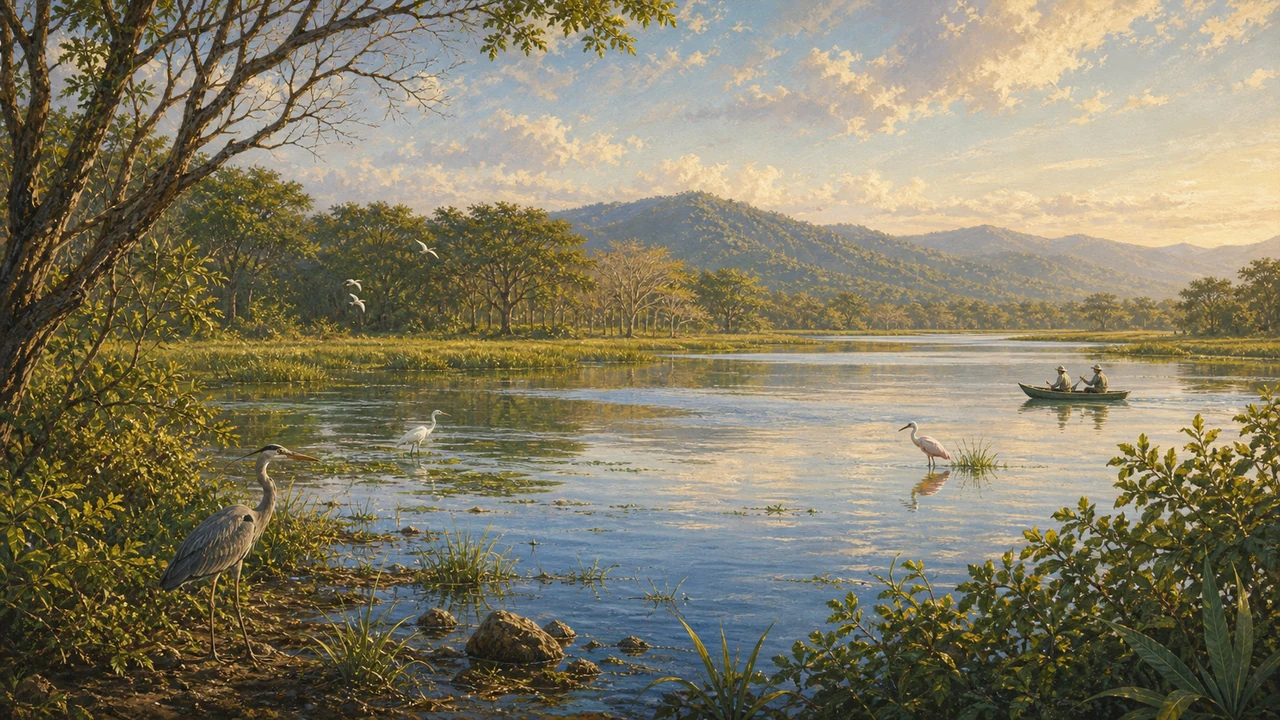
Palo Verde National Park is one of the most important wetland ecosystems in the Americas and ranks among the premier birdwatching destinations in all of Central America. Located in Guanacaste’s Tempisque river basin, the park’s 13,058 hectares protect a mosaic of seasonal lagoons, marshes, mangroves, dry forest, and limestone ridges that together host more than 300 bird species and a remarkable breadth of wildlife. For nature travelers seeking big-sky birding, boat tours through flooded plains, and a genuine taste of Costa Rica’s tropical dry forest, Palo Verde delivers an experience that few other national parks can match.
The Tempisque Wetlands — Why They Matter
The heart of Palo Verde is the Tempisque Lowlands, a vast alluvial plain shaped by millennia of flooding from the Río Tempisque and Río Bebedero. During the rainy season the rivers overflow their banks, tidal action backs water inland, and the poor natural drainage of the flat terrain combines to flood the region on a massive scale — in exceptional years the entire lowland becomes one enormous shallow lake. This annual cycle of flood and dry-down is precisely what makes the ecosystem so productive.
As water levels drop through the dry season, birds concentrate around shrinking lagoons in numbers that can be staggering. From November through March, hundreds of thousands of herons, egrets, storks, ibises, ducks, and jacanas crowd the lakeshore margins to feed and nest. The sheer density of wildlife during peak season puts Palo Verde in a category alongside the great wetland sanctuaries of the world.
The park is part of the Ramsar List of Wetlands of International Importance, recognizing its global significance for migratory waterbirds and resident species alike.
Bird Life — 300+ Species in One Park
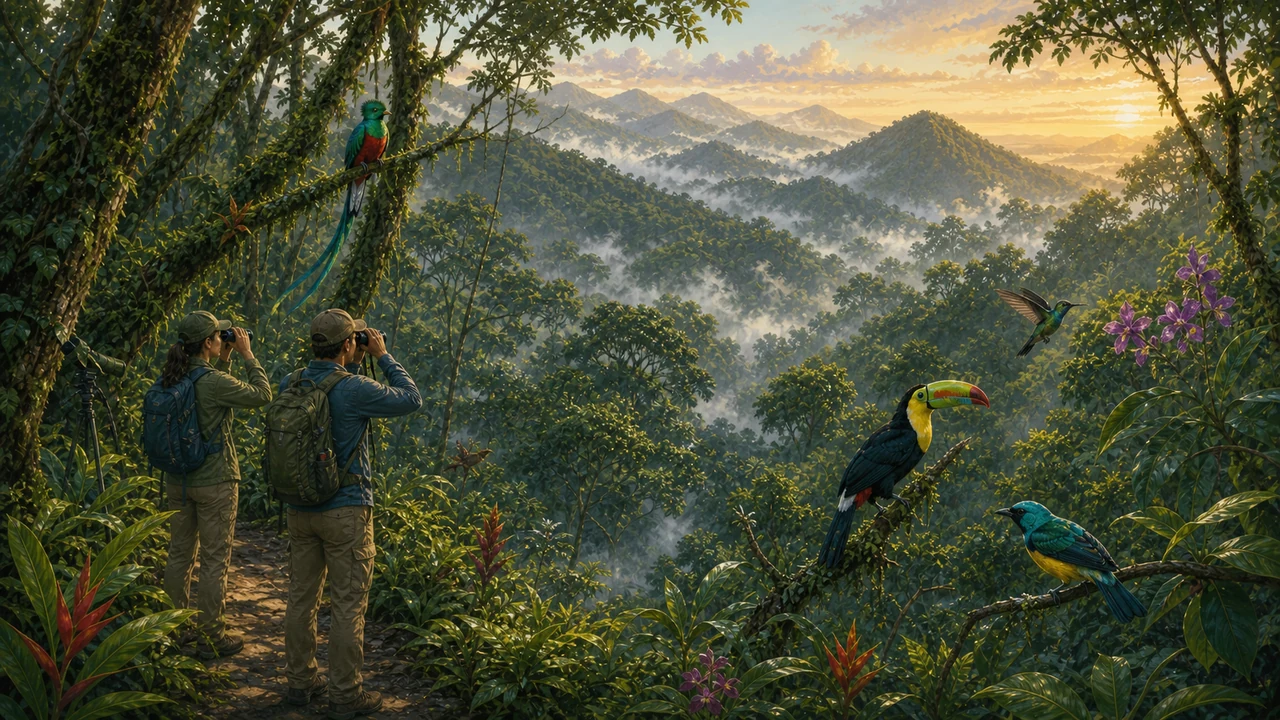
Birdwatching at Palo Verde centers on the lagoons and riverbanks, where the greatest concentrations of birds gather. Signature species include the jabiru — the tallest flying bird in the Americas — along with wood storks, roseate spoonbills, boat-billed herons, anhinga, and vast mixed-species flocks of great blue herons, tricolored herons, and little blue herons. Ibises are abundant: both white ibis and the glossy ibis nest here in significant numbers, and the latter finds one of its most important Costa Rican breeding sites within the park.
Ducks are well represented too. Black-bellied whistling ducks are year-round residents, and blue-winged teal arrive from North America in large numbers during the northern winter. Muscovy ducks, masked ducks, and Northern shovelers round out the waterfowl list.
Beyond the wetlands, the dry and riparian forests support scarlet macaws — Palo Verde protects the only known population of this species in the entire Pacific Dry Forest region of Costa Rica — along with toucans, motmots, parakeets, and more than a dozen species of raptors including osprey and the majestic Crested Caracara.
Serious listers and casual birdwatchers alike consistently rank a visit here among the highlights of any ecotourism and nature itinerary in Costa Rica.
Boat Tours on the Río Tempisque
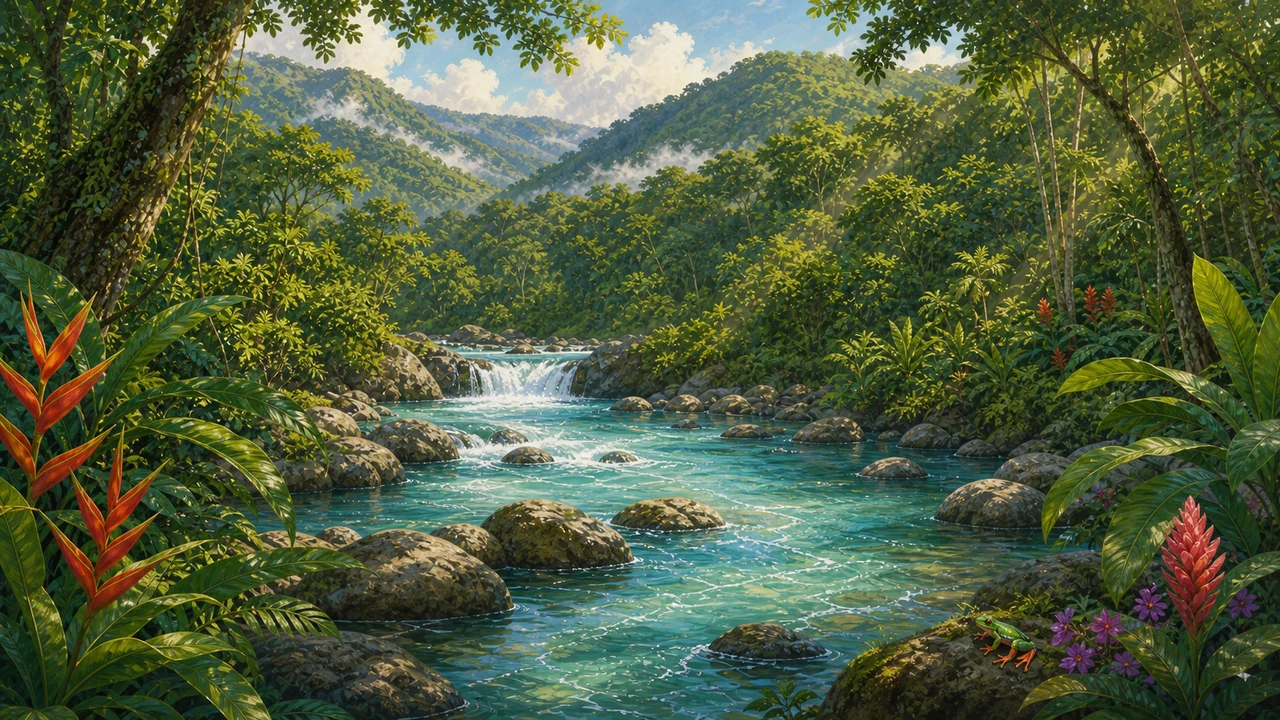
The Río Tempisque offers 36 navigable kilometers through the heart of the park, and a slow boat tour is the single most rewarding way to experience Palo Verde. From the water you see the landscape as the wildlife does: at eye level with American crocodiles (some exceeding four meters) basking on mudbanks, caiman partly submerged in still backwaters, and dozens of bird species within meters of the boat. Howler monkeys and white-faced capuchins watch from the gallery forest canopy overhead.
Guided tours typically launch from the town of Bagaces or from the OTS station landing and last two to three hours. Early morning departures — before 7 a.m. — offer the best light, the coolest temperatures, and the most active wildlife. Operators provide binoculars and knowledgeable naturalist guides who can identify birds by call as well as sight.
The OTS Research Station
The Organization for Tropical Studies (OTS) has operated a biological field station at Palo Verde for decades, making it one of the most thoroughly studied tropical dry forest and wetland ecosystems in the world. The station sits beside the lagoons on a low rise of limestone, giving it extraordinary views across the water.
Visitors can stay at the OTS station, take guided tours of the park with resident naturalists, and access trails that reach the wetland overlooks and forested hills. The station’s researchers have produced an extensive scientific record of the park’s habitats and species, and the guides draw on that knowledge to give visitors context that goes well beyond standard tourism commentary.
Booking ahead is essential, especially November through March. Contact OTS directly to arrange stays or day tours.
Habitats and Land Wildlife
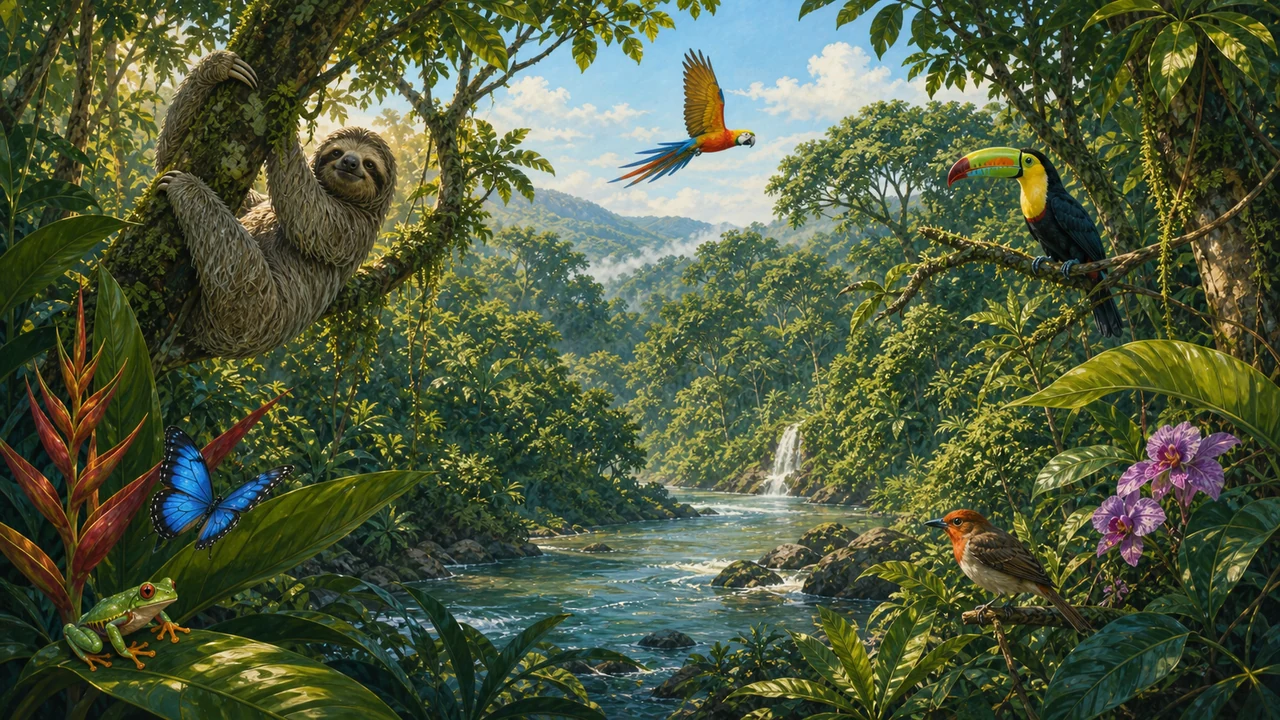
Palo Verde encompasses more than a dozen distinct habitat types within its boundaries: freshwater and brackish lagoons, black mangrove grasslands, thorn scrub, lowland deciduous forest, riparian forest, hillside mixed forest, savannah woodland, swamp forest, and limestone outcrops with cave formations. The diversity of habitats explains the extraordinary species richness — animals and plants adapted to very different conditions all find suitable niches within the park.
The tree from which the park takes its name, the palo verde or horse bean, is one of the most distinctive plants here: entirely green from trunk to branches to leaves, it grows in both swampy margins and drier uplands. Other notable trees include the massive silk cotton (ceiba), spiny cedar, and espavé. In both the park and the neighboring Lomas Barbudal Biological Reserve, 148 tree species have been identified.
Land mammals are plentiful. Howler monkeys and white-faced capuchins are commonly seen in the forest; white-tailed deer, white-nosed coatis, peccaries, and coyotes move across the drier habitats. Pacific sharpnose sharks have been recorded in the lower Tempisque river, sharing the water with the resident crocodile population.
Geological highlights include the tiger cave in the refuge and the hollow stone in the park — both spectacular limestone formations that combine cave chambers with hanging gardens of ferns and bromeliads. The Catalina and Guayacán peaks offer panoramic lookout points across the flooded plains, arguably the finest viewpoints in the entire Guanacaste region.
Planning Your Visit
Palo Verde lies about 240 kilometers from San José and roughly 90 minutes by road from Liberia’s Daniel Oduber Airport (LIR) — the nearest international gateway for Guanacaste. A high-clearance vehicle is strongly recommended; four-wheel drive is necessary during the rainy season when access roads can flood.
The park has drinking water, basic facilities, researcher accommodations, marked trails, and viewpoints. Rangers can advise on current trail conditions and any areas temporarily restricted due to bee activity — Africanized honeybees are present in the park and should be treated with serious caution.
The dry season (roughly January through April) offers the easiest access and the highest wildlife concentrations, but the rainy-season floods create their own dramatic beauty. Mosquitoes are active year-round and can be intense in the wet months; bring and use repellent. Wear neutral-colored, lightweight clothing and closed-toe shoes for trail walks.
For those combining Palo Verde with other Guanacaste highlights, activities and sports in the region include surfing, zip-lining, and horseback riding — the province offers much more than wildlife alone. Read the general travel tips for Costa Rica before your trip for practical entry and transport guidance.
Frequently asked questions
When is the best time to visit Palo Verde for birdwatching?
The peak season runs from November through March, when migratory and resident waterbirds concentrate in enormous numbers around the seasonal lagoons. The dry season (January–April) reduces vegetation and makes wildlife spotting significantly easier, though the park rewards visitors year-round.
How do I get to Palo Verde National Park?
The park entrance is roughly 28 km south of Bagaces, which is on the Interamerican Highway in Guanacaste. Most visitors fly into Liberia's Daniel Oduber International Airport (LIR), about 90 minutes away. A four-wheel-drive vehicle is recommended, especially in the rainy season.
What is the best way to see wildlife inside the park?
Boat tours on the Río Tempisque offer the most rewarding wildlife experience, putting you at eye level with crocodiles, caimans, wading birds, and waterbirds along 36 navigable kilometers. Walking the park's trails and climbing to the Catalina or Guayacán lookouts provides excellent land-based wildlife and landscape views.
Is the OTS research station open to visitors?
The Organization for Tropical Studies (OTS) operates a biological field station at Palo Verde that offers guided tours, lodging, and educational programs for researchers and the general public. It is one of the best-equipped bases for exploring the park, and booking in advance is recommended.
Are there any hazards to be aware of inside Palo Verde?
Africanized honeybees inhabit parts of the park; always ask rangers before entering less-visited areas and follow their guidance on restricted zones. Mosquitoes can be intense, especially in the rainy season, so bring strong repellent. Crocodiles are present in and near all waterways.