Cahuita National Park: Reef, Jungle & Caribbean Vibes
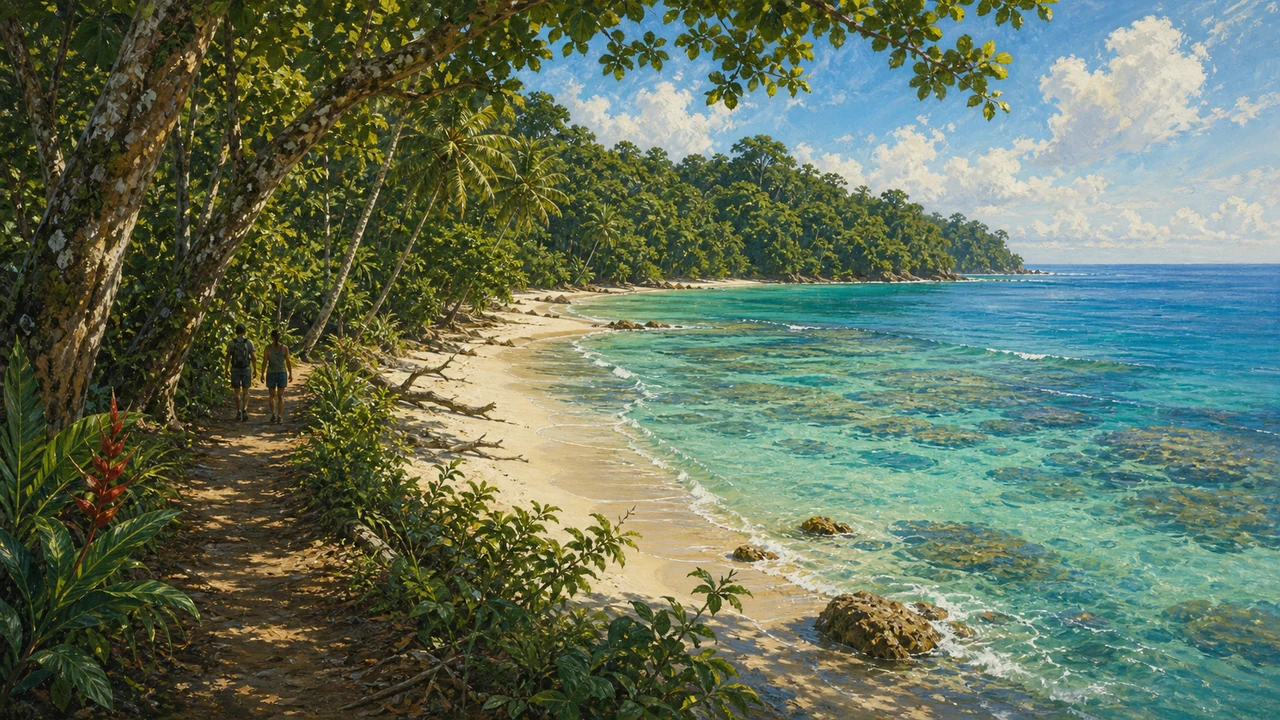
Cahuita National Park, tucked into Costa Rica’s southern Caribbean coast near the village of Cahuita, is one of the country’s most approachable and rewarding parks — a rare place where you can snorkel one of the largest coral reefs in the region and then stroll through coastal jungle spotting monkeys and sloths, all in a single morning. Established as a national monument in 1970 and formally designated a national park in 1978, it protects roughly 1,067 hectares of land and an extensive marine territory anchored by the country’s only fully mature fringing coral reef.
The Coral Reef: Costa Rica’s Underwater Garden
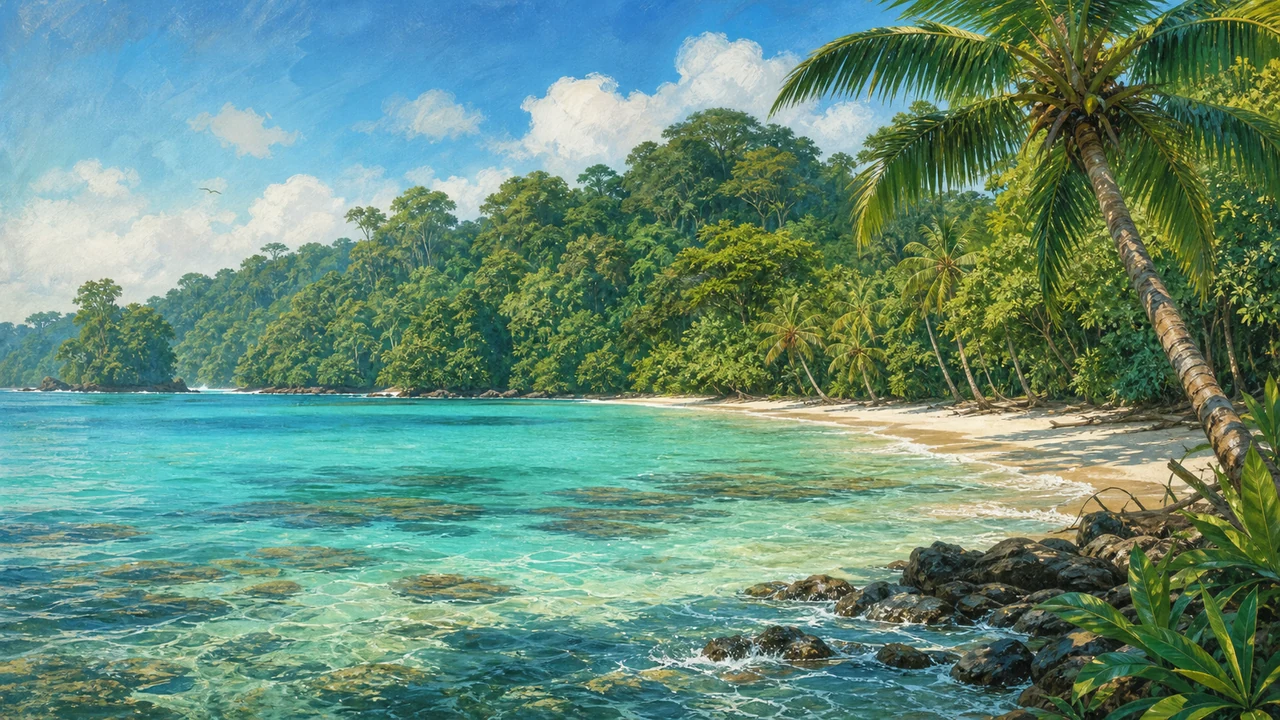
The reef is the park’s headline attraction. Stretching like a fan in front of Punta Cahuita between the Perezoso River and Puerto Vargas, it covers approximately 600 hectares of marine habitat. Unlike the reef patches found elsewhere along the Caribbean coast, this is a structurally complex, mature reef — a mix of an outer ridge and an inner lagoon — built on an ancient coral platform.
Underwater, the diversity is remarkable: 35 species of coral have been identified here, including elkhorn, brain, fire, rose, and lettuce corals, along with graceful Venus sea fans. The fish list runs to over 120 species — queen and French angelfish, rock beauty, blue parrotfish, great barracuda, spotted moray eels, and the occasional nurse shark drift through the formations. Sea turtles browse the underwater prairies of turtle grass that carpet the sandy lagoon floor, and lobsters, sea cucumbers, white shrimp, and sponges fill every niche.
Snorkeling is best arranged with one of the many local guides in Cahuita village, who can paddle or motor you to the reef and point out species you’d otherwise miss. Conditions are clearest during the January–March dry season, though the reef is diveable year-round.
The Coastal Trail: Easy Jungle Walking
If the reef belongs to the fish, the coastal trail belongs to the mammals. The flat, well-maintained path runs about 8 km from the Kelly Creek park entrance at the edge of Cahuita village all the way to Puerto Vargas, tracing a narrow strip of jungle between white-sand beach and dense littoral forest. It is one of the easiest nature walks in the Costa Rican national park system — no significant elevation, no technical terrain — yet the wildlife density rivals parks that demand far more effort to reach.
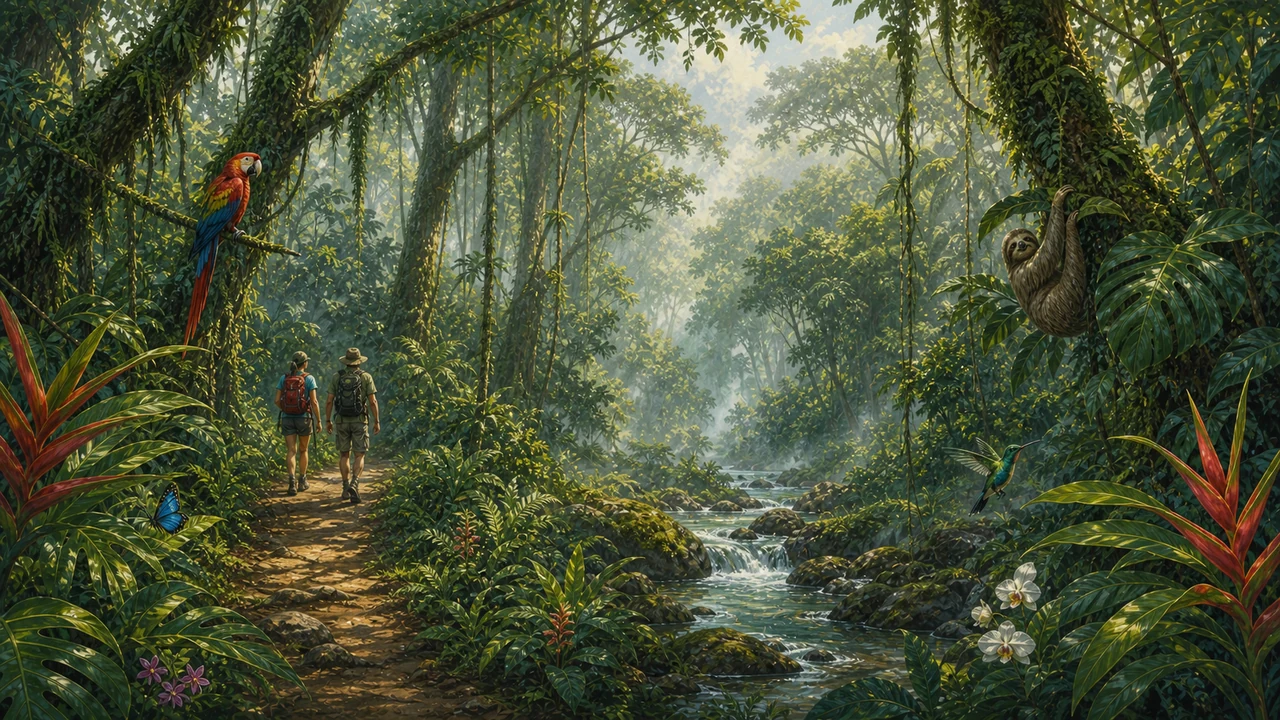
Howler monkeys are nearly guaranteed; their thunderous calls roll through the canopy at dawn and dusk. White-faced capuchins are equally common, often coming down to eye level with camera-wielding visitors. Slow down and scan the branches above and you’ll find two- and three-toed sloths hanging motionless in the cecropia and cativo trees. Common raccoons and white-nosed coatis root through the leaf litter near the beach, and several species of land crabs — including the striking red land crab — scuttle across the trail, especially after rain. Green ibis, kingfishers, and herons work the mangrove-edged lagoons along the route.
The forest itself is worth attention: sea grape, red mangrove, coconut palm, bloodwood, and copal all grow here, and a dense understory of ferns and bromeliads lines the path. Walking even the first two or three kilometers from Kelly Creek and back rewards most visitors with multiple wildlife encounters.
Kelly Creek Entrance: The Donation Model
One of Cahuita’s unusual and appealing features is its community-managed Kelly Creek entrance. Rather than charging a fixed admission fee, this entrance operates on a voluntary donation system — visitors contribute what they feel comfortable giving. The arrangement grew out of a negotiation between park authorities and the local Cahuita community, and it reflects the laid-back Caribbean spirit the town is known for. Rangers are present and the park is well maintained; the donation model has worked because the community feels genuine ownership over its protection.
The Puerto Vargas entrance, located several kilometers south along the coast road, does charge the standard national park fee and offers a campground with water, toilets, and grills. Camping is popular on weekends and holidays, so arrive early or book ahead if you plan to stay overnight.
The Reef Under Pressure
No honest account of Cahuita’s reef omits the threats it has faced. The 1991 earthquake that struck the Limón coast caused significant uplift along Punta Cahuita — much of what was once underwater became exposed land, and visitors now walk a distance to reach the ocean that was open water before the quake. Sedimentation from the Estrella River and other watercourses draining cleared lands in the Talamanca Mountains behind the park continues to cloud the water and smother coral polyps. Pesticide runoff from agricultural expansion in the watershed has also taken a toll.
Coral cover has declined over the decades, but conservation efforts and restrictions on anchoring and fishing inside the marine zone have allowed sections of the reef to recover. It remains one of the most biodiverse marine environments on Costa Rica’s Caribbean coast and is well worth protecting — and visiting.
A historical footnote: the remains of an 18th-century slave ship lie near the mouth of the Perezoso River and are among the most significant cultural artifacts in the park. The wreck is not a standard visitor stop, but it underscores the deep human history of this coastline.
Getting There and Around
Cahuita village sits about 211 km from San José — roughly a four-hour drive via the Zurquí Tunnel and Route 32 through Braulio Carrillo National Park, or a similar time by public bus from the Gran Terminal del Caribe. The road from Limón City south to Cahuita and on to Puerto Viejo is paved and straightforward. Many visitors combine Cahuita with nearby Caribbean beaches and the lively town of Puerto Viejo de Talamanca a short drive further south.
Within the park, no vehicles are permitted on the coastal trail. Leave the car at the Kelly Creek trailhead parking area (or at your hotel in town) and walk in. Water shoes or sandals with grip are more practical than hiking boots for the trail, which occasionally crosses small streams and can be muddy after rain. Bring water, reef-safe sunscreen, and insect repellent.
Planning Your Visit
Cahuita National Park pairs naturally with the broader Costa Rica ecotourism and nature circuit, and its accessibility makes it a strong choice for first-time visitors to the Caribbean coast. Costa Rica protects more than 25% of its national territory in parks and reserves, and Cahuita is one of the few that puts both terrestrial and marine ecosystems within easy reach of a single trailhead.
For broader context on what makes this country a global leader in conservation, see our guide on why visit Costa Rica, and review travel tips for practical logistics. If you’re building a longer itinerary across the national parks, Cahuita pairs well with Tortuguero to the north (sea turtle nesting) and the Gandoca-Manzanillo Wildlife Refuge to the south for more remote Caribbean wilderness.
Frequently asked questions
Is Cahuita National Park free to enter?
The Kelly Creek entrance (Cahuita village side) operates on a voluntary donation basis — there is no mandatory fee, though contributions are appreciated and help fund park maintenance. The Puerto Vargas entrance charges a standard national park entry fee. Check current SINAC rates before your visit.
Can you snorkel in Cahuita National Park?
Yes — snorkeling over the coral reef is one of the park's main draws. The reef lies just offshore from Punta Cahuita and is best reached by kayak or short boat ride with a local guide. Visibility and conditions are best during the January–March dry season.
What wildlife can you see at Cahuita?
Howler monkeys, white-faced capuchins, two- and three-toed sloths, common raccoons, white-nosed coatis, and land crabs are regularly spotted along the coastal trail. Bird highlights include green ibis, green-and-rufous kingfisher, and yellow-crowned night-heron.
How long is the coastal trail?
The main coastal trail runs roughly 8 km from the Kelly Creek entrance at the park boundary near Cahuita village to Puerto Vargas. Most visitors walk a portion of it and return the same way; the full one-way hike takes 2–3 hours at a relaxed pace.
When is the best time to visit Cahuita National Park?
January through March is the driest stretch and offers the best reef visibility for snorkeling. The Caribbean coast receives rain year-round, so wildlife sightings on the jungle trail are rewarding in any season. September and October tend to be the wettest months.