Barra del Colorado Wildlife Refuge, Costa Rica
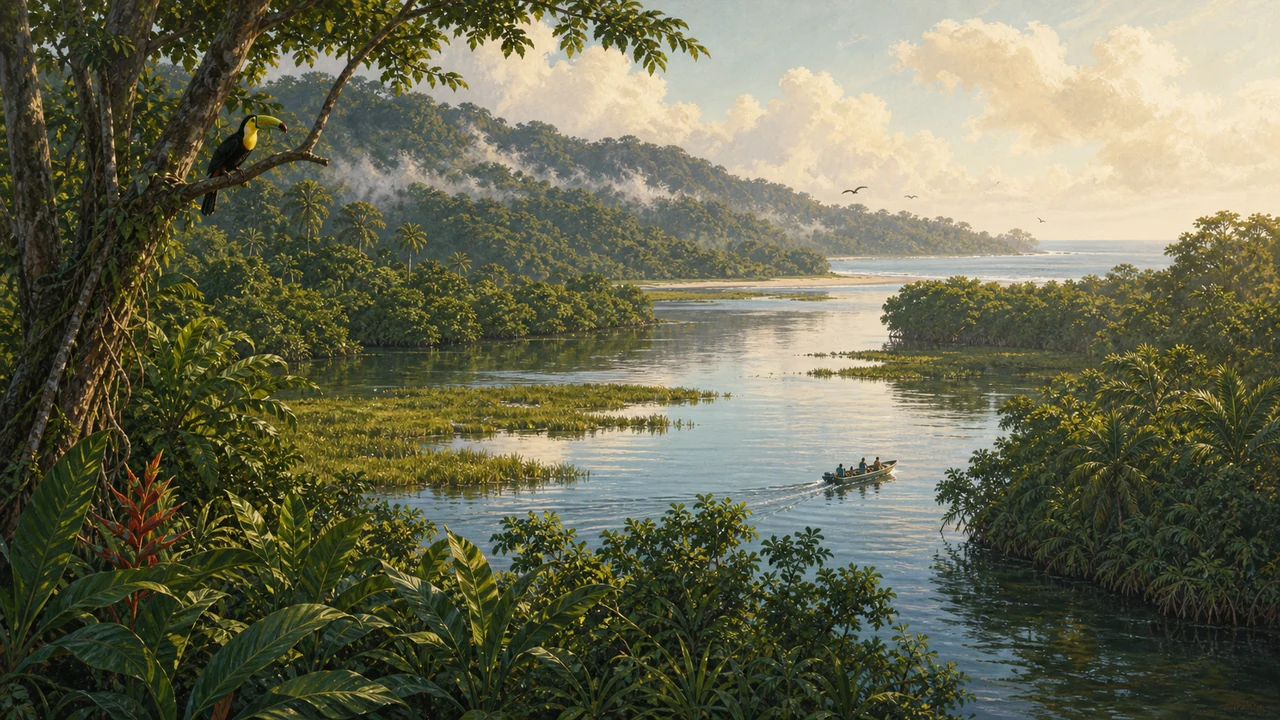 Barra del Colorado Wildlife Refuge is one of Costa Rica’s most remote and rewarding protected areas — a vast mosaic of rivers, canals, lagoons, and flooded forests tucked into the far northeast Caribbean corner of the country, along the border with Nicaragua. Covering roughly 92,000 hectares, it is larger than many national parks yet visited by only a fraction of the tourists who flock to better-known destinations. For those who make the journey, the rewards are extraordinary: world-class sport fishing, dense and relatively undisturbed wildlife, and an immersive wetland landscape unlike anywhere else in Central America.
Landscape and Ecosystem
The refuge occupies a broad alluvial plain formed over millennia by rivers draining the Caribbean slopes of the central mountain ranges. The terrain is almost entirely flat, crisscrossed by a network of rivers, channels, and natural lakes that shift constantly with the rainfall. Occasional outcroppings of volcanic rock break the surface, but most of the landscape lies at or near sea level.
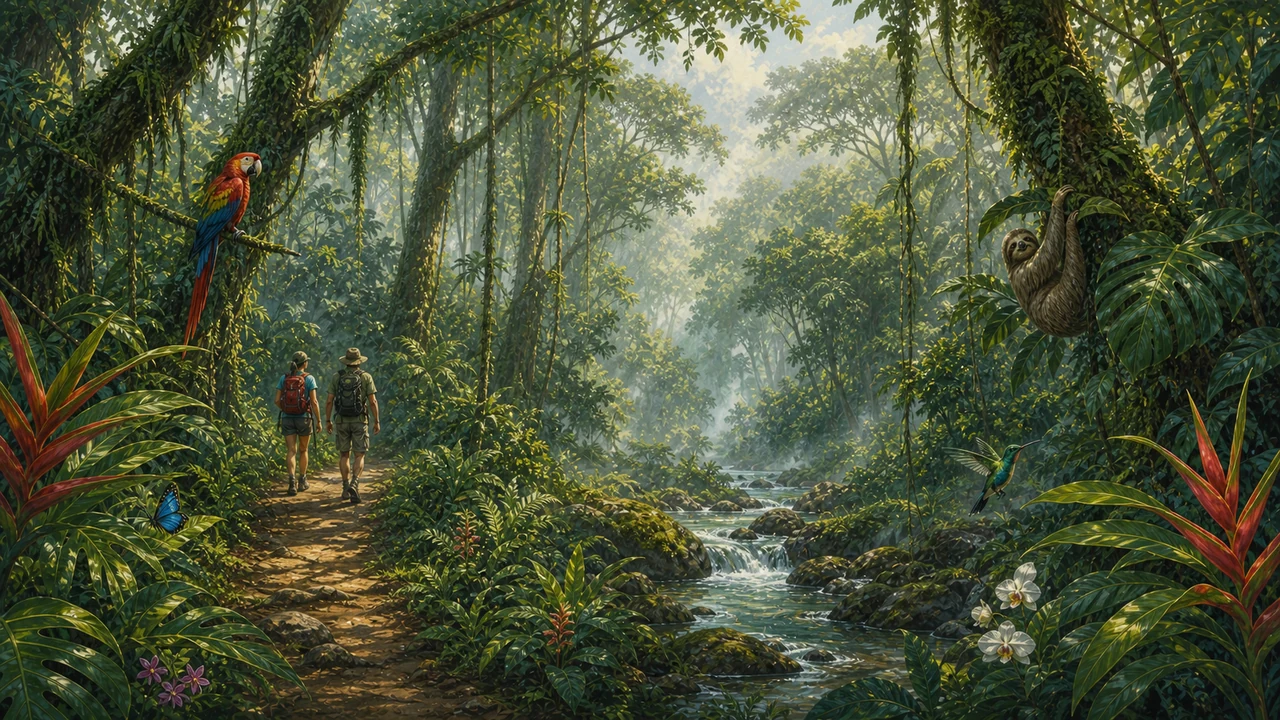
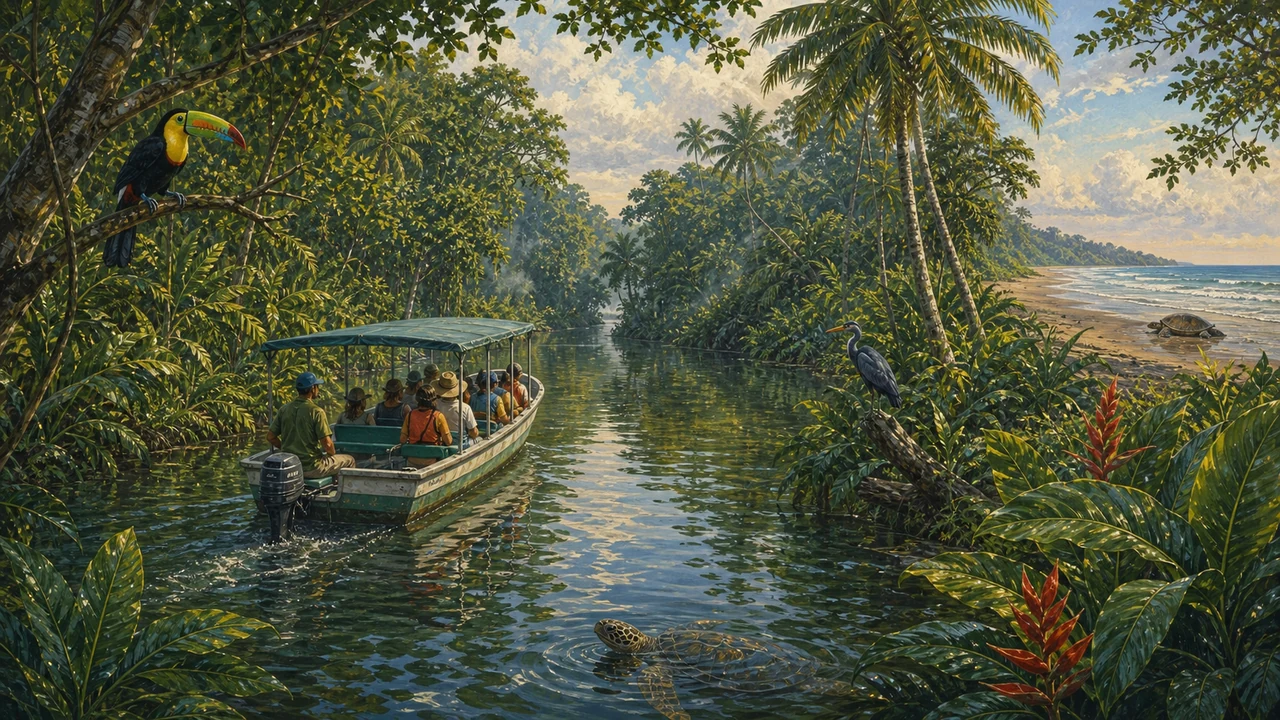 Three main vegetation types define the refuge. Flooded swamp forests cover much of the interior, characterized by species tolerant of permanent or near-permanent inundation: cativo, crabwood, wild tamarind, blood wood, banak, Santa María, and the provision tree are among the dominant trees. Holillo and manicaria palm swamps are seasonally or continuously flooded and support their own distinct community of plants and animals. Tall grass and mixed herbaceous zones fill in the transitional edges. The entire region receives some 5,500 to 6,000 millimeters of rain annually — the equivalent of nearly 20 feet — and there is no meaningful dry season. Everything is green, wet, and teeming with life year-round.
The refuge connects directly to Tortuguero National Park to the south, and the two areas together form one of the Caribbean’s most important protected wetland complexes. Costa Rica protects more than 25 percent of its national territory, and Barra del Colorado represents a critical piece of that commitment to conservation.
Sport Fishing: A World-Class Destination
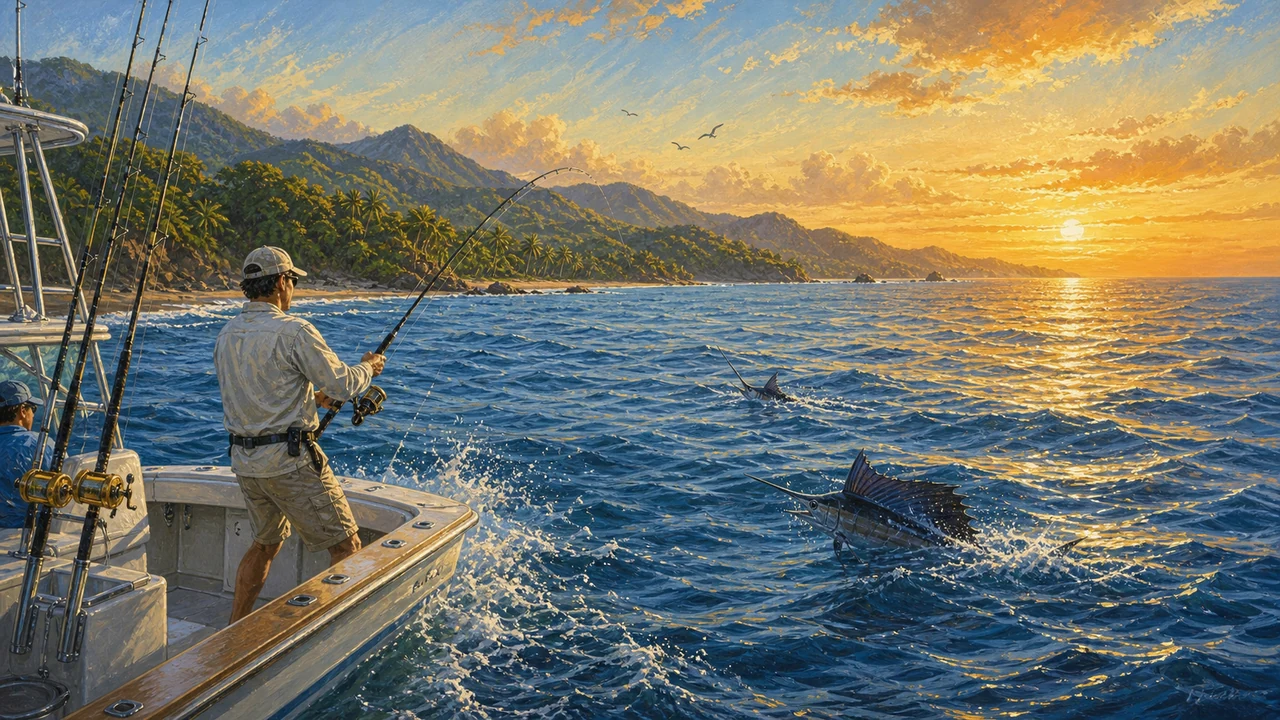 Barra del Colorado has a global reputation among serious anglers. The rivers, lagoons, and coastal inlets hold exceptional populations of Atlantic tarpon (locally called sábalo) and Caribbean snook (róbalo), two of the most prized sport fish in the world. Tarpon here can reach impressive sizes, and the refuge’s remote waterways produce catches that regularly attract anglers from North America and Europe.
Other species present include the gar — a living fossil with a lineage stretching back tens of millions of years — guapote, mackerel, snapper, and several species of freshwater and brackish-water fish. The Río Colorado and the network of lagoons near the Caribbean coast are the primary fishing zones.
Several well-established fishing lodges operate in and around Barra del Colorado, offering guided expeditions, catch-and-release programs, and full outfitting for multi-day fishing trips. A valid Costa Rican fishing license is required, and the lodges typically assist guests with this. Because regulations evolve, confirm current licensing rules before your trip.
Wildlife Watching
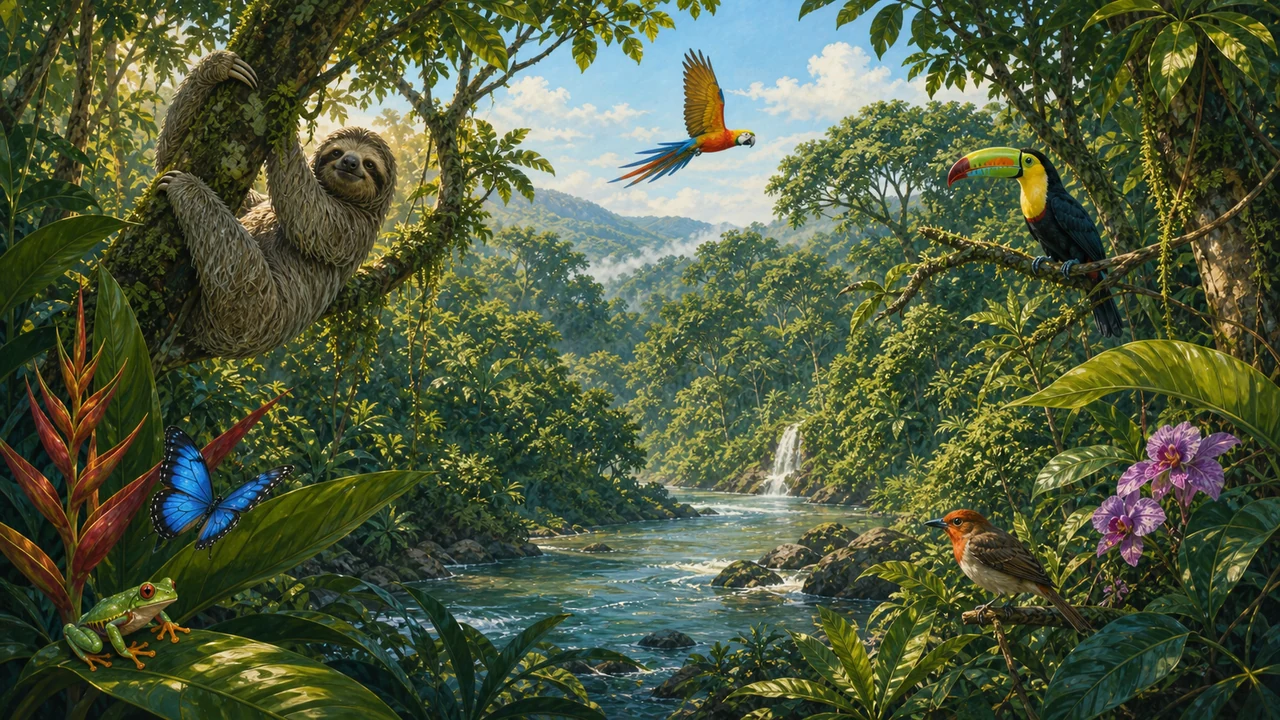 Much of the refuge is best explored by boat, drifting through the canal system to scan riverbanks, treetops, and exposed logs for the rich community of animals that inhabits the area. Wildlife encounters here feel unscripted and intimate in a way that more touristed parks cannot match.
Mammals of note include the West Indian manatee (endangered), Baird’s tapir, jaguar, ocelot, jaguarundi, cougar, white-lipped and collared peccaries, paca, red brocket deer, southern opossum, three-toed sloth, howler monkey, and white-faced capuchin monkey.
Reptiles are abundant: American crocodiles, spectacled caimans, multiple species of river turtles, and various lizards and snakes occupy the waterways and forest edges.
Birds make Barra del Colorado a destination in its own right for birders. Keel-billed toucans, great curassows, Neotropical cormorants, anhingas, great blue herons, tricolored herons, green ibis, sungrebes, green macaws, red-lored amazons, white-necked Jacobins, and white hawks are among the species recorded here. The refuge’s isolation and low visitor pressure mean that bird activity is rarely disturbed.
One ecological curiosity worth noting: bull sharks are known to enter the Río San Juan — which forms part of the Nicaragua border — from the Caribbean and travel upriver toward Lake Nicaragua. The phenomenon is not fully understood, but the sharks pose no meaningful threat to river travel, and encounters are extremely rare.
Getting There and Staying
 The remoteness of Barra del Colorado is part of its appeal, but reaching it requires planning. The two main options are:
- By air: Charter and small-aircraft scheduled flights depart from Tobías Bolaños domestic airport (SYQ) in Pavas, near San José. The flight takes roughly 45 minutes and is the most practical option for most visitors. Some lodges arrange transportation from the airstrip directly.
- By boat: You can reach the refuge by navigating the canal and river system from Tortuguero (to the south), Moín near Puerto Limón, or Puerto Viejo de Sarapiquí (via the Río Sarapiquí and Río San Juan). These routes are scenic but slow — expect several hours of travel.
There are no large towns inside the refuge. The village of Barra del Colorado sits near the mouth of the Río Colorado on the Caribbean coast and serves as the main base. A handful of specialized fishing and eco-lodges operate in the area, ranging from comfortable sport-fishing camps to more rustic options. Given the location, accommodation options are limited — book well in advance, particularly for peak fishing season.
Camping is permitted within the refuge with authorization from SINAC (Sistema Nacional de Áreas de Conservación), though most visitors opt for lodge accommodation.
Planning Your Visit
Barra del Colorado does not have the infrastructure of Costa Rica’s more developed parks, which is precisely what many visitors love about it. There are no crowds, no souvenir stalls, and no paved roads. Explorers and anglers who seek genuine wilderness find exactly that here.
Practical things to keep in mind:
- Rain gear is essential. The refuge is wet year-round. Pack light, quick-drying clothing and waterproof bags for cameras and gear.
- Insects are active. Bring effective insect repellent and consider long sleeves for early morning and evening boat trips.
- Go with a guide. The canal system is complex and navigating it without local knowledge is not recommended. Lodge guides double as naturalist interpreters and significantly enhance the experience.
- Connectivity is limited. Cell coverage and internet access are sparse. The disconnect is refreshing for many visitors — be prepared for it.
Barra del Colorado pairs naturally with a visit to nearby Tortuguero National Park, and the two can often be combined in a single trip through the Caribbean canal network. For broader context on Costa Rica’s protected-area system, see the national parks overview. Those interested in the wider range of Caribbean and nature-based experiences will find more on the ecotourism and nature pillar, and anglers can explore Costa Rica’s full activities and sports options across the country.
Frequently asked questions
What is Barra del Colorado best known for?
Barra del Colorado Wildlife Refuge is celebrated above all for world-class sport fishing — tarpon and Caribbean snook in particular draw anglers from around the world. It is also a haven for wildlife watching in one of Costa Rica's most remote and least-visited natural areas.
How do you get to Barra del Colorado?
Most visitors fly from San José's Tobías Bolaños domestic airport (SYQ in Pavas) on a short charter or scheduled flight. You can also arrive by boat from Tortuguero, Moín, Puerto Viejo de Sarapiquí, or other river points — a scenic but time-consuming journey through the canal system.
Is a fishing permit required in Barra del Colorado?
Yes. Sport fishing within the refuge requires a valid Costa Rican fishing license, which the remote lodges in the area typically help guests obtain. Regulations may change, so confirm current requirements with your lodge or SINAC (Costa Rica's national protected-areas service) before your trip.
What wildlife can you see in Barra del Colorado?
The refuge shelters West Indian manatees, jaguars, tapirs, caimans, American crocodiles, three-toed sloths, howler and white-faced capuchin monkeys, and a remarkable variety of birds including green macaws, keel-billed toucans, anhingas, great blue herons, and green ibis.
What is the best time to visit Barra del Colorado?
Barra del Colorado has no true dry season — the region receives roughly 5,500–6,000 mm of rain per year. Fishing for tarpon typically peaks from January through June, while snook run strongest in the rainy months. Wildlife is present year-round. Pack waterproof gear regardless of when you go.