Caño Island Biological Reserve: Snorkeling & Diving
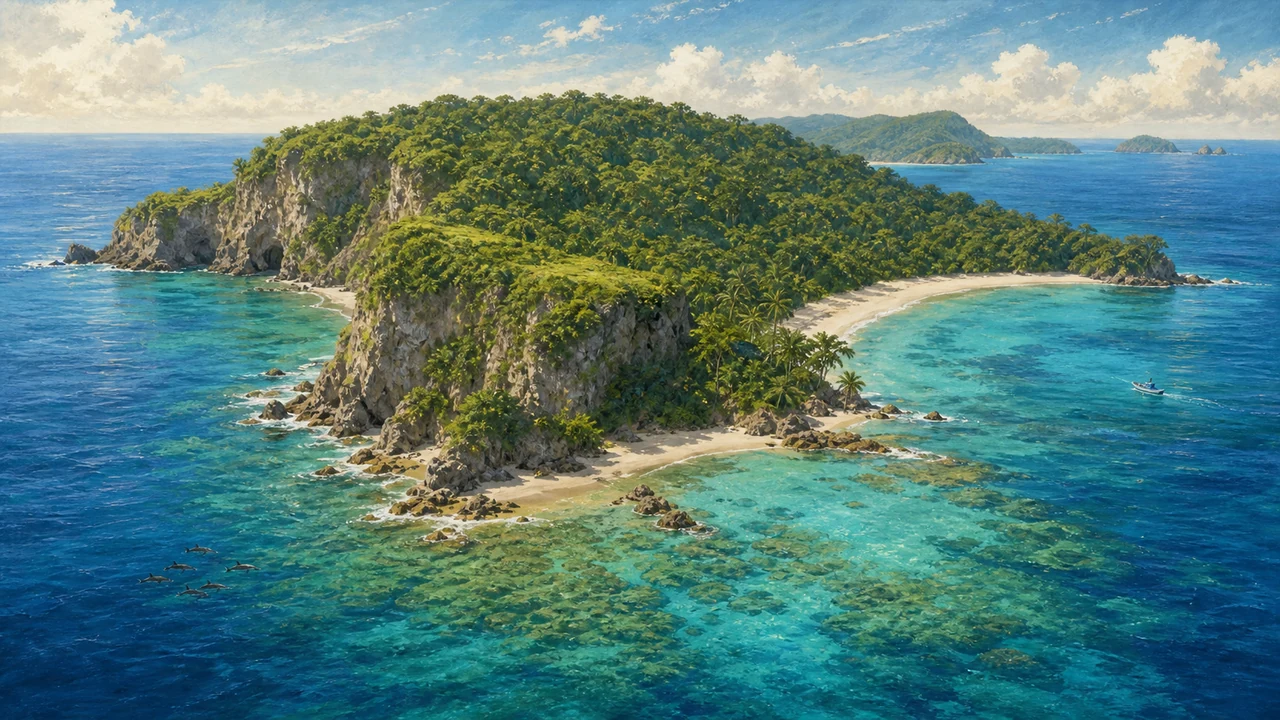 Caño Island Biological Reserve is one of Costa Rica’s most important marine protected areas and the undisputed premier snorkeling and scuba diving destination on the Pacific coast. Sitting roughly 20 kilometers off the tip of the Osa Peninsula, this small oceanic island sits in nutrient-rich Pacific waters where powerful currents converge, creating ideal conditions for coral growth, abundant fish life, and the large pelagic animals that draw divers from around the world.
The reserve protects both the island and a 5.4-kilometer marine buffer zone. Day trips depart from Drake Bay and Uvita, making it an accessible excursion whether you’re based in the wild Osa or the gentler shores further north along the central-south Pacific coast.
The Island: Geology and Terrain
Caño Island rises sharply from the ocean as a flat-topped plateau reaching approximately 110 meters above sea level. The coastline is dominated by dramatic cliffs up to 70 meters high, which give way at a handful of spots to small white-sand beaches no more than 100 meters long. At high tide these beaches shrink considerably, and some nearly vanish — a reminder that the island belongs firmly to the sea.
The interior is covered in tropical forest, and the island has been continuously inhabited at various points in pre-Columbian history. Archaeologists have found polished stone spheres similar to those found throughout the Diquís Delta — a legacy of the ancient cultures of southwestern Costa Rica. The spheres are partially visible on the island, making it a site of both ecological and cultural significance. If you visit, resist the urge to touch or move them; they are protected artifacts.
Snorkeling: Coral Gardens and Curious Wildlife
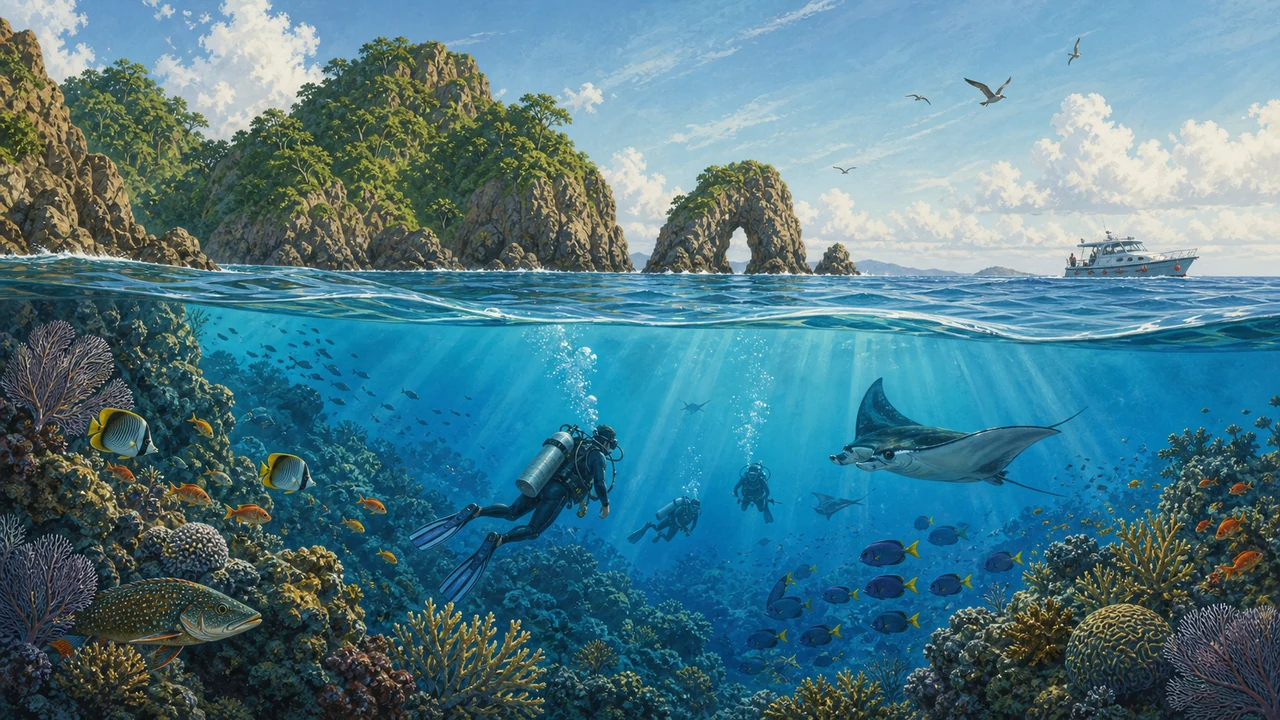 Snorkelers will find some of the clearest Pacific water in Costa Rica right off Caño Island’s shores. The shallow reef gardens host hard and soft corals, sea fans, and a dazzling variety of reef fish: parrotfish, angelfish, surgeonfish, pufferfish, and dense schools of silver jacks that shimmer in the sunlight.
What makes Caño stand out for snorkelers is the regular proximity of large animals. Spotted eagle rays glide through with effortless grace; green and hawksbill sea turtles feed undisturbed among the corals; whitetip reef sharks rest on sandy patches between the rocky outcroppings. The sharks are inquisitive but not aggressive — seeing one fins-down on the bottom is an unforgettable moment.
Visibility here is genuinely exceptional. On a clear day you can see 20–30 meters in the water column, which makes even shallow snorkeling feel like floating above an underwater panorama.
Scuba Diving: Walls, Seamounts, and Pelagics
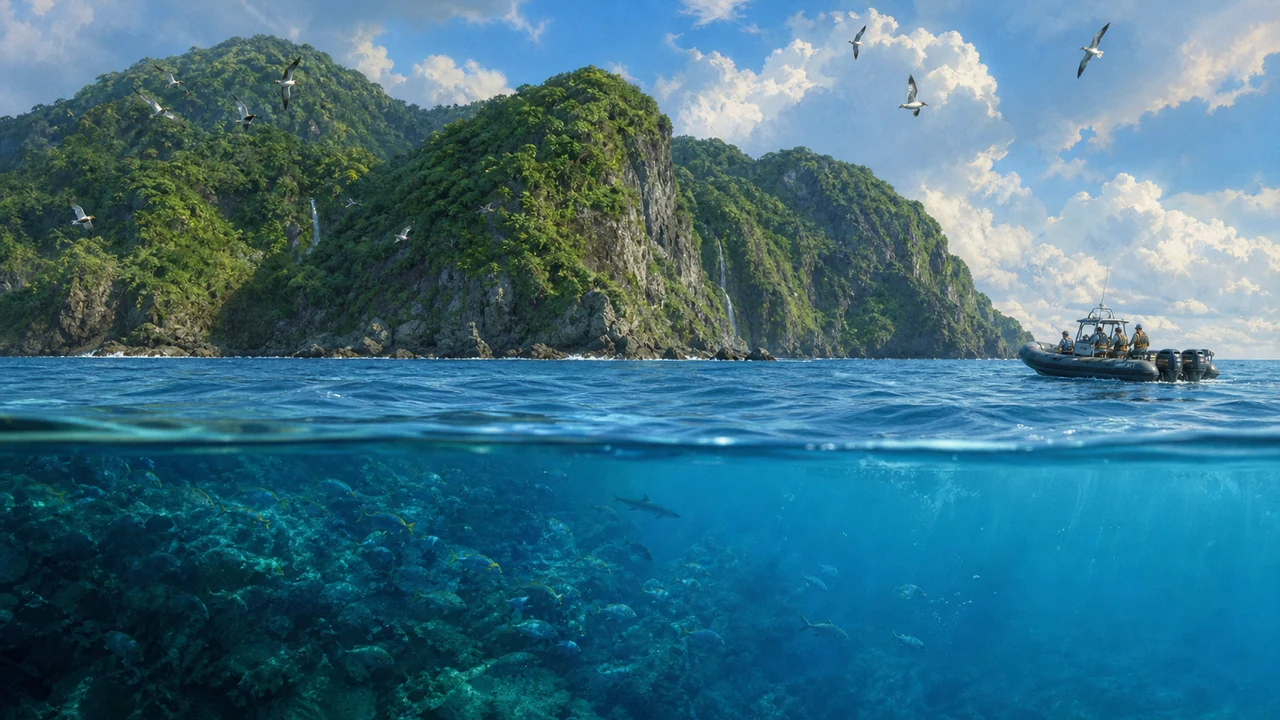 Certified divers unlock a completely different level of experience at Caño Island. The most dramatic diving happens along the submerged cliff walls, inside sea caves, and at the offshore seamounts where the deep ocean pushes nutrients upward and large animals congregate.
Common dive encounters include:
- Whitetip reef sharks — abundant and reliable throughout the year
- Bull sharks — seasonal but well-documented visitors
- Spotted eagle rays and manta rays — frequently seen in open water
- Humpback whales — often heard (and sometimes seen) underwater during migration seasons
- Green and hawksbill sea turtles — present year-round
- Moray eels and octopus — hidden in rock crevices along every dive site
- Large schools of snapper, jacks, and barracuda — common at the seamounts
Most dive operators from Drake Bay and Uvita offer two-tank day trips to Caño Island. Diving here requires going with a licensed operator — independent diving in the marine reserve is not permitted.
Getting There: Drake Bay vs. Uvita
The two main departure points for Caño Island day trips are Drake Bay and Uvita, and the experience differs enough to influence your choice of base.
Drake Bay is the closer option, roughly 45 minutes by boat. This remote village at the northern edge of the Osa Peninsula is itself a destination — rustic, wildlife-rich, and surrounded by primary rainforest. Staying in Drake Bay means Caño Island is a natural extension of an already immersive jungle-and-ocean experience. Reaching Drake Bay typically involves a small plane from San José or a combination of bus and boat from Sierpe.
Uvita sits further north along the Costanera Sur highway in the Marino Ballena National Park area, about 1.5 to 2 hours from Caño Island by fast boat. The crossing is longer but Uvita is more accessible by road. It’s a practical base if you plan to combine Caño Island with whale watching at Ballena or beach time along the central-south Pacific coast.
Both departure points have licensed operators who include park fees, gear, and a bilingual naturalist guide in their packages.
Practical Information
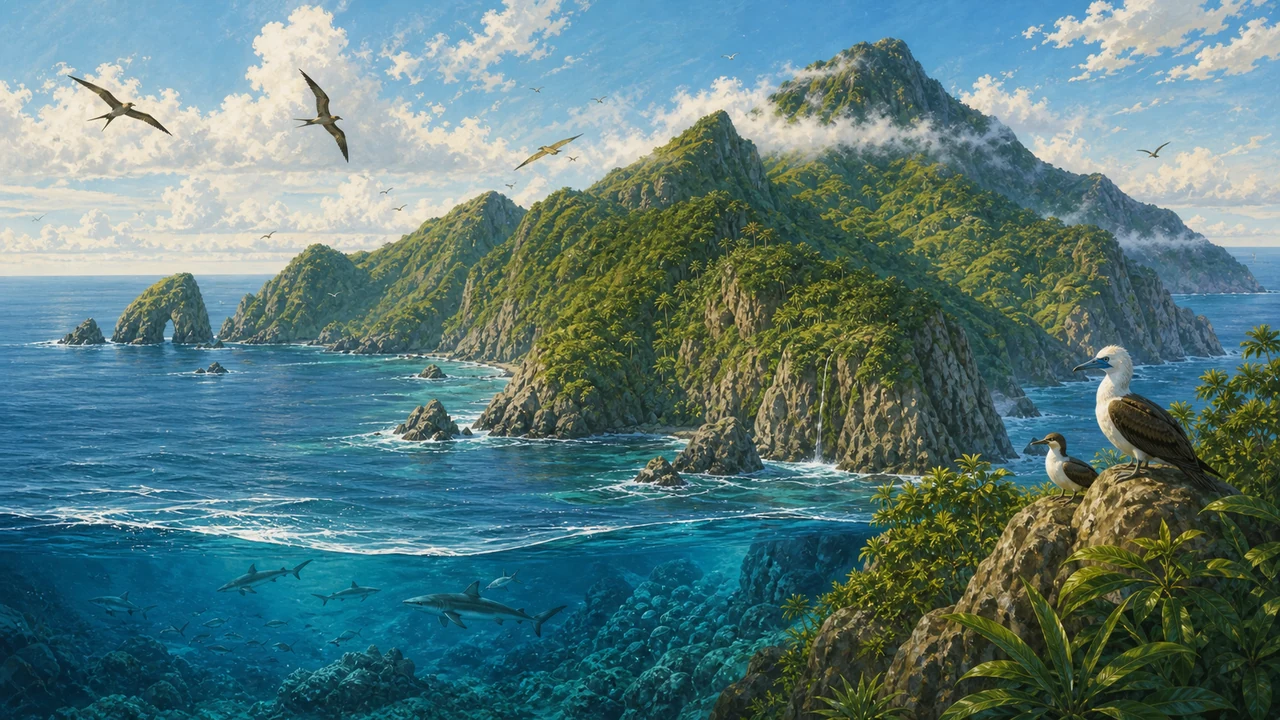 Day visits only. The reserve does not allow camping or overnight stays. Boats must return to the mainland before sunset.
Book with a licensed operator. Independent access to the marine reserve requires an approved guide and boat. Your operator will handle the SINAC (National System of Conservation Areas) permits and entrance fees. Check current fee rates with your operator when booking, as they are updated periodically.
What to bring. Reef-safe sunscreen is strongly recommended — standard chemical sunscreens damage coral and are actively discouraged in Costa Rican marine reserves. A rash guard or wetsuit offers both sun protection and some warmth in the water. Bring water and a snack; most operators include lunch or a basic meal on longer trips.
Seasonality. The dry season (December–April) offers the calmest seas and best underwater visibility, making it the most popular time to visit. The green season (May–November) brings more variable ocean conditions, but also peak whale-watching opportunities in the surrounding waters. Humpback whales from both the Northern and Southern Hemispheres pass through at different times of year, giving Caño Island one of the world’s longest whale-watching seasons.
Combining with other Osa experiences. A visit to Caño Island pairs naturally with exploring Corcovado National Park, generally considered the crown jewel of Costa Rica’s terrestrial ecotourism and nature network. Many Drake Bay lodges offer multi-day packages that combine both. Uvita visitors can also add a whale-watching tour at Marino Ballena or a coastal drive along some of Costa Rica’s most scenic Pacific beaches.
For broader trip planning, see the national parks overview and Costa Rica travel tips.
Frequently asked questions
Can you stay overnight on Caño Island?
No. Caño Island Biological Reserve is a day-use-only protected area. Visitors must depart before sunset, and no camping or overnight lodging is permitted anywhere on the island.
How do you get to Caño Island?
Most visitors arrive by boat from Drake Bay (roughly 45 minutes) or from Uvita/Dominical on the central-south Pacific coast (about 1.5–2 hours). Licensed tour operators in both towns run guided day trips that include the park entrance fee and snorkeling or dive gear.
What marine life can I expect to see?
Caño Island is known for whitetip reef sharks, bull sharks (seasonal), spotted eagle rays, manta rays, green and hawksbill sea turtles, moray eels, octopus, and dense schools of tropical fish. Humpback whales are commonly spotted in the surrounding waters from July through October and December through April.
Is the snorkeling or diving better at Caño Island?
Both are excellent, but certified divers get the most from the deeper reef walls, seamounts, and caves where larger pelagic species concentrate. Snorkelers enjoy the shallower coral gardens and still encounter rays and turtles regularly. Visibility frequently reaches 20–30 meters, among the best on Costa Rica's Pacific coast.
When is the best time to visit Caño Island?
The dry season (December through April) brings the calmest seas and clearest water. The green season (May–November) can bring rougher crossings, but also higher chances of whale sightings and lush, uncrowded conditions. Check conditions with your operator before booking.