Barra Honda National Park: Caves & Dry Forest Guide
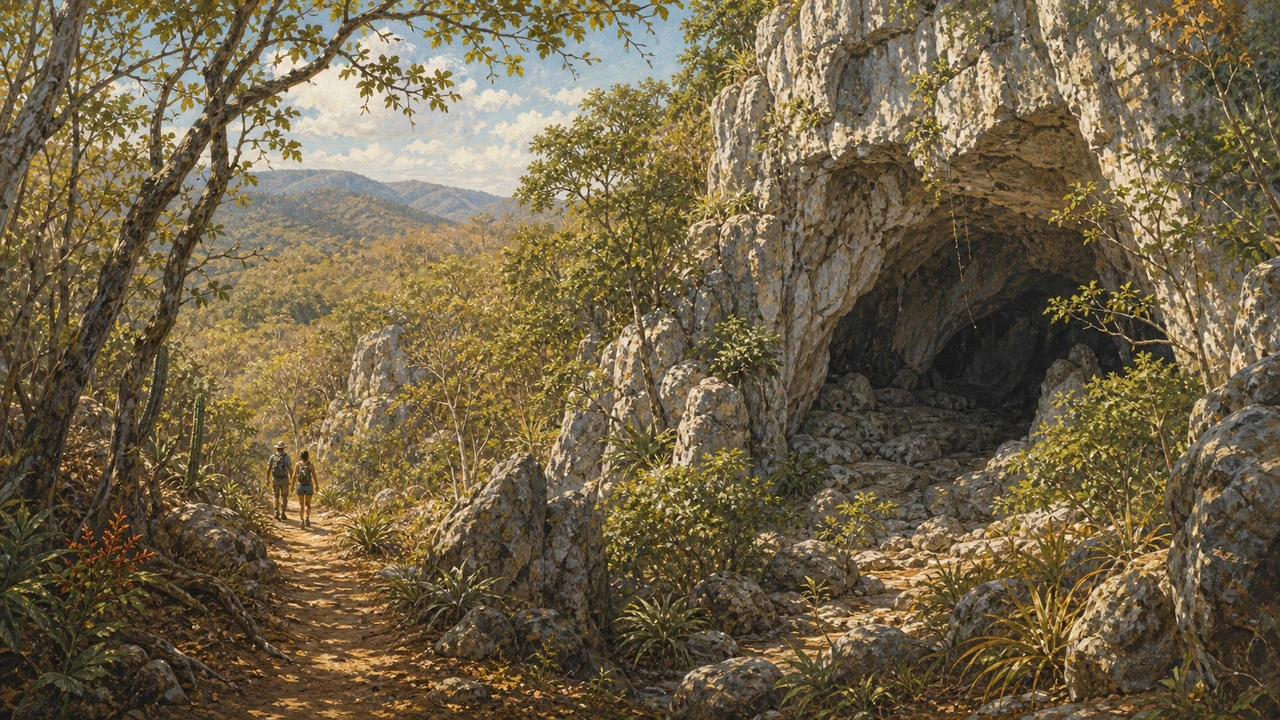
Barra Honda National Park preserves one of Central America’s most remarkable cave systems beneath a dry tropical forest on the Nicoya Peninsula of Guanacaste — and a guided descent into Terciopelo Cave ranks among the most unusual adventures in Costa Rica’s national parks.
Created in 1974, the park protects 2,295 hectares of ancient limestone highlands rising west of the Río Tempisque flood plain. Barra Honda hill reaches roughly 450 meters above sea level and is composed of reef-type limestone — fossilized coral reefs thrust upward by tectonic faulting some 60 million years ago. Rainwater has spent millennia carving that rock into an intricate subterranean world of caverns, passages, and extraordinary mineral formations.
The Cave System
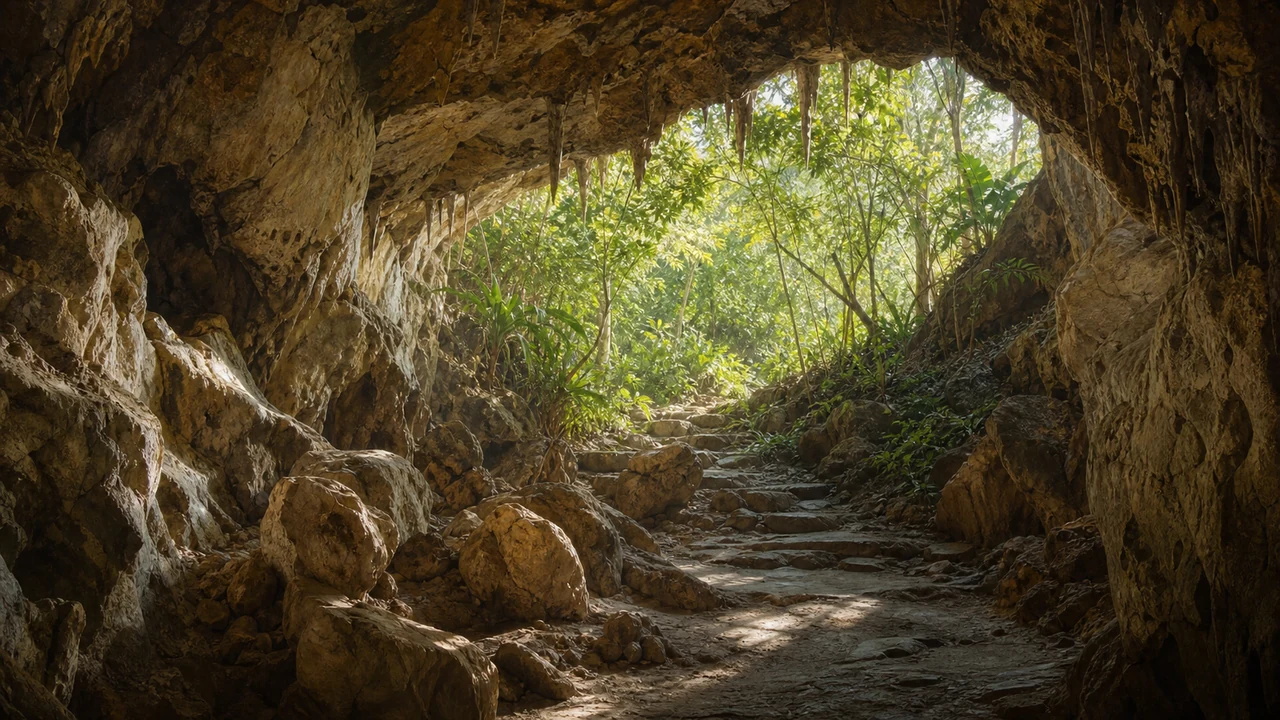
More than 40 caves have been identified within the park, though scientists believe additional caverns remain undiscovered. The caves vary enormously in depth and character — the deepest, Santa Ana, plunges 240 meters underground. What makes them exceptional is their pristine condition: because all entrances are vertical shafts requiring ropes or ladders to enter, the formations inside have remained largely undisturbed.
The most celebrated caves include:
- Terciopelo — The most formation-rich cave in the system and the only one open to general visitors. Stalactites, stalagmites, columns, cave pearls, helictites, and a famous feature called The Organ (thin stalactites that produce musical tones when gently tapped) crowd its chambers.
- La Trampa — Contains the system’s greatest vertical drop at the entrance: a sheer 52-meter descent before the first ledge. Its largest chamber is lined with pure white calcite.
- Santa Ana — The deepest cave, reaching 240 meters below the surface, with spectacular dripstone formations throughout.
- Nicoa Cave — Believed to be an ancient cenote. Human remains and pre-Columbian artifacts and adornments were discovered here in the 1970s, placing Barra Honda in a broader cultural and archaeological context.
Guided Descent into Terciopelo Cave
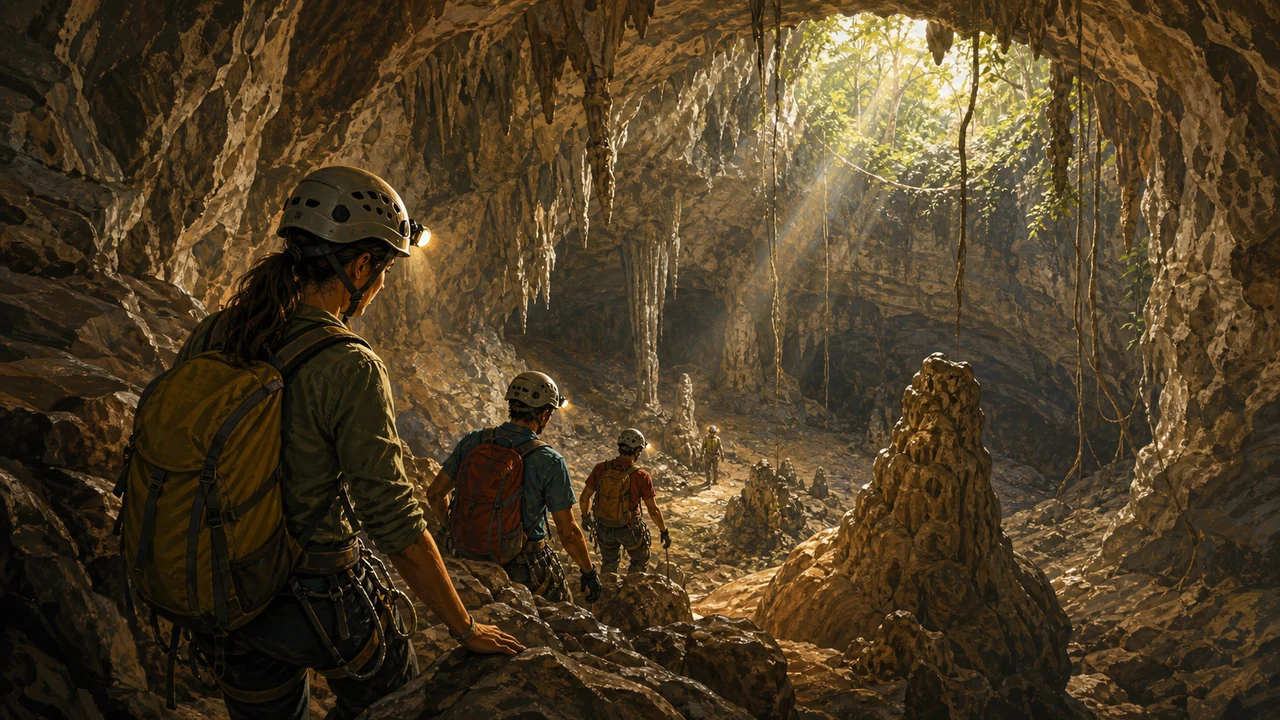
The Terciopelo descent is the signature experience at Barra Honda. Park rangers lower visitors by cable ladder into the cave mouth, with a rope belay for safety. Once inside, the ranger guides you through the chambers, pointing out the variety of formations — many of them delicate and centuries old. The experience combines a genuine underground adventure with an appreciation for geological processes that have been at work far longer than human history in the region.
Arrange the guided cave tour directly with park staff ahead of your visit, as group sizes are limited. During the dry season (roughly December through April) demand is higher, so contact the park at least several days in advance. The cave closes to visitors during the wet season to protect the fragile formations and the wildlife that depends on them.
If you are an experienced caver with proper equipment and wish to explore other sections of the cave system, this requires written permission from the park supervisor. You must demonstrate experience with rappelling and ascending devices and have at least one trained caver in your group.
Above-Ground Hiking and Viewpoints
The park is far more than its caves. A network of trails winds through deciduous tropical dry forest — a vegetation type that is now far rarer than rainforest in Costa Rica, making Barra Honda doubly valuable for conservation.
Common dry-forest trees include gumbo-limbo (locally called indio desnudo for its peeling red bark), wild plum, tempisque, lemonwood, and monkey’s comb. From December through April most of these trees shed their leaves, giving the forest an open, almost skeletal appearance that is striking in its own right.
The trail to the summit of Cerro Barra Honda rewards hikers with panoramic views over the Guanacaste landscape and the Río Tempisque flood plain below. The summit surface itself is geologically unusual — pitted and pockmarked with solution holes ranging from a few centimeters across to several meters wide, with razor-sharp eroded limestone jutting up in jagged formations, particularly along the southern rim.
Wildlife
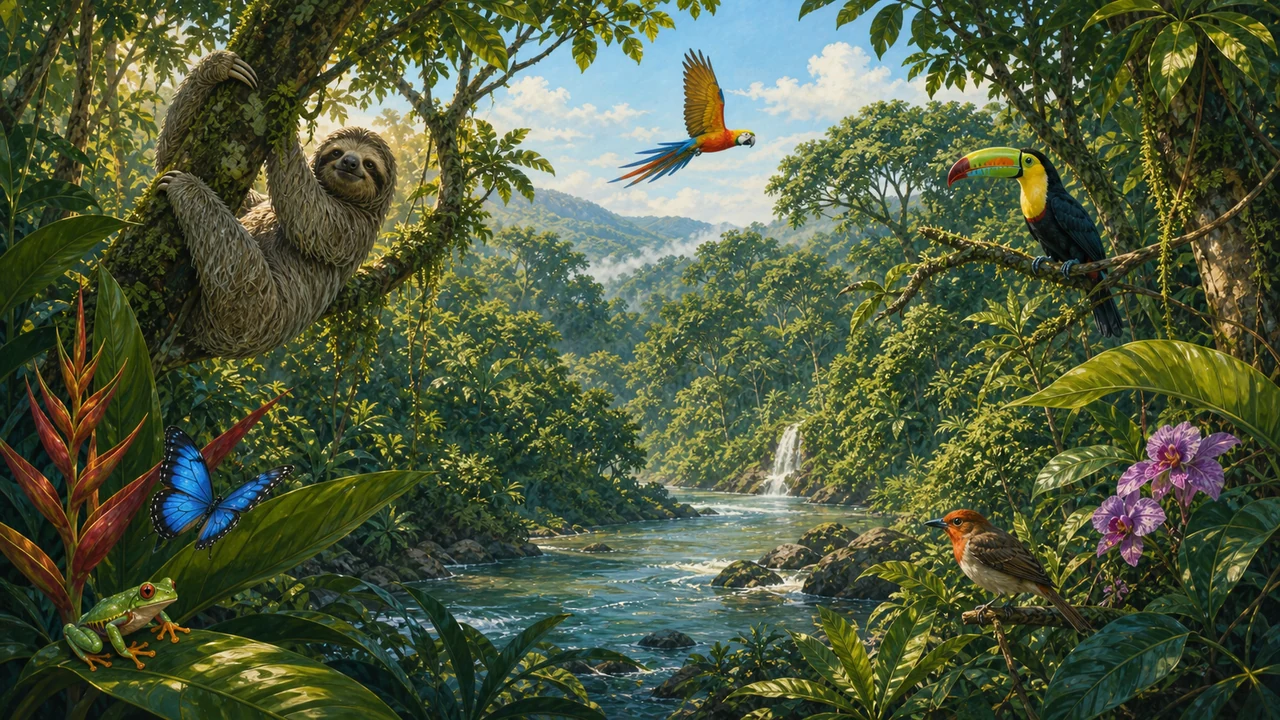
Although much of the park was logged before it received protection, wildlife has rebounded significantly and continues to increase. In the dry forest you can expect to encounter:
- Mammals: white-faced capuchin monkeys, white-nosed coatis, white-tailed deer, common long-nosed armadillos, coyotes, common raccoons, and southern opossums.
- Birds: magpie jays, orange-fronted parakeets, turkey vultures, and a variety of dry-forest species that shift with the seasons.
- Cave fauna: several bat species (Stink-Pot Hole cave hosts a notable colony), blind salamanders, blind fish, and numerous arthropod species — some potentially still undescribed by science.
The Nicoya Peninsula is also part of the world-famous Blue Zone, a region where people statistically live longer and healthier lives — a detail that adds a wellness dimension to any trip through Guanacaste.
Practical Information
Barra Honda is located approximately 22 kilometers northeast of the town of Nicoya, and about 335 kilometers from San José. For visitors flying into Guanacaste, Liberia’s Daniel Oduber International Airport (LIR) is the most convenient gateway.
The park entrance is at Quebrada Honda. Facilities include a parking area, drinking water, restrooms, a ranger station with visitor information, and basic lodging for those who want to stay overnight. Several trails are well-maintained and clearly marked.
- Wear sturdy, closed-toe shoes for both cave and trail.
- Bring a headlamp or flashlight (rangers supply helmets for the cave descent, but personal lighting is useful).
- Carry water, especially for the summit hike in dry-season heat.
- Check current park entry fees and hours directly with SINAC (the Costa Rican national park service) before your visit, as these are subject to change.
Combining Barra Honda with a visit to the nearby Nicoya Peninsula beaches and the Tempisque River wetlands makes for a well-rounded Guanacaste itinerary. For a broader look at Costa Rica’s protected wild areas, see the national parks overview and the ecotourism and nature guide.
Frequently asked questions
Can visitors enter the caves without a guide?
Only Terciopelo Cave is open to the public, and it requires a park ranger guide. The descent involves a roped ladder and a safety belay system. Arrange your guided visit at least a few days in advance through the park administration.
What is the best time of year to visit Barra Honda?
The dry season (roughly December through April) is ideal. Cave tours operate year-round, but the hiking trails above ground are most pleasant and accessible when it isn't raining. Note that Terciopelo Cave closes during the wet season for conservation reasons.
How far is Barra Honda National Park from San José?
The park is approximately 335 kilometers from San José, or about 4–5 hours by road via the Nicoya Peninsula. Liberia's Daniel Oduber International Airport (LIR) is a convenient entry point for visitors flying into Guanacaste.
What wildlife can I see in the park?
Above ground you may spot white-faced capuchin monkeys, white-tailed deer, white-nosed coatis, coyotes, armadillos, magpie jays, and orange-fronted parakeets. Inside the caves, several bat species, blind salamanders, and specialized arthropods have adapted to the permanent darkness.
Is Barra Honda suitable for families and non-cavers?
Yes. The Terciopelo Cave guided descent is manageable for most healthy adults and older teens with a head for heights. Above-ground trails to the summit viewpoint offer rewarding hikes through dry forest for anyone who prefers to stay on solid ground.