Bernarda Vásquez Méndez: First Woman to Vote in Costa Rica
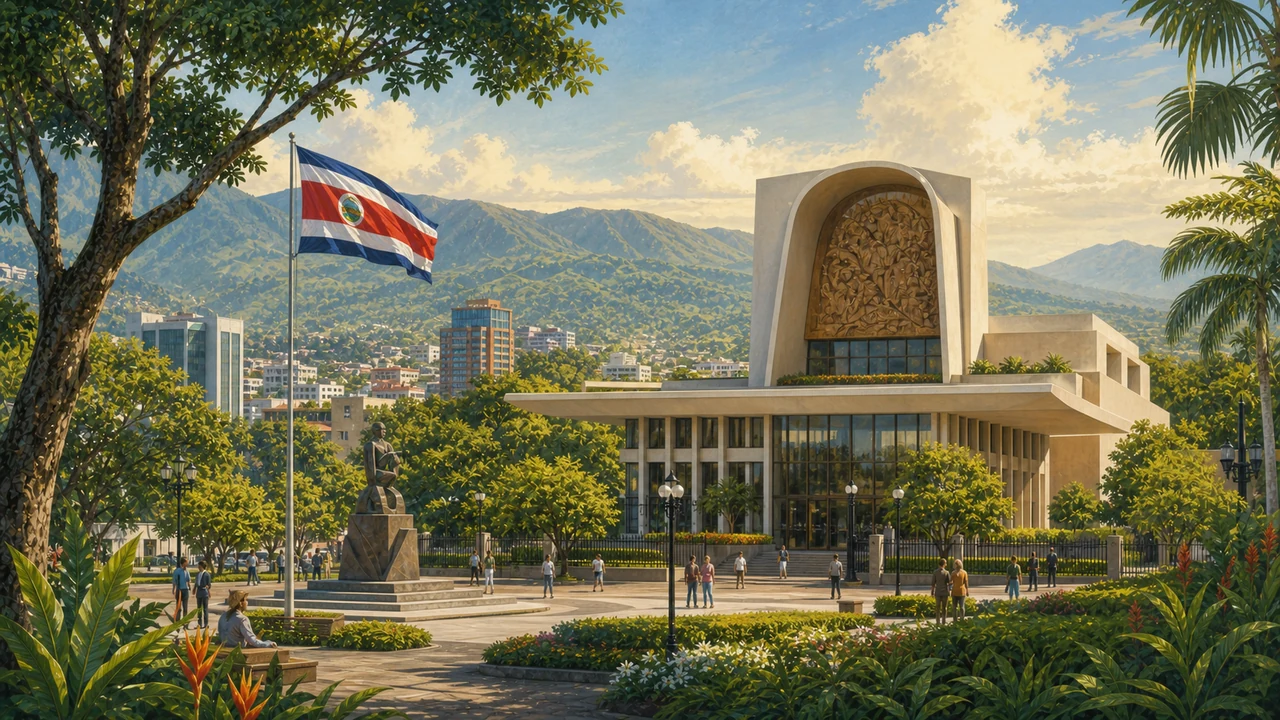 On July 30, 1950, a 27-year-old farm woman named Bernarda Vásquez Méndez walked to a polling station in La Fortuna, in the San Carlos canton of Alajuela, and cast a ballot — becoming the first woman to vote in Costa Rican history. It was a quiet, almost reluctant act of history, yet it sealed a democratic promise that had been written in blood just two years earlier.
Costa Rica’s path to universal women’s suffrage in Costa Rica runs through the turbulent events of 1948. Understanding that story — and the woman at its center — gives travelers and history enthusiasts a vivid window into the ideals that shaped the country they visit today.
The 1948 Civil War and the Birth of a New Constitution
Costa Rica’s road to democracy was anything but smooth. After gaining independence from Spain in 1821, the country spent much of the following century under the thumb of a coffee-growing elite, punctuated by military coups that replaced one narrow oligarchy with another. Real political transformation would not arrive until the late 1940s.
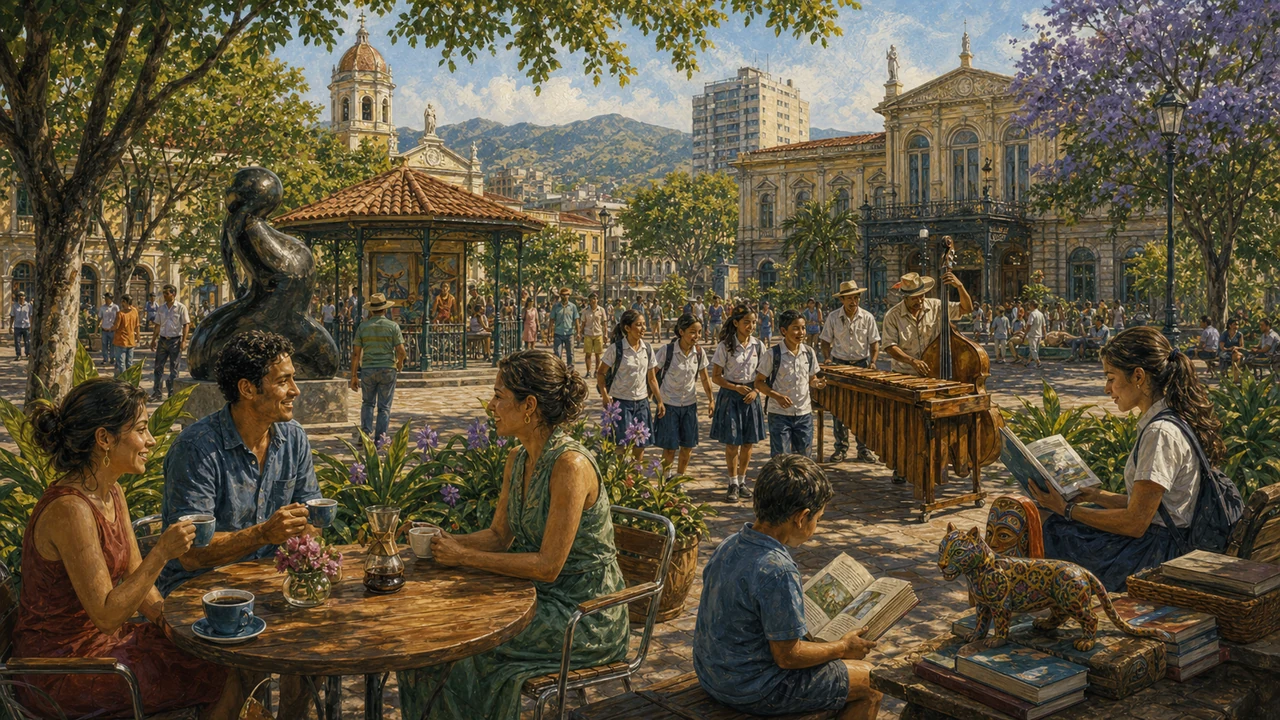 The trigger was the disputed presidential election of 1948. When the ruling government annulled results that had gone against it, José Figueres Ferrer — a farmer and businessman with a Guatemalan-trained militia — launched an armed uprising. The resulting civil war lasted roughly six weeks and claimed more than 2,000 lives. It remains the most violent episode in modern Costa Rican history.
Figueres emerged victorious and, rather than consolidating personal power, used the moment for sweeping reform. A constituent assembly drafted an entirely new constitution, ratified in 1949, that transformed Costa Rican society in ways that continue to define it:
- The military was abolished — the army’s budget was redirected to education and health care.
- Presidential term limits were established to prevent the entrenchment that had plagued earlier eras.
- Full suffrage was extended to women and full citizenship was granted to Black Costa Ricans, who had been denied it under prior law.
This is why visitors today encounter a country that proudly describes itself as the oldest stable democracy in Latin America and has maintained civilian, elected government for decades without interruption. The country abolished its army in 1948 — a fact commemorated on the national shield and reflected in national pride.
July 30, 1950 — A Historic Morning in La Fortuna
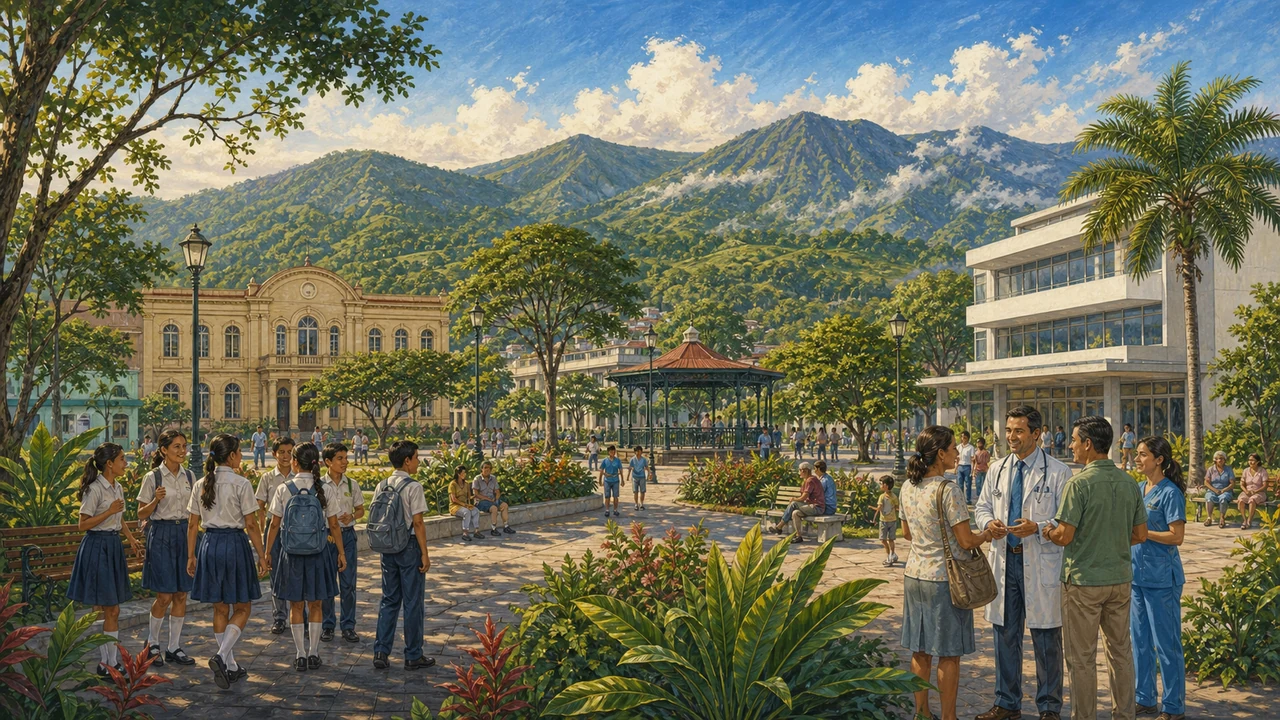 The first election open to women was a municipal vote in the La Fortuna and La Tigra communities, deciding whether these towns would transfer from the canton of San Ramón to the canton of San Carlos. It was a local matter — not a national spectacle — and Bernarda Vásquez Méndez woke before dawn to participate in it.
She recalled the general sense of excitement in the community, yet she felt more observer than protagonist. “I was just a simple farm girl,” she said in later interviews. “Politics and elections were things that did not seem to affect me.” The awareness that she was making history was present, but she found it hard to be animated about the fact. She cast her vote, and the moment passed into the record books.
This honest ambivalence is perhaps more instructive than any triumphant narrative. Costa Rica’s democratic gains of 1949 were not the product of a single mass movement but of a constitutional moment that filtered slowly into daily life — and into the awareness of ordinary citizens like Doña Vásquez.
Billboards along the highway through La Fortuna have long reminded passers-by of the right to vote that was “consecrated here.” Neighbors in the area have spoken with evident pride when pointing visitors toward her home — a modest house on a narrow side street, where plaques, photographs, and presidential commendations hang on the walls alongside a lovingly maintained shrine to the Virgin Mary.
The Woman Behind the History
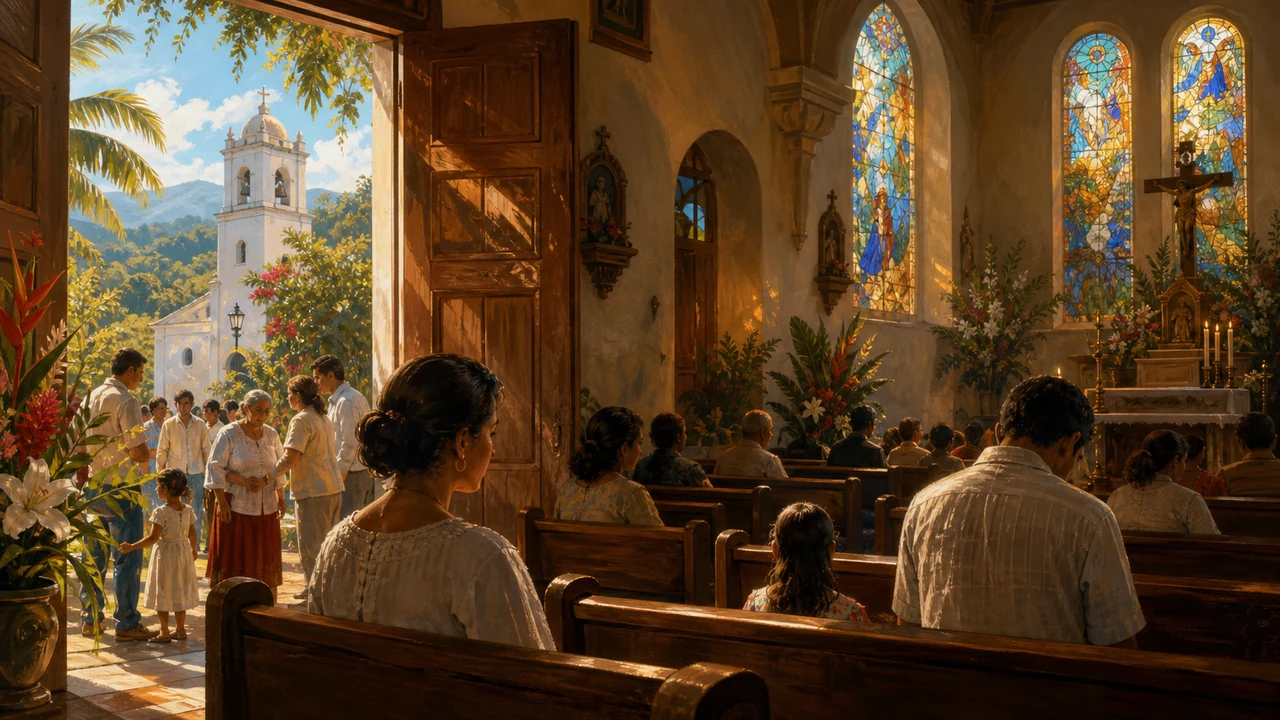 Bernarda Vásquez Méndez grew up on a family farm and attended school only through the fourth grade, at which point she was needed full time on the land. She learned to read and write, and she never married. For more than fifty years she shared her home with her brother Francisco in the same house in La Fortuna.
She was a woman of quiet routine and deep faith. Visitors who sought her out in her later years found a rosary in her hands and the familiar scent of candles and flowers drifting through the rooms. The plaques from presidents had gathered dust on their nails; the altar to the Virgin was freshened with white linen and new flowers. The contrast said something about where she placed her true allegiances.
Her government pension was meager — far below any reasonable measure of poverty — a fact that struck observers as a painful irony for a woman honored in official ceremonies and cited in textbooks as a symbol of Costa Rica’s democratic awakening. The country remembered her milestone while leaving her material circumstances largely to chance.
When asked in her final years whether there was anything she still wanted, she paused and said simply: to die. The answer silenced the room. Then she stood, guided herself along the familiar walls by touch, and offered her visitors homemade picadillo. The conversation turned to weather, soccer, and food. She was, above all, a person — not a monument.
What This Story Means for Costa Rica’s Identity
Costa Rica’s 1949 constitutional reforms are not distant political history. They are the living foundation of a country that has since built one of the highest quality-of-life indices in Latin America, sustained a functioning democracy through regional upheavals, and developed a reputation for environmental stewardship and peaceful governance.
The suffrage story connects to a broader set of values that travelers sense when they arrive: a genuine civic seriousness, an absence of military presence (replaced by robust social investment), and a national pride grounded less in dominance than in democratic principles. Costa Rica general information and history pages on this site trace these threads across culture, government, and daily life.
Visitors interested in this dimension of Costa Rican culture will find it threaded through San José — the capital, home to the National Museum, the National Theater, and public plazas where political life plays out openly — and in the Alajuela province, where La Fortuna sits amid the landscapes of north-central Costa Rica.
Visiting the La Fortuna Area
La Fortuna today is best known as the gateway to the Arenal Volcano region, drawing visitors for its hot springs, zip lines, and jungle adventures. But it carries this quieter historical distinction as well — the place where a farm woman first exercised a right that half the population had been denied.
If you are planning a visit to Costa Rica and want to understand what makes this small country unusual among its neighbors, the story of Bernarda Vásquez Méndez is a good place to start. A country that abolished its army, extended voting rights in 1949, and built stable institutions across the following decades made a series of deliberate choices. The woman who cast that first ballot on a July morning in La Fortuna was — knowingly or not — the human face of one of those choices.
For more context on Costa Rica’s history and civic pride, explore the Costa Rica general info section, or read about the national symbols that reflect these values. Planning a trip? See Costa Rica travel tips for practical advice on making the most of your visit.
Frequently asked questions
When did women get the right to vote in Costa Rica?
Women's suffrage was established in Costa Rica's 1949 constitution, signed into law following the 1948 civil war. The first election in which women could participate took place on July 30, 1950.
Who was the first woman to vote in Costa Rica?
Bernarda Vásquez Méndez, a farm woman from the La Fortuna area of San Carlos, cast the first female vote in Costa Rican history on July 30, 1950. She was 27 years old at the time.
Who granted women the right to vote in Costa Rica?
José Figueres Ferrer, who took power after the 1948 civil war, oversaw the drafting of the 1949 constitution that granted full suffrage to women and citizenship rights to Black Costa Ricans.
What else happened in Costa Rica's 1948 revolution?
The 1948 civil war and its aftermath produced sweeping reforms: Costa Rica abolished its military, established presidential term limits, guaranteed universal suffrage, and granted citizenship to Black Costa Ricans. These changes made Costa Rica one of the most stable democracies in Latin America.
Where is La Fortuna, where Bernarda Vásquez Méndez voted?
La Fortuna is a community in the San Carlos canton of the Alajuela province, in north-central Costa Rica. It is best known today as the gateway to the Arenal Volcano region and attracts visitors for its hot springs and adventure activities.