Costa Rica History: Culture, News Context and the Story Behind Modern Costa Rica
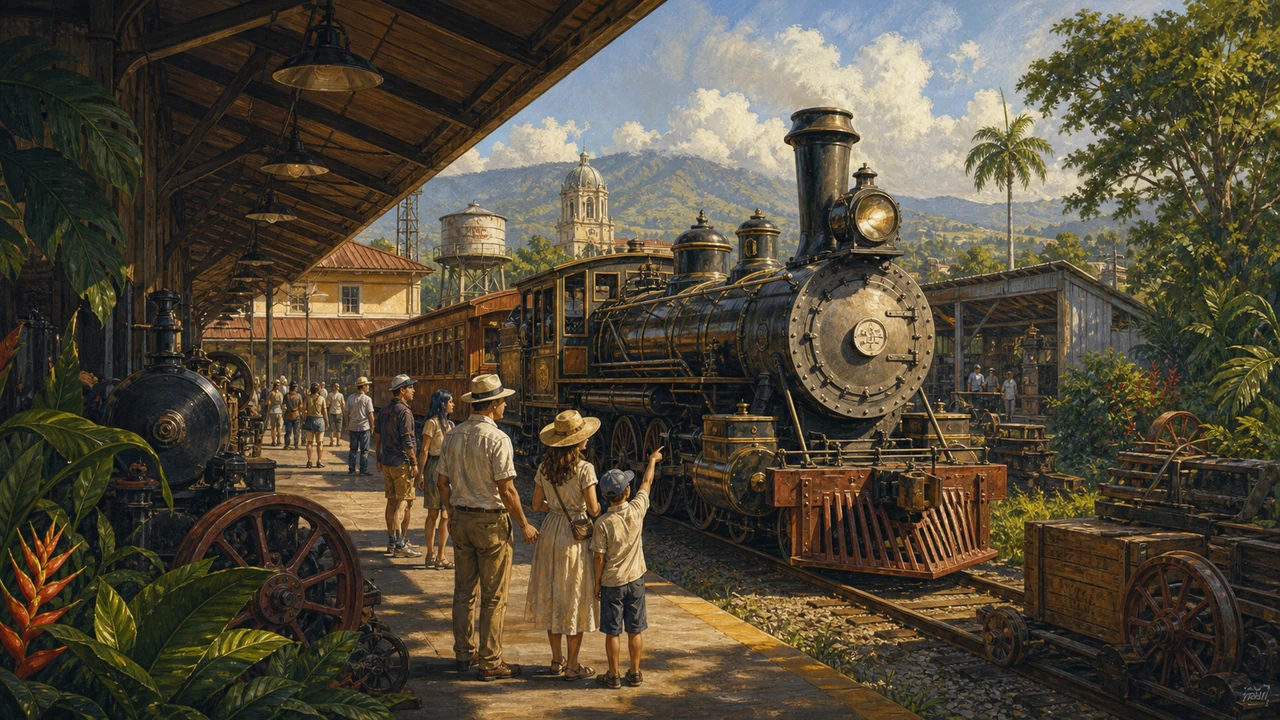
Costa Rica history explains much of what travelers notice today: the confidence of its democracy, the pride in education, the absence of an army, the strength of conservation, the regional diversity of its culture and the way a small country became one of Latin America’s best-known success stories. Older links sometimes describe this section as Costa Rica News, but the deeper value of the page is historical context. News changes by the day; history explains why the country works the way it does.
The story is not a straight march toward paradise. Costa Rica was shaped by displacement, disease, colonial poverty, agricultural labor, political conflict, foreign companies, civil war and hard institutional choices. Its modern identity as a peaceful, educated and nature-focused republic came from those tensions, not from luck alone.
Costa Rica News Needs Historical Context
Many searches and older references mix Costa Rica News with Costa Rica history because current events in the country often make more sense when read through the country’s long civic story. News about elections, conservation, education, tourism, public health, Indigenous communities, Caribbean culture, coffee towns, national parks or the absence of a military all rests on historical foundations.
For that reason, this page works as a historical companion to the tourism news archive. It does not try to replace daily reporting. Instead, it explains the deeper background behind recurring Costa Rica news themes: why democratic institutions are so central to national identity, why conservation became a public achievement, why Cartago, Guanacaste and Limon carry distinct regional weight, and why Costa Rica’s decision to abolish the army still shapes how the country presents itself to the world.
Before Spain: Indigenous Societies and Regional Exchange
Long before Europeans arrived, the territory now called Costa Rica was home to diverse Indigenous peoples. The country sat between Mesoamerica and the cultures of northern South America, so its pre-Columbian history reflects both worlds. Communities traded jade, gold, ceramics, food and ideas across mountains, river valleys and coasts.
Archaeological evidence shows societies with farming, craft specialization, ceremonial objects and regional leadership. The famous stone spheres of the Diquís Delta, jade carvings, gold ornaments and finely worked ceramics reveal technical skill and complex symbolic systems. Contemporary Indigenous communities such as the Bribri, Cabécar, Boruca, Maleku, Ngäbe, Chorotega and others preserve languages, crafts and territorial memory that remain essential to Costa Rican culture.
For travelers, this history is visible in museums, place names, pottery traditions, cacao culture, masks, oral narratives and the landscapes of Indigenous territories. Costa Rica’s history does not begin with Columbus; it begins with the peoples who knew the land first.
Spanish Contact and a Poor Colony
Christopher Columbus reached the Caribbean coast in 1502 during his fourth voyage. Spanish settlement, however, proved slow and difficult. Unlike Mexico or Peru, Costa Rica had no great silver or gold empire for Spain to exploit. European diseases devastated Indigenous populations, and surviving communities often retreated into areas where colonial control was weaker.
This poverty changed the colony’s future. Spanish settlers in the Central Valley often had to work small plots themselves. Without a large mining economy or a huge coerced labor force, Costa Rica developed a more modest and relatively egalitarian rural society than many neighboring colonies. Cartago became the colonial capital, but the country remained isolated and poor for centuries.
That colonial hardship later became part of Costa Rica’s civic mythology. The idea of the hardworking small farmer, the independent household and the community that solves problems without grand aristocratic privilege helped shape how Costa Ricans understood themselves.
Independence in 1821 and the Central Valley Republic
Costa Rica became independent from Spain on September 15, 1821, along with the rest of Central America. The news arrived late, a reminder of how remote the province was. After independence, Costa Rica joined and then separated from regional political arrangements before consolidating as its own republic.
The early decades were marked by rivalry among Central Valley towns. Cartago, San José, Heredia and Alajuela all mattered, but San José eventually became the political and economic center. The annexation of the Nicoya region in 1824 added Guanacaste’s cultural and geographic importance to the national story.
Independence did not instantly create prosperity. Costa Rica still needed an export crop, roads, capital and stable institutions. Coffee would provide the turning point.
Coffee, Education and the 19th-Century State
Coffee transformed Costa Rica in the 19th century. The crop grew well in the Central Valley, and exports to Europe brought money into a country that had long been poor. Coffee financed roads, public buildings, schools and a more outward-looking elite. It helped build the National Theater in San José, still one of the country’s great cultural symbols.
The coffee era was not perfectly equal, but its structure mattered. Many producers were small or medium landholders, not only vast plantation owners. That helped create a broader rural middle class and a strong link between property, education and civic participation.
The same century also produced one of Costa Rica’s defining national episodes: the campaign against William Walker, the North American filibuster who seized power in Nicaragua and threatened Central America. Costa Rican forces fought him in 1856, and Juan Santamaría became a national hero for his role at Rivas. His story remains central to civic education and national holidays.
The 20th Century: Reform, Conflict and the End of the Army
The 20th century brought modernization and conflict. The banana industry expanded on the Caribbean coast, drawing Afro-Caribbean and Chinese communities into the national story while also exposing the power of foreign companies. Social reforms in the 1940s created the University of Costa Rica’s modern role, the Caja Costarricense de Seguro Social and the Labor Code.
Political conflict culminated in the 1948 civil war, a short but bloody struggle that became the decisive break in modern Costa Rican history. After the war, José Figueres Ferrer and the victorious junta abolished the army. The 1949 constitution made civilian democracy, social guarantees and the absence of a standing military central features of the republic.
That choice changed Costa Rica’s path. While much of Central America later suffered military dictatorships and civil wars, Costa Rica invested national identity in elections, schools, health care and peaceful diplomacy. President Óscar Arias Sánchez won the Nobel Peace Prize in 1987 for his role in Central American peace efforts, reinforcing that international image.
Why Costa Rica History Matters for Travelers
History is not separate from travel in Costa Rica. It explains why Cartago’s churches matter, why Guanacaste has a strong regional identity, why Limón feels culturally distinct, why coffee towns shaped the Central Valley, why national parks became a civic achievement and why Costa Ricans speak with pride about not having an army.
It also helps visitors read the country with more care. Costa Rica is not only beaches and wildlife. It is Indigenous resilience, colonial hardship, coffee wealth, Afro-Caribbean culture, social reform, political compromise, conservation policy and a constant negotiation between development and protection.
Use this page as a hub for exploring the historical layers behind Costa Rican culture:
- What Makes Costa Rica’s History Unique in Latin America
- Important Historical Dates in Costa Rica
- Bernarda Vásquez Méndez: The First Woman to Vote in Costa Rica
- One of Costa Rica’s Earliest Settlements
- The Origins of Tortuguero
- Costa Rica Art and Culture
- Costa Rica National Symbols
Frequently asked questions
When did Costa Rica become independent?
Costa Rica became independent from Spain on September 15, 1821, together with the other Central American provinces. The news reached Costa Rica weeks later because the colony was remote from the main centers of Spanish power.
Why is Costa Rica's history considered unusual in Central America?
Costa Rica was a poor and isolated colony with no major mines and no large surviving indigenous labor force under Spanish control. That produced a society of small farmers, broader literacy and relatively egalitarian habits that later supported democracy.
Why does Costa Rica have no army?
After the 1948 civil war, José Figueres Ferrer and the victorious junta abolished the army. The 1949 constitution made that decision permanent, and Costa Rica redirected national resources toward education, health and civilian institutions.
How did coffee shape Costa Rica?
Coffee became Costa Rica's first major export in the 19th century. It financed roads, schools, public buildings and a growing middle class, helping connect the small republic to global trade.
Where can travelers learn more about Costa Rican history?
San José has major museums such as the National Museum, Jade Museum and Pre-Columbian Gold Museum. Travelers can also explore Cartago, Orosi, Guanacaste, the Caribbean coast, historic coffee towns and the pages linked from this history hub.