Costa Rican Art Museum — Parque La Sabana, San José
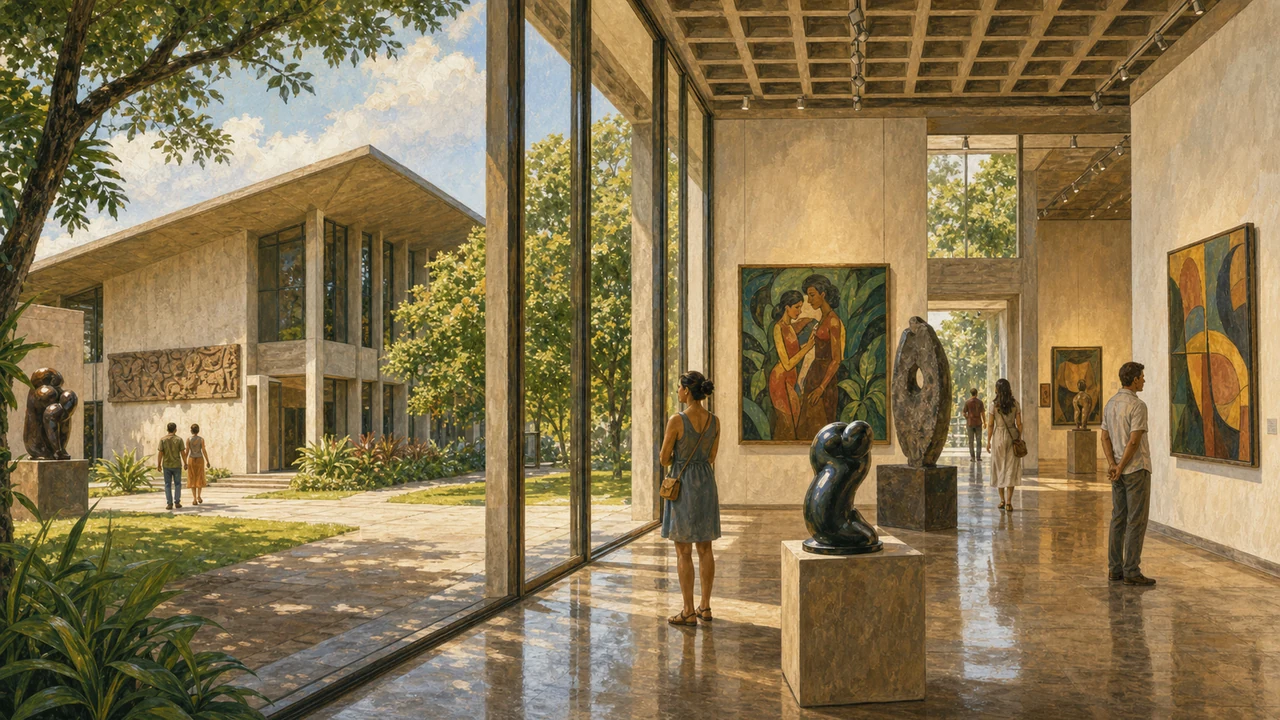
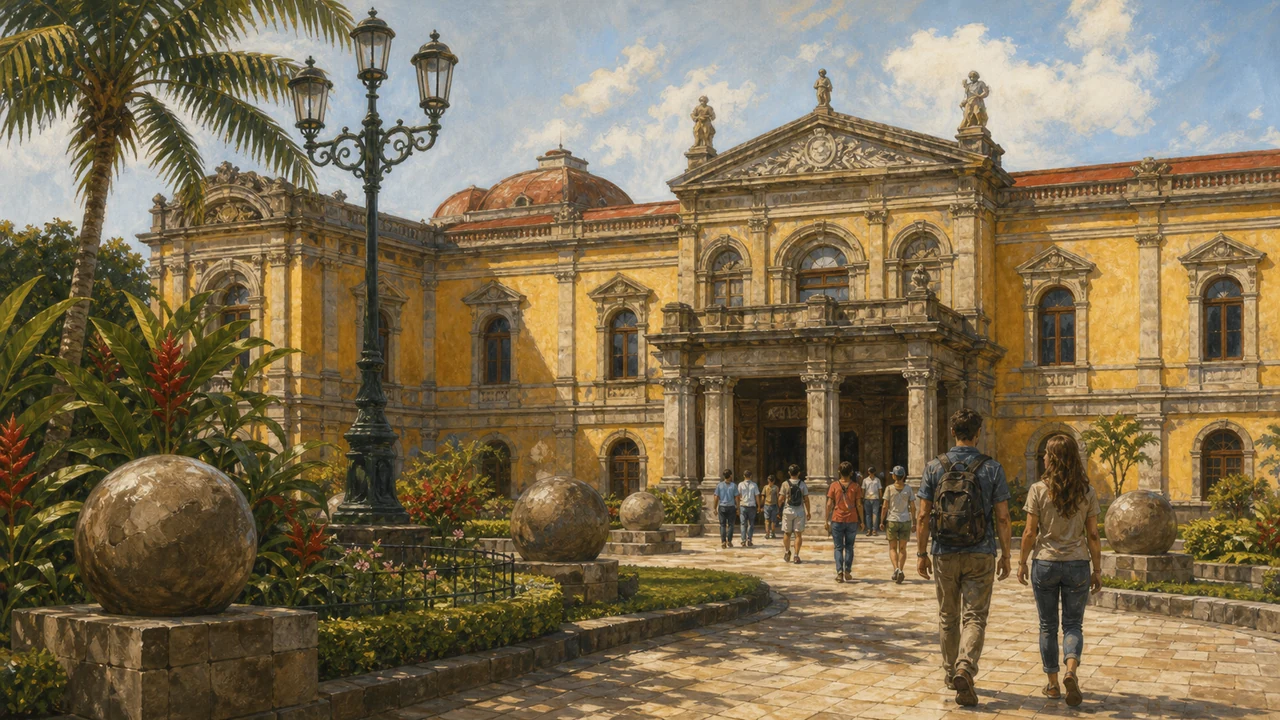
The Museo de Arte Costarricense (Costa Rican Art Museum) is the country’s foremost repository of fine art — a place where a century of painting, sculpture, and printmaking is gathered under one historically charged roof. Founded in 1977 and housed in a graceful Spanish-Colonial building at the eastern edge of Parque La Sabana in San José, it is an essential stop for anyone curious about Costa Rican identity, creativity, and cultural heritage.
A Terminal Transformed: The Building’s Story
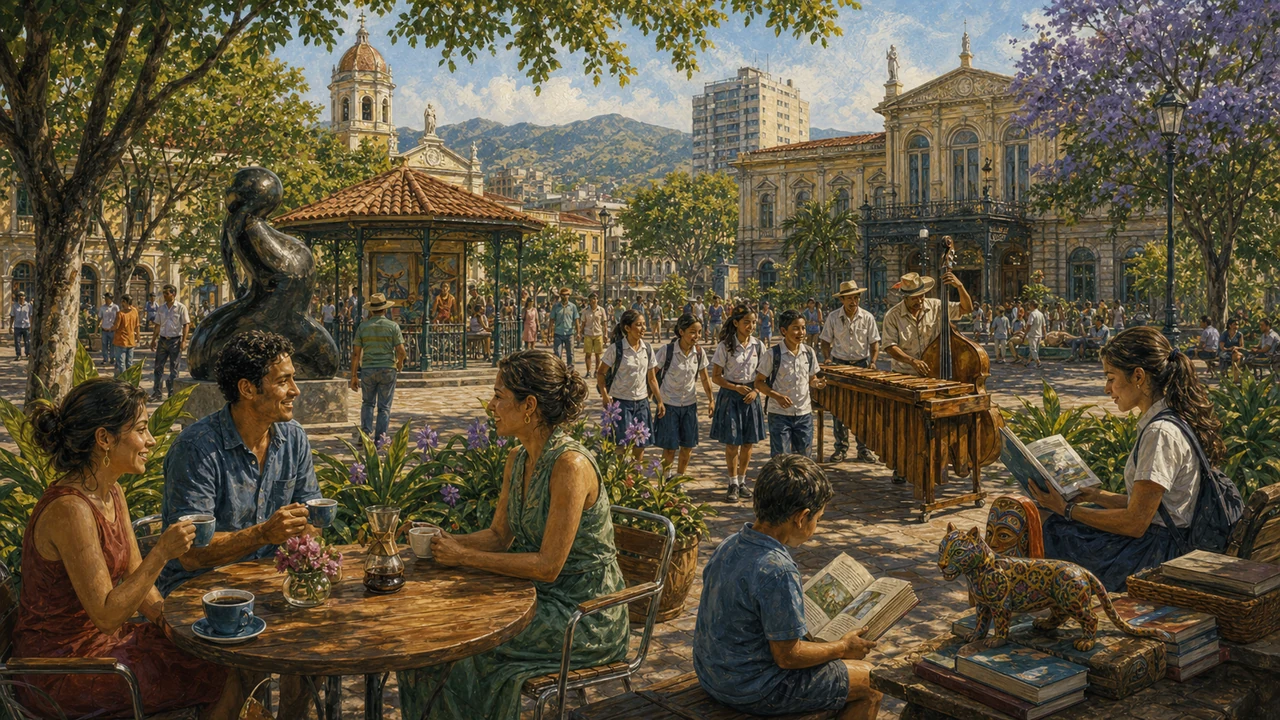
Few art museums anywhere in the world occupy a space with as evocative a back-story as this one. The building that houses the collection was originally constructed as the terminal of Costa Rica’s first international airport. Passengers once set foot on Costa Rican soil here before crossing the tarmac that is now the lush green lung of San José.
When air traffic shifted to what became Juan Santamaría International Airport (SJO) in Alajuela, the old terminal was repurposed rather than demolished. The airfield was transformed into Parque La Sabana — the capital’s largest urban park — while the elegant terminal building was given new life as a home for the national art collection. The architecture itself, with its arched colonnades and unhurried proportions, sets a fittingly contemplative mood before you even step inside.
The Permanent Collection
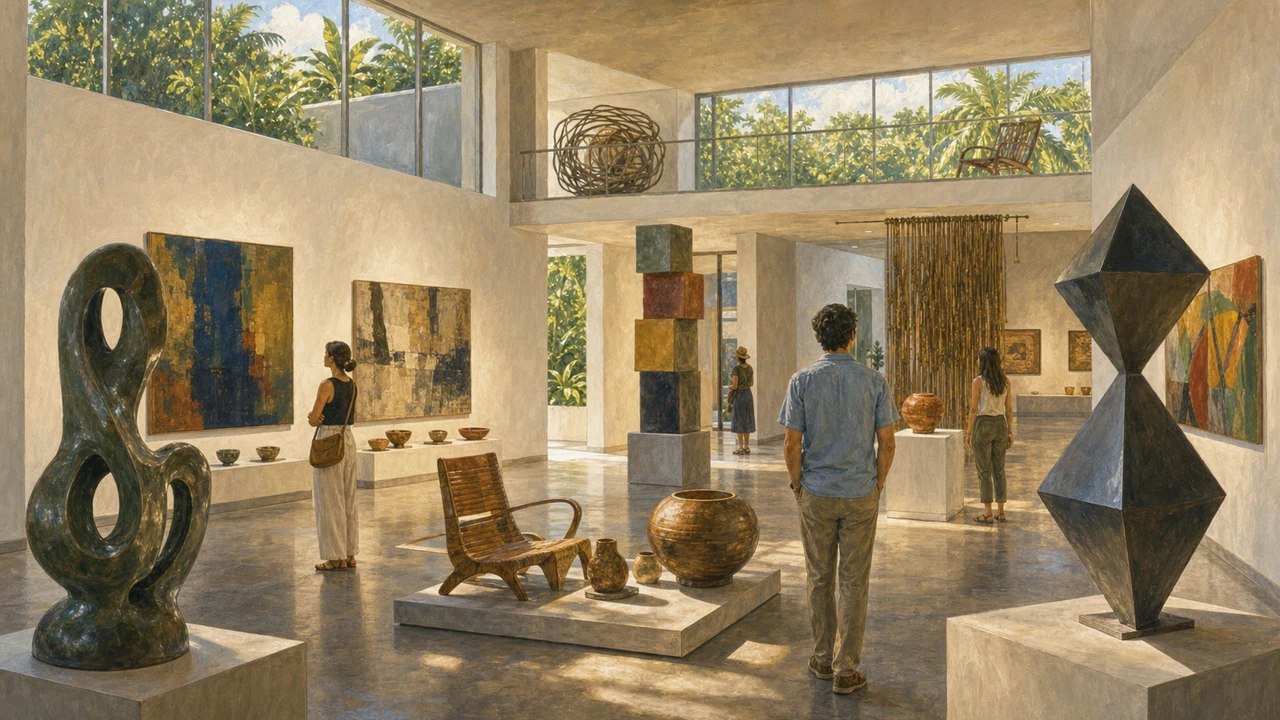
The permanent national collection of Costa Rican fine arts spans more than a century of creative output and encompasses an impressive range of media: oil paintings, watercolors, woodcuts, ceramic pieces, and wooden sculptures. Nineteenth- and twentieth-century works form the historical core, documenting how Costa Rican artists responded to European influences while forging a distinctly local voice.
Landscape painting features prominently — the country’s mountains, coffee farms, and volcanic peaks were enduring subjects for early masters — but the collection also charts the bolder directions that artists took as the twentieth century progressed. Costa Rican abstract art and modernist painting are particularly well represented, and several works by internationally exhibited artists appear alongside those of pioneers who rarely left the Central Valley.
Alongside the paintings, the woodcut and printmaking collection offers a window into mid-century graphic art that still feels fresh. The wooden sculpture tradition in Costa Rican fine arts is another highlight: carved forms that draw on both indigenous aesthetics and contemporary formal experimentation.
The Salón Dorado
The museum’s crown jewel is the Salón Dorado (Golden Hall) on the second floor — arguably the single most remarkable interior space dedicated to art history in the entire country. The hall’s mural was executed in stucco and bronze patina by French sculptor Louis Ferón during Costa Rica’s “muralist” period, when large-scale narrative art was the medium of civic ambition.
The composition unfolds as a panoramic visual chronicle: pre-Columbian life, Spanish colonization, independence, and the consolidation of the modern republic all appear in sequence, carrying the narrative through to the mid-twentieth century. The golden warmth of the patina gives the hall its name and its atmosphere — standing inside feels genuinely monumental without being cold.
Beyond its role as a visual archive, the Salón Dorado occasionally serves as a venue for chamber music concerts in San José, often offered free of charge. If your visit coincides with one of these performances, the combination of music and gilded mural art is extraordinary.
Temporary Exhibitions and Contemporary Programming
The museum does not rest on its historical laurels. Rotating exhibitions of contemporary Costa Rican and international artists keep the programming lively throughout the year, and the curatorial team has used these shows to spotlight women artists, indigenous perspectives, and cross-disciplinary work that pushes at the boundaries of traditional gallery presentation.
If you are visiting San José as part of a broader art and culture itinerary, checking the museum’s current exhibition calendar before you go is always worthwhile.
The Sculpture Garden and Parque La Sabana
The museum’s outdoor sculpture garden extends the collection beyond the walls and into the open air of Parque La Sabana. Works by leading Costa Rican sculptors are positioned across the grounds, inviting a leisurely walk that functions as an open-air gallery in its own right.
The park itself rewards extra time. Sabana’s fields, lakes, and tree-lined paths make it a beloved green escape for josefinos (San José residents), and the surrounding cultural institutions — sports facilities, a lagoon, and walking routes — turn a museum visit into a half-day experience. The juxtaposition of art, architecture, and parkland in a single space embodies the cultural ambitions Costa Rica has held for its capital since the mid-twentieth century.
Planning Your Visit
The museum is straightforward to reach from anywhere in central San José. Taxis and rideshares drop off directly at the park entrance nearest the museum. City buses heading west along Paseo Colón also pass close by.
- Admission: Free on Sundays; a nominal fee applies on other days. Verify current pricing before your visit, as rates are subject to change.
- Hours: The museum maintains regular weekday and weekend hours; confirm these directly with the museum, as holiday schedules vary.
- Photography: Generally permitted in permanent galleries without flash; temporary exhibitions may have restrictions — ask at the entrance.
- Accessibility: The ground-floor galleries are accessible; the Salón Dorado on the second floor has stairs, so check with staff about lift availability if needed.
For a fuller picture of the capital and what surrounds it, see our guide to San José and the broader art and culture section of the site. Visitors combining a cultural day in the city with nature excursions will find useful planning advice in our Costa Rica travel tips.
Frequently asked questions
Where is the Costa Rican Art Museum located?
The Museo de Arte Costarricense sits at the eastern end of Parque La Sabana in San José. The park is easily reached by taxi, Uber, or local bus from the city center, and the museum's landmark building is visible from the main road.
Is admission to the Costa Rican Art Museum free?
Admission is free on Sundays. On other days a nominal entry fee applies; check the museum's official website or contact them directly for current rates, as fees can change.
What is the Salón Dorado?
The Salón Dorado (Golden Hall) is the museum's most celebrated space, located on the second floor. Its sweeping stucco-and-bronze-patina mural — created by French sculptor Louis Ferón during Costa Rica's muralist period — traces the nation's history from pre-Columbian times through the mid-twentieth century.
Why is the museum building historically significant?
The Spanish-Colonial style building that houses the museum was originally the passenger terminal of Costa Rica's first international airport. When the airport was decommissioned, the terminal was converted into the art museum, and the surrounding airfield became Parque La Sabana — today San José's largest urban park.
Are there temporary exhibitions at the museum?
Yes. Alongside its permanent national collection the museum regularly hosts rotating exhibitions of contemporary Costa Rican and international artists, so there is usually something new to see even on a return visit.