Costa Rica Has No Army: The Story Behind the Decision
Costa Rica has had no standing army since December 1, 1948 — making it one of the very few countries in the world whose constitution permanently prohibits a military force. That single decision, taken more than seven decades ago, shaped everything from the national budget to the country’s global identity as a place of peace.
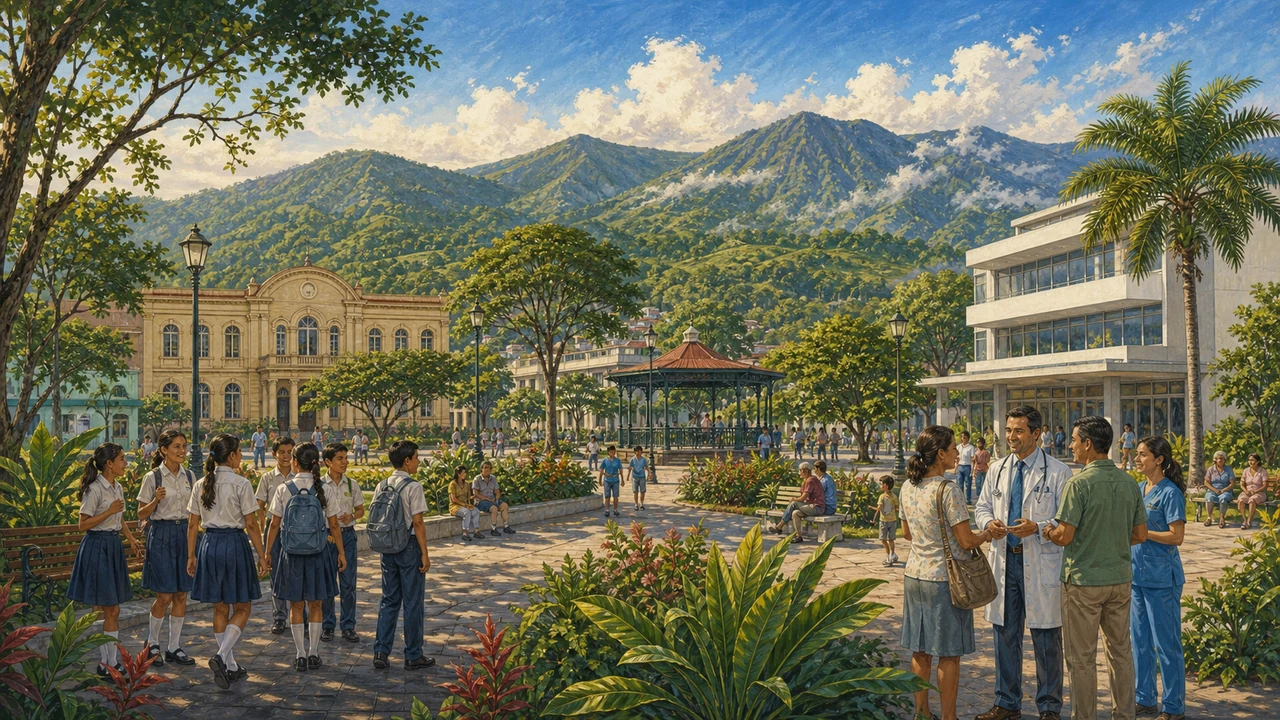 That day is still celebrated every year as the Día de la Abolición del Ejército (Day of the Abolition of the Army), a public holiday on December 1 when schools and civic organizations reflect on a bold political choice that most of the world’s governments have never dared to make. For visitors, understanding this history helps explain the confidence and openness that defines Costa Rican culture today.
The 1948 Civil War and José Figueres
To understand why Costa Rica abolished its army, you have to understand the political turbulence that preceded it. A disputed presidential election in 1948 triggered a short but intense civil war — just 44 days of fighting — that left roughly 2,000 people dead. The rebel forces, led by the coffee farmer and politician José Figueres Ferrer, emerged victorious.
Figueres governed through a temporary junta while a new constitution was drafted. On December 1, 1948, he made a declaration that stunned the region: Costa Rica would disband its military permanently. Standing inside the Cuartel Bellavista — the main army barracks in San José — he handed the keys of the building over to the Minister of Education. He then took a sledgehammer to the wall as a symbolic act, turning a fortress into a future. That building is now the Museo Nacional de Costa Rica (National Museum), its cannon-scarred facade left intact as a reminder of what was renounced.
The 1949 constitution enshrined the decision in Article 12: “The Army as a permanent institution is proscribed.”
A Budget Redirected to People
 The practical impact of abolishing the Costa Rican military and redirecting defense spending was enormous. Funds that would have gone to weapons, barracks, and troop salaries were funneled instead into two priorities: public education and public health.
The results speak for themselves. Costa Rica achieved near-universal literacy rates and built one of the most respected public school systems in Central America. The country also developed a universal public healthcare network — the Caja Costarricense de Seguro Social (CCSS), known as the “Caja” — that serves citizens and legal residents alike. Life expectancy in Costa Rica regularly ranks among the highest in the Americas, and the Nicoya Peninsula is recognized as one of the world’s Blue Zones, where people routinely live past 100.
This is not a coincidence. When a nation does not have to fund a military, it can afford to invest in the things that actually lengthen and improve lives: schools, clinics, clean water, and infrastructure. Costa Rica made that bet in 1948 and has never looked back.
The Peace Identity on the World Stage
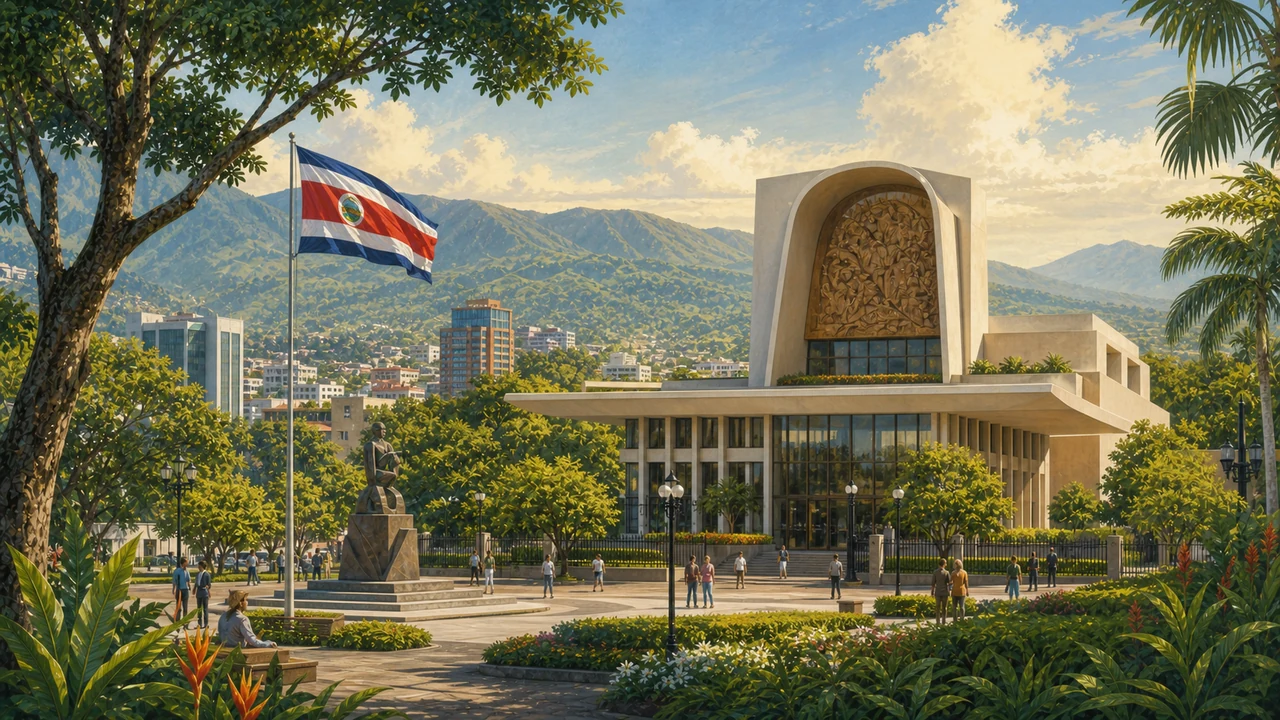 Abolishing the army did not just change domestic policy — it gave Costa Rica a unique diplomatic identity. The country became a vocal advocate for peaceful conflict resolution throughout the Cold War, a period when most of its neighbors were embroiled in military coups, civil wars, and proxy conflicts funded by outside powers.
That commitment to peace reached its peak recognition in 1987, when President Óscar Arias Sánchez was awarded the Nobel Peace Prize for developing the Arias Peace Plan, a framework that helped bring an end to several Central American civil wars. Costa Rica’s demilitarized status was central to its credibility as a peace broker — a country with no army of its own was uniquely positioned to call for disarmament in the region. You can read more about that landmark recognition on the Nobel Peace Prize page.
Costa Rica has also hosted international organizations and served as the seat for the Inter-American Court of Human Rights, further cementing its role as a neutral, rights-respecting member of the international community.
What Keeps Costa Rica Secure Today
Abolishing the military did not mean abolishing security. Costa Rica maintains well-funded civilian law enforcement:
- Fuerza Pública — the national police force, handling everyday law enforcement across all provinces
- Policía de Fronteras — border police managing the country’s land crossings with Nicaragua and Panama
- Servicio Nacional de Guardacostas — a coast guard that patrols both the Pacific and Caribbean coasts, assisting with maritime safety, fishing regulation, and anti-trafficking operations
- OIJ (Organismo de Investigación Judicial) — the judicial investigative police, equivalent to a detective bureau, handling serious and organized crime
None of these are military institutions. They carry sidearms and operate under civilian judicial oversight. The constitution is explicit: there is no army, and there will not be one.
For travelers, this translates to a country where safety in Costa Rica is a realistic expectation rather than a gamble. As with any destination, basic precautions apply — but the structural foundations of Costa Rican society are built on civic trust rather than military control.
How This Shapes the Experience of Visiting
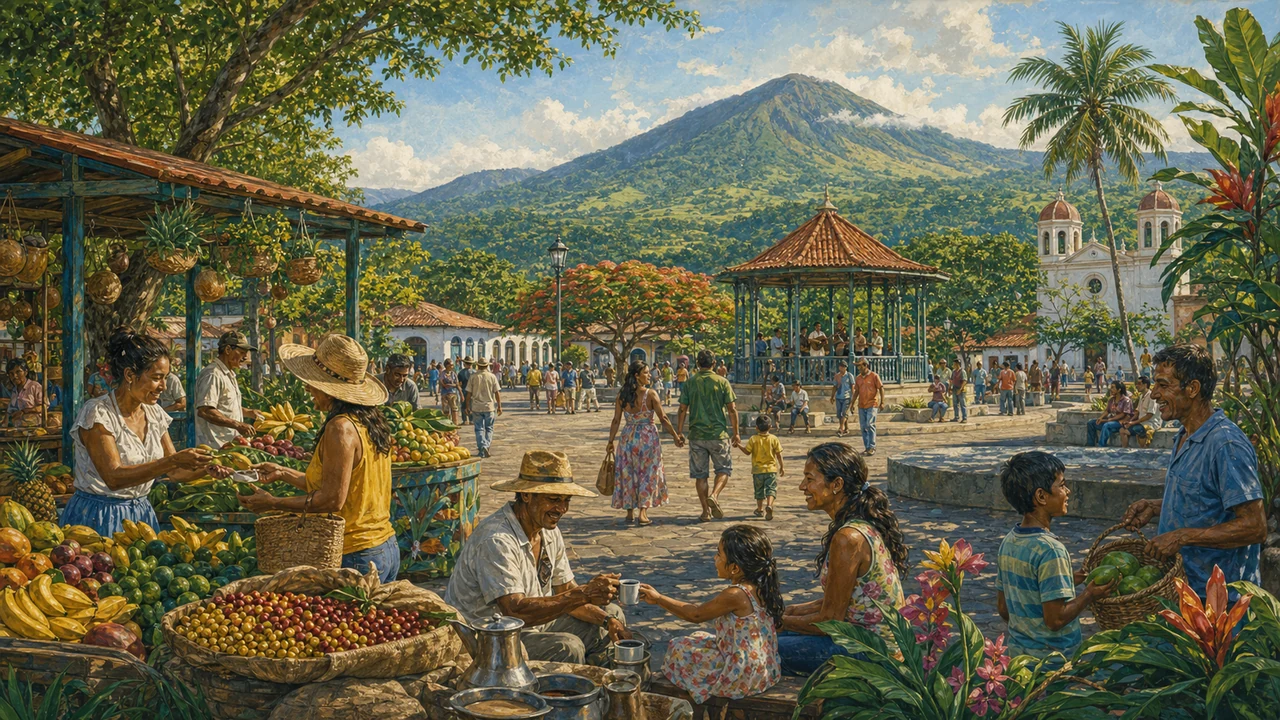 Visitors often notice something intangible but real: Costa Rica feels relaxed in a way that countries with large military presences do not. You will not see armed soldiers at checkpoints or military bases scarring the landscape. The closest equivalent is a police officer directing traffic at a busy intersection or patrolling a beach.
This peace-first culture is part of what makes Costa Rica one of the most welcoming travel destinations in Latin America. The national ethos of Pura Vida — pure life, the phrase Ticos use for everything from hello to thank you to “no worries” — is not just a marketing slogan. It reflects a genuine orientation toward enjoying life, valuing people over power, and investing in well-being — part of why Costa Rica is so often called the happiest country in the world.
That philosophy is visible everywhere: in the national parks that protect more than 25% of the country’s land, in the world-class ecotourism infrastructure, in the quality of public hospitals, and in a public education system that has produced one of the highest literacy rates in the Americas. These are the dividends of a decision made in 1948 by a man with a sledgehammer and a vision.
A Legacy That Resonates
The abolition of the Costa Rican army is not just a historical footnote — it is a living policy that shapes national identity every day. Children learn about December 1 in school the way American children learn about the Fourth of July. It is a founding myth that happens to be true, backed up by decades of investment in human development that have made Costa Rica an outlier in a region that has often struggled with violence and instability.
For anyone exploring why visit Costa Rica, the answer starts here: this is a country that chose, definitively, to be something different. The absence of an army is not an oversight or a vulnerability — it is a point of pride, a policy choice, and one of the most distinctive features of the Costa Rican national character.
Explore Costa Rica travel tips before your trip, and see the National Motto page to understand the values woven into Costa Rican civic life.
Frequently asked questions
When did Costa Rica abolish its army?
Costa Rica abolished its military on December 1, 1948. President José Figueres Ferrer signed the declaration in the Cuartel Bellavista (now the National Museum) in San José, smashing the wall of the barracks with a sledgehammer to mark the moment.
Why did Costa Rica get rid of its military?
After a brief civil war in 1948, José Figueres believed a standing army posed more of a risk to democracy than a benefit to security. He also wanted to redirect military spending toward education and healthcare, which he saw as the true foundations of a prosperous, peaceful society.
Does Costa Rica have any security forces at all?
Yes. Costa Rica maintains a civilian police force (Fuerza Pública), a border police, and a coast guard for law enforcement, customs, and public safety. These are not armed forces in the military sense — the constitution expressly forbids a permanent army.
Is Costa Rica safe for tourists without a military?
Costa Rica is consistently rated one of the safer destinations in Latin America. The absence of a military has not undermined stability; instead, the country's investment in education and institutions has created a strong civic culture. See our full safety guide for practical tips.
What is the Día de la Abolición del Ejército?
December 1 is a national holiday in Costa Rica celebrating the abolition of the military. Schools and institutions mark the day with cultural events, and it is a source of deep national pride — a reminder that Costa Rica chose books and hospitals over guns and tanks.