Costa Rica Festival Calendar: Events by Season
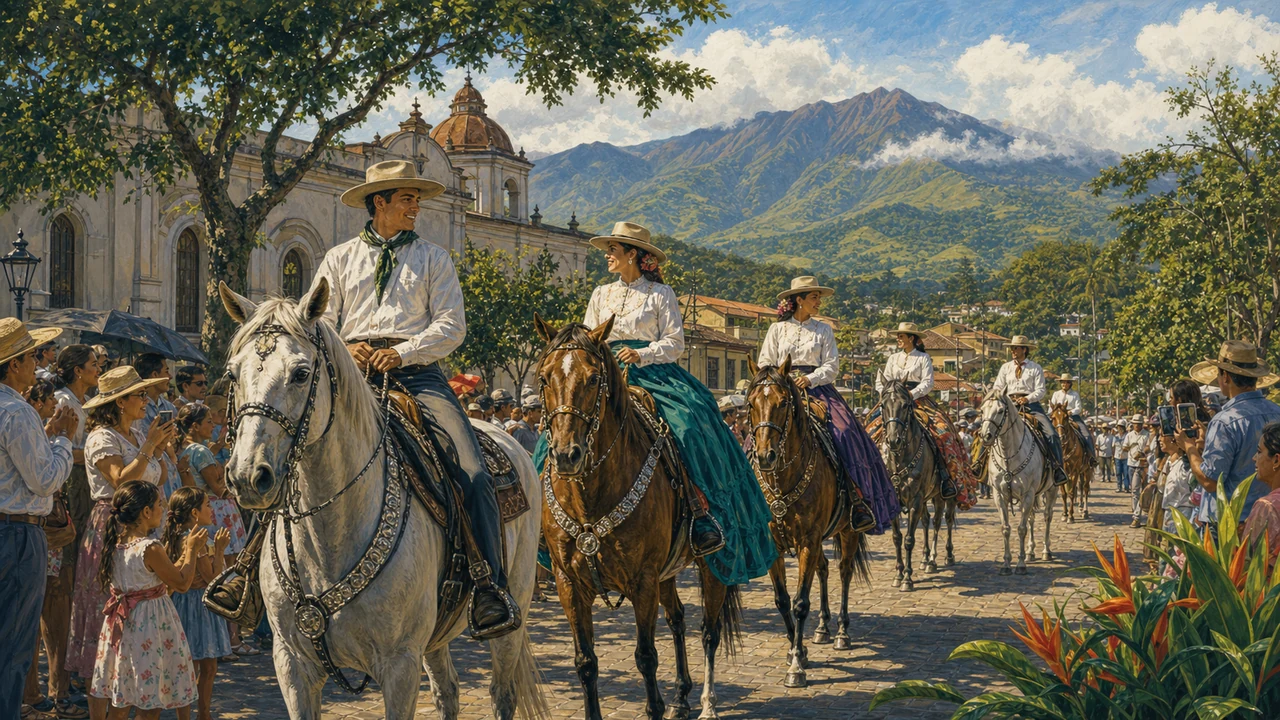 Costa Rica celebrates the calendar year with a rich parade of festivals, civic holidays, and cultural gatherings that reveal the country’s warm, expressive character. Whether you arrive during the raucous Fiestas de Zapote bullfighting season in December, the Afro-Caribbean splendor of the Limón Carnival in October, or the solemn beauty of Semana Santa processions in spring, timing your trip around a festival can transform a great visit into an unforgettable one.
This guide runs through the main events by season. None of the dates listed depend on a specific year — all are recurring, evergreen celebrations tied to the same time of year annually. For the official list of public holidays when businesses close, see Costa Rica’s official holidays.
December – January: The Great Year-End Fiestas
The final weeks of December launch what many Ticos call the most festive stretch of the year.
Fiestas de Zapote (late December – early January) transform the Zapote neighborhood of San José into a massive open-air fairground. The star attraction is Costa Rica’s uniquely humane version of bullfighting: a bull enters the ring, and dozens of volunteer “improvisados” try to dodge and outrun it — nobody gets hurt, and the crowd loves every second. Surrounding the ring you’ll find carnival rides, food stalls piled high with traditional snacks like chicharrones and churros, and live music that carries on well past midnight. Zapote is a must if you happen to be in San José at New Year.
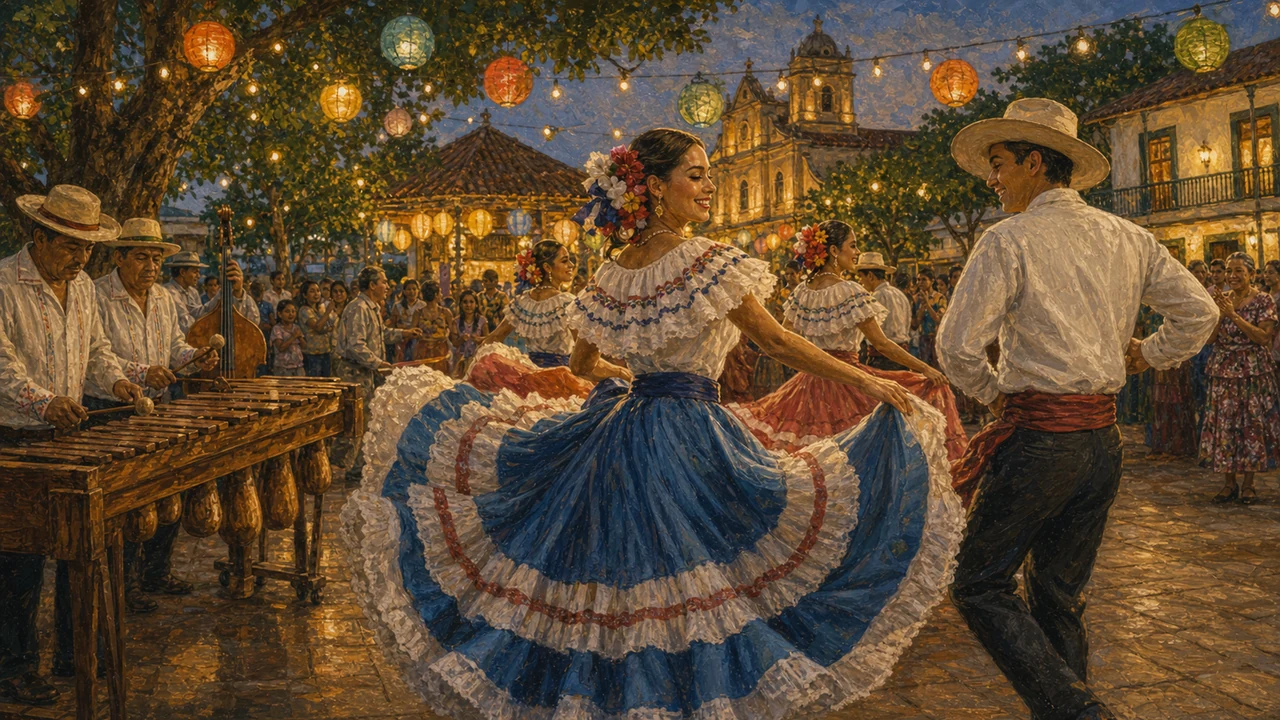 Just days into January, the action shifts west to the town of Palmares in Alajuela province. The Palmares fiestas — the largest annual fiesta in Costa Rica — draw hundreds of thousands of visitors over roughly two weeks. National and international musical acts share billing with traditional bullfights, a spectacular horse parade (tope), and acres of food and beer tents. If you plan to attend, book accommodation early and be prepared for festive, boisterous crowds.
Also taking place in January in San José is El Tope Nacional, the country’s grandest horse parade along Paseo Colón. Thousands of elegantly groomed horses and their riders — many in traditional Guanacaste costume — fill the boulevard in a procession that draws spectators from across the country.
March: Día de los Boyeros and the Envision Festival
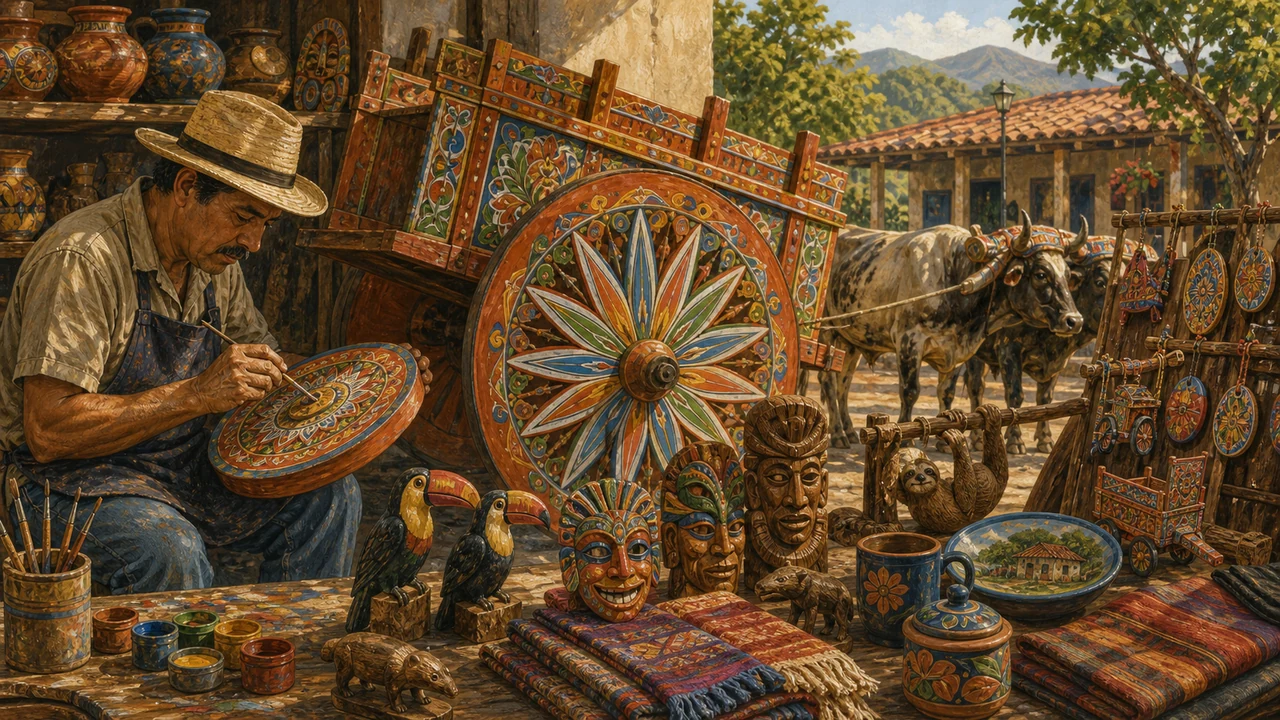 On the second Sunday of March, the town of San Antonio de Escazú hosts Día de los Boyeros — Day of the Oxcart Drivers. Costa Rica’s painted oxcart is a UNESCO-recognized element of the country’s intangible cultural heritage, and this celebration puts that tradition center stage. Hundreds of brilliantly painted oxcarts, each pulled by a yoke of decorated oxen and guided by drivers in campesino attire, file through the streets to the blessing of a priest. It is a deeply moving reminder of the agricultural roots that shaped Costa Rican identity. The Costa Rica National Labor Symbol page explores the oxcart tradition further.
Also in late February or early March, the Envision Festival draws a global audience to Uvita on the southern Pacific coast. This multi-day arts, music, and wellness gathering takes place against a backdrop of jungle and Costa Rica’s stunning south Pacific beaches, blending yoga, live electronic and world music, and ecological workshops in one of the country’s most scenic settings.
March – April: Semana Santa
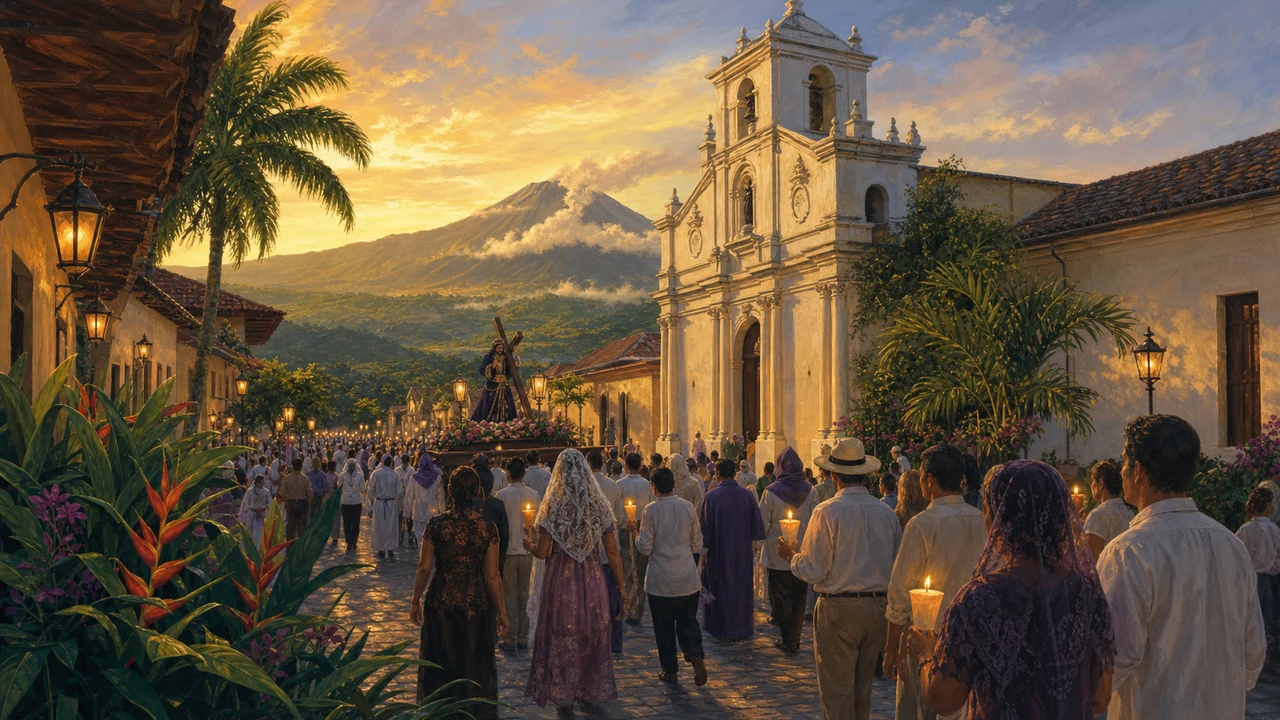 Semana Santa — Holy Week in Costa Rica is one of the most deeply observed periods in the national calendar. In the days leading up to Easter Sunday, traditional religious processions wind through the streets of towns and cities across the country, carrying effigies of Christ and the Virgin Mary to the sound of drums and solemn hymns. In San José, the Good Friday procession is a major civic event. Many businesses close for the entire week, and a significant portion of the population heads to the Caribbean beaches or Pacific coast — making this one of the busiest travel periods of the year. Book accommodation and transport well ahead if you plan to travel during Holy Week.
Easter Sunday itself is a national holiday and a time for family gatherings.
July: Guanacaste Annexation Day
July 25 marks the Annexation of Guanacaste — the date in 1824 when the province of Guanacaste voted to join Costa Rica rather than Nicaragua. Celebrations are especially lively in Guanacaste itself, with rodeos, folkloric dance performances, marimba music, and traditional foods. It is a public holiday and a wonderful time to experience authentic Guanacastecan cowboy culture, including the Sabanero horsemanship traditions that define the region.
August 2: Día de la Virgen de los Ángeles
August 2 is among the most sacred dates in Costa Rica’s religious calendar. Pilgrims from across the country — and beyond — walk to the Basilica of Our Lady of the Angels in Cartago to venerate La Negrita, the country’s patron saint. Many pilgrims travel dozens of kilometers on foot, completing the journey overnight. Even if you are not Catholic, witnessing this collective act of devotion is a remarkable cultural experience.
September 15: Independence Day
Costa Rica’s Independence Day celebrations begin the evening of September 14, when a torch symbolically carried from Guatemala arrives in communities across the country. School children run the final legs by relay, and at exactly 6:00 p.m. the national anthem rings out simultaneously from plazas, schools, and homes everywhere. On September 15, parades of schoolchildren in traditional dress, marching bands, and civic ceremonies fill every town. Independence Day is a deeply felt celebration of national identity in the oldest stable democracy in Latin America — a country that abolished its military in 1948 and has never looked back.
October: Limón Carnival
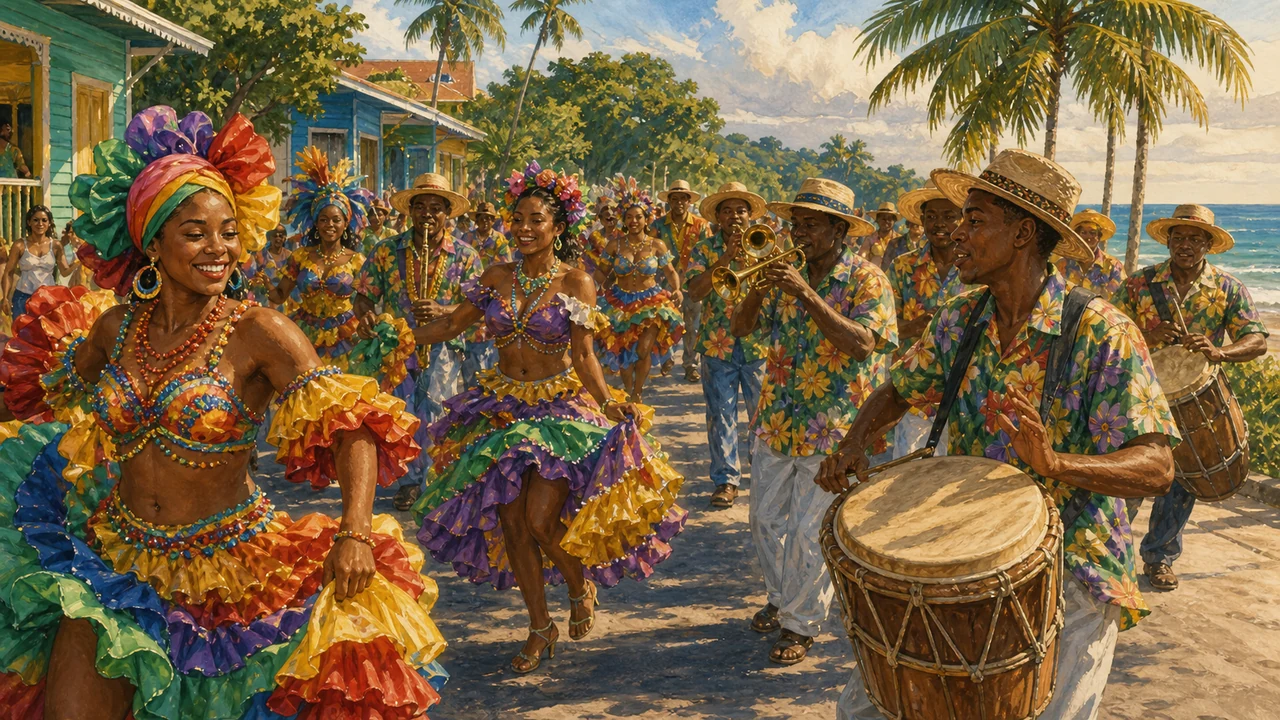 The Limón Carnival, held during the week of October 12 (Día de la Raza), is the most exuberant street festival on Costa Rica’s Caribbean coast. The port city of Limón transforms into a street party of extraordinary color and sound: calypso bands, steel drum ensembles, elaborate parade floats, and dancers in feathered costumes fill the streets from morning until late at night. The Limón Carnival Afro-Caribbean parade celebrates the culture of the West Indian communities who built the Atlantic railroad and shaped the Caribbean coast’s unique identity. It is a joyful, welcoming event and one of the most visually spectacular in all of Central America.
Also worth noting: the city of Puntarenas holds its own carnival celebrations at various points in the year, with the coastal city’s proximity to San José making it an accessible day trip for festive visitors.
Planning Your Visit
Costa Rica’s festival calendar means there is almost always something celebratory happening, but the busiest periods — Semana Santa, Fiestas de Zapote, and Palmares — require advance planning. Accommodation books up fast, domestic transport fills quickly, and prices rise around peak holidays. Read the Costa Rica travel tips guide before you book, and check the official holidays page to know which days businesses may be closed during your stay.
For those who want to go beyond festivals and explore what makes Costa Rica extraordinary year-round — its wildlife, national parks, volcanoes, and ecotourism — the rest of this site has you covered.
Frequently asked questions
When is the Limón Carnival in Costa Rica?
The Limón Carnival takes place during the week surrounding October 12, which marks Día de la Raza (Columbus Day). It is the largest street festival on Costa Rica's Caribbean coast, featuring colorful parades, calypso music, and Afro-Caribbean dance.
What are the Fiestas de Zapote?
Fiestas de Zapote are held in the Zapote neighborhood of San José during the final week of December and into the new year. They feature traditional Costa Rican bullfighting (where the bull is never harmed), carnival rides, live music, and local food stalls. They are one of the most popular holiday events in the country.
Is Semana Santa a big deal in Costa Rica?
Yes — Semana Santa (Holy Week, the week before Easter) is one of the most widely observed holidays in Costa Rica. Businesses close, many families travel to the beach, and traditional religious processions take place in towns across the country. Expect heavy traffic and book accommodation well in advance.
When do the Palmares fiestas happen?
The Palmares fiestas take place each January, typically for two weeks in the town of Palmares in Alajuela province. They are considered the largest annual fiesta in Costa Rica, drawing enormous crowds for concerts, bullfights, carnival attractions, and the famous horse parade.
What is the Día de los Boyeros celebration?
Día de los Boyeros (Day of the Oxcart Drivers) is celebrated on the second Sunday of March in San Antonio de Escazú near San José. Hundreds of ornately painted oxcarts and their teams parade through the streets in tribute to Costa Rica's agricultural heritage and the iconic painted oxcart tradition.