Costa Rica Public Holidays: Complete Guide for Travelers
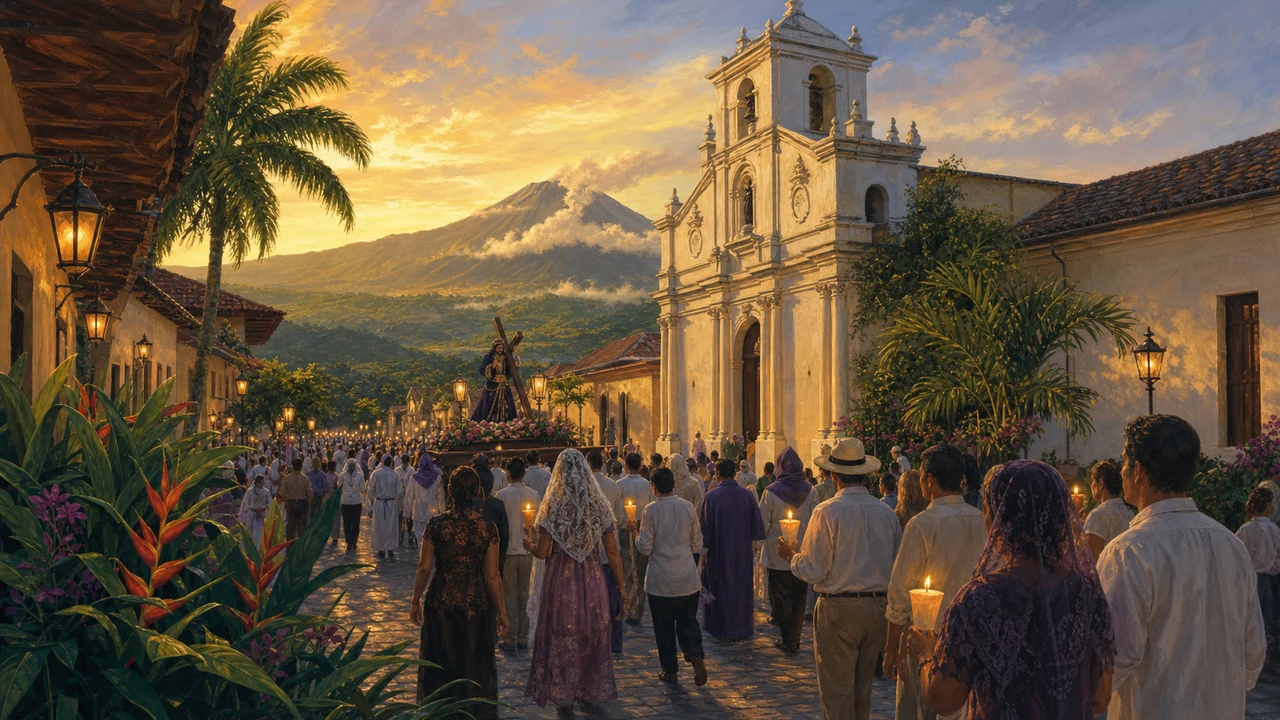 Costa Rica observes twelve official public holidays (feriados) that shape everything from bank hours to beach traffic. Understanding Costa Rica’s public holiday calendar before you book your trip helps you dodge crowded roads, catch colorful celebrations, and avoid arriving on a day when half the country is closed.
Ticos (Costa Ricans) take their feriados seriously. On major holidays — especially Semana Santa and Independence Day — the mood across the country shifts. Schools let out, businesses close early or completely, and the entire population seems to head for the coast or the countryside. For visitors, this means both logistical challenges and once-in-a-lifetime cultural moments.
The Full List of Costa Rica’s Official Holidays
Costa Rica’s Labor Ministry designates feriados as either obligatorios (mandatory paid rest days) or de pago obligatorio (paid but not necessarily a day off in all sectors). From a traveler’s perspective, the practical effect is the same: expect reduced services and higher crowds.
January 1 — New Year’s Day (Año Nuevo). The country wakes slowly from New Year’s Eve festivities. Beach towns that fill up for the December 28–January 1 stretch return to normal by mid-January.
March 19 — St. Joseph’s Day (Día de San José). Patron saint of the capital. San José city holds commemorations, though this holiday is less disruptive to tourism than others.
March or April — Holy Week (Semana Santa). The most significant religious and cultural holiday period of the year — covered in detail below.
April 11 — Juan Santamaría Day. Costa Rica’s National Hero Day. See the section below.
May 1 — Labor Day (Día del Trabajo). Workers’ holiday. Most businesses close; expect quiet streets in San José.
July 25 — Annexation of Guanacaste. Celebrated most enthusiastically in Guanacaste province, this holiday marks the region’s 1824 union with Costa Rica.
August 2 — Virgin of Los Ángeles (La Negrita). Costa Rica’s patron saint day, centered on the Basilica of Our Lady of the Angels in Cartago. See below.
August 15 — Mother’s Day (Día de la Madre). One of the most sentimental holidays in the country. Restaurants are packed with families; plan reservations well ahead.
September 15 — Independence Day. Arguably the most patriotic day of the year. Full details below.
October 12 — Día de las Culturas. Celebrates the multicultural heritage of Costa Rica’s peoples, including Indigenous, African, and European roots.
December 1 — Abolition of the Armed Forces. Commemorates President José Figueres Ferrer’s 1948 decision to dissolve the military — an act that defines Costa Rican national identity to this day.
December 25 — Christmas (Navidad). Family-centered holiday. The weeks of late December through January 1 function as a de-facto travel peak season, especially for domestic tourists heading to Costa Rica’s beaches.
Semana Santa: Holy Week and Its Impact on Travel
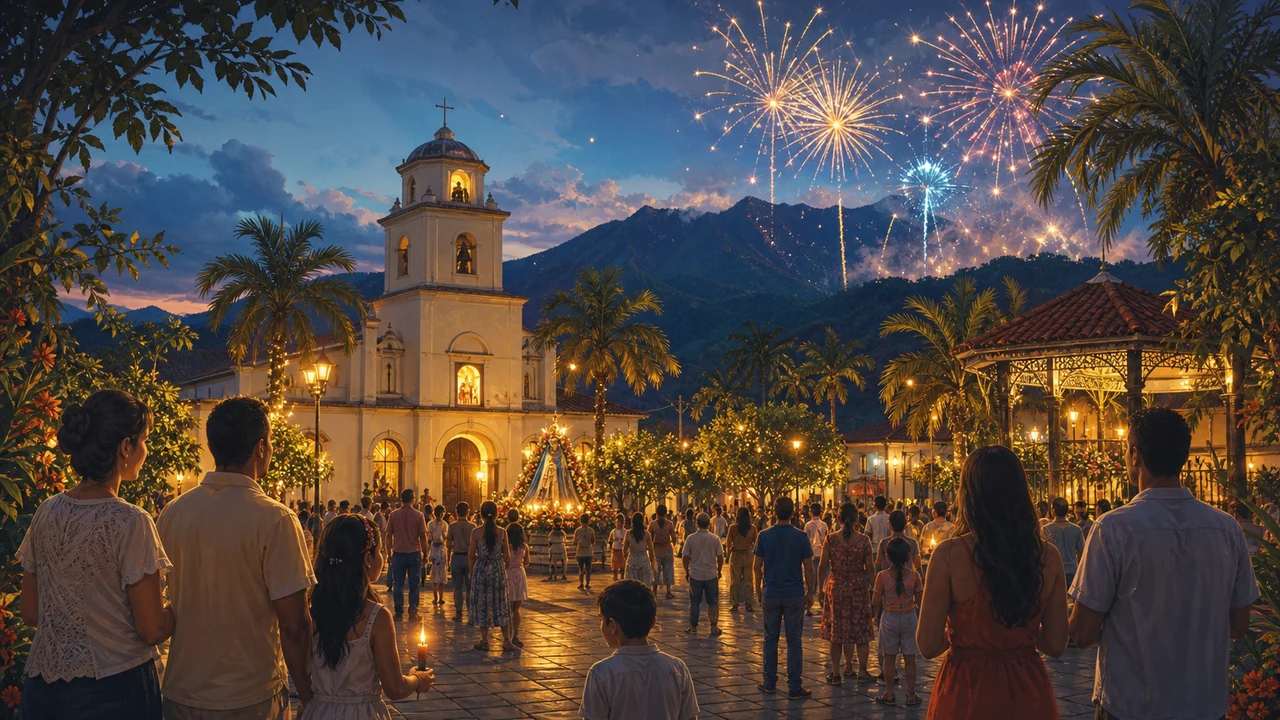 Semana Santa (Holy Week) travel in Costa Rica is unlike any other week of the year. The eight days from Palm Sunday through Easter Sunday see the country essentially pause. By law, alcohol sales are prohibited from Holy Thursday through Easter Sunday — a rule enforced strictly. Many businesses close for four consecutive days.
The roads tell the story best: on Holy Thursday morning, tens of thousands of Ticos pile into cars and head for the beach. The Pan-American Highway, the route to Jacó, and the road to Guanacaste can all experience multi-hour backups. If you’re traveling by car, leave very early or wait until after noon.
Religious processions are held throughout the country. The most solemn and visually striking take place in San José, Cartago, and smaller towns in the Central Valley. Carved wooden floats (andas) carrying figures of Christ and the Virgin Mary are carried through streets lined with candles — a deeply moving tradition worth witnessing if your schedule allows.
For beach travelers, Semana Santa beach crowds in Costa Rica are the densest of the year. Jacó, Tamarindo, Manuel Antonio, and Sámara are especially popular with local families. If you want a quieter beach experience, consider the Caribbean coast (Cahuita, Puerto Viejo) which typically sees lighter domestic traffic during this period.
Juan Santamaría Day (April 11)
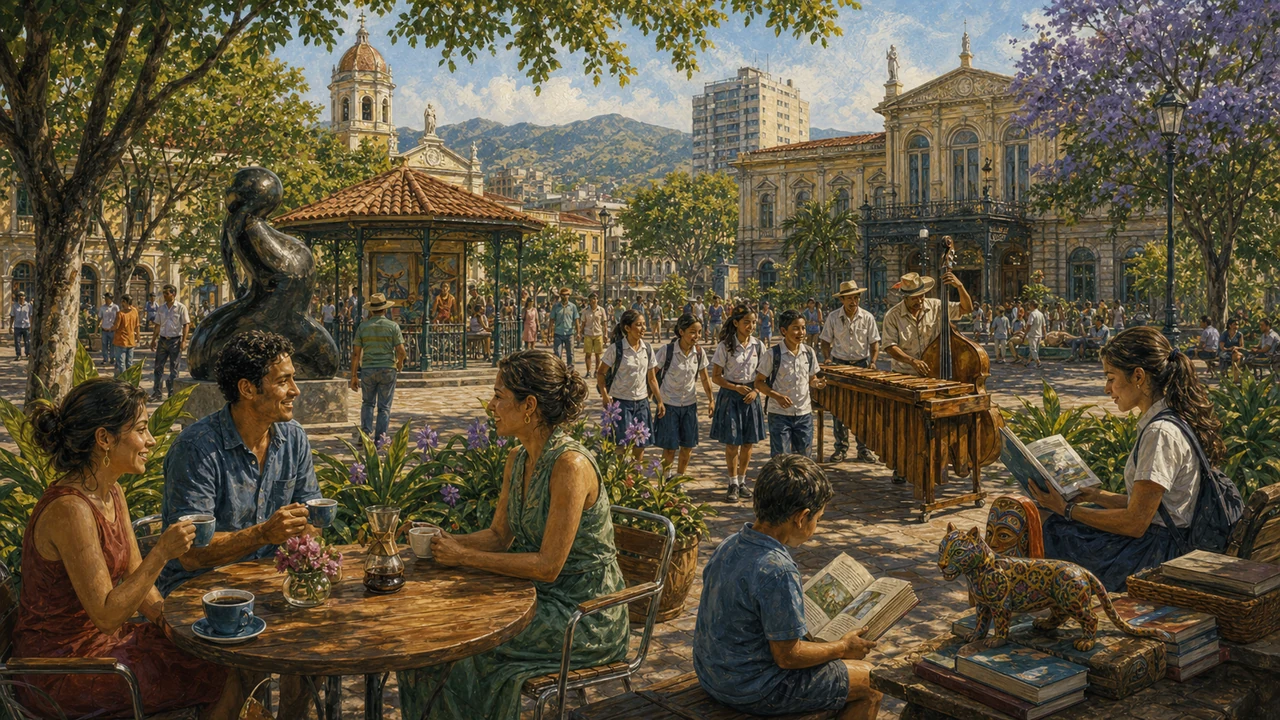 Juan Santamaría Day April 11 celebrations are centered in Alajuela, the city that claims him as a native son. Juan Santamaría was a young drummer boy who died in 1856 setting fire to the enemy’s fortification during the Battle of Rivas, turning the tide against American filibuster William Walker’s attempts to conquer Central America. Costa Rica — a country that abolished its army in 1948 — has elevated this teenage hero into a symbol of peaceful resistance and national courage.
Throughout April, Alajuela holds parades, concerts, and historical exhibitions. The week of April 11 specifically features school bands marching through town and civic ceremonies at the Juan Santamaría Museum. If you’re passing through Alajuela — perhaps on your way to or from Juan Santamaría International Airport (SJO) — it’s easy to catch some of the festivities.
Annexation of Guanacaste (July 25)
July 25 is a major cultural holiday in the northwest of the country. The Guanacaste region voted to join Costa Rica in 1824 rather than remain with Nicaragua, and that decision is celebrated every year with topes (horse parades), folkloric dances, marimba music, rodeos, and food festivals.
Guanacaste annexation day festivities draw visitors from across the country. Towns like Liberia, Santa Cruz, and Nicoya hold some of the largest events. This also falls in the middle of the dry season in Guanacaste, so the weather is excellent for outdoor celebrations. If you’re exploring the Guanacaste region in late July, schedule around the 25th to catch a tope — it’s one of Costa Rica’s most photogenic cultural events.
Virgin of Los Ángeles (August 2)
The feast day of La Negrita — the Virgin of Los Ángeles — draws pilgrims from across the country to the Basilica in Cartago, Costa Rica’s former colonial capital. The most remarkable sight is the romería: a walking pilgrimage that begins in San José and ends at the Basilica, typically attracting hundreds of thousands of participants in the days before August 2. Many pilgrims walk the roughly 22-kilometer route overnight.
The Basilica itself houses the tiny stone figure of the Virgin, discovered according to tradition by a young girl in 1635. Even if you’re not Catholic, witnessing the scale and devotion of this annual procession is a profound cultural experience. The Cartago area is accessible by bus from San José and makes for a meaningful day trip around this date.
Independence Day (September 15)
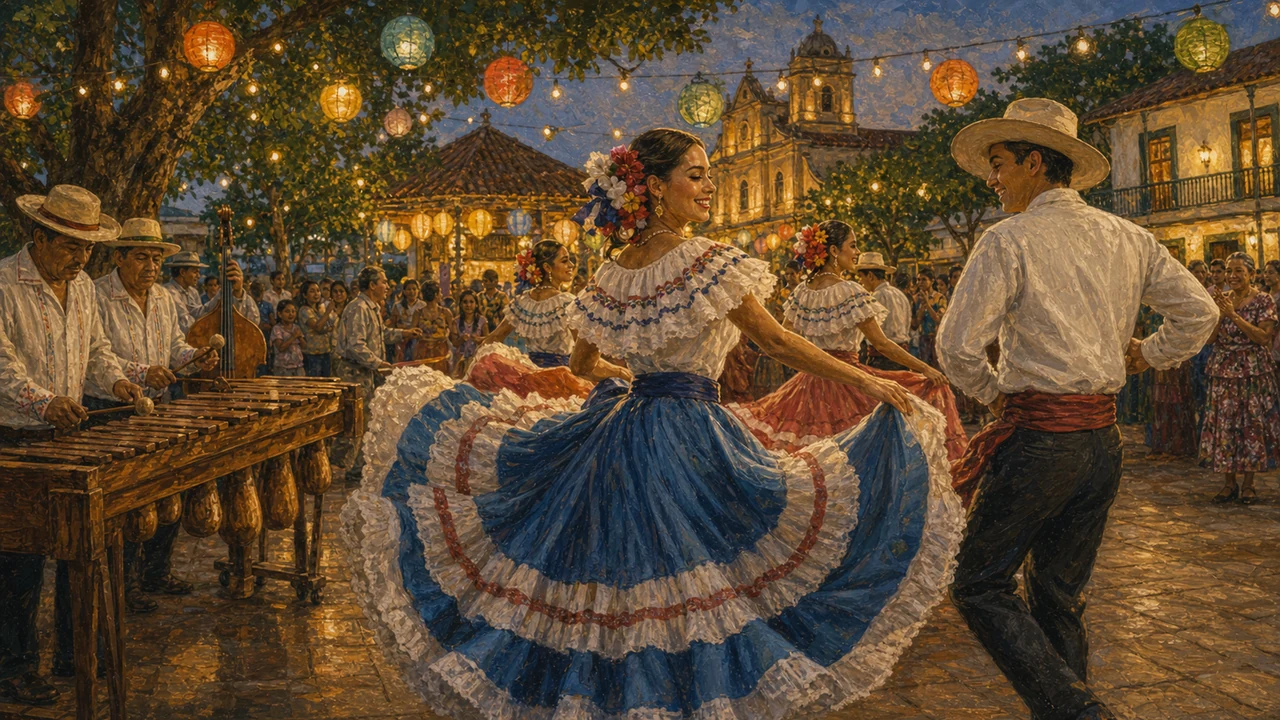 Independence Day September 15 in Costa Rica is the most patriotically charged day of the year. Every school in the country takes part in parades featuring marching bands, flag bearers, and traditional folkloric dance troupes in elaborate costumes. The celebrations actually begin on the evening of September 14, when a torch symbolizing independence is relayed from Guatemala (where independence was declared in 1821) down through Central America to reach Costa Rica.
At 6:00 PM on September 14, the entire country pauses: students at their school gates, families at home, diners in restaurants — all to hear the national anthem and ring bells or blow whistles. It is one of those moments of collective identity that travelers rarely forget. The next day, September 15, parades fill town centers from San José to the smallest villages.
For travelers, Independence Day week is a wonderful time to be in Costa Rica if you want to experience authentic local culture. Costa Rica travel tips suggest booking accommodation early, as domestic tourism picks up around this date.
Planning Your Trip Around Costa Rica’s Holidays
A few practical principles for travel planning:
- Book well ahead for peak holiday periods. Semana Santa, Christmas week, and the July 25–August 15 cluster are the highest-demand windows. Accommodation and car rentals sell out weeks in advance.
- Expect road congestion. Holiday Friday afternoons (especially preceding three-day weekends) see heavy traffic on routes to beach destinations. Leave early or late.
- ATMs and banks. Banks close on all feriados obligatorios. Stock up on cash (colones or USD) the day before a major holiday.
- Alcohol restrictions. During Semana Santa (Holy Thursday through Easter Sunday), alcohol sales are legally prohibited nationwide.
- Tourist services stay open. Hotels, most restaurants, and tour operators typically remain open on holidays — this is when they earn much of their annual revenue.
- National parks. Costa Rica’s national parks remain open on most holidays, though ranger station services may be limited. Confirm with individual parks before visiting on December 25 or January 1.
Understanding Costa Rica’s holiday rhythm deepens any visit. The calendar of special activities in Costa Rica provides a month-by-month look at festivals, sporting events, and seasonal highlights beyond the official feriados — essential reading before you finalize your itinerary.
Frequently asked questions
Does Costa Rica close businesses on public holidays?
Most government offices, banks, and many shops close on major feriados. Grocery stores, hotels, and tourist-oriented restaurants typically stay open, though hours may be reduced. Semana Santa is the most disruptive week of the year — plan accordingly.
Is Semana Santa a good time to visit Costa Rica?
Holy Week is one of the busiest travel weeks in the country. Beaches, especially on the Pacific coast, fill up with local families. Book accommodation months in advance if you plan to travel during this period. The religious processions and cultural atmosphere are unique and worth experiencing.
When is Juan Santamaría Day and what happens?
Juan Santamaría Day is April 11. It honors Costa Rica's national hero who died fighting against American filibuster William Walker in 1856. Alajuela, his hometown, holds the main celebrations including parades, concerts, and cultural events throughout the month of April.
What is the Annexation of Guanacaste holiday?
July 25 marks the anniversary of the 1824 annexation of the Guanacaste region from Nicaragua. Guanacaste province celebrates with traditional music, folkloric dances, and cattle parades (topes). It is one of the most culturally vibrant holidays in the country.
Are Costa Rica's beaches crowded on holidays?
Yes — domestic tourism surges on long weekends and especially during Semana Santa, the last two weeks of July, and Christmas/New Year. If you want quieter beaches, avoid arriving on Friday afternoons before a three-day weekend.