Semana Santa in Costa Rica: Easter Week Guide
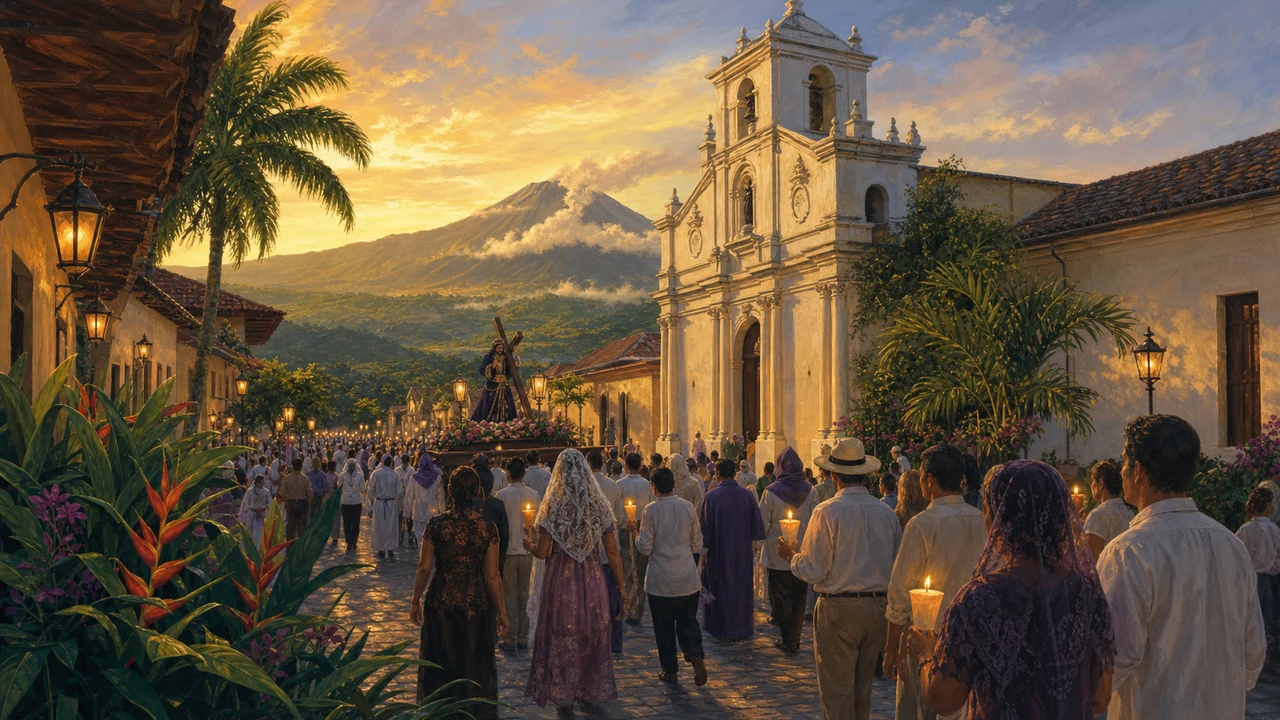 Semana Santa — Holy Week — is the most deeply observed holiday in Costa Rica, transforming the country for an entire week with religious solemnity, family travel, and coastal celebration. From solemn candlelit processions through city streets to packed beaches from Guanacaste to the Caribbean coast, Easter week in Costa Rica is an experience unlike any other time of year.
Whether you are a traveler planning to visit during this period or simply curious about Costa Rican culture, understanding what happens during Semana Santa will help you prepare, stay flexible, and appreciate what you witness.
Religious Traditions and Processions
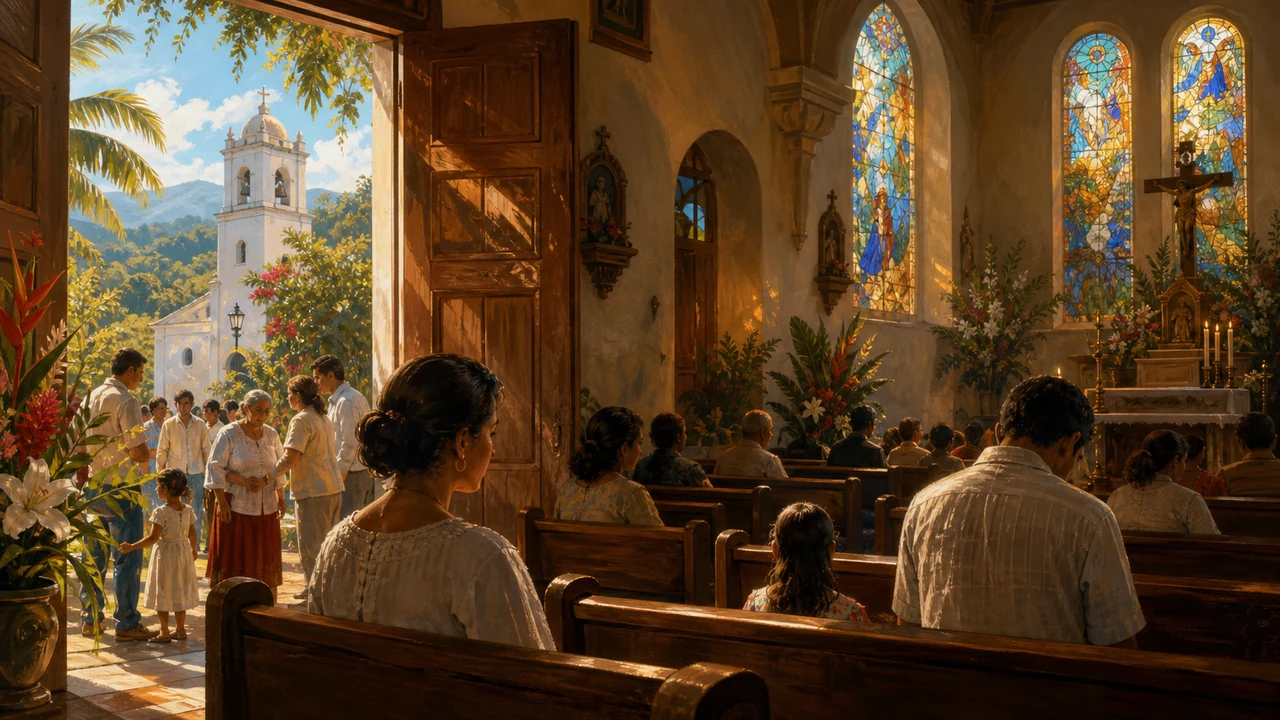
Costa Rica is a predominantly Catholic country, and Semana Santa reflects that heritage at its most visible. Churches across the country — from the Basílica de Nuestra Señora de los Ángeles in Cartago to neighborhood parishes in every town — hold special masses, readings, and ceremonies throughout the week.
 The most dramatic moments are the public processions held on Palm Sunday and, especially, on Good Friday. Participants carry floats and religious figures through the streets in slow, solemn marches accompanied by mournful music. Many participants walk barefoot or in period costume depicting biblical figures. Neighborhoods compete to present the most elaborate reenactments of the Passion of Christ.
Holy Week processions in Costa Rica draw both devout locals and curious visitors. In San José, the Good Friday procession through the historic center is particularly moving, drawing large crowds. Smaller towns often host equally authentic events on a more intimate scale — if you are based outside the capital, ask locals whether their parish has a procession planned.
Holy Thursday and Good Friday hold special religious weight. For many Costa Rican families, these are days of reflection, fasting, and prayer. Until a few decades ago, vehicle traffic was considered inappropriate on those two days; people traveled on foot or horseback out of respect. That strict observance has faded, but the solemn spirit remains.
What Closes During Semana Santa
 Holy Thursday and Good Friday are official national public holidays in Costa Rica. Expect the following to be closed or severely limited on those two days:
- Banks and financial institutions — completely closed
- Government offices and courts — closed
- Public schools — closed for the full week
- Most private businesses — many close for the entire week, not just Thursday and Friday
- Public transportation — operates on a reduced holiday schedule; some rural routes may not run at all
- Supermarkets — generally remain open with reduced hours; stock up beforehand
- Gas stations — may run low on fuel near popular beach destinations
Tourist-facing businesses such as hotels, restaurants, and tour operators often stay open throughout Semana Santa since it is high season for them. However, confirm your reservations and any planned activities in advance — staffing can be limited.
Liquor Sales Restrictions
One of the most practically important rules for travelers: alcohol sales are prohibited in Costa Rica on Holy Thursday and Good Friday. This is a longstanding national law. Liquor stores and sodas (local restaurants) cannot sell alcohol on those days. Bars are closed.
Hotels and all-inclusive resorts may serve drinks to registered guests, but policies vary. If you plan to enjoy a drink with your Easter Sunday celebration, purchase what you need before Thursday or confirm with your hotel what is permitted. Do not rely on finding a bottle shop open on those two days.
Beaches, Roads, and the National Exodus
 Semana Santa triggers the largest domestic migration of the year in Costa Rica. On Holy Thursday afternoon, the highways fill with Tico families heading to the beach or the mountains for a week of vacation. The same scenes repeat in reverse on Easter Sunday evening as everyone returns home.
Semana Santa beach traffic in Costa Rica rivals anything you will encounter the rest of the year. Destinations that are normally relaxed — Jacó on the Central Pacific, Tamarindo and the Nicoya Peninsula in Guanacaste, towns along the Caribbean coast — become extremely crowded. Accommodation at popular spots is booked many months in advance.
Practical considerations for traveling during Semana Santa:
- Book well ahead — accommodation at beach destinations sells out months before Holy Week
- Leave early — if driving to the coast, depart before 6 a.m. on Thursday to avoid the worst congestion; the same applies for the return on Sunday
- Fill your tank before you go — fuel stations in small beach towns can run dry when the national exodus hits
- Bring cash — ATM queues at beach towns grow long; some run out of bills mid-week
- Pack patience — roads, restaurants, and beaches will all be at capacity
If you prefer a quieter Semana Santa experience, consider visiting national parks in less-trafficked areas, or explore the country’s ecotourism and nature offerings away from the main beach corridors.
Semana Santa as a Cultural Experience
Despite the logistical challenges, experiencing Semana Santa in Costa Rica as a traveler is genuinely rewarding. The combination of deep religious tradition and exuberant vacation culture — solemn processions by night, packed beaches by day — captures something essential about the Costa Rican character.
Food is a central part of the celebration. Traditional Easter dishes lean heavily on seafood; by custom, many families avoid red meat on Good Friday. Tamales, rice dishes, and fresh fish from the coast appear on tables across the country. Markets and roadside stalls near beach towns do brisk business selling local food and snacks.
For visitors interested in Costa Rica’s culture and heritage, Holy Week is one of the best times to see how deeply Catholic tradition is woven into everyday life — even as younger generations blend faith with leisure. The blend is distinctly Costa Rican: pura vida even in prayer.
Practical Tips for Travelers During Holy Week
- Arrive before Semana Santa or after Easter Sunday if you want easier logistics; prices and crowds peak during the week itself
- Check Costa Rica travel tips before your trip for general planning advice
- Some activities and adventure tours operate during Semana Santa — confirm with operators, as many require advance booking
- Car rentals are in extremely high demand; reserve yours months ahead and confirm pickup details
- Emergency services (911) remain active throughout the holiday; hospitals and pharmacies stay open
- If flying in or out around Easter, both the Juan Santamaría Airport (SJO) and Daniel Oduber Airport (LIR) in Liberia will be busy — arrive with extra time before your flight
Semana Santa in Costa Rica is a living tradition that has evolved over generations. With the right preparation, it offers travelers a window into the soul of the country — and some of the most memorable days you can spend on this remarkable little peninsula.
Frequently asked questions
What is Semana Santa and when does it happen in Costa Rica?
Semana Santa (Holy Week) is the week leading up to Easter Sunday. It is the most important religious and cultural holiday in Costa Rica, observed with processions, church services, and nationwide closures. The dates shift each year based on the lunar calendar, typically falling in March or April.
What businesses close during Semana Santa in Costa Rica?
Holy Thursday and Good Friday are national holidays when banks, government offices, schools, and most businesses close entirely. Many private businesses close for the full week. Supermarkets and tourist-oriented businesses often stay open, but expect reduced hours and limited services throughout Holy Week.
Can you buy alcohol during Semana Santa in Costa Rica?
Liquor sales are legally restricted on Holy Thursday and Good Friday. Most liquor stores, bars, and restaurants cannot sell alcohol on those two days. Resorts and hotels may have different rules for guests already on the premises — check with your accommodation in advance.
Are Costa Rica's beaches crowded during Easter week?
Yes — Semana Santa is the single busiest week of the year for Costa Rican beach destinations. Domestic tourists flood spots like Jacó, Tamarindo, Manuel Antonio, and the Nicoya Peninsula. Book accommodation many months in advance and expect heavy traffic on Thursday and Sunday.
Is it safe to travel around Costa Rica during Semana Santa?
Costa Rica is safe to visit during Holy Week, but plan for significant logistical challenges. Roads to the coast become extremely congested, especially on Holy Thursday afternoon and Easter Sunday. Fuel stations can run low in popular beach towns. Travel with a full tank, book accommodation ahead, and check road conditions before departing.