Easter Fireworks in Costa Rica: A Semana Santa Tradition
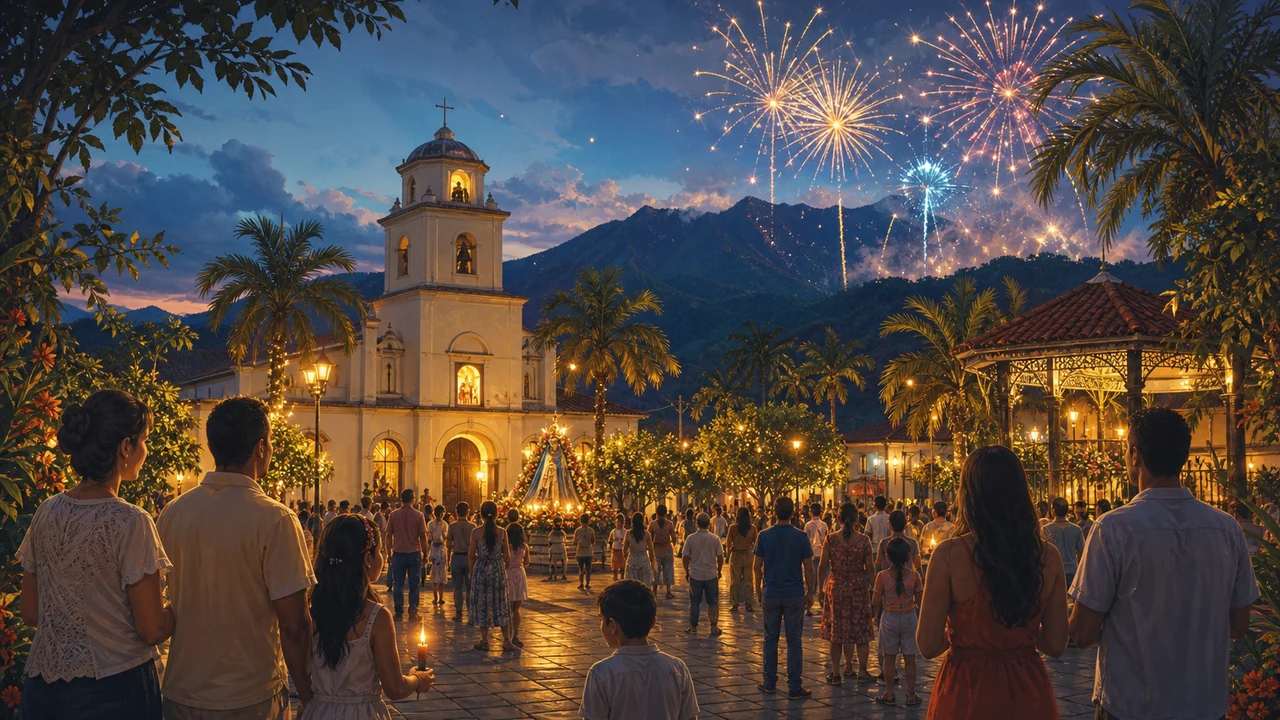 Costa Rica’s Easter Sunday fireworks tradition is one of the country’s most distinctive cultural quirks — and one that surprises many first-time visitors. While fireworks may not be the first thing that comes to mind when you think of Easter, for Ticos they are as natural a part of the celebration as the religious processions themselves. The booms begin at dawn and roll on through the night, echoing from hilltop neighborhoods down to the beach towns, signaling that the holiest week in the Costa Rican calendar has reached its joyful conclusion.
This page focuses on the Easter fireworks custom and the broader pageantry of Semana Santa in Costa Rica. For a full overview of Holy Week closures, processions, and the national atmosphere, see the main Easter in Costa Rica (Semana Santa) guide.
Why Fireworks on Easter?
The connection between fireworks and Easter reflects the deeply joyful character of Catholic celebration in Latin America. Easter Sunday marks the Resurrection — the triumph of life — and in Costa Rican tradition, that joy is expressed loudly and visibly. Unlike the solemnity of Good Friday, Easter Sunday is exuberant. Churches ring their bells, families gather, and neighborhoods compete with unofficial fireworks displays that light up the predawn sky.
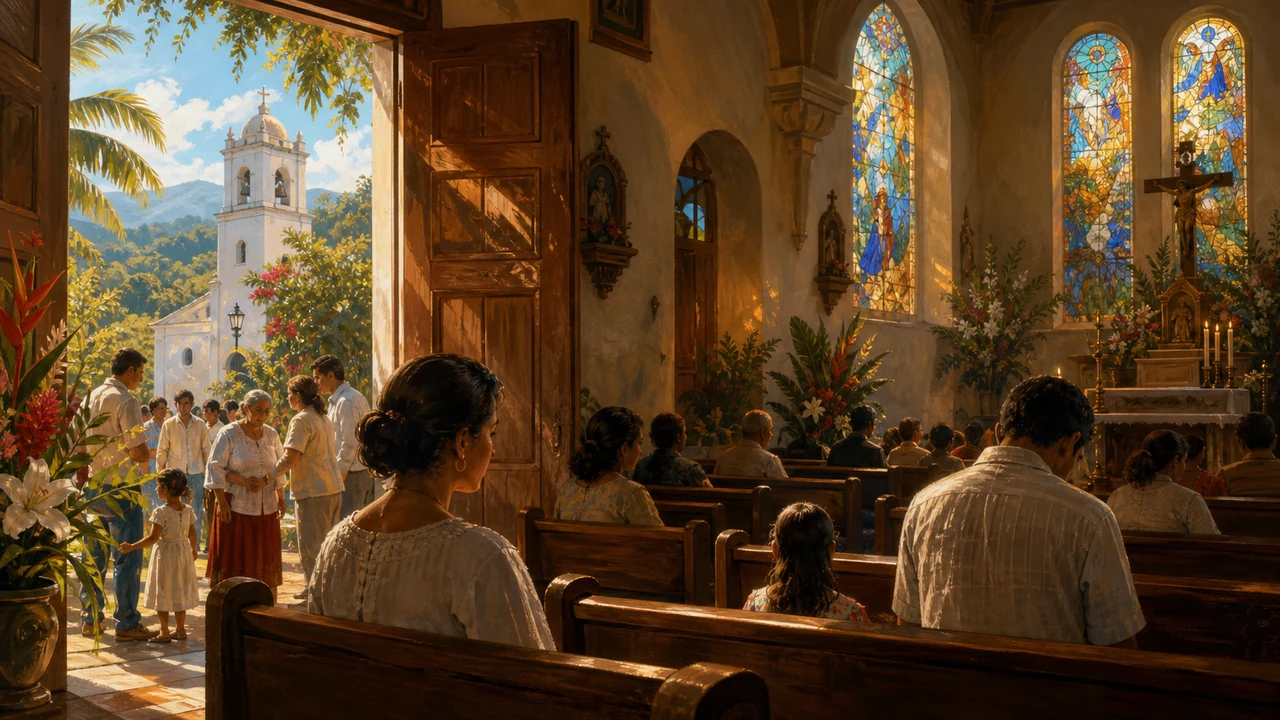 The custom has deep roots. Costa Rica’s Catholic faith arrived with Spanish settlers in the colonial era, and the liturgical calendar became the backbone of civic life. Holy Week — known as Semana Santa — was, for centuries, a time when the entire country paused. Religious observance and community ritual were inseparable, and the joyful burst of fireworks on Easter morning became a tangible, sonic expression of collective faith.
Today the tradition persists across generations. Whether you are in San José, a small highland town, or a Pacific beach village, expect to hear fireworks well before sunrise on Easter Sunday.
The Week Leading Up to Easter Sunday
 The fireworks are the finale of a week-long sequence of observances. Understanding the rhythm of Semana Santa helps you plan — and appreciate — the experience.
Wednesday (Miércoles Santo): Many businesses begin closing. This is the effective start of the national shutdown. Stock up on groceries and cash if you plan to be in smaller towns.
Holy Thursday (Jueves Santo): The country goes quiet. Banks, government offices, and most shops are shuttered. Historically, vehicle traffic was also banned, and people moved on foot or horseback — a tradition that has faded but left its mark on the week’s atmosphere.
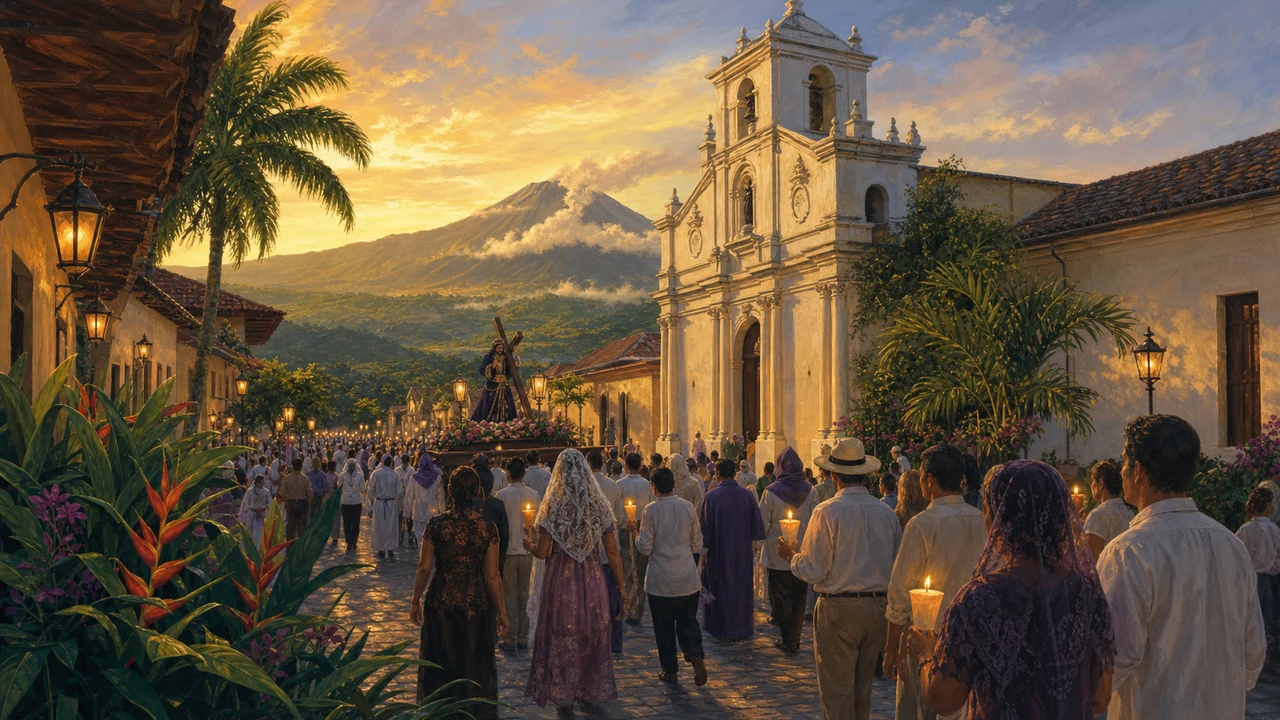
Good Friday (Viernes Santo): The most solemn day. The Procesión del Santo Entierro (Procession of the Holy Burial) moves through towns and cities across Costa Rica — a figure of the crucified Christ carried solemnly through the streets, accompanied by prayers and hymns. Attendance is large and deeply felt. Almost nothing is open.
Holy Saturday: Services and transportation gradually resume. Supermarkets reopen. Families begin heading home from beach or mountain getaways.
Easter Sunday: The day of jubilation — and fireworks. Religious services overflow, families share large meals, and the celebratory noise builds from dawn through nightfall.
Religion and Cultural Identity in Costa Rica
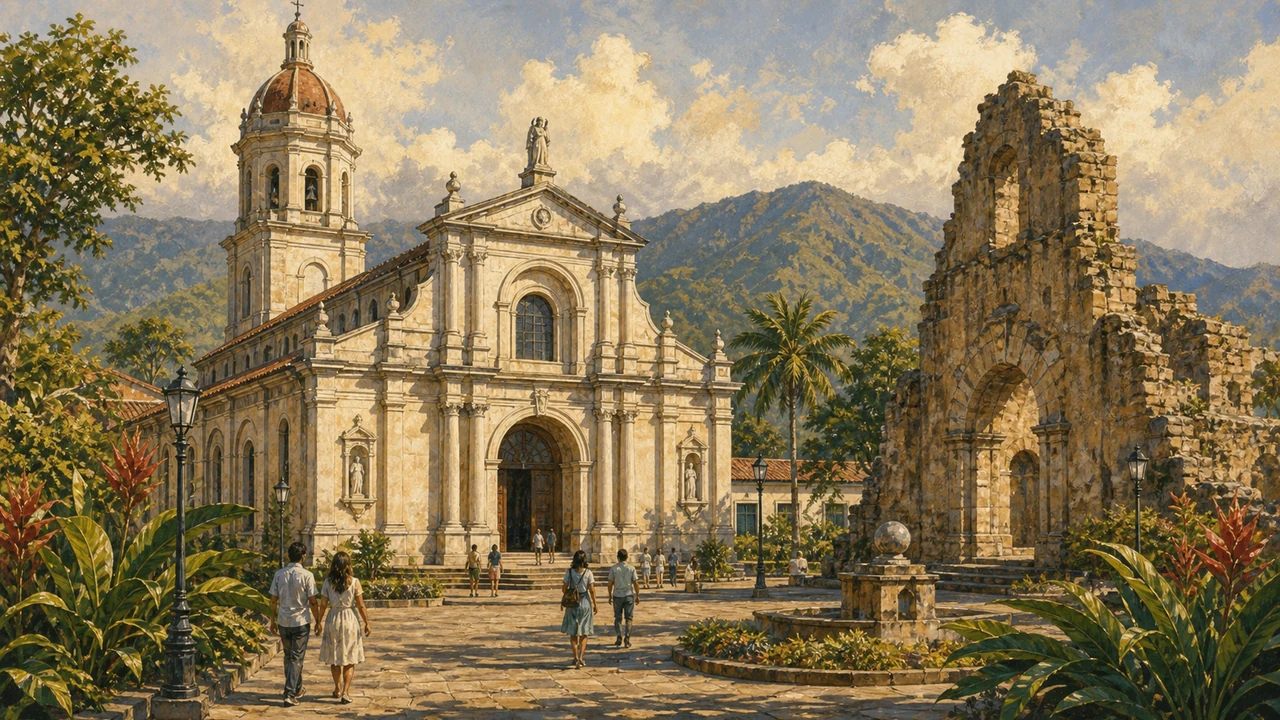 Costa Rica is predominantly Roman Catholic, and that identity is woven into everything from the national calendar to local community life. The Catholic faith came with Spanish colonizers, and the Church played a central role in establishing towns, schools, and social institutions.
A smaller but significant Protestant community also exists, particularly along the Caribbean coast — a legacy of Jamaican settlers who arrived in the nineteenth century to work on the Atlantic railway and banana plantations. Communities in Limón and the Caribbean coast still reflect this distinct cultural and religious heritage, with Easter celebrated in different but equally meaningful ways.
This religious diversity is part of what makes Costa Rica culturally rich. The predominant Catholic Semana Santa traditions coexist with Afro-Caribbean Protestant observances, and both contribute to the country’s layered identity.
Practical Tips for Visitors During Easter Week
If you are planning to be in Costa Rica during Holy Week, a few things are worth knowing:
- Book everything early. Semana Santa is one of the busiest domestic travel periods of the year. Costa Rica beaches — particularly on the Pacific coast — fill up fast. Accommodations, rental cars, and bus tickets should all be secured well in advance.
- Carry cash. ATMs run low, and many smaller establishments do not accept cards during the holiday weekend.
- Expect road congestion. The exodus toward the coast on Wednesday and Thursday, and the return on Saturday and Sunday, creates some of the heaviest traffic of the year.
- Embrace the shutdown. The quiet of Holy Thursday and Good Friday is actually a gift — it slows the country to a human pace. Many travelers find it one of the most memorable parts of their visit.
- Stay for the processions. If you are in a town with a historic church, a Good Friday procession is a genuinely moving experience. No ticket required — just respectful observation.
For broader planning advice, see Costa Rica travel tips and traveling to Costa Rica.
Easter Fireworks as a Window Into Tico Culture
The Easter Sunday fireworks tradition in Costa Rica is a small but telling detail. It says something important: that celebration here is communal, sensory, and unself-conscious. Ticos do not need an official sponsor or a designated viewing area to set off fireworks. They do it from their front yards, from rooftops, from hillsides above town — because joy, in Costa Rican culture, is meant to be shared loudly.
For visitors, witnessing this tradition is a reminder that Costa Rica is far more than its ecotourism and nature reputation. It is a country with deep cultural roots, a living religious calendar, and a people who find genuine delight in marking the moments that matter. Easter morning in Costa Rica, with its predawn fireworks echoing across the valleys, is one of those moments.
Frequently asked questions
Do they really set off fireworks on Easter in Costa Rica?
Yes — fireworks are a hallmark of Easter Sunday in Costa Rica. The tradition begins at dawn and continues throughout the day and into the night, filling neighborhoods across the country with color and sound.
When do businesses close during Semana Santa in Costa Rica?
Most businesses begin closing by Wednesday of Holy Week. Thursday (Jueves Santo) and Good Friday (Viernes Santo) are full national holidays — banks, government offices, and most shops shut down entirely. Limited services resume on Saturday.
Are buses and transportation affected during Holy Week?
Yes. Public bus service is significantly reduced on Holy Thursday and Good Friday. Buses gradually return to normal schedules by Saturday. If you plan to travel around the country during Semana Santa, book transport in advance.
Is Semana Santa a good time to visit Costa Rica?
It is a fascinating time to experience local culture — processions, fireworks, and beach gatherings are all memorable. However, popular coastal destinations book up quickly. Plan accommodations and transport well ahead of your trip.
What is the Procesión del Santo Entierro?
The Procesión del Santo Entierro (Procession of the Holy Burial) is a solemn Good Friday procession held in many Costa Rican towns, in which a figure of Christ is carried through the streets. It is one of the most visually striking religious observances of Holy Week.