Rural Tourism in Guanacaste: Cowboys, Pottery & Dry Forest
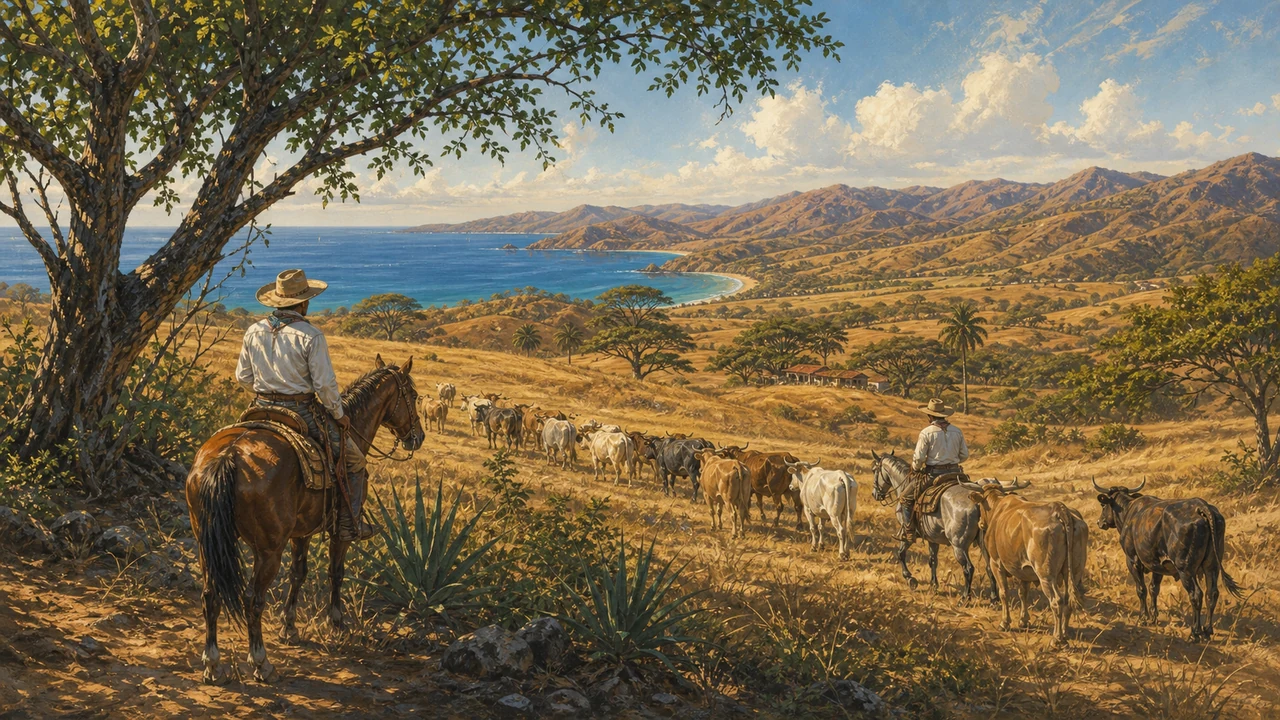 Guanacaste’s rural interior is one of Costa Rica’s most culturally rich destinations — a landscape of sweeping savannas, active volcanoes, ancient Chorotega communities, and working cattle ranches where the sabanero cowboy tradition has shaped daily life for centuries. While the province’s Pacific coast draws visitors to large resort hotels and white-sand beaches, the back roads lead to a quieter world that rewards the curious traveler.
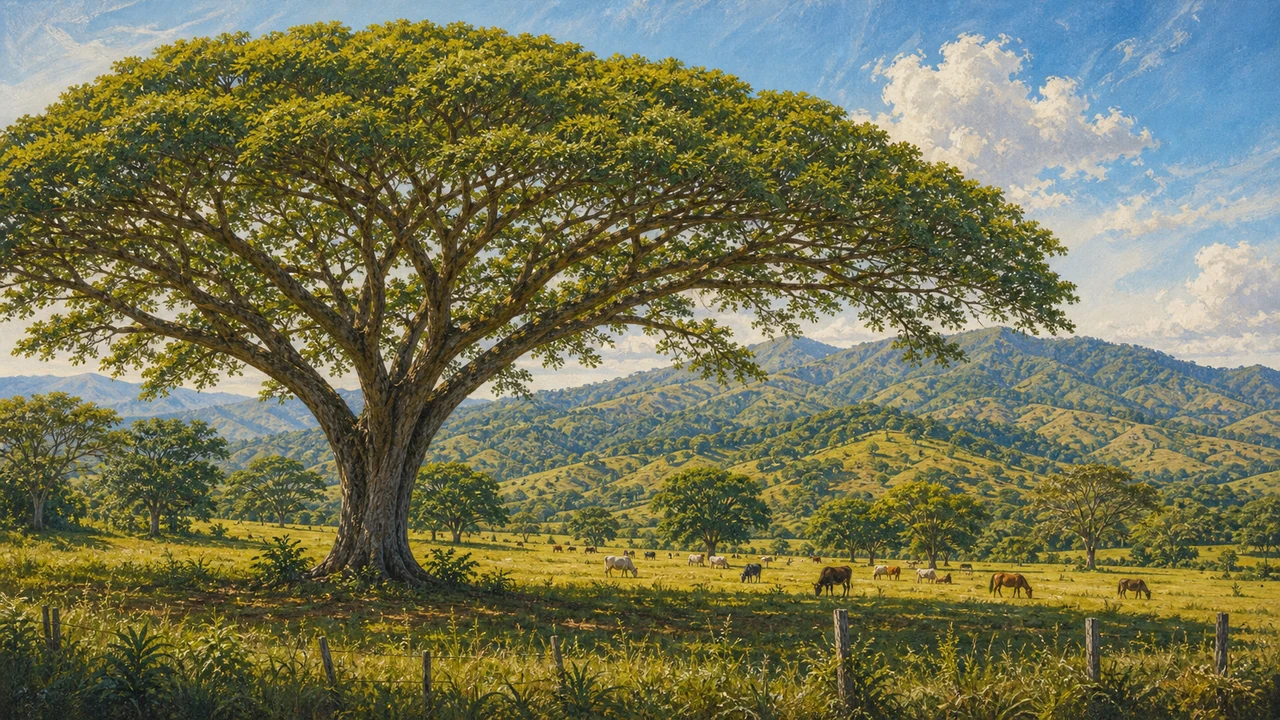
The wide plains stretching south from Liberia toward the Nicoya Peninsula are the heartland of Guanacastecan identity. Here the silhouette of the guanacaste tree — Costa Rica’s national tree — spreads shade over grazing cattle, and the horizon dissolves into the blue ridgeline of the Guanacaste and Tilarán mountain ranges. This is the land of the sabanero, and experiencing it firsthand is something very different from a beach holiday.
Sabanero Culture and Ranch Stays
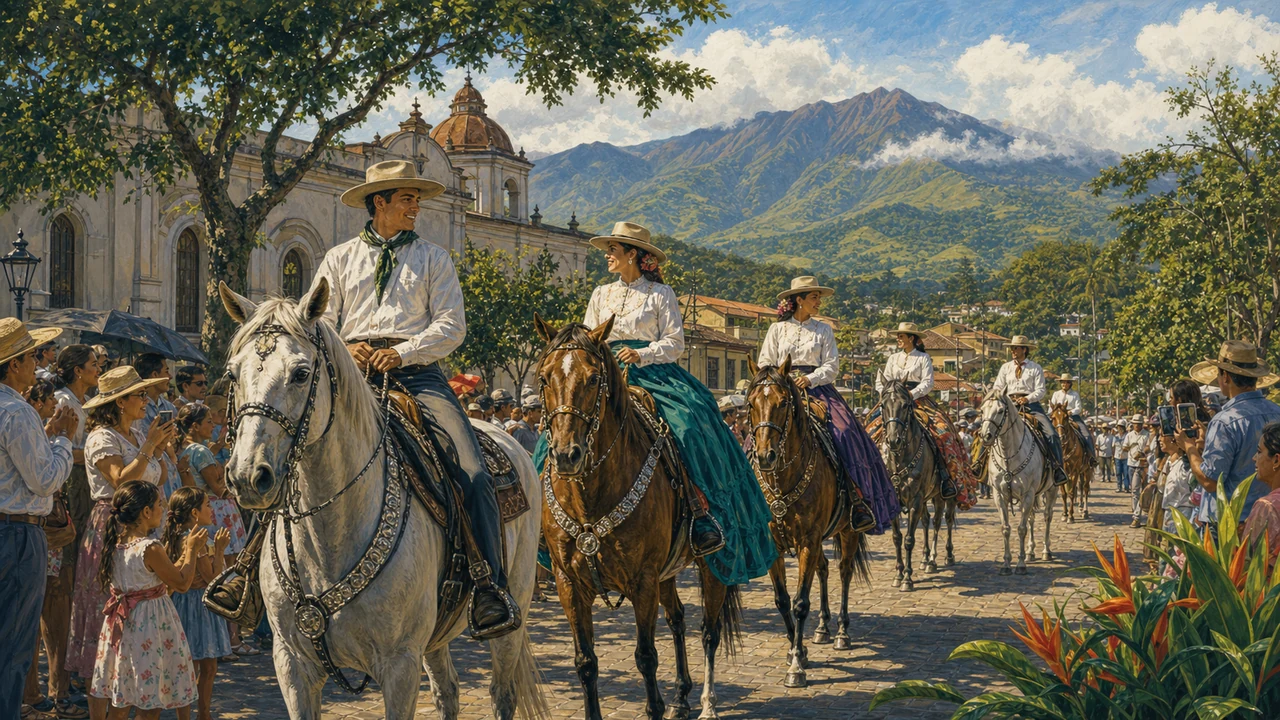 The sabanero — Guanacaste’s legendary cattle-driving horseman — is to Costa Rica what the gaucho is to Argentina or the vaquero is to Mexico. Working haciendas across the province have welcomed visitors for years, offering authentic Guanacaste ranch stay experiences that put guests alongside family members tending cattle, roping, and caring for horses. Activities typically include morning horseback rides across open pastures, demonstrations of traditional leather-working, and evenings spent around a fire with guitar music and local storytelling.
Festivals and topes (horse parades) take place throughout the year in towns like Liberia, Nicoya, and Santa Cruz, giving visitors a front-row seat to the competitive horsemanship and folklore that define the region. The Guanacaste adventure scene pairs naturally with this cultural backdrop — from horseback riding through dry tropical forest to mountain biking and hiking the volcanic foothills.
Chorotega Heritage and Guaitil Pottery
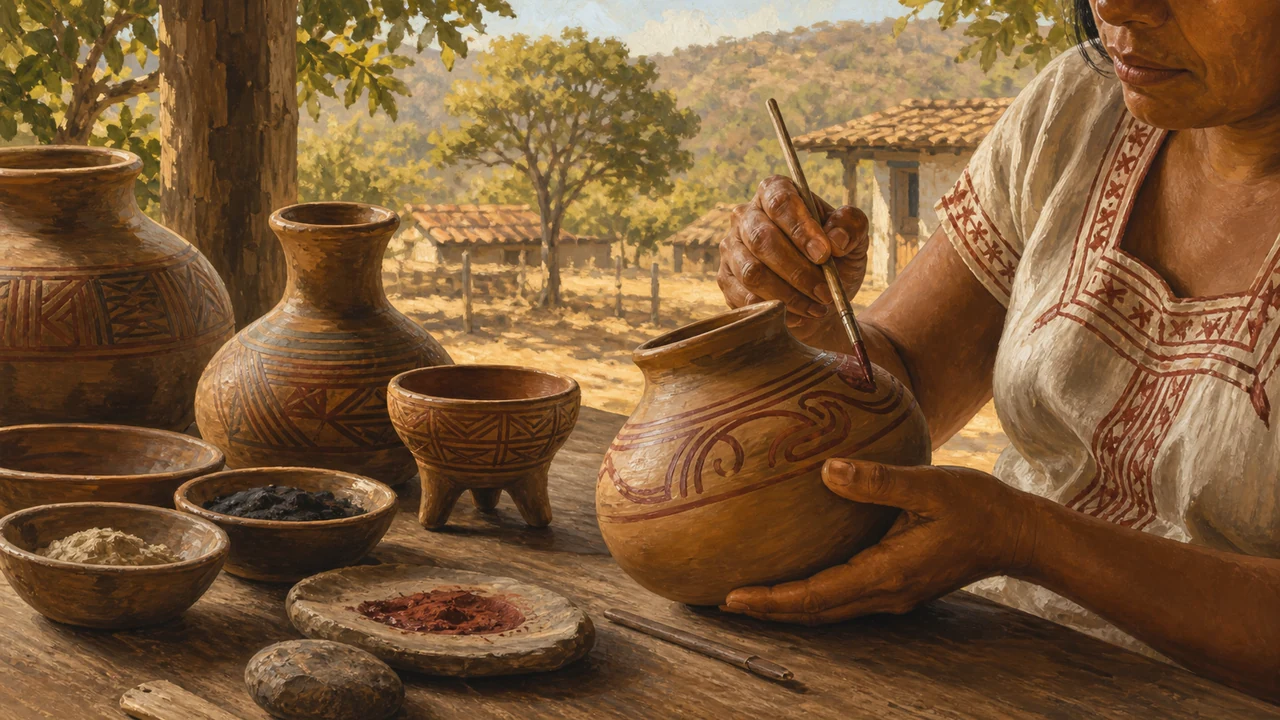 Among the most remarkable cultural experiences in rural Guanacaste is the living ceramic tradition of the Chorotega people. The village of Guaitil, located near Santa Cruz, is the most celebrated center of pre-Columbian Chorotega pottery in Costa Rica. Artisans — many of them women — shape clay vessels by hand using techniques unchanged since before European contact, decorating them with geometric patterns in natural earth pigments and firing them in outdoor kilns.
Neighboring San Vicente de Nicoya shares this tradition. Walking through either village, you can visit family workshops, watch pots take shape on simple turning stones, and purchase pieces directly from the families who make them. These ceramics are among the most authentic souvenirs in the country: functional art tied directly to an indigenous lineage that predates the arrival of the Spanish by more than a thousand years.
The cities of Liberia, Nicoya, and Santa Cruz serve as comfortable bases for exploring the region and are worth visiting in their own right for their colonial architecture and welcoming sodas (local restaurants) serving traditional Guanacastecan food.
Dry Forest, Wildlife, and National Parks
 Guanacaste’s tropical dry forest ecosystem — the most threatened forest type in Central America — survives in patches across the province and is best explored in the Santa Rosa National Park and Lomas Barbudal Biological Reserve. The dry season transforms these forests dramatically: deciduous trees shed their leaves and burst into brilliant flower — the scarlet malinche and yellow corteza amarilla are the most celebrated — while wildlife concentrates around water sources and becomes far easier to observe.
Wildlife watching in Guanacaste’s dry forest rewards patience. White-faced capuchin monkeys, howler monkeys, three-toed sloths, coatis, white-tailed deer, and dozens of bird species are routinely spotted along the forest trails. During nesting season, the beaches of Ostional and Playa Grande draw olive ridley and leatherback sea turtles in some of the largest congregations on earth — a spectacle that rural community guides can lead you to responsibly. Palo Verde National Park offers wetland birdwatching of a different character, particularly impressive during the northern winter when migratory species join resident populations along the Tempisque River.
Rincón de la Vieja and Volcanic Haciendas
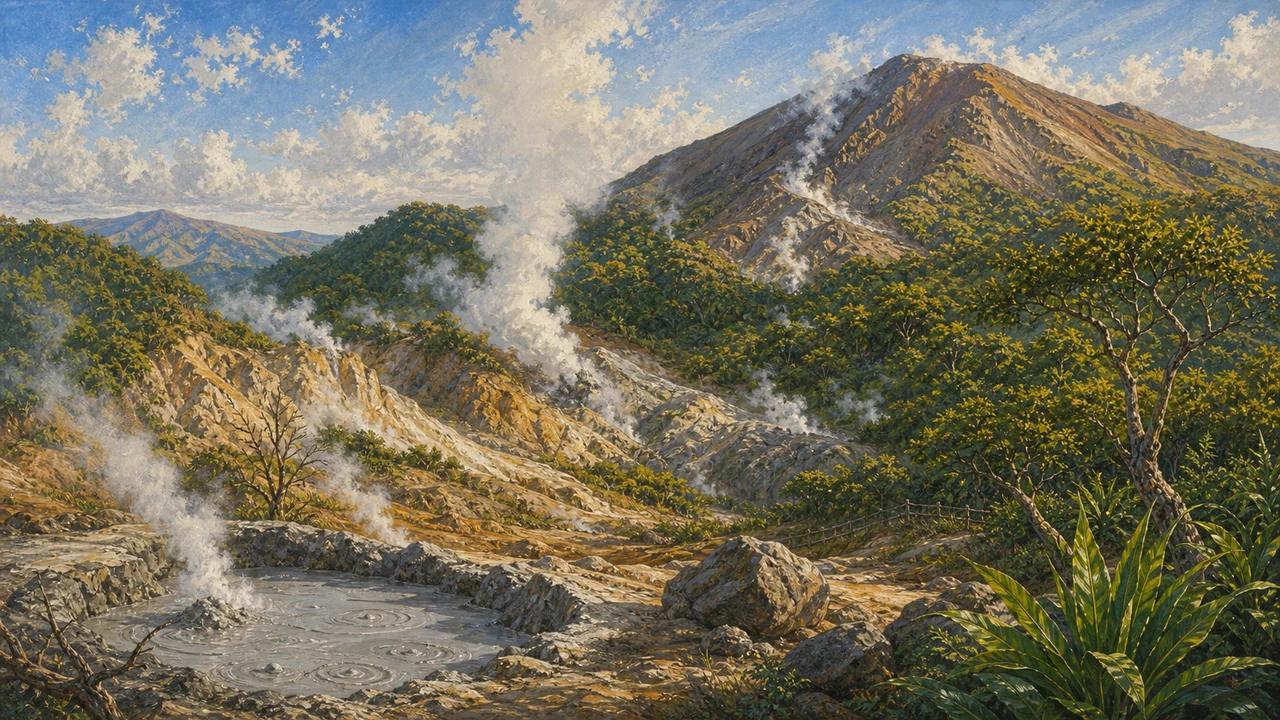 The imposing Rincón de la Vieja volcano anchors the northeastern corner of Guanacaste and is one of the province’s most dramatic natural attractions. Its nine craters, sulfurous mud pools, hot springs, and fumaroles make it a compelling destination even for travelers who are not avid hikers. A network of well-marked trails crosses the park, ranging from short walks to the bubbling mud calderas to full-day climbs toward the active crater.
Around the park’s base, several historic haciendas have been converted into lodges that offer a rural volcano lodge experience in Guanacaste — horseback riding through cloud-forest edges in the morning, soaking in natural hot springs in the afternoon, and local cuisine served by the family in the evening. This combination of wilderness and farm hospitality is what sets Guanacaste’s rural tourism apart from anything available on the coast.
Food, Traditions, and the Taste of the Region
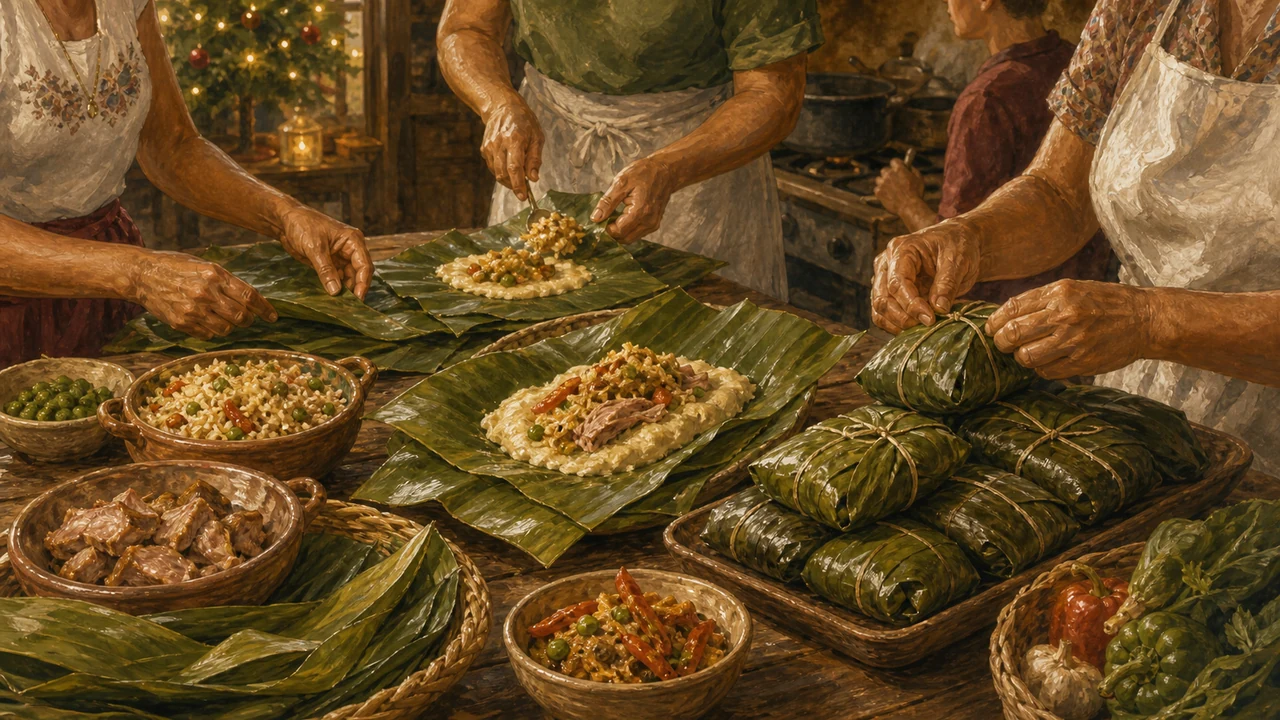 Guanacaste’s culinary tradition is one of the oldest in Costa Rica, rooted in indigenous Chorotega and mestizo cooking that predates the colonial era. Corn is the foundation: traditional Guanacaste corn-based dishes include the tamal pisque (masa stuffed with beans and pork), corn tortillas cooked on a wood-burning comal, chicheme (a fermented corn drink), and rosquillas (corn-flour cookies). These recipes survived unchanged for centuries and are still prepared by home cooks and sodas across the province.
The ancestral flavors you taste here connect directly to the pre-Columbian civilizations that shaped this land. Visiting during a local festival — particularly the Día de Guanacaste on July 25, which celebrates the 1824 annexation of the province from Nicaragua — gives visitors the fullest immersion into the music, dance, costume, and food that define this unique regional identity.
Planning Your Rural Guanacaste Visit
Getting there is straightforward: Daniel Oduber International Airport (LIR) in Liberia receives direct flights from many North American cities and places you within easy reach of the province’s rural communities. Renting a car is the most flexible option for reaching haciendas and villages off the main highway.
Rural tourism in Guanacaste pairs naturally with the broader Costa Rica ecotourism & nature scene — consider combining a dry-forest hacienda stay with time at Costa Rica’s national parks, a visit to the Guaitil pottery village, and a day on one of the Pacific beaches. For trip-planning essentials, see Costa Rica travel tips. Other rural tourism regions worth exploring include rural tourism in the Caribbean coast and rural tourism in the Central Pacific.
Frequently asked questions
What is sabanero culture in Guanacaste?
Sabaneros are Costa Rica's traditional cowboys who have worked the vast cattle ranches of Guanacaste for centuries. Their horsemanship, leather craft, and folklore music are central to Guanacastecan identity and celebrated at local festivals throughout the year.
Where can I see Chorotega pottery being made in Guanacaste?
The village of Guaitil, near Santa Cruz, is the center of living Chorotega ceramic tradition. Artisans hand-shape and fire pots using pre-Columbian techniques passed down through generations. San Vicente de Nicoya is another nearby village known for the same craft.
What is the best time of year for rural tourism in Guanacaste?
The dry season (roughly December through April) is ideal — paved and dirt roads are passable, wildflowers bloom on the deciduous trees, and wildlife is easy to spot in the dry forest. The rainy season (May–November) turns the landscape brilliantly green but some rural tracks become muddy.
Are there farm or ranch stays in Guanacaste?
Yes. Several working haciendas and family farms around Rincón de la Vieja, Nicoya, and the Guanacaste mountains offer overnight stays with meals, horseback riding, and hands-on farm activities. These experiences are run by local families and vary from rustic to comfortable.
How do I get to rural Guanacaste from San José?
Daniel Oduber International Airport (LIR) in Liberia is the main gateway for Guanacaste, with direct flights from many North American cities. From San José it is roughly a 4–5 hour drive on the Interamerican Highway, or a short domestic flight to Liberia.