INBio & Costa Rica's Biodiversity Legacy
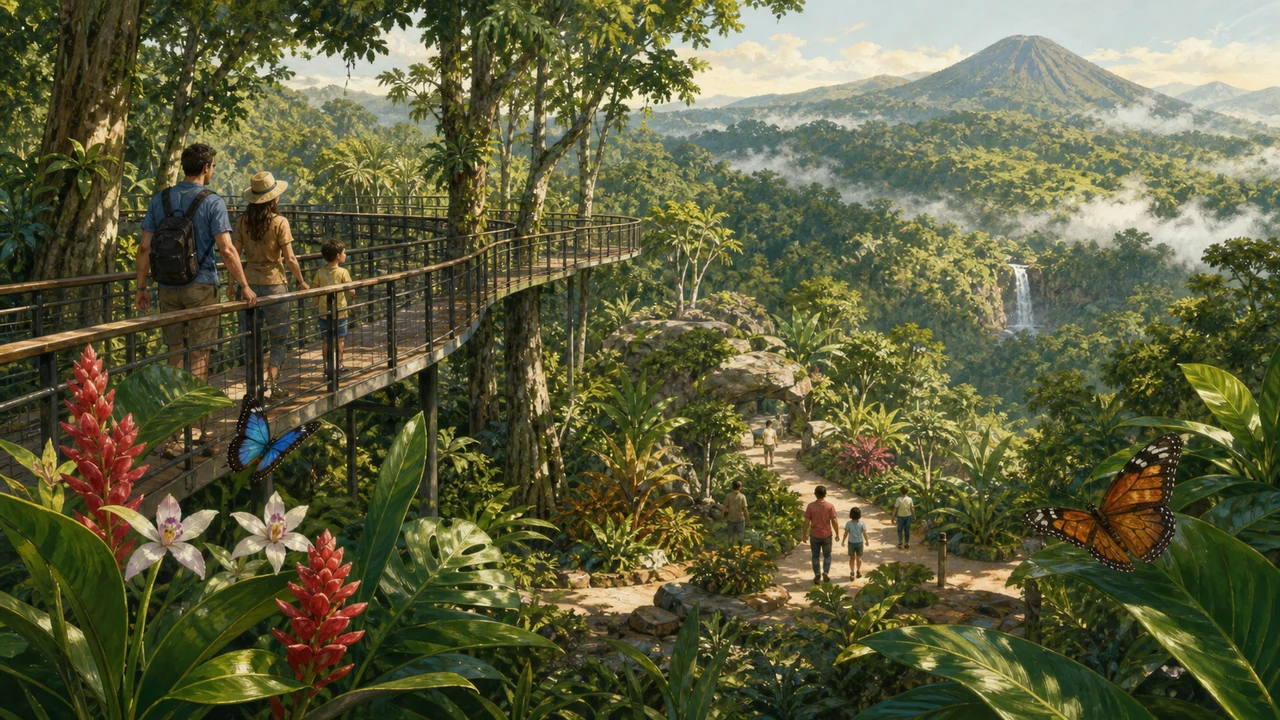 INBio — Costa Rica’s National Biodiversity Institute — helped transform how the world thinks about tropical biodiversity conservation and scientific inventory, and the story of its park near Heredia is a window into Costa Rica’s broader commitment to protecting nature. Founded in 1989 as a non-profit, INBio pioneered the large-scale cataloging of Costa Rica’s species and became a global model for linking scientific research to public education.
INBioparque, located in Santo Domingo de Heredia just minutes from San José, was the institute’s flagship public experience — an interactive ecological park designed to bring families, students, and travelers face to face with the ecosystems that make Costa Rica one of the most biologically rich nations on Earth. Before planning a visit, verify the park’s current operational status directly, as its public access has changed over time.
INBio’s Legacy in Conservation Science
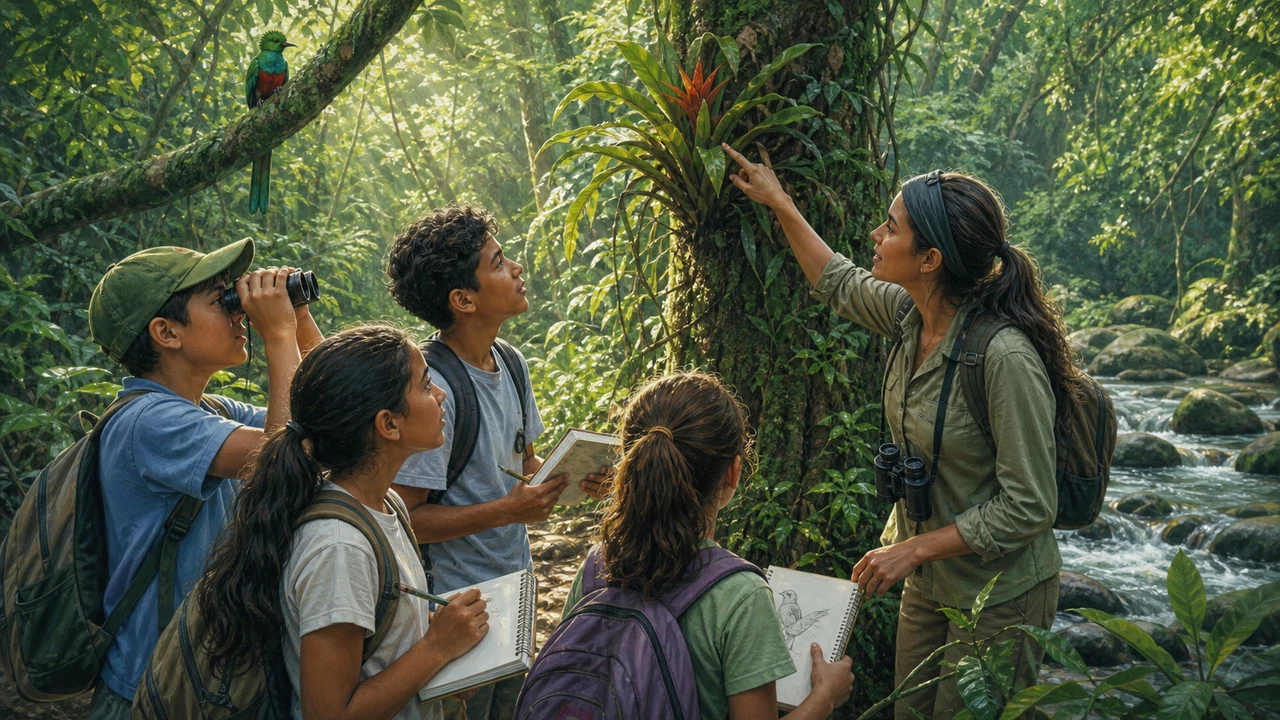 INBio’s founding mandate was audacious: inventory every species living in Costa Rica. Working with parataxonomists — trained community members who collected biological samples from across the country — the institute assembled one of the most comprehensive national biodiversity inventories in the developing world. That foundational research underpinned habitat protection policies, helped establish new protected areas, and informed conservation agreements with research institutions worldwide.
The institute’s work gave scientific weight to what Costa Rica had long sensed: that protecting natural ecosystems is not a sacrifice but an investment. Today, Costa Rica protects over 25% of its land area — a direct beneficiary of the data and advocacy that INBio helped build. The country shelters approximately 5% of all known species on Earth despite covering just 0.03% of the planet’s surface.
What INBioparque Offered
At its peak, INBioparque was one of the most accessible nature education destinations near San José, making it especially valuable for travelers with limited time to reach remote national parks. Guided tours moved through living exhibits of four distinct Costa Rican forest types:
- Rainforest — the dense, layered canopy ecosystem covering much of the Caribbean slope and southern Pacific
- Pre-montane forest — the transitional highland zone rich in bromeliads, orchids, and cloud-adapted wildlife
- Wetlands — freshwater habitats hosting herons, caimans, turtles, and aquatic plants
- Dry tropical forest — the seasonally dormant ecosystem typical of Guanacaste, among the most threatened in Central America
Residents along the trails included poison dart frogs, morpho butterflies, iguanas, sloths, caimans, and numerous bird species. Botanical stations highlighted orchids, heliconias, bromeliads, and medicinal plants. A small working farm demonstrated sustainable agriculture alongside the wild exhibits.
Tours concluded with a presentation on Costa Rica’s national parks and protected areas — a natural segue encouraging visitors to venture deeper into the country’s wilderness.
Where to Experience Costa Rica’s Biodiversity Today
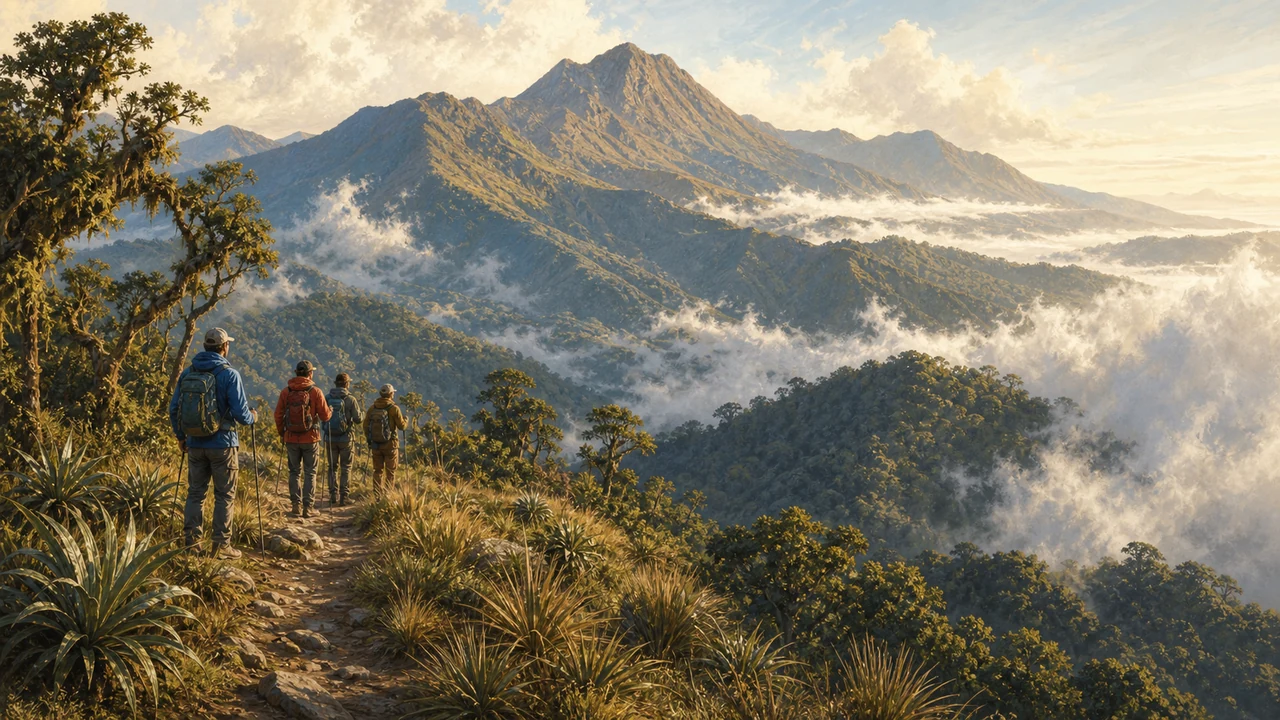 Whether or not INBioparque currently operates as a public park, Costa Rica’s extraordinary natural heritage is fully accessible through its national parks system and a network of private reserves and botanical gardens. A few standout experiences:
Braulio Carrillo National Park — Just 30 minutes northeast of San José on the road to Limón, this massive park protects over 47,000 hectares of rainforest across dramatic elevational gradients. Harpy eagles, tapirs, and jaguars inhabit its core zones, while aerial trams and accessible trails serve day-trippers.
Tortuguero National Park — The Caribbean lowland labyrinth of canals and nesting beaches is one of the most important sea turtle rookeries in the Western Hemisphere. Guided boat tours reveal caimans, manatees, river otters, and more than 300 bird species.
Corcovado National Park — National Geographic once called the Osa Peninsula “the most biologically intense place on Earth.” Corcovado is the crown jewel — a vast, roadless wilderness where scarlet macaw colonies, giant anteaters, and white-lipped peccary herds still roam freely.
Manuel Antonio National Park — A more accessible option on the Central Pacific coast, combining white-sand beaches with primary rainforest trails where squirrel monkeys and three-toed sloths are regularly spotted.
Botanical gardens and private reserves — Several privately run facilities across the Central Valley and beyond offer structured biodiversity experiences similar to what INBioparque pioneered, with guided walks, butterfly gardens, and frog exhibits. Always check current opening hours and reservation requirements before visiting any specific site.
Planning Your Biodiversity Visit
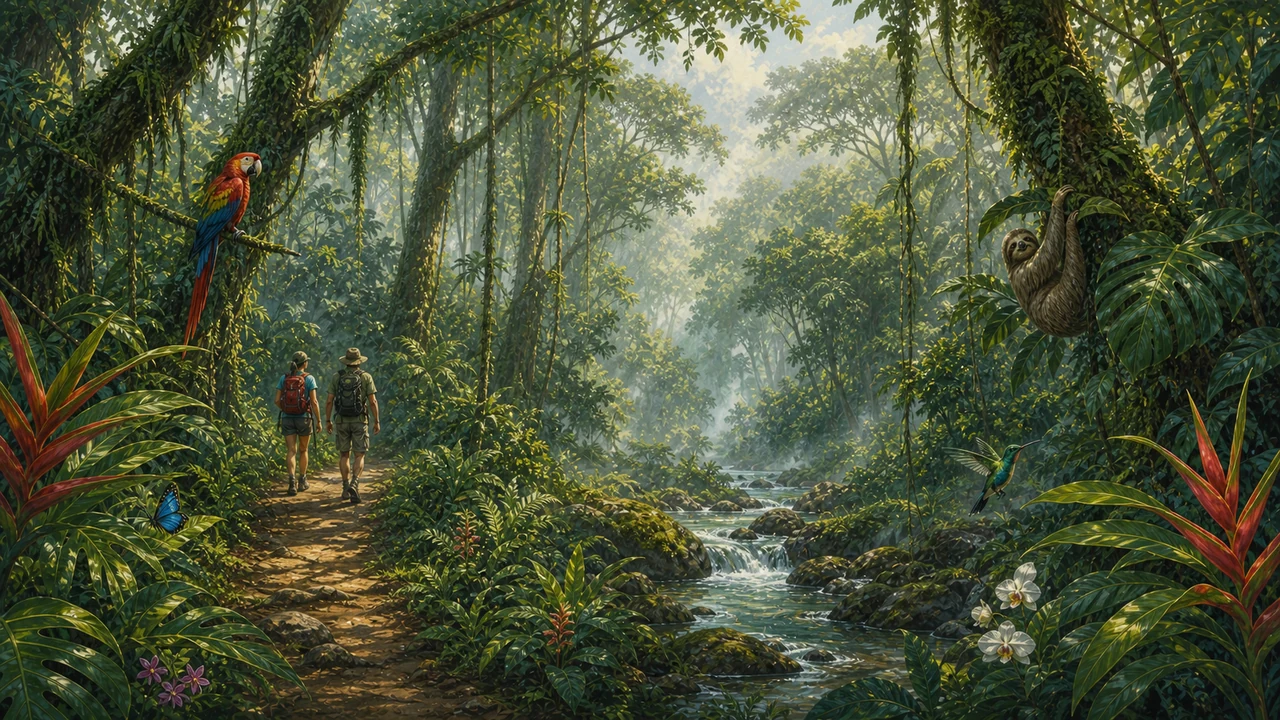 Costa Rica rewards eco-conscious travelers who plan ahead. A few tips for getting the most from the country’s natural attractions:
- Book guided tours in advance for popular parks like Corcovado, which limits daily visitor numbers and requires registered guides for most trails.
- Visit during the dry season (December through April) for easier trail access in Pacific-side parks, or the Caribbean side year-round for sea turtle viewing at Tortuguero.
- Stay at certified ecolodges near the parks you plan to visit — many offer their own guided night walks, birdwatching outings, and educational programs that complement what you see in the parks themselves.
- Combine regions — a week in Costa Rica can realistically cover the Central Valley, one Pacific park, and one volcanic zone without feeling rushed.
For broader context on the country’s conservation model and what makes it work, Costa Rica’s ecotourism and nature section covers everything from rainforests and rivers to sustainable tourism certification.
INBio’s Role in the Bigger Picture
INBio’s influence extends well beyond any single park. The institute helped draft national biodiversity policies, trained a generation of conservation scientists, and demonstrated that community-based biodiversity stewardship could be both rigorous and economically viable. Its parataxonomist program — recruiting and training local farmers and community members as species collectors — is still cited internationally as a model for inclusive conservation.
Costa Rica’s success in protecting its natural environment while maintaining a thriving tourism economy owes much to the foundation that institutions like INBio helped build. Visitors who come to see the wildlife and forests are, in a real sense, the beneficiaries of decades of scientific and policy work that INBio championed. Explore more about why Costa Rica consistently ranks among the world’s top ecotourism destinations, and read our travel tips before you go.
Frequently asked questions
Is INBioparque still open to visitors?
INBioparque's operational status as a public park has changed over the years — please verify current access directly before planning a visit. INBio itself (the National Biodiversity Institute) continues its scientific work, and Costa Rica's national parks system remains fully open for exploring the country's biodiversity.
What was INBioparque and what did it offer?
INBioparque was an interactive ecological park near Santo Domingo de Heredia, run by INBio. It gave families and students hands-on exposure to rainforest, pre-montane forest, wetlands, and dry forest ecosystems — along with live exhibits of frogs, butterflies, sloths, caimans, and more.
What is INBio and why does it matter?
Founded in 1989, INBio (Instituto Nacional de Biodiversidad) is a Costa Rican non-profit dedicated to inventorying, studying, and promoting the sustainable use of the country's biological diversity. Its research helped establish Costa Rica as a global model for conservation science.
Where can I experience Costa Rica's biodiversity today?
Costa Rica's national parks, biological reserves, and botanical gardens offer world-class biodiversity experiences. Top choices include Corcovado, Braulio Carrillo, Tortuguero, Manuel Antonio, and La Amistad — all managed by SINAC, the national conservation system.
How much of Costa Rica is protected natural area?
More than 25% of Costa Rica's territory falls under some form of legal protection, including national parks, wildlife refuges, and biological reserves. This network safeguards roughly 5% of all known species on Earth — an extraordinary concentration of life in a small country.