Costa Rica's Coastal Ecosystems: Nature & Ecotourism
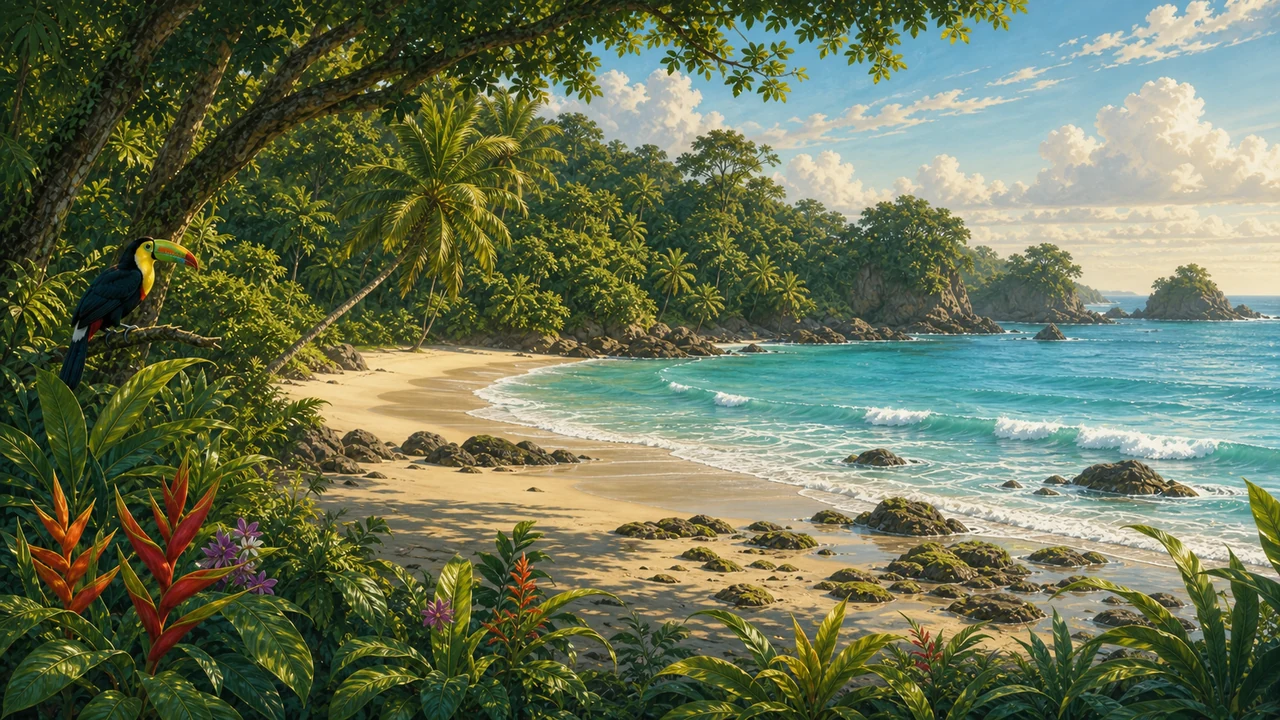 Costa Rica’s beaches are far more than sand and surf — they are living ecosystems where sea turtles haul ashore to nest, scarlet macaws patrol the forest edge, and coral reefs shelter thousands of species beneath the waves. For travelers drawn to Costa Rica ecotourism and nature, the country’s 1,200-plus kilometers of coastline offer some of the most rewarding wildlife encounters on earth.
Both the Pacific and Caribbean shores host protected marine areas, mangrove forests, and certified ecological beaches. Whether you want to witness leatherback turtle nesting on the North Pacific coast, explore a coral reef in Caribbean waters, or simply sit on a beach that earns its Blue Flag certification, Costa Rica delivers without the crowds typical of more developed beach destinations.
Sea Turtle Nesting Beaches
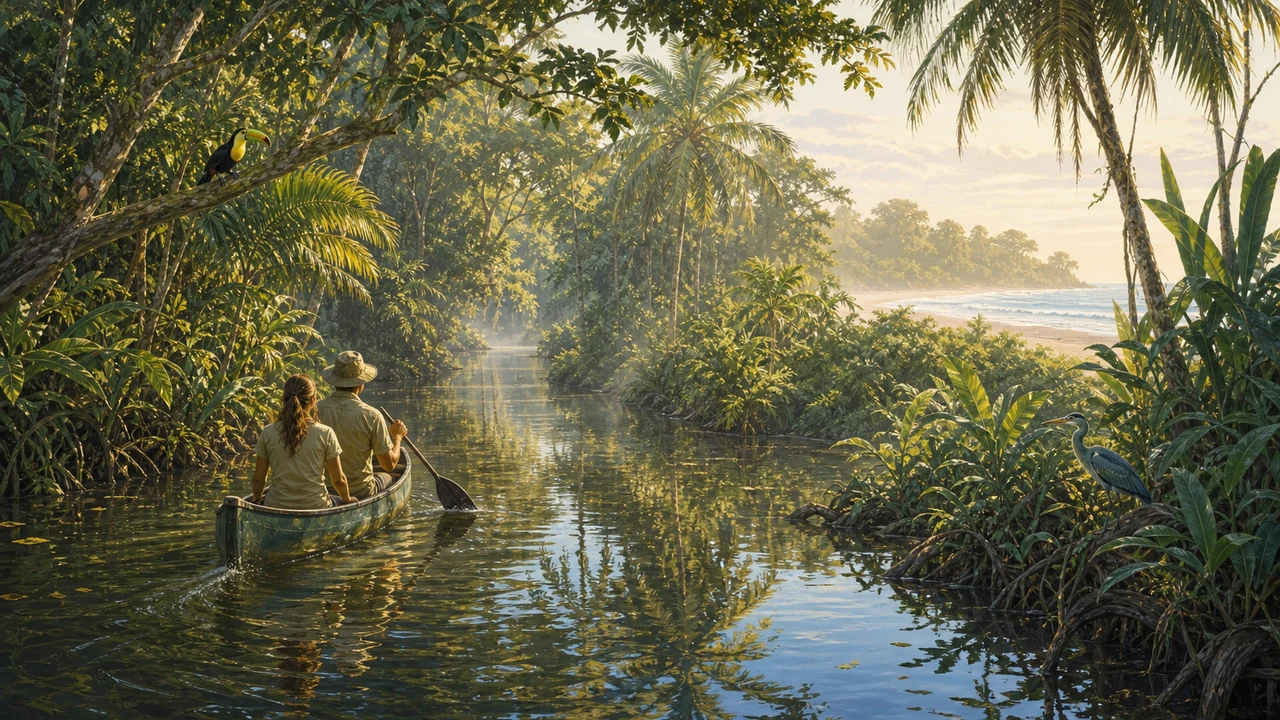 Tortuguero National Park protects the most important green sea turtle nesting beach in the Western Hemisphere. Each year, thousands of females emerge from the Caribbean Sea under cover of night to lay eggs on the dark-sand beach. The park’s canal system — a mosaic of rivers, lagoons, and rainforest — provides one of Costa Rica’s most dramatic wildlife backdrops, accessible only by boat or small plane.
On the Pacific side, Las Baulas Marine National Park near Tamarindo guards the nesting grounds of the critically endangered leatherback turtle, the largest reptile on earth. Guided night tours of Las Baulas during nesting season operate under strict protocols — group sizes are limited, red-filtered lights only, no flash photography — ensuring that visitor access does not disrupt the nesting process.
Olive ridley turtles arrive in spectacular mass-nesting events called arribadas at Ostional Wildlife Refuge further up the Nicoya coast. These synchronized landings can involve hundreds of thousands of turtles and are among the most extraordinary natural spectacles anywhere in Central America.
Marine National Parks and Dive Sites
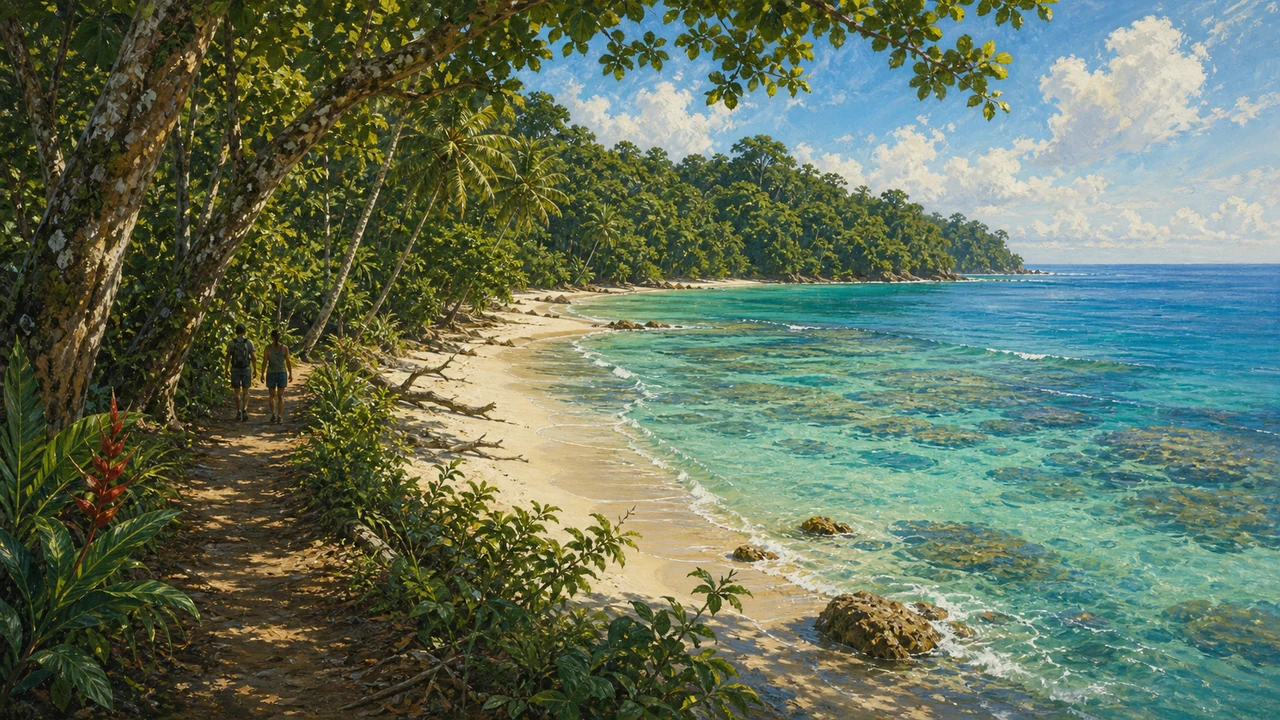 Cahuita National Park on the Caribbean coast encompasses the country’s best-preserved coral reef — a 600-hectare underwater garden alive with parrotfish, angelfish, lobster, and sea turtles. The reef suffered damage from a 1991 earthquake and subsequent coral bleaching events, but active restoration and strict visitor management have allowed it to recover significantly. Snorkeling here is accessible to all skill levels.
Marino Ballena National Park on the South Pacific coast is named for the humpback whales that feed and calve in its protected waters. The park’s famous “whale tail” sandbar — a natural formation visible at low tide — has become one of Costa Rica’s most photographed coastal images. Humpbacks visit twice a year as they migrate between Northern and Southern Hemisphere feeding grounds, making this stretch of coast a world-class whale-watching destination on the Costa Rican Pacific.
For divers, Caño Island Biological Reserve off the Osa Peninsula offers visibility that can exceed 20 meters, shark sightings, and pre-Columbian stone spheres on the island itself. Further offshore — only reachable via liveaboard — Cocos Island National Park is consistently ranked among the top dive sites in the world, famous for schooling hammerhead sharks and massive manta rays.
Mangroves and Coastal Wetlands
Mangrove forests line many of Costa Rica’s river mouths and estuaries, functioning as nurseries for marine species, storm barriers, and carbon sinks. The Gandoca-Manzanillo Wildlife Refuge on the far southern Caribbean coast protects one of the country’s largest and healthiest mangrove systems alongside pristine beach.
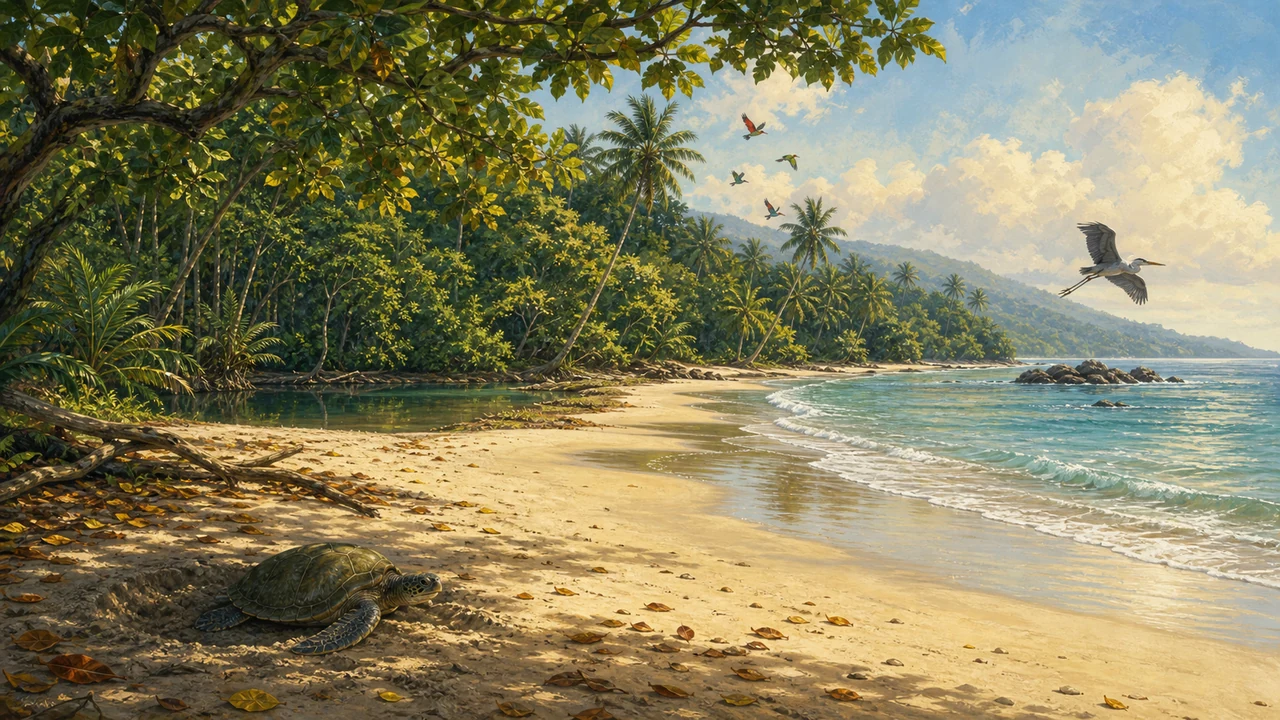 Kayaking through mangrove channels — often offered by community-based guides from the local Afro-Costa Rican and indigenous communities of the area — brings you face to face with caimans, herons, roseate spoonbills, and river otters in an eerily quiet world. It is one of the most intimate wildlife experiences the country offers, entirely distinct from the organized tours of the national parks.
On the Pacific, Carara National Park sits at the ecological transition zone between the dry Guanacaste forests and the wet Pacific lowlands. The Tarcoles River estuary adjacent to the park harbors the largest American crocodile population in the country — visible from the highway bridge — alongside spectacular scarlet macaw colonies that roost in coastal trees at dusk.
Blue Flag Beaches and Responsible Beach Tourism
Costa Rica’s Ecological Blue Flag program evaluates beaches annually on water quality, cleanliness, environmental education, and community engagement. Beaches earn flags by meeting strict standards — each additional flag represents a higher level of achievement. Travelers looking for responsibly managed destinations can use the program as a reliable guide.
Blue Flag certification does not mean a beach is crowded or overdeveloped. Many certified beaches are in small communities where the certification itself has driven local investment in waste management and environmental stewardship. The program has expanded beyond beaches to include rivers, communities, and businesses — making it one of the most comprehensive eco-certification systems in Latin America.
For the full picture of Costa Rica’s regional beach offerings, visit the main Costa Rica beaches pillar, which covers North Pacific beaches, Central Pacific beaches, South Pacific beaches, and Caribbean beaches.
Coastal Wildlife Encounters
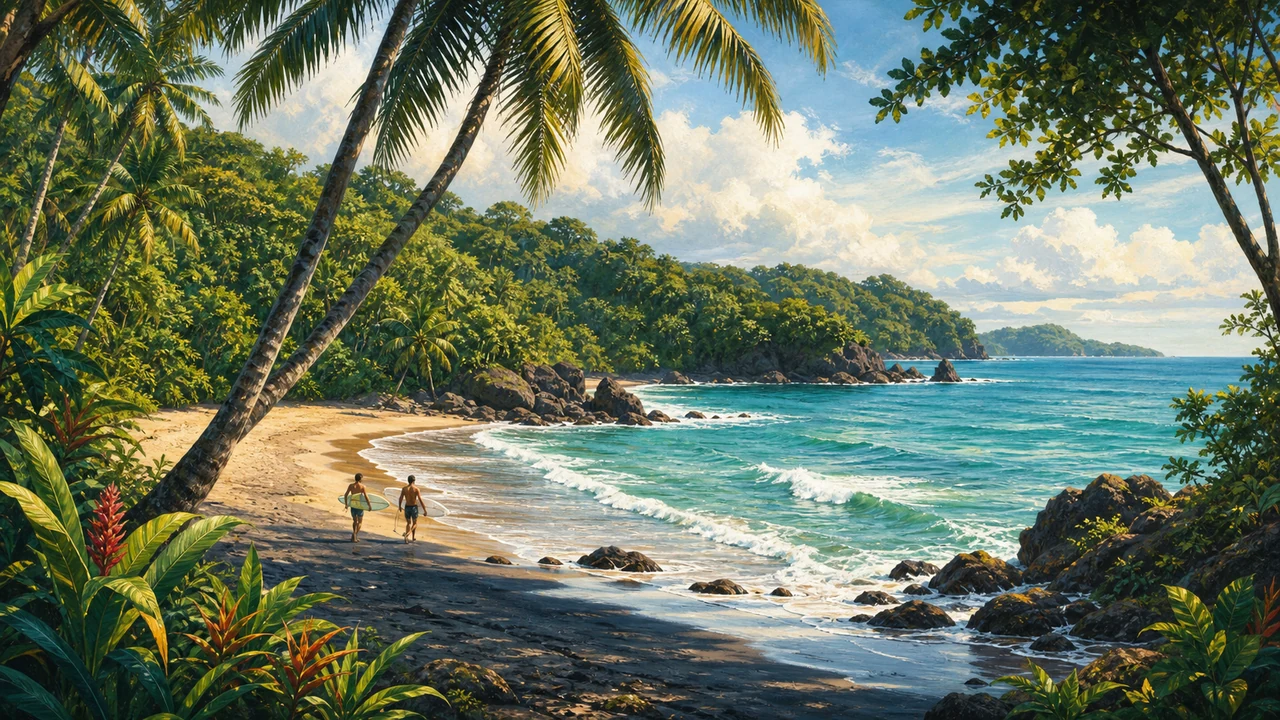 The interface between forest and sea is biologically rich. Howler and white-faced capuchin monkeys descend to the beach to forage at low tide. Nesting seabird colonies on rocky headlands along the Guanacaste coast attract birders from around the world. Brown pelicans, frigatebirds, and boobies are a constant presence offshore.
Manuel Antonio National Park remains Costa Rica’s most visited park partly because it delivers the quintessential combination: white-sand beach, coral reef, and forest wildlife all within walking distance. Squirrel monkeys — found only in a small range of Costa Rica and Panama — inhabit the park, along with two-toed sloths, coatis, and hundreds of bird species.
On the Caribbean, the Cahuita–Puerto Viejo corridor offers a relaxed alternative — smaller crowds, Afro-Costa Rican and indigenous Bribri cultural experiences, and coral reef snorkeling easily combined with visits to the Barra del Colorado Wildlife Refuge to the north.
Planning Your Eco-Beach Visit
Responsible coastal ecotourism requires a bit of planning. Turtle nesting tours require advance booking through licensed operators or park offices — spots are limited by design. Marine park entrance fees support conservation. In many areas, hiring a local naturalist guide dramatically improves both the experience and its ecological value.
Check Costa Rica travel tips for advice on the best times to visit each coast, transport options between Pacific and Caribbean, and how to verify operator certification. The sustainable tourism section covers how Costa Rica’s certification systems work in practice — useful background before you choose a tour or lodge.
Costa Rica’s coastal ecosystems are the product of decades of protected-area investment and community conservation. The beaches here are not just scenery — they are working natural systems, and your visit, handled thoughtfully, contributes to keeping them that way.
Frequently asked questions
Which beaches in Costa Rica are best for watching sea turtles nest?
Tortuguero on the Caribbean coast is the most famous nesting site for green sea turtles, with a peak season from July through October. Las Baulas Marine National Park near Tamarindo on the Pacific shelters one of the world's largest leatherback nesting populations, active from October through March.
What is the Blue Flag Ecological Program in Costa Rica?
The Bandera Azul Ecológica is a government-run certification that rewards beaches — and other categories like rivers and communities — for cleanliness, water quality, and environmental management. Dozens of Costa Rican beaches hold active Blue Flag status, making them easy to identify as well-maintained and eco-friendly destinations.
Are there marine national parks where you can snorkel or dive?
Yes. Cahuita National Park on the Caribbean protects the country's most accessible coral reef. Ballena Marine National Park on the South Pacific shelters humpback whales and dolphins alongside coral formations. Caño Island Biological Reserve off the Osa Peninsula is rated among Central America's top dive sites.
What coastal wildlife can I expect to see beyond sea turtles?
Coastal habitats host scarlet macaws, American crocodiles near river mouths, caimans in mangrove channels, white-faced and howler monkeys that feed at the forest edge, pelicans, frigatebirds, and a rich array of shorebirds. Humpback whales pass close to the South Pacific coast twice a year.
When is the best time to visit Costa Rica's eco-beaches?
The dry season (December–April) brings calm seas and clear skies on the Pacific, ideal for snorkeling and diving. The Caribbean coast has its own rhythm — February–April and September–October tend to be drier. Sea-turtle season runs at different times on each coast, so timing depends on which species you hope to see.