Rural Tourism on Costa Rica's Caribbean Coast
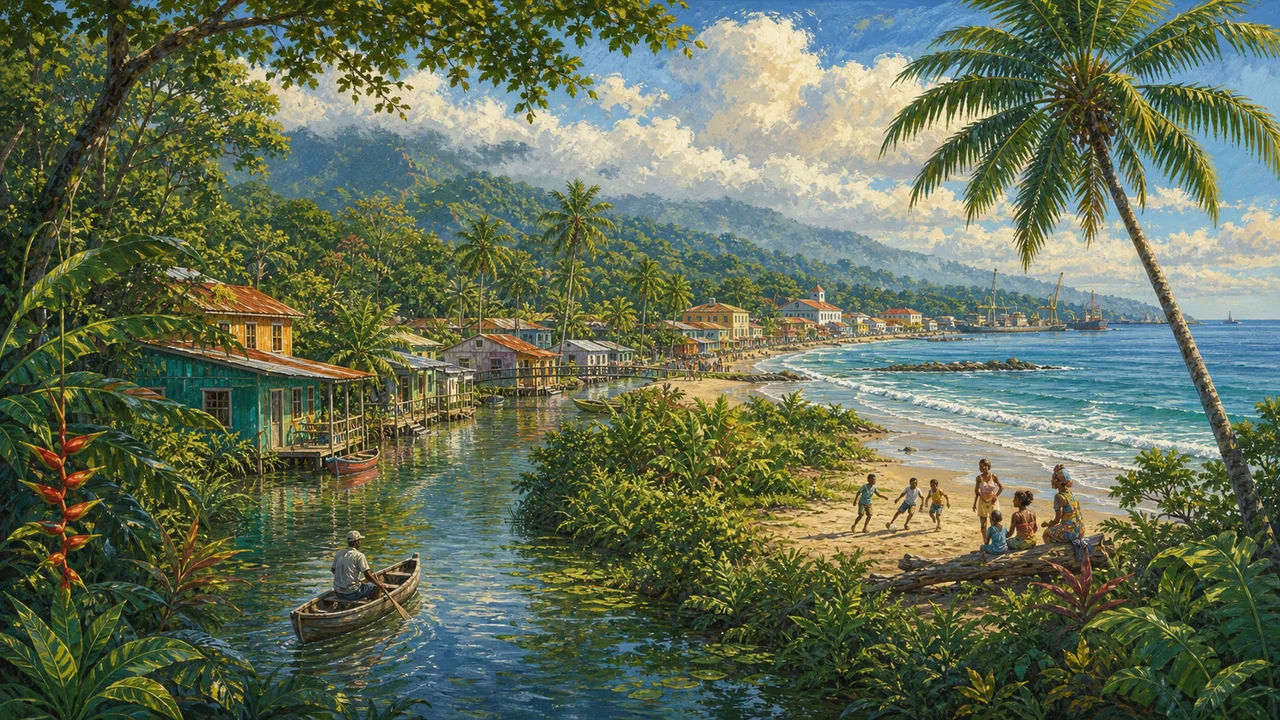 Costa Rica’s Caribbean coast — the province of Limón — is one of the country’s most culturally layered destinations, where Afro-Caribbean, BriBri Indigenous, and mestizo communities share a corridor of exuberant rainforest, coral reefs, and cacao-scented river valleys. Community-based rural tourism here is not a packaged experience grafted onto a resort; it is an invitation into everyday life in one of the most biodiverse and culturally rich corners of the Americas.
The coast’s character changes as you travel south from Puerto Limón. The further you go toward Talamanca, the more the jungle closes in and the pulse of village life slows. Time spent here rewards visitors who arrive without a rigid agenda and with genuine curiosity about the people and landscapes that define this region.
Three Cultures, One Corner of Paradise
For generations the southern Caribbean has been home to three distinct cultural streams. The Afro-Caribbean community traces its roots to Jamaican and Caribbean-island workers brought to Costa Rica in the late 19th century to build the Atlantic Railway linking San José to Puerto Limón. They settled permanently, established farming communities, and created a vibrant culture rooted in Creole English (Mekatelyu), Protestantism, Caribbean cooking, and calypso music.
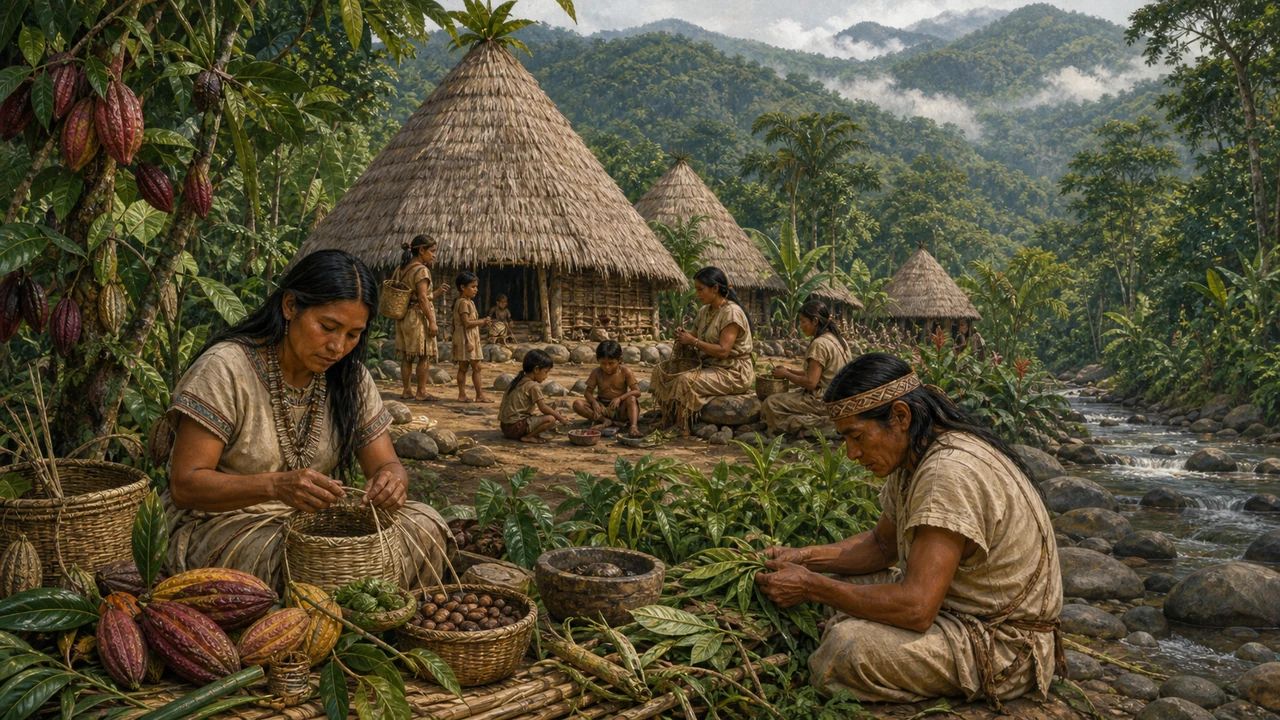 The BriBri and Cabécar peoples have lived in the Talamanca mountains and coastal foothills since long before colonial times. Their territorial reserves — including Keköldi, Yorkin, and Shiroles — remain active, living cultures with their own languages, cosmologies, agricultural traditions, and deep knowledge of medicinal plants. Mestizo Costa Ricans from other provinces also settled here over the decades, drawn by land and opportunity.
Rather than blending into a single identity, these groups have largely maintained distinct traditions while learning to live as neighbors. That coexistence — sometimes complicated, always interesting — gives the Caribbean coast a cultural texture unlike anywhere else in Costa Rica.
Community-Based Tourism in Talamanca
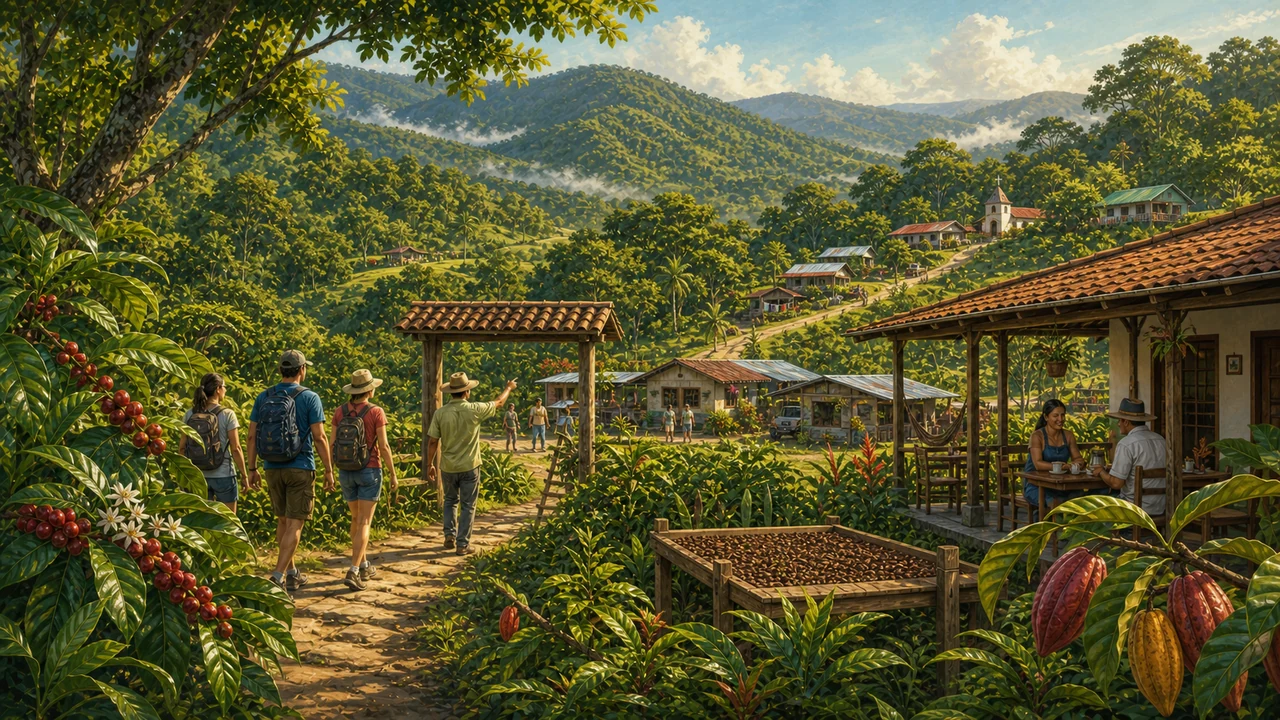 Organized community tourism in this region grew out of conservation necessity. Facing threats from land speculation on the Caribbean coast, banana monoculture expansion, and proposals for oil exploration, indigenous and Afro-Caribbean organizations realized that bringing respectful visitors into their territories created both an economic alternative and a reason for outside institutions to protect the land.
Most community tourism initiatives in Talamanca operate under associations affiliated with the Talamanca Caribe Biological Corridor, a network of protected land and community territories stretching from the mountains to the coast. These associations collectively manage tourism so that income stays within the community and the ecological integrity of the territory is preserved.
The most celebrated experience in the area is the BriBri cacao tour in Yorkin, reached by dugout canoe up the Yorkin River. Visitors spend time with BriBri families learning how cacao is grown, processed, and used in traditional ceremony — a practice with profound cultural significance in BriBri cosmology. The experience typically includes a traditional meal and, depending on the season, river swimming and nature walks through primary forest. Everything is managed by community members, and overnight stays with local families are often available.
The Keköldi Reserve near Puerto Viejo offers guided nature walks through secondary and primary forest, including visits to a traditional iguana farm operated by the community as a wildlife-repopulation project. The reserve sits along a key migration corridor for raptors, and birdwatching at the Keköldi Reserve draws serious birders alongside cultural travelers.
Afro-Caribbean Heritage and Calypso Music
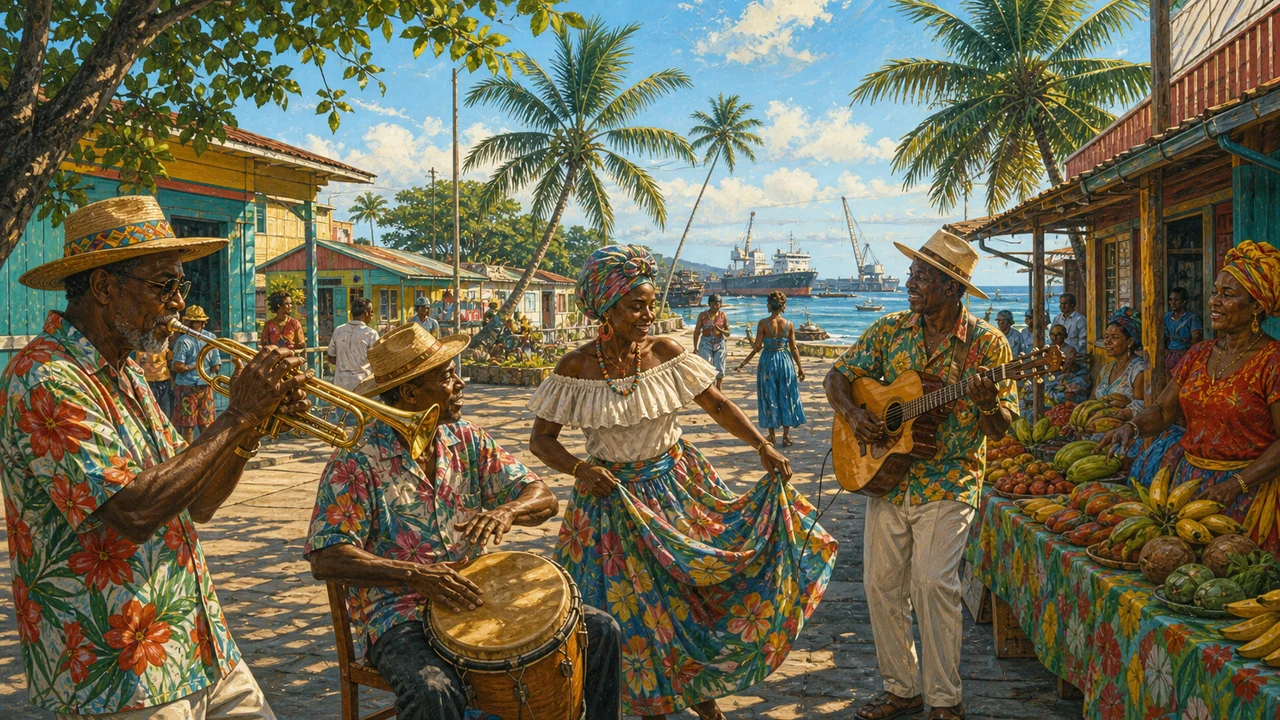 The Afro-Caribbean community’s most enduring contribution to Costa Rican culture is calypso — a musical tradition born on the railroad camps and banana plantations of Limón. Workers from Jamaica and other islands arrived carrying instruments: the quijongo, the ukulele, the four-string guitar, and the banjo. Their music evolved locally, absorbing the stories and social commentary of the community.
Calypso in Limón was never purely entertainment. Calypsonians served as community historians and social critics, using humor and poetry to document exploitation, celebrate resilience, and transmit news through an oral tradition. Sung in Caribbean English or Mekatelyu, the lyrics speak of banana plantations and freedom, of longing and belonging. Limón calypso music reaches its most visible expression during the annual Limón Carnival each October — one of Costa Rica’s most joyful and distinctive festivals, with parades, music, dance, and street food that draws visitors from across the country and beyond.
Caribbean cooking is another expression of this heritage. Dishes like rice and beans cooked in coconut milk, rondon (a hearty seafood stew), and fresh-caught fish prepared with plantains and tropical spices reflect both Jamaican roots and the abundant local ingredients of the coast. Eating in a small soda in Puerto Viejo or Cahuita is itself a cultural experience.
Nature Surrounding the Communities
The communities of Talamanca are embedded in some of Costa Rica’s most important protected ecosystems. Cahuita National Park protects the Caribbean’s finest coral reef along with a stretch of primary rainforest dense with sloths, howler monkeys, and exotic birds. Tortuguero National Park to the north hosts one of the most important sea turtle nesting sites in the Western Hemisphere — green and leatherback turtles arrive on these beaches each season in significant numbers.
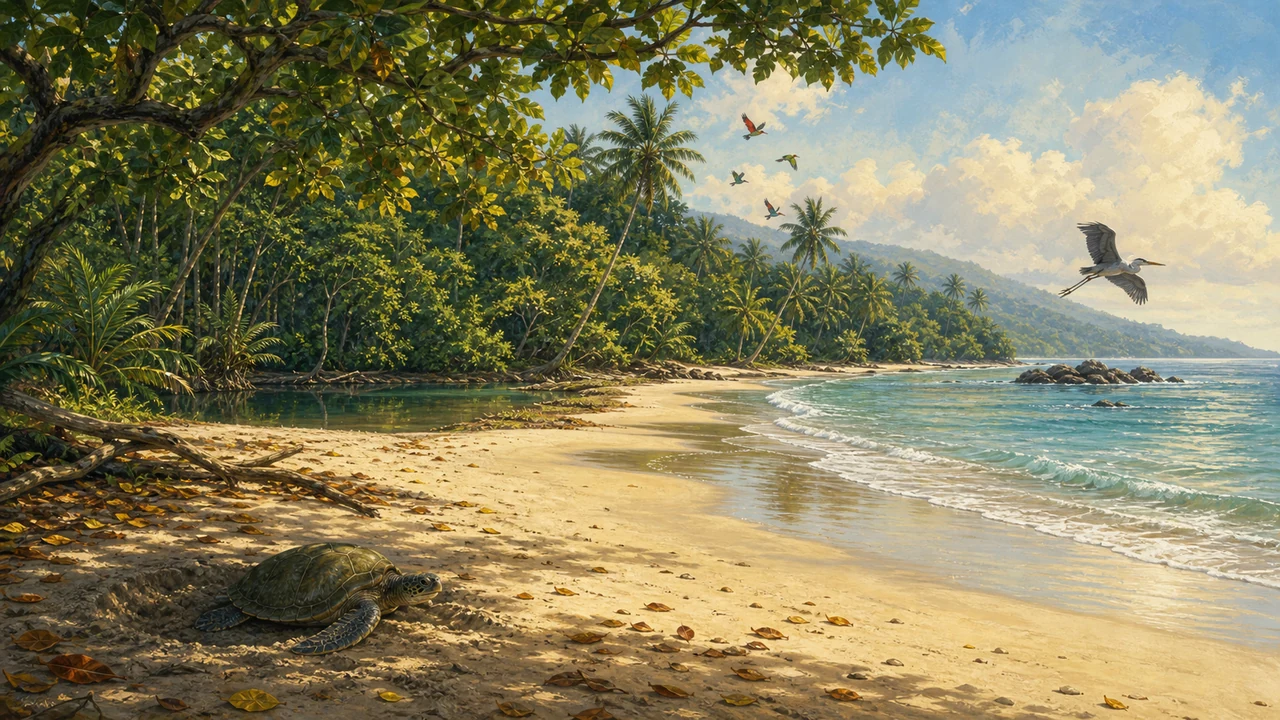 To the south, the Gandoca-Manzanillo Wildlife Refuge extends to the Panamanian border and encompasses coastal lagoons, mangroves, coral reef, and lowland rainforest. Manatees inhabit the lagoons, dolphins frequently appear offshore, and the area is critical habitat for several endangered species. Community-guided snorkeling near Manzanillo offers an accessible way to explore the reef without the crowds that can affect better-known sites.
The highway from San José descends through Braulio Carrillo National Park before reaching the Caribbean lowlands — a dramatic transition from cloud forest to tropical jungle that many travelers count among Costa Rica’s most memorable drives. Birders who stop along the highway shoulder can spot species rarely seen on the Pacific side.
Planning Your Caribbean Community Visit
Community-based rural tourism on the Caribbean coast requires a slightly different approach than booking a conventional eco-lodge.
- Book directly through community associations where possible — this ensures the money reaches the families involved rather than outside operators.
- Allow flexible timing. River levels, weather, and community schedules affect what experiences are available on any given day. A relaxed attitude is not just appreciated; it is genuinely necessary.
- Learn a few phrases in Spanish — English is widely understood in Puerto Viejo and Cahuita, but Spanish is essential once you travel upriver into indigenous territory.
- Bring only what you need. Some community visits involve river crossings and jungle trails where waterproof bags and practical footwear matter far more than resort luggage.
- Respect photograph protocol. In indigenous communities, always ask before photographing people, ceremonial spaces, or sacred objects. Many communities prefer visitors leave cameras behind during certain activities.
The Caribbean coast is best visited with the understanding that the rain is part of the experience. The region is wetter than the Pacific, but the jungle is correspondingly lusher, the rivers run clearer, and the wildlife more abundant.
For broader context on exploring Costa Rica’s natural and cultural landscapes, see Costa Rica ecotourism & nature, Costa Rica travel tips, and the Costa Rica community-based rural tourism hub for other regions including rural tourism in Guanacaste and rural tourism in the Central Pacific.
Frequently asked questions
What indigenous groups offer community tourism on Costa Rica's Caribbean coast?
The BriBri and Cabécar peoples are the principal indigenous communities welcoming visitors in the Talamanca region. Community associations in Keköldi, Yorkin, and Shiroles offer guided cultural experiences, cacao ceremonies, and homestays that benefit families directly.
What is a typical BriBri cacao tour like?
Visitors paddle upriver with a local guide to reach the community, then learn how cacao has been cultivated and used ceremonially for generations. The experience includes tasting traditional cacao preparations and often a shared meal cooked by community members — no resort infrastructure, just genuine daily life.
Is the Caribbean coast safe for tourists?
Puerto Viejo, Cahuita, and the Talamanca communities are popular and well-visited. Standard travel-sense applies: keep valuables secure, travel in daylight on isolated trails, and follow local guidance. See Costa Rica's general safety tips for more.
What is Mekatelyu (Patois) and where is it spoken?
Mekatelyu is the Creole English spoken by Costa Rica's Afro-Caribbean community, descended from Jamaican and other Caribbean-island workers who arrived in the 19th century to build the Atlantic Railway. It is still spoken in Puerto Viejo, Cahuita, and Manzanillo alongside Spanish.
How do I get to the Caribbean coast from San José?
The most common route is through Braulio Carrillo National Park on Highway 32, a scenic mountain highway that descends to the Caribbean lowlands and reaches Puerto Limón in roughly two and a half hours. Bus services and domestic flights also connect the capital to the region.