Rural Tourism in Costa Rica's Central Pacific
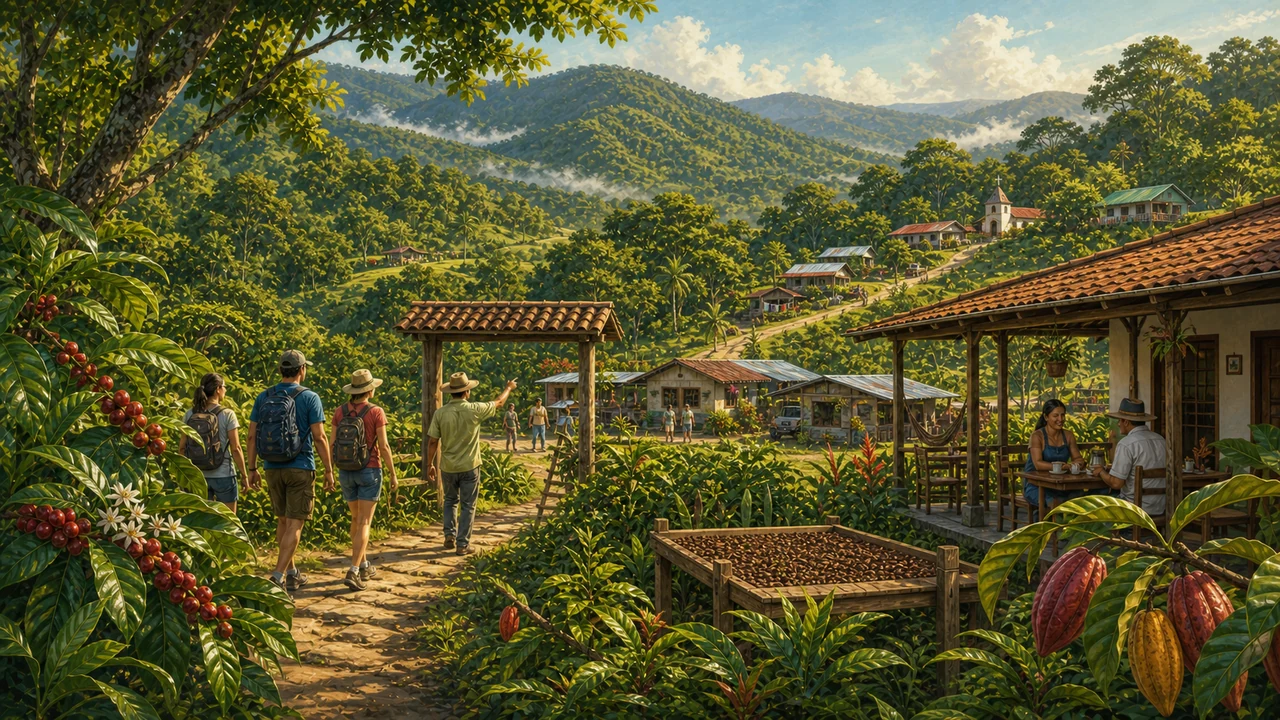 Community-based rural tourism in Costa Rica’s Central Pacific lets visitors move beyond the beach resorts and experience the authentic campesino life that has shaped this region for generations. Here, small cooperatives and family-run lodges sit at the edge of primary forests, mangrove estuaries, and clear mountain rivers — offering a deeply personal window into both the natural world and the communities working to protect it.
The Central Pacific coast is famous for its beaches and for Manuel Antonio National Park, one of the most visited parks in the country. But the real story of the region — the one that ecotourism and nature travelers increasingly seek out — unfolds a few kilometers inland, where rural cooperatives are building a different kind of tourism: one that feeds local families, preserves biological corridors, and gives visitors encounters that no resort can manufacture.
The Cooperatives at the Heart of Rural Tourism
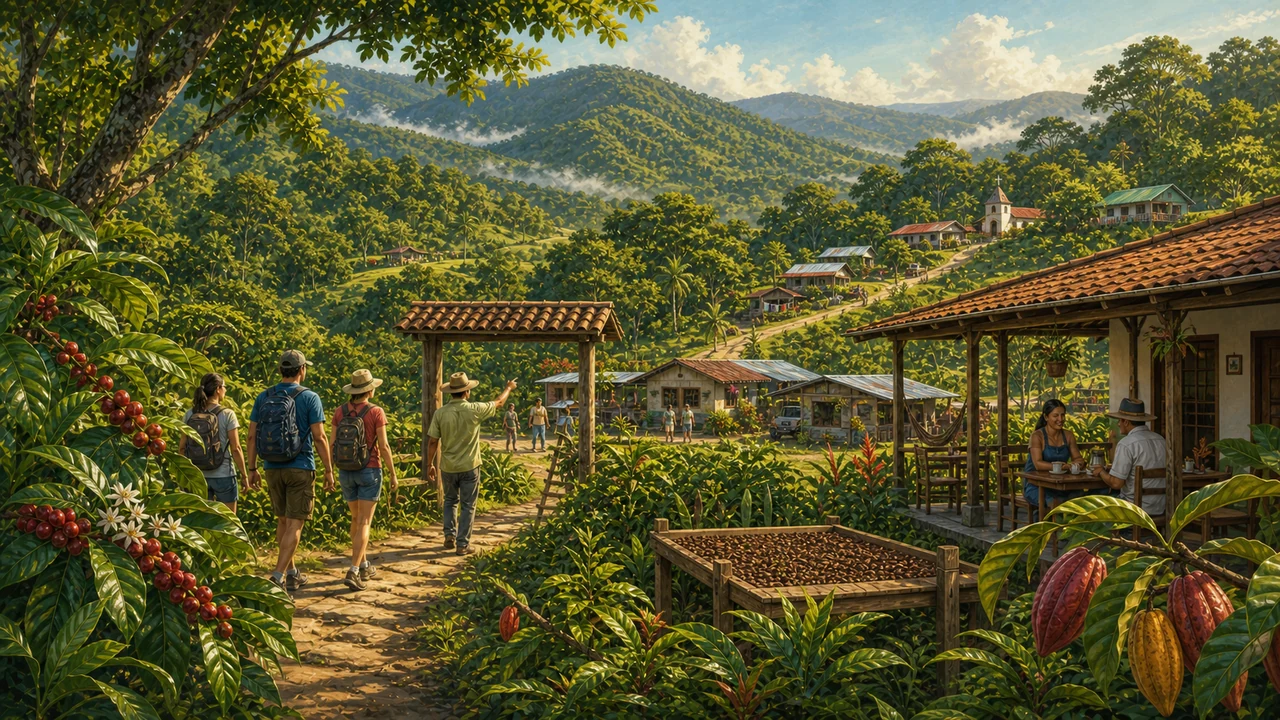 The Central Pacific’s community-based rural tourism cooperatives are its most important asset. Coopesilencio and the Los Campesinos reserve are two of the most recognized. Both operate community lodges, guided trail systems, and hands-on farm programs within or adjacent to forest reserves that serve as critical biological corridors.
These are not polished eco-resorts — they are working communities that have chosen to share their land and livelihoods with guests. Visitors sleep in simple but comfortable cabins, eat home-cooked meals made from ingredients grown on site, and join community members on guided walks through forests that most international travelers never see.
- Coopesilencio operates within a private forest reserve and offers trail systems, river walks, and agricultural tours focused on traditional farming practices.
- Los Campesinos reserve connects to the larger forest matrix surrounding Carara National Park and the Manuel Antonio corridor, sheltering scarlet macaws, howler monkeys, and white-faced capuchins — symbols of the region.
Revenue from both cooperatives flows directly into the communities, supporting reforestation, education, and wildlife monitoring programs that the national park system alone cannot fund.
Biological Corridors and the Forest They Protect
 Protected areas in the Central Pacific are relatively small by global standards, which makes the surrounding private forest — managed by communities and cooperatives — critically important. Without wildlife corridors connecting Carara and Manuel Antonio, species like pumas, tapirs, and ocelots would become isolated in forest islands too small to sustain healthy populations.
The Savegre River descends from the páramo highlands of the Talamanca range and runs through the heart of this corridor. Its lower stretches are a migratory route for birds and an important habitat for river otters and caiman. Walking along the Savegre with a local guide — someone who has watched the river for decades — is one of the most memorable experiences rural ecotourism in the Central Pacific offers.
The biodiversity here rivals anything found deeper in the country. The mangrove estuaries near the coast shelter hundreds of bird species, crocodiles, and juvenile marine life. Inland, farm stays bordering primary forest give guests dawn chorus experiences that can include dozens of bird calls before breakfast.
Mangrove and River Community Experiences
The Pacific coast’s mangrove systems are ecological powerhouses — nurseries for fish, filters for coastal water, and feeding grounds for some of the region’s most spectacular birdlife. Community guides based in small fishing villages offer mangrove kayak tours and river estuary walks that put visitors at water level among the roots and birds.
- Guided kayak tours through mangrove channels at dawn or dusk
- River swimming and snorkeling in clear mountain tributaries
- Night walks to spot nocturnal wildlife including kinkajous and tree frogs
- Bird-watching sessions targeting species like the boat-billed heron and roseate spoonbill
These experiences are designed and led by community members, not outside operators, which means the knowledge shared — local names, seasonal patterns, family histories tied to the land — is genuine and irreplaceable.
What to Expect on a Farm Stay
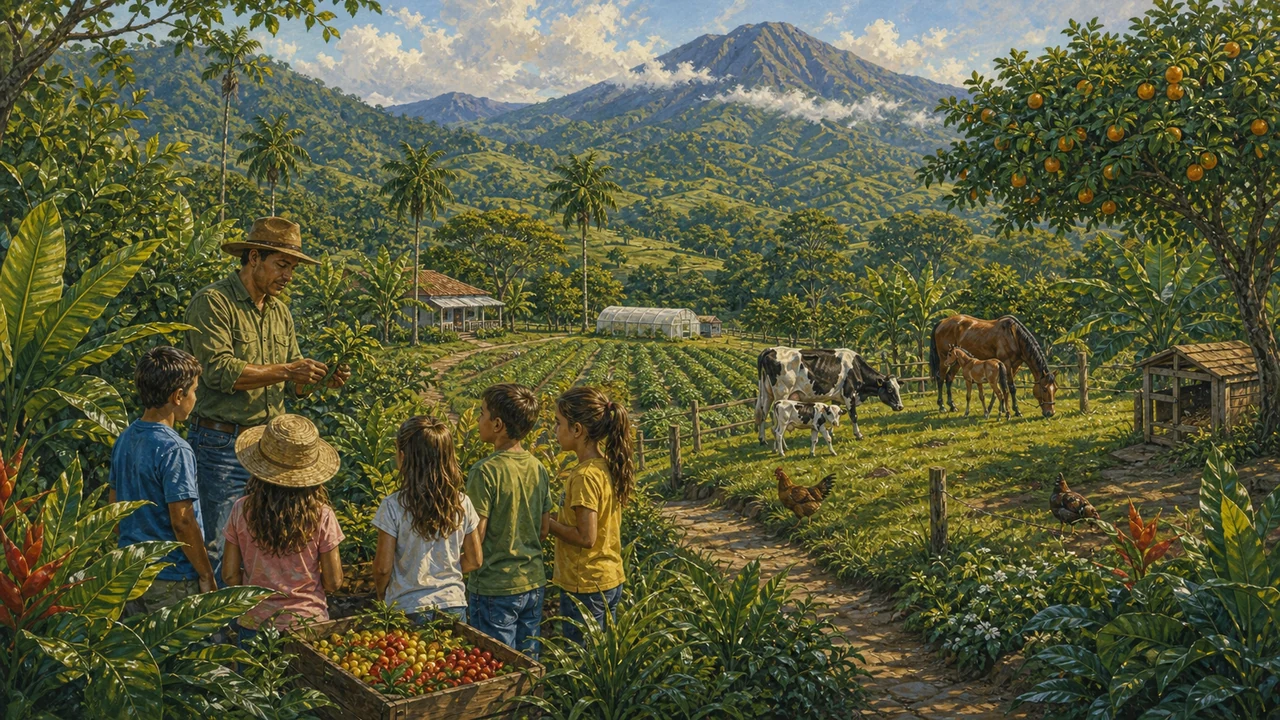 A farm stay in the Central Pacific typically includes accommodation in a family home or small cooperative cabin, all meals prepared from local ingredients, and a guided program tailored to the season. Guests wake to roosters, help harvest tropical fruits, and walk forest trails with guides who know every bird call. Evenings are quiet — often spent on a porch watching fireflies over the pasture.
Activities vary by cooperative but commonly include:
- Agricultural tours covering tropical crops: pineapple, plantain, hearts of palm, and native fruits
- Chocolate-making workshops from cacao harvested on site
- Medicinal plant tours led by community elders
- Traditional cooking classes featuring regional dishes
- Horseback riding through pasture and forest-edge trails (see horseback riding in Costa Rica)
The rhythm is deliberately slow. The point is not to check off activities but to spend enough time in one place to understand how a rural Costa Rican community works — and why protecting the forest around it is non-negotiable.
Gateway Towns: Jacó and Quepos
The cities of Jacó and Quepos serve as practical gateways for Central Pacific rural tourism. Jacó offers the most direct access from San José (about 1.5 hours via the Costanera Sur highway) and has a full range of accommodations, car rentals, and tour operators. Quepos, closer to Manuel Antonio, is smaller and more relaxed — a better fit for travelers planning to combine rural visits with time in the national park.
From either town, community lodges and cooperatives are typically 30–90 minutes inland by road, often on unpaved tracks that reward visitors with forest scenery and the gradual quiet that descends as beach towns fall behind. Check with your chosen cooperative about road conditions and recommended vehicle type before you go.
Planning Your Visit
Community-based rural tourism in the Central Pacific works best when booked directly with the cooperatives, ideally with at least a two-night stay — one night doesn’t give you enough time to slow down and connect. Many cooperatives are affiliated with national networks that can help coordinate bookings, transport, and multi-community itineraries.
Combine a Central Pacific rural stay with a visit to Carara National Park for scarlet macaw sightings, a morning in Manuel Antonio for monkeys and beaches, and river activities along the Savegre for a full picture of what the region offers. For more context on how Costa Rica’s rural tourism fits into the country’s broader sustainability agenda, see ecotourism & nature and sustainable tourism.
You can also explore rural tourism on the Caribbean Coast and rural tourism in Guanacaste for comparable experiences in other regions. For general trip planning, the Costa Rica travel tips page covers transport, currency, and safety essentials.
Frequently asked questions
What is community-based rural tourism in Costa Rica's Central Pacific?
It refers to locally run tourism initiatives — cooperatives, family farm stays, and community lodges — that let visitors experience authentic rural life alongside nature. Guests participate in daily agricultural activities, guided nature walks, river kayaking, and mangrove tours while income stays within the community.
What wildlife can I see on a Central Pacific rural tour?
The region is home to scarlet macaws, white-faced capuchin monkeys, howler monkeys, river otters, pumas, tapirs, and ocelots. Mangrove estuaries shelter caimans, herons, and migratory shorebirds. The Savegre River corridor is especially rich for birds and mammals.
How do I get to the Coopesilencio and Los Campesinos reserves?
Both reserves are inland from Quepos and the Manuel Antonio area, roughly a 2–3 hour drive from San José via the Costanera Sur highway. A 4x4 vehicle is recommended for the final approach to most community lodges. Many reserves offer transfers from Quepos or Jacó.
Is rural tourism in the Central Pacific family-friendly?
Yes. Activities like guided river walks, farm tours, chocolate-making demonstrations, and canopy hikes are suitable for most ages. Community hosts are experienced with families and can tailor programs to include lighter walks and shorter excursions for younger visitors.
What is the best time to visit Central Pacific rural communities?
The dry season (December through April) offers the easiest road access and the most reliable weather for outdoor activities. The rainy season (May through November) brings lush landscapes and fewer crowds; rivers run fuller for kayaking, though some rural roads may require 4x4 access.