What Makes Costa Rica's History Unique in Latin America
Costa Rica’s history is unlike any other in Central America — shaped by colonial poverty, an unusual settler culture, a pivotal decision to abolish the military, and a commitment to peaceful democracy that has become the country’s defining export.
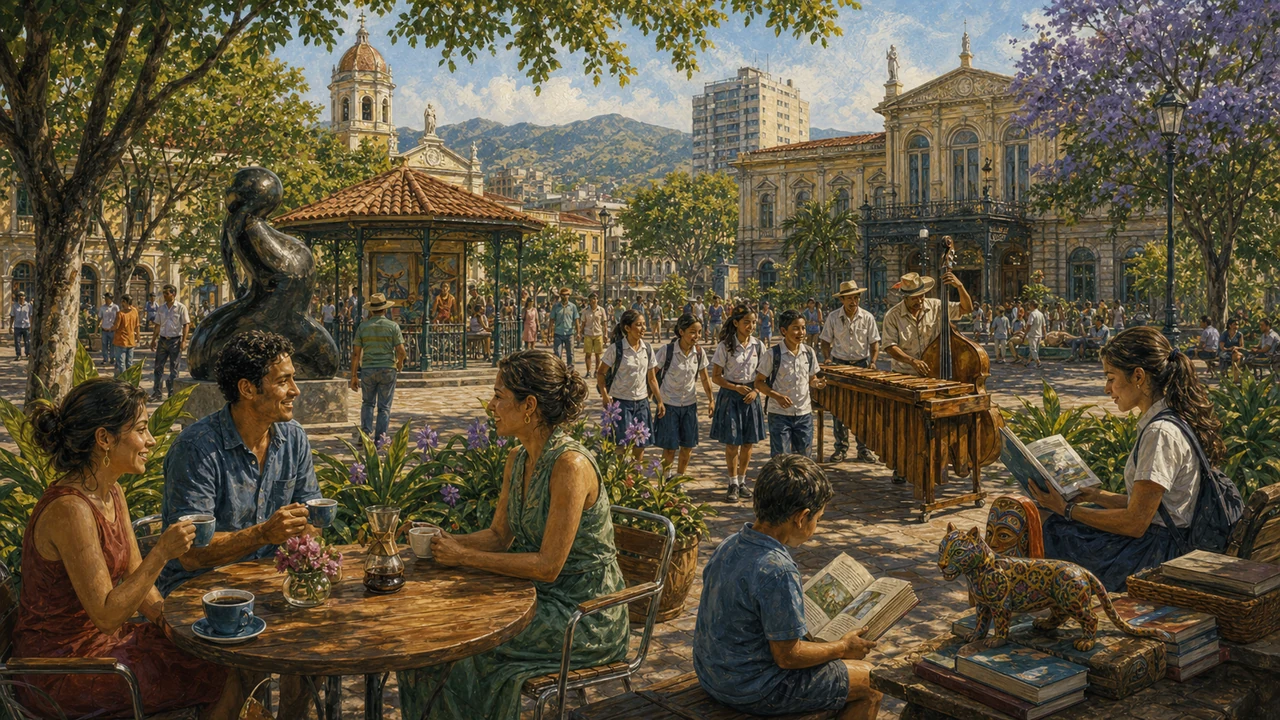 Most visitors arrive knowing Costa Rica as a nature destination, but behind the rainforests and national parks lies a political and social story that sets this small republic apart from its neighbors. Understanding that story helps explain why Costa Rica looks, feels, and works differently from the rest of Central America — and why so many people consider visiting Costa Rica a fundamentally different kind of travel experience.
The Poor Colony That Bred Equality
When Spain colonized the Americas, it generally sought two things: mineral wealth and a large captive indigenous workforce to extract it. Costa Rica offered neither. The territory had no significant gold or silver deposits, and European diseases — smallpox, measles, influenza — had reduced the indigenous population from roughly 400,000 at first contact to a fraction of that within a century. The surviving indigenous communities were concentrated in remote highlands and resisted subjugation tenaciously.
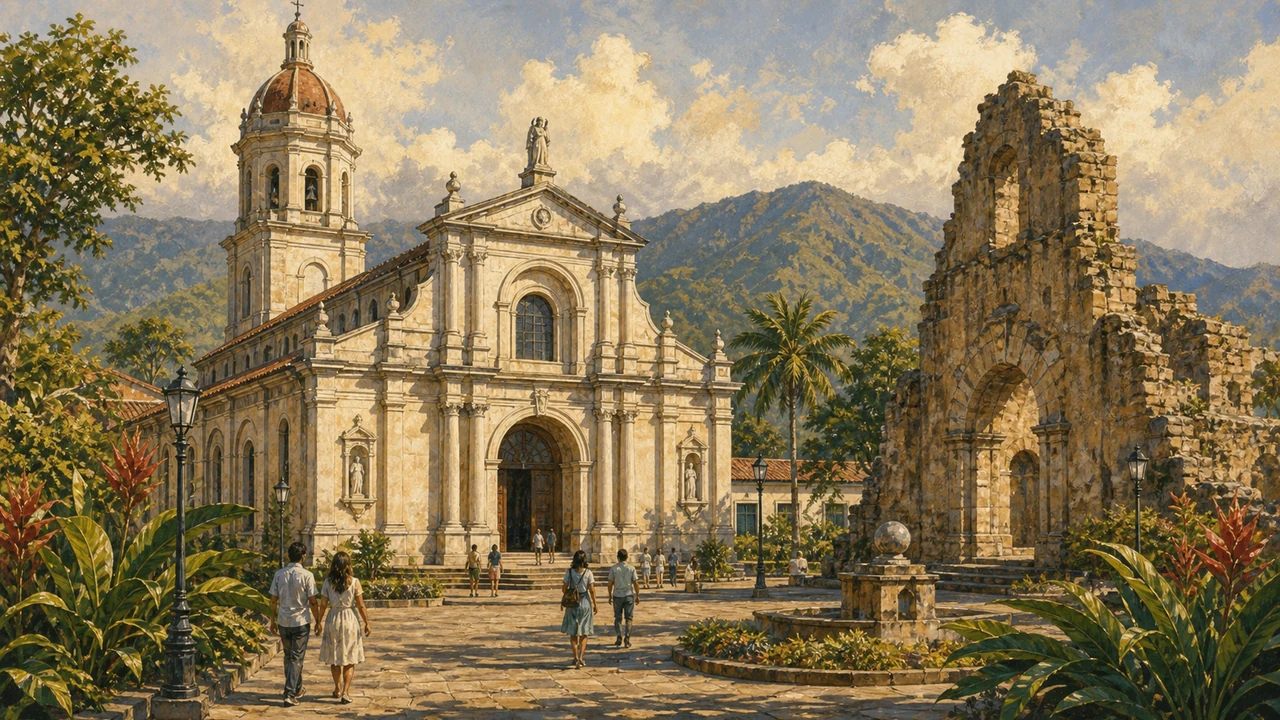 The result was a colony that imperial Spain largely ignored. Cartago, the colonial capital, was a dusty, isolated backwater. There were no grand haciendas worked by indigenous peons, no silver mines generating wealth for absentee landlords in Spain. Instead, a small settler population concentrated in the Central Valley and worked the land themselves to survive. Costa Rica’s colonial isolation and poverty inadvertently created the conditions for something rare in the Spanish empire: a society of smallholders who had to cooperate, who depended on their own labor, and who developed habits of relative equality simply because there was no one wealthy enough to dominate everyone else.
Historians often trace Costa Rica’s later democratic culture directly to this colonial-era poverty. The landed aristocracies that came to dominate Guatemala, El Salvador, and Honduras simply did not take root here in the same way. By the time independence arrived, Costa Rica’s egalitarian settler culture was already a century or more old.
Independence and the Smallholder Coffee Democracy
Costa Rica declared independence on September 15, 1821 — along with the rest of Central America — but learned of the fact a month later by mail, a telling measure of how cut off the country was from the wider world. The early republic was poor, fractious, and unsure of itself. Four competing cities vied for dominance before San José emerged as the capital after a brief armed dispute.
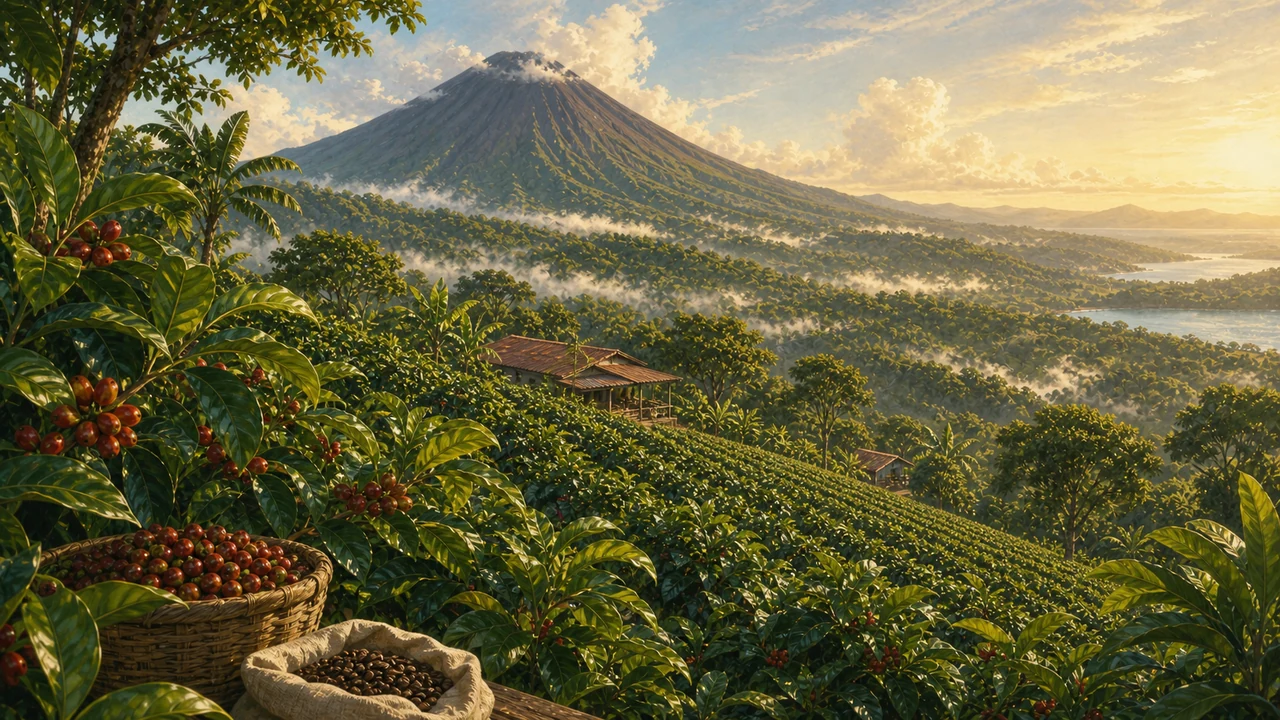 The transformation came with Costa Rican coffee. By the 1840s, coffee exports to Europe were generating real national income for the first time. Crucially, the coffee economy shaped by smallholder farmers — not by a small oligarchy of plantation owners — meant that prosperity was distributed across thousands of families. Those families built schools and demanded a press, accountability, and eventually elections. The wealth from coffee financed the magnificent National Theater in San José (opened in 1897), a symbol of civic ambition that still anchors the capital.
The mid-19th century also produced Costa Rica’s greatest national hero. When the American mercenary William Walker seized power in Nicaragua and threatened to roll his empire through all of Central America, Costa Rican president Juan Rafael Mora raised a volunteer army of farmers and craftsmen. That unlikely force defeated Walker at the Battle of Santa Rosa in 1856. A young drummer named Juan Santamaría torched an enemy stronghold at the cost of his own life; his sacrifice is commemorated every April 11, a national holiday. The episode cemented a self-image: Costa Rica as a small republic that punched above its weight through civic courage, not military tradition.
1948: The Decision That Changed Everything
By the mid-20th century, Costa Rica had developed more democratic institutions than most of its neighbors — but the country was not immune to political crisis. Disputed elections in 1948 triggered a brief civil war. In roughly six weeks of fighting, more than 2,000 people died — the bloodiest episode in the country’s modern history. José Figueres Ferrer’s forces prevailed.
What happened next defined Costa Rica for generations. The victorious junta — rather than entrenching military power as most winning factions did elsewhere — chose to dismantle the army entirely. In December 1948, Figueres handed the keys of the Cuartel Bellavista military barracks to the Minister of Education. The abolition of the Costa Rican military in 1948 was enshrined in the 1949 constitution as a permanent provision. The money saved was redirected into education and healthcare.
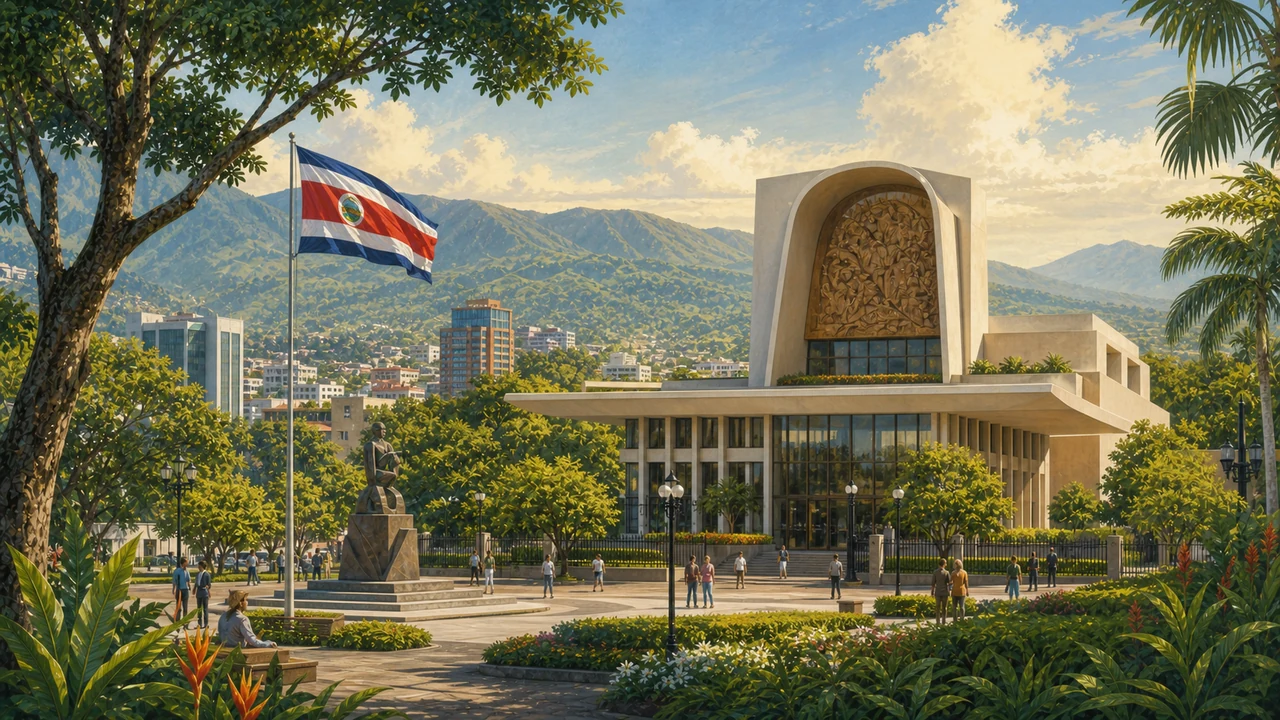 The results were dramatic and sustained. While Guatemala, Nicaragua, El Salvador, and Honduras cycled through military coups, dictatorships, and devastating civil wars throughout the Cold War era, Costa Rica remained a stable constitutional democracy. Women won the right to vote in 1949. Life expectancy climbed steadily, eventually reaching levels that rival wealthy European nations. Literacy rates rose above those of many developed countries. Costa Rica became what its neighbors, for much of the 20th century, were not: a place where elections were held, respected, and produced peaceful transfers of power.
Learn the full political and social arc of this era in Part 3 of the Costa Rica history series.
The Peace Legacy and the Nobel Prize
The logic of unarmed neutrality was tested most visibly in the 1980s, when civil wars raged across Central America. Nicaragua’s Sandinista revolution, the Salvadoran civil war, and Guatemala’s decades-long conflict created a region in crisis. Costa Rica, without an army to threaten anyone or tempt anyone to use, positioned itself as a neutral haven and a diplomatic actor.
President Óscar Arias Sánchez seized this moment. In 1987 he proposed the Esquipulas II Peace Accord, a framework for ending the regional conflicts through negotiation rather than military victory. The accord earned him the Nobel Peace Prize that year. The prize was not given to a country that had won a war; it was given to a country that had built institutions and a culture where war was genuinely seen as a failure of policy.
The Nobel Peace Prize connection resonates today in how Costa Rica presents itself to the world: as a model of what a small country can achieve without spending its resources on weapons. More than 25% of Costa Rica’s territory is protected in national parks and reserves — another expression of the same philosophy, redirecting national energy toward what endures rather than what destroys.
Why the Story Still Matters
Costa Rica’s unique historical path — from impoverished colonial backwater to prosperous, peaceful democracy — is not an accident. It was built from specific circumstances: colonial isolation that prevented the formation of an entrenched aristocracy, a coffee economy that spread prosperity broadly, a political moment in 1948 when a victorious leader chose to abolish rather than use military power, and generations of investment in education and health that compounded over time.
That history shapes everything a visitor encounters today: the relatively high living standards, the civic confidence of ordinary Ticos, the pride in nature conservation, and the general sense that this country is, by the measures that matter most, doing something right.
Explore the full story in Costa Rica’s three-part history series:
- Part 1 — From Ancient Peoples to Modern Democracy
- Part 2 — Colonial Era, Independence & the Coffee Republic
- Part 3 — Civil War, Army Abolition & the Peace Legacy
- No Army Here — the constitutional story
- Why Visit Costa Rica — how this history shaped a destination
- Costa Rica Coffee — the crop that built the democracy
Frequently asked questions
Why is Costa Rica's history so different from its Central American neighbors?
Costa Rica was Spain's poorest, most isolated colony — no gold, almost no indigenous labor force after disease, and no roads to the outside world. That poverty forced settlers to work their own small plots of land, breeding an unusually egalitarian society long before independence. Most neighboring colonies developed wealthy landed elites and large mestizo underclasses; Costa Rica largely did not.
How did coffee create Costa Rica's democracy?
When coffee exports boomed in the mid-1800s, the wealth was spread across thousands of smallholder farming families rather than concentrated in a single plantation oligarchy. Those families funded schools, a free press, and ultimately political institutions that valued literacy and civic participation — the building blocks of a stable democracy.
Why did Costa Rica abolish its military in 1948?
After a brief civil war in 1948, José Figueres Ferrer's victorious junta decided the army was a source of political instability rather than security. In December 1948 Figueres famously handed the keys of a military barracks to the Minister of Education, and the 1949 constitution permanently banned a standing army.
Has Costa Rica always been peaceful?
Largely, yes — though not without turbulence. The 1948 civil war was the bloodiest episode of the modern era, lasting about six weeks. Before that, the 1856 campaign against William Walker saw Costa Rican farmers take up arms to defend Central American sovereignty. But sustained external wars or internal dictatorships have been rare by regional standards.
What is Costa Rica's Nobel Peace Prize connection?
President Óscar Arias Sánchez won the Nobel Peace Prize in 1987 for designing the Esquipulas II Peace Accord, which helped end the civil conflicts tearing apart Nicaragua, El Salvador, and Guatemala. The prize was a global recognition of what Costa Rica had built at home: a culture and government structure that genuinely prioritized peaceful resolution.