Óscar Arias & Costa Rica's Nobel Peace Prize 1987
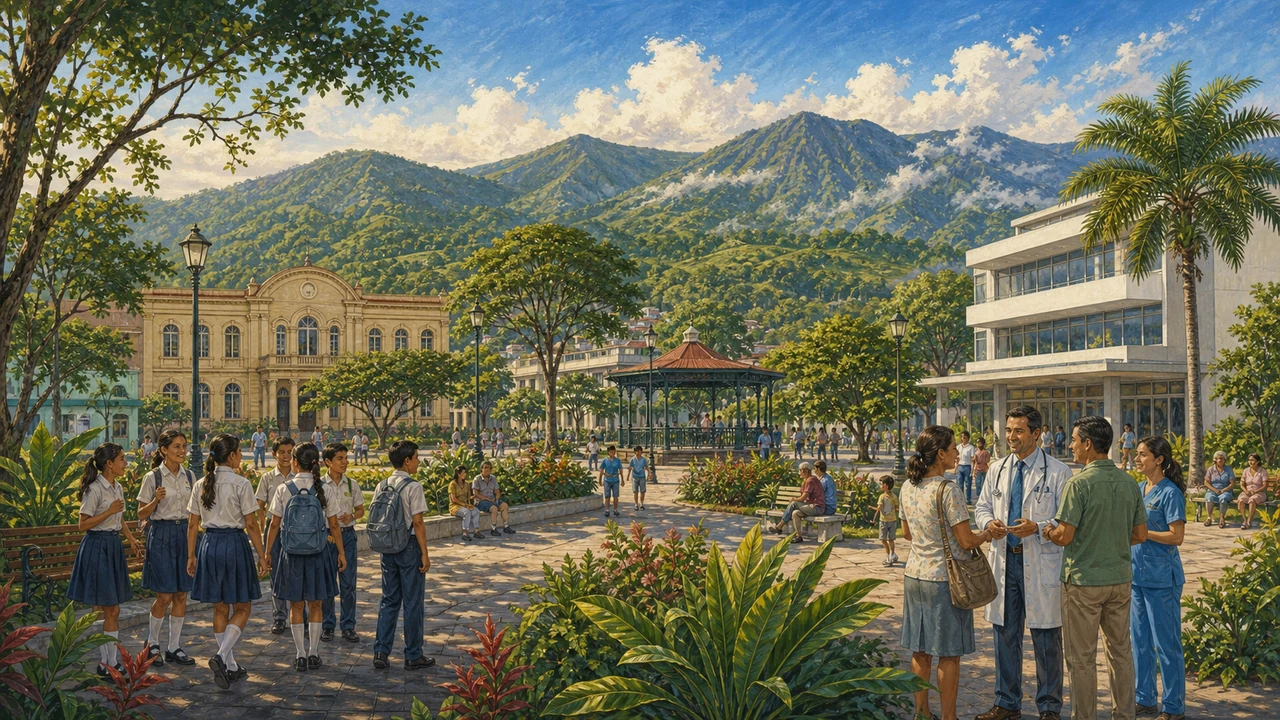 Costa Rica earned global recognition on October 13, 1987, when President Óscar Arias Sánchez was awarded the Nobel Peace Prize for the Central American peace plan known as Esquipulas II — a diplomatic achievement that silenced guns across a war-torn region and cemented the small nation’s identity as a moral force in international affairs.
The prize was not just a personal honor for Arias. It was a validation of the Costa Rican way of life: a country that had abolished its military decades earlier, invested in schools and hospitals instead of weapons, and believed that lasting security comes from education and diplomacy rather than armed force.
The Man Behind the Peace Plan
Óscar Arias Sánchez was born in 1940 in Heredia and studied economics and law before entering politics. He served his first term as president from 1986 to 1990, arriving in office at a moment when Central America was consumed by brutal civil wars in Nicaragua, El Salvador, and Guatemala, with Cold War powers funding opposing sides.
Rather than align Costa Rica with any superpower bloc, Arias pursued what became the Óscar Arias Sánchez Esquipulas peace initiative — a bold, homegrown diplomatic framework. He spent months in 1986 and early 1987 consulting regional leaders and refining a proposal that called for ceasefires, amnesty for combatants, free elections, and national reconciliation commissions in each country. The plan rejected outside military intervention as a solution and placed the responsibility squarely with Central Americans themselves.
Esquipulas II: The Accord That Changed a Region
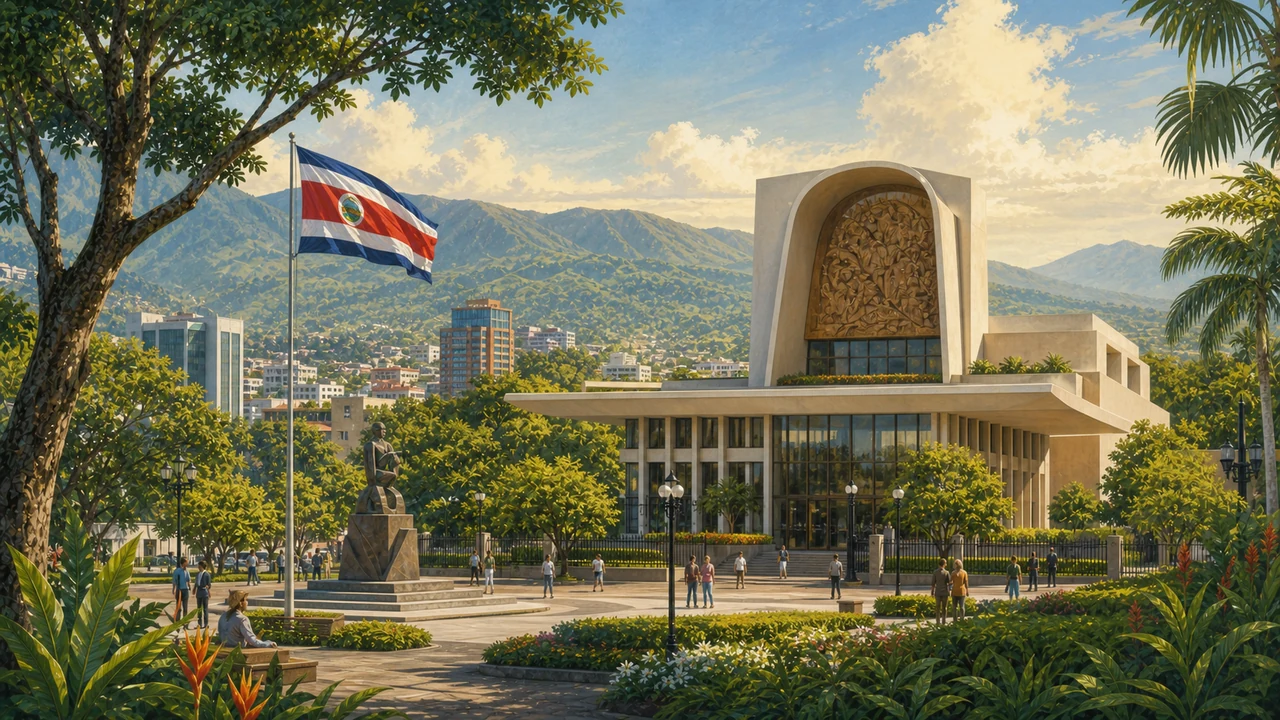 On August 7, 1987, the presidents of Costa Rica, Guatemala, El Salvador, Honduras, and Nicaragua gathered in the Guatemalan city of Esquipulas and signed the accord. The agreement — formally titled Procedure for the Establishment of a Firm and Lasting Peace in Central America — set concrete deadlines for:
- Ceasefire negotiations with armed guerrilla movements
- Amnesty for political prisoners and combatants who laid down arms
- National reconciliation dialogues in each signatory country
- A halt to foreign support for irregular forces
- Free, internationally observed elections
The Central American peace agreement signed in Esquipulas did not end conflict overnight, but it provided the political architecture that allowed wars in Nicaragua, El Salvador, and Guatemala to wind down over the following years. Hundreds of thousands of lives were spared. Millions of refugees eventually returned home.
The Nobel Committee announced its decision just two months after the signing — an unusually swift recognition of a peace process still in motion, a reflection of how significant the committee judged the breakthrough to be.
A Prize Rooted in Costa Rican Values
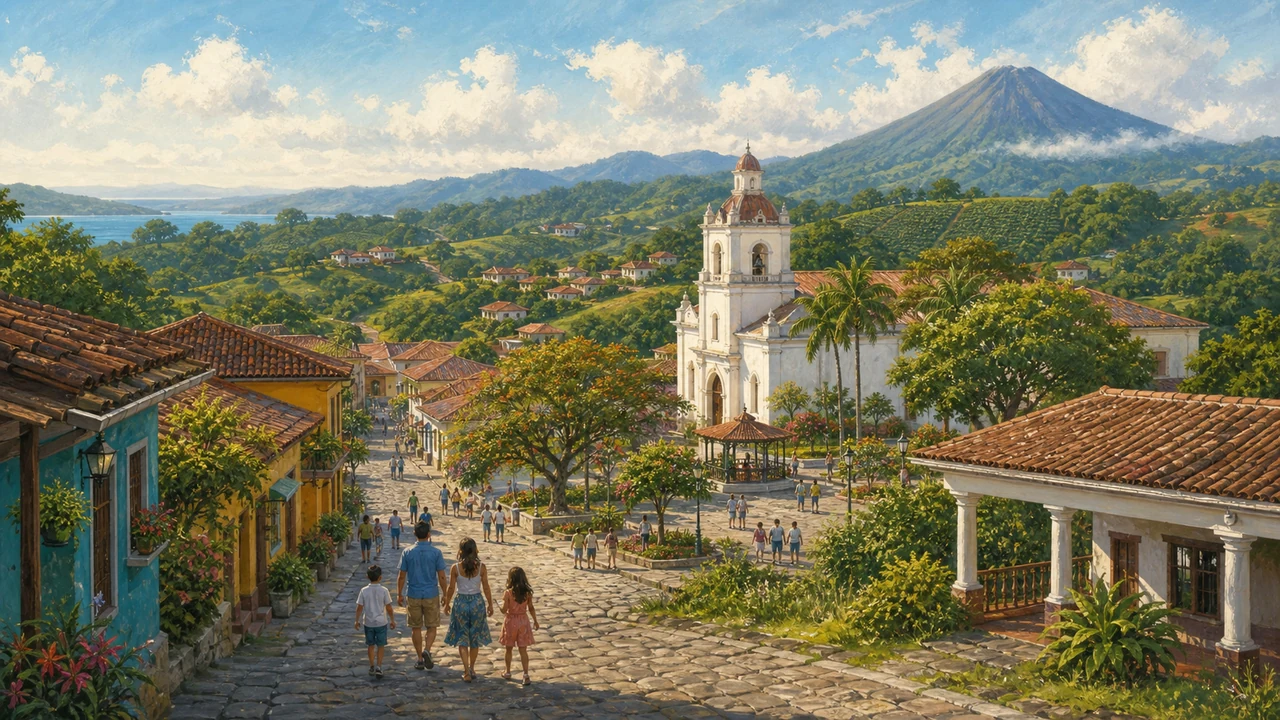 The 1987 Nobel Peace Prize did not emerge from a vacuum. It was the expression of a national philosophy that Costa Rica had been building for generations.
In 1869, Costa Rica established compulsory, state-funded public education — one of the first countries in the Americas to do so. By the late twentieth century, literacy rates had climbed above 95 percent, among the highest in Latin America. Costa Rica’s no-army policy, enacted in 1948, redirected the military budget into schools, hospitals, and social programs. Life expectancy rose steadily; infant mortality fell. The country built a functioning democracy in a region where democracy was often fragile.
Arias understood that his peace plan drew moral authority directly from this tradition. A president from a country with no army and a deep commitment to education carried a different kind of credibility at the negotiating table than leaders backed by military power. The Nobel Peace Prize as expression of Costa Rican democratic values became a recurring theme in the ceremony and in Arias’s own acceptance speech in Oslo.
The Speech in Oslo and Its Legacy
Arias delivered his Nobel lecture in December 1987, calling for the developed world to redirect arms expenditures toward poverty reduction in the developing world. He proposed that nations spending less than two percent of their GDP on their military should receive preferential trade and aid terms — a proposal he would continue to champion for decades.
He used the prize money to establish the Arias Foundation for Peace and Human Progress, based in San José, which works on demilitarization, women’s rights, and ethical governance across Latin America. The foundation remains active today.
Arias returned to the presidency for a second term from 2006 to 2010, during which Costa Rica reestablished diplomatic relations with China and deepened its engagement with global environmental agreements. He has continued to speak and write on arms control, democracy, and sustainable development, cementing his reputation as one of Latin America’s most prominent statesman voices.
What the Prize Means for Visitors
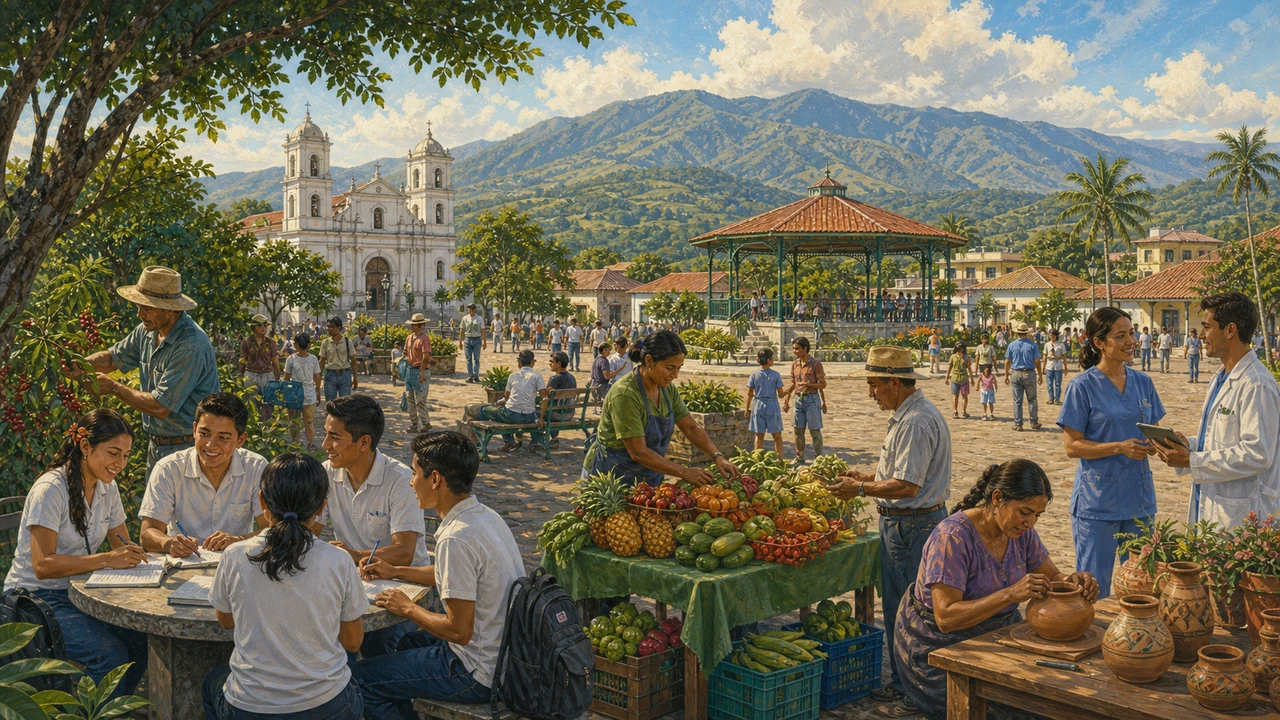 Travelers who come to Costa Rica often sense the national pride attached to the 1987 Nobel Prize before they learn the history behind it. The country’s Pura Vida philosophy and commitment to peaceful coexistence shows up in everyday interactions — the warmth of the Tico welcome, the absence of the military posture that visitors often feel in neighboring countries, the genuine civic investment in parks, schools, and public spaces.
The Museo Nacional de Costa Rica in San José — housed in the historic Bellavista Fortress, the former military barracks that were symbolically handed to the people in 1948 — offers rich context on this history. Exhibits trace the country’s political evolution, the abolition of the armed forces, and the democratic tradition that produced a Nobel laureate.
For those interested in the broader story, the about Costa Rica section covers the country’s identity in depth. The national symbols pages explain the flag, coat of arms, and motto that encode these values visually. And for practical planning, the Costa Rica travel tips guide is an essential read before arrival.
Costa Rica’s story — a country that chose books over bullets, diplomacy over armaments, and eventually produced a Nobel Peace Prize — is one of the most compelling in the Americas. It is part of what makes visiting this small nation feel, for many travelers, like encountering something genuinely different in the world.
Frequently asked questions
Why did Óscar Arias win the Nobel Peace Prize?
Óscar Arias Sánchez won the 1987 Nobel Peace Prize for drafting and championing the Esquipulas II Accord, a regional peace plan that persuaded five Central American governments to negotiate ceasefires, hold free elections, and pursue national reconciliation — effectively ending the armed conflicts that had plagued the region through the 1980s.
What is the Esquipulas II Accord?
Signed on August 7, 1987 in Esquipulas, Guatemala, the Esquipulas II Accord was a peace framework initiated by Costa Rican President Óscar Arias and signed by the leaders of Costa Rica, Guatemala, El Salvador, Honduras, and Nicaragua. It established timetables for ceasefires, amnesty, and democratic reforms across the region.
Has Costa Rica won any other Nobel Prizes?
The 1987 Nobel Peace Prize remains Costa Rica's only Nobel Prize. Óscar Arias served a second presidential term from 2006 to 2010 and has remained an active voice for disarmament and sustainable development worldwide.
How does the Nobel Peace Prize reflect Costa Rica's values?
Costa Rica abolished its military in 1948, making it one of the few countries in the world with no standing army. The Arias peace initiative was a direct expression of that pacifist tradition — using diplomacy rather than force to resolve regional conflict.
Can visitors learn about Costa Rica's peace legacy while traveling there?
Yes. The Museo Nacional in San José houses exhibits on Costa Rica's democratic history, including the 1948 abolition of the military. The National Theater and other cultural institutions in the capital also reflect the civic pride that runs through Costa Rican society.