Costa Rican National Identity: Pura Vida & Democracy
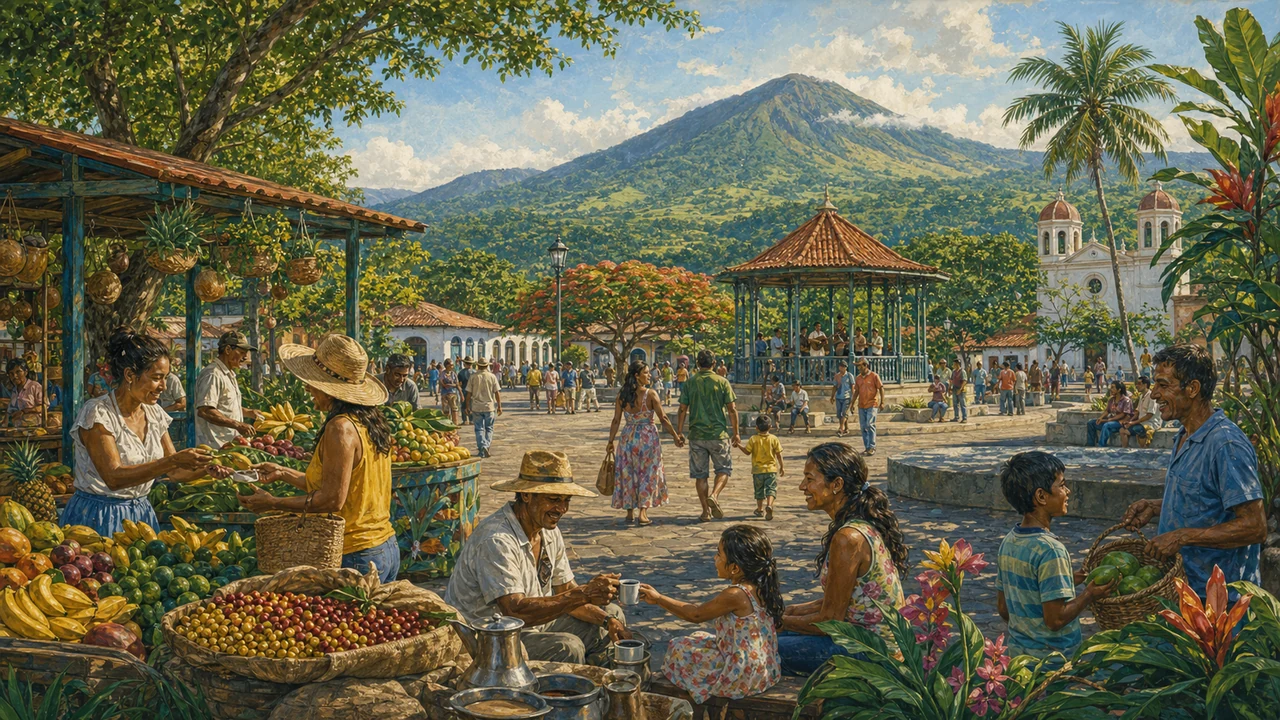 Costa Rica is defined by a national character as warm and unhurried as its tropical climate — a place where the phrase pura vida is not a marketing slogan but an honest expression of how people move through their days. The country stands apart in Central America for its peaceful democracy, its deliberate investment in people over military power, and its fierce sense of environmental stewardship. Understanding Costa Rican national identity means understanding a culture that genuinely believes the good life is already available to those willing to embrace it.
Pura Vida: A Philosophy, Not Just a Phrase
Pura vida — literally “pure life” — is woven into every layer of Costa Rican communication. Locals use it as a greeting, a farewell, a synonym for “thank you,” and a shorthand for “everything is fine.” Ask a Tico how he is doing and you will often hear pura vida in return. It is simultaneously an attitude and a social contract.
Behind the phrase lies a genuine outlook: a preference for savoring the present over worrying about the future, for community over competition, and for good humor over complaint. This doesn’t mean passivity — Costa Ricans work hard, argue politics, and care deeply about their country. But when a problem arises, the cultural instinct is to shrug, find the positive angle, and move on. Visitors consistently remark that this energy is contagious.
The pura vida way of life in Costa Rica shows up in small daily rituals: the unhurried conversation at a soda (local diner), the neighbor who stops to help a stranger with directions, the warmth that surfaces even in brief encounters. It is one of the most compelling reasons travelers leave the country wanting to return.
A Nation Without an Army
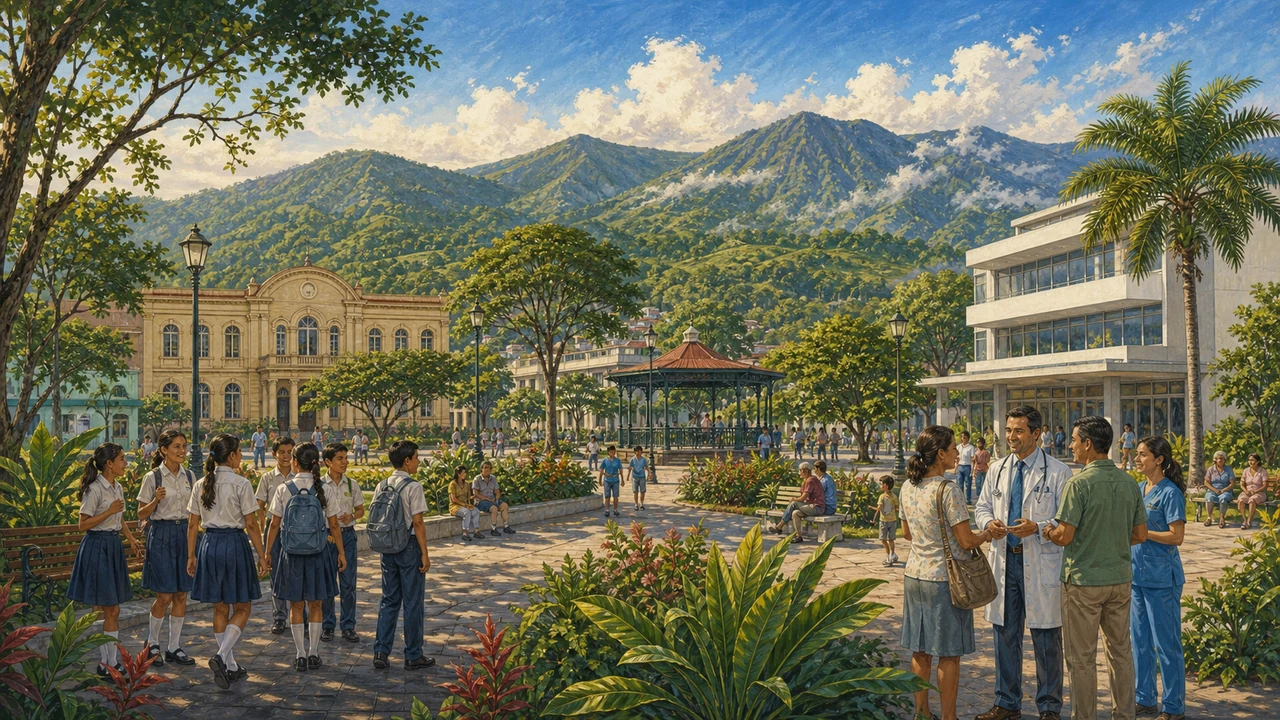 Perhaps no fact about Costa Rica surprises visitors more than this: the country abolished its military in 1948 and has not maintained a standing army since. The decision — made after a brief civil war by President José Figueres Ferrer — was codified in the constitution that same year. Military spending was redirected toward education, healthcare, and public infrastructure.
The result has been transformative. Costa Rica has one of the highest literacy rates in Latin America, a universal public healthcare system, and a stable democracy that has transferred power peacefully through elections for decades. It is widely regarded as the oldest continuous democracy in the region. The Nobel Peace Prize was awarded to then-President Óscar Arias in 1987 — not to any individual general or military commander, but to a leader who helped broker peace across war-torn Central America. Read more about that award on the Nobel Peace Prize page.
Costa Rica’s peaceful democracy and demilitarization is not merely a policy footnote. It is the bedrock of national identity. Ask Costa Ricans what they are most proud of, and the absence of an army ranks alongside pura vida, biodiversity, and coffee every time.
The Tico Character: Warm, Conflict-Averse, and Gregarious
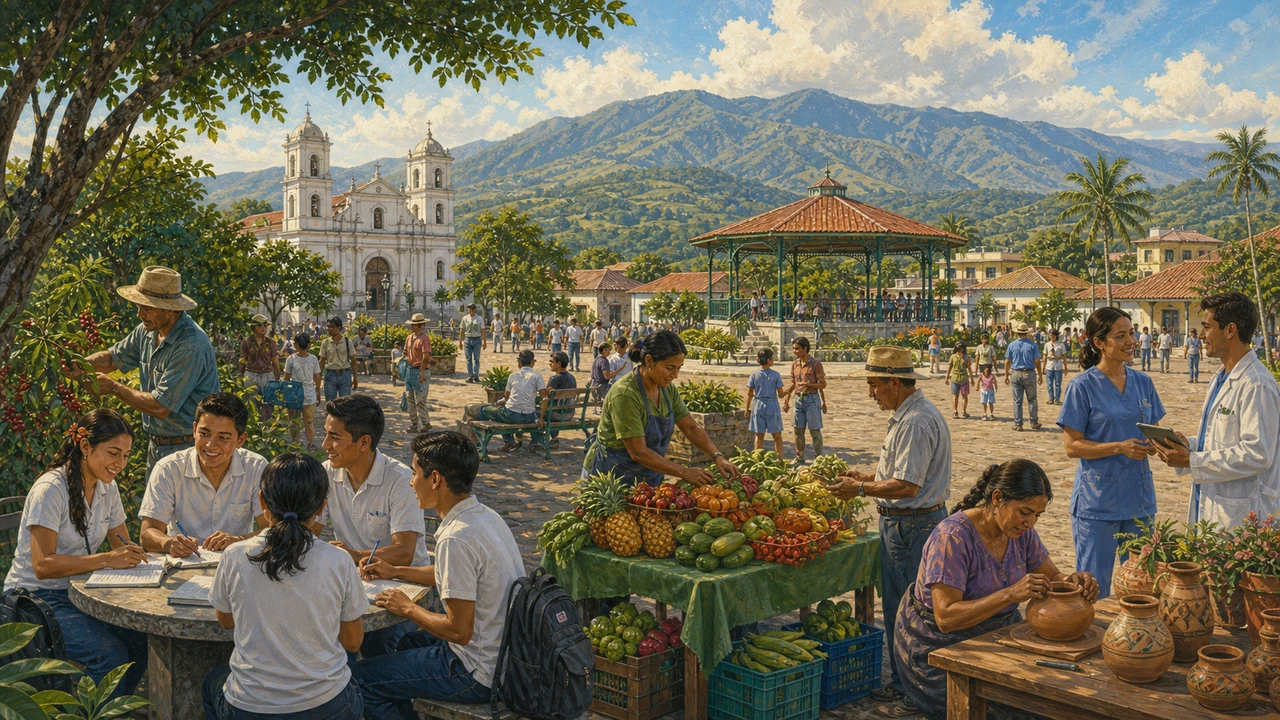 “Tico” is the affectionate demonym Costa Ricans use for themselves — derived from the local habit of using the diminutive suffix -tico in speech. The Tico character is well documented by visitors and social scientists alike: hospitable, educated, quick with a handshake and a smile, and genuinely proud of their country.
Central to this character is the concept of quedar bien — a deep social preference for keeping things harmonious and avoiding direct confrontation. In practice this means disagreements are often softened, bad news is delivered gently, and public arguments are rare. For visitors this can feel refreshing; in a business context it sometimes requires reading between the lines. The conflict-averse Tico social style is not dishonesty — it is a cultural form of respect.
Costa Ricans are also highly gregarious. Family ties run deep, and social life revolves around extended family gatherings, neighborhood events, and the rhythms of community. The casado at the local soda, the Sunday football match, the Holy Week procession — these are shared rituals that anchor social life across the country.
Ticos are a varied people. Though many families trace roots to Spanish colonizers, the population also reflects European, African, Asian, and indigenous heritage. In the lowlands you’ll encounter more mestizo communities; along the Caribbean coast the culture and cuisine carry strong Afro-Caribbean roots; and in the Talamanca highlands, indigenous communities maintain distinct languages and traditions. Explore more about this diversity in the Costa Rica population and ethnicities and indigenous cultures sections.
Feeling Different in Central America
Costa Rica occupies a paradoxical position in its region. Geographically it sits between Nicaragua and Panama, part of the Central American isthmus. Culturally it often feels like a different world.
The differences are structural as well as perceived. Decades of investment in public education produced a literate, politically engaged citizenry. The absence of military rule during periods when neighbors suffered coups and civil wars allowed democratic institutions to deepen. A large and stable middle class developed — unusual in a region often defined by stark economic inequality. The result is a country where most residents have real access to education, healthcare, and a degree of economic opportunity.
Costa Rica’s sense of exceptionalism in Central America is sometimes gentle, sometimes emphatic. Ticos are not immune to national pride that shades into self-congratulation. But the underlying facts support the feeling: by most human development metrics, Costa Rica consistently leads the region and competes with much wealthier nations worldwide.
This is part of why visitors choose Costa Rica — not only for its natural spectacles but for the ease of travel in a country with functioning institutions, a welcoming culture, and roads that (mostly) go where the map says they do.
Environmental Pride as National Identity
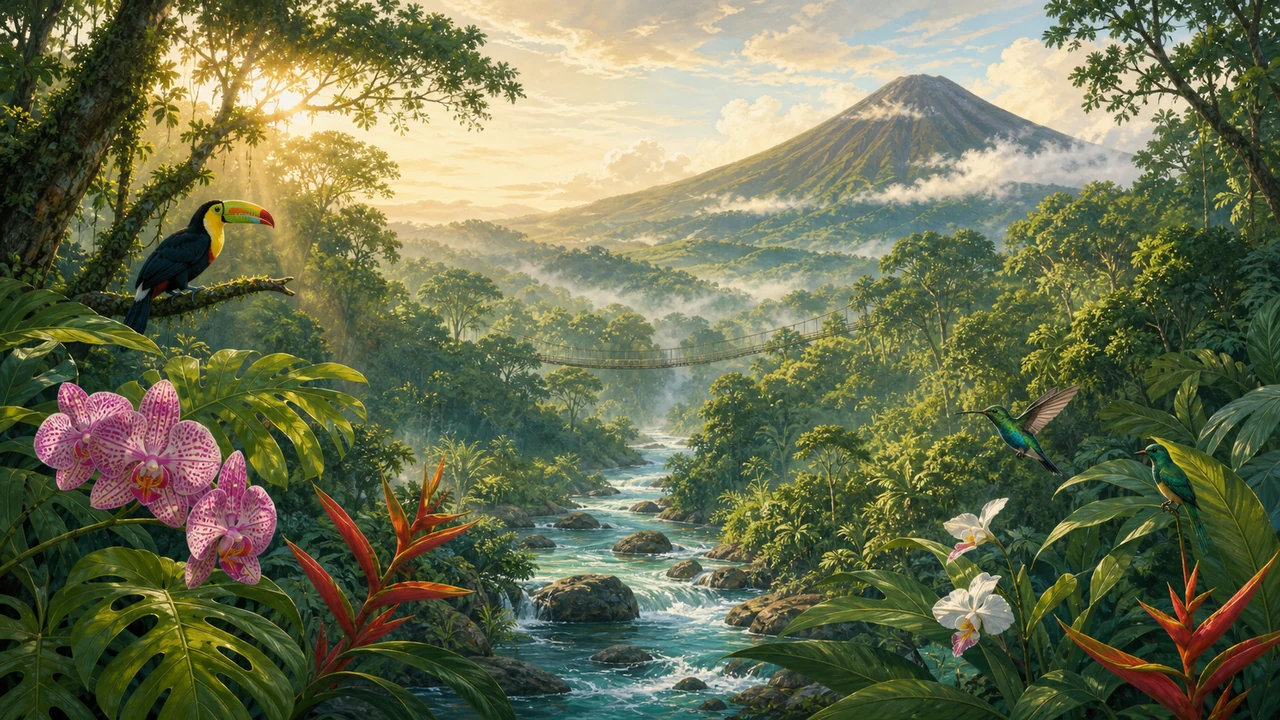 Costa Ricans did not simply stumble into world-class conservation — they chose it, repeatedly, through policy and practice. More than 25% of the country’s territory is formally protected as national parks, reserves, and wildlife refuges. The country is home to roughly 5% of global biodiversity despite covering less than 0.03% of the Earth’s surface.
This environmental identity is inseparable from the national self-image. To be Costa Rican is, in some important sense, to be the steward of a biological treasure. School curricula include environmental education. Ecotourism is not just an industry — it is a value system that shapes how communities develop, where roads are built, and which development projects are approved or rejected.
Costa Rica’s global leadership in sustainable tourism and conservation has earned international recognition. The country has powered itself largely on renewable energy for extended stretches, reforested millions of acres over recent decades, and created payment-for-ecosystem-services programs that other nations have since replicated. The Nicoya Peninsula — one of only a handful of regions worldwide — is recognized as a Blue Zone, where residents live measurably longer than the global average, a distinction many attribute to lifestyle, diet, and the low-stress pura vida philosophy.
When you visit Costa Rica’s cloud forests, volcanoes, and wildlife corridors, you are not just passing through a beautiful landscape. You are entering a place that the people who live there have actively decided to protect — and that decision is as much a part of Costa Rican identity as the flag or the national anthem.
What This Means for Travelers
Arriving in Costa Rica as a visitor means entering a social contract of sorts. Ticos are genuinely glad you are there, will go out of their way to help you, and will share the pura vida spirit freely. In return, a little warmth goes a long way. A few words of Spanish are always welcomed. Patience at the pace of life — slower and more communal than many visitors expect — is rewarded with experiences that feel more authentic and less transactional.
For practical tips on navigating this warm but sometimes unhurried culture, see the Costa Rica travel tips guide. For a broader look at what makes this country worth the journey, visit why Costa Rica.
- Costa Rica Language
- Costa Rica Population & Ethnicities
- Costa Rica Indigenous Cultures
- Costa Rica Religion
- Costa Rica Education
- Costa Rica Figures & Icons
Frequently asked questions
What does 'pura vida' mean in Costa Rica?
Pura vida literally means 'pure life,' but in practice it functions as a universal expression of positivity — a greeting, a farewell, a way of saying 'great,' 'no problem,' or simply 'life is good.' It captures the Costa Rican outlook of appreciating what you have and not stressing over what you don't.
Why does Costa Rica have no army?
Costa Rica abolished its military in 1948 after a brief civil war. President José Figueres Ferrer signed the abolition into the constitution, redirecting defense spending toward education and healthcare. The move has become a defining point of national pride and a foundation of the country's peaceful identity.
What are Ticos known for?
Ticos — the affectionate term for Costa Ricans — are known for warmth, politeness, and a deep-seated aversion to open conflict. The phrase 'quedar bien' (to keep things harmonious) runs through everyday social interaction. They are also known for high literacy, civic pride, and genuine hospitality toward visitors.
Is Costa Rica different from its Central American neighbors?
Costa Ricans themselves often emphasize how different their country feels from the rest of Central America. The combination of a long democratic tradition, no military, strong public education, a large middle class, and world-class environmental protection creates a national self-image that is genuinely distinct in the region.
How does environmental pride shape Costa Rican identity?
Conservation is woven into how Costa Ricans see themselves. With more than 25% of the country under some form of protection and roughly 5% of global biodiversity within its borders, the natural world is not just a tourism product — it is part of what it means to be Costa Rican.