Education in Costa Rica: Schools, Universities & Literacy
Costa Rica holds the highest literacy rate in Central America — a distinction earned not by accident but through seven decades of deliberate, constitutionally protected investment in public education. When the country abolished its military in 1948, it made an audacious bet: redirect defense spending toward schools, universities, and social programs. That bet has paid off in ways that define modern Tico identity.
The Decision That Changed Everything
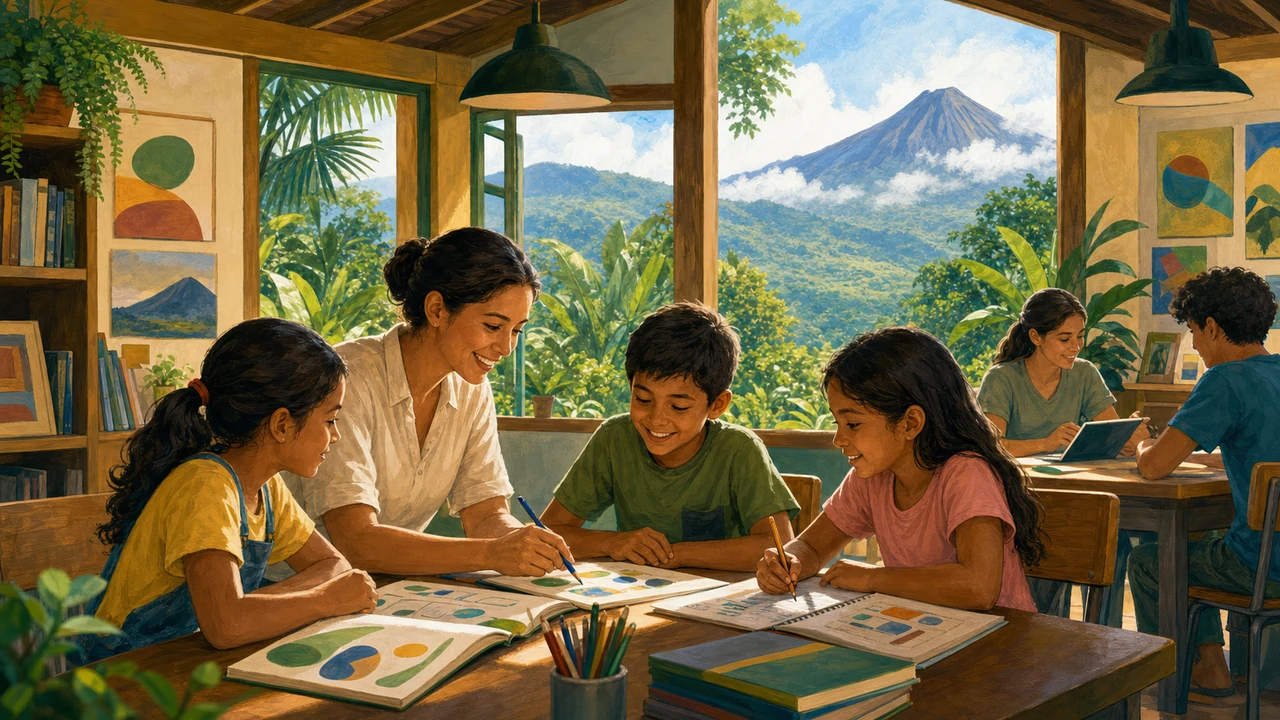 Costa Rica’s educational story is inseparable from its political one. The 1948 constitution not only abolished the army — it enshrined education as a fundamental right and mandated that the state invest a substantial portion of the national budget in schools at every level. Costa Rica’s commitment to public education funding has remained one of the most consistent in Latin America, protecting classrooms from budget cuts even during economic downturns that hollowed out social spending in neighboring countries.
The result is a society where reading, critical thinking, and professional credentialing are broadly valued. Ticos at all income levels speak with pride about teachers and professors; the schoolteacher holds genuine social prestige. This culture of learning is something visitors notice quickly — it shapes conversations, community life, and the country’s stable democratic institutions.
Public Schools: Free, Universal, and Compulsory
Elementary education in Costa Rica is free and compulsory. The government provides uniforms, textbooks, and school meals to students in public schools, reducing barriers that keep children out of classrooms in other parts of the region. Enrollment at the primary level is near universal.
Secondary (high school) education follows the same egalitarian logic. Roughly 70 percent of secondary students attend public colegios; accredited private institutions serve the remaining 30 percent. The national curriculum is standardized, with students in public and private schools sitting the same university entrance exams.
San José and the surrounding Central Valley are home to the largest concentration of schools — public and private — as well as the country’s most competitive academic institutions. But rural areas are served by regional schools and, increasingly, distance-learning platforms that bring university-level coursework to students who live hours from a campus.
Universities: A System Built Over Generations
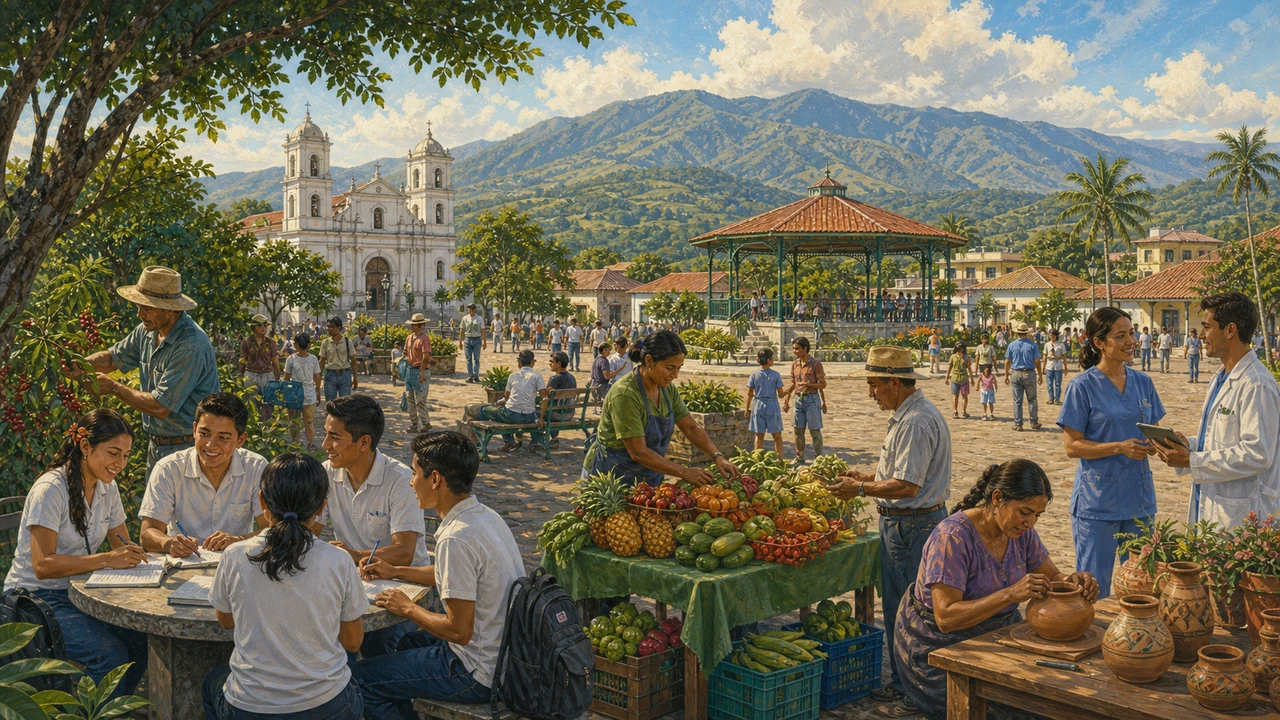 The University of Costa Rica (UCR), founded in 1940, is the flagship of the public university system and one of the most respected research universities in Central America. Its main campus in San Pedro, San José, is a hub of academic life, political debate, and cultural production — student theater groups, scientific research centers, and nationally recognized journalism programs all share space there.
By the 1970s, the government had established several additional public universities:
- Universidad Nacional (UNA) — based in Heredia, with strong programs in education, environmental science, and humanities.
- Instituto Tecnológico de Costa Rica (TEC) — the national technical and engineering university, based in Cartago.
- Universidad Estatal a Distancia (UNED) — a correspondence and distance-learning institution that has served working adults and rural students for decades.
Private universities began appearing in 1977 and now number in the dozens. They range from small professional institutes to large campuses with international partnerships. Together, the public and private sectors give Costa Rica a higher education system that is unusually accessible by regional standards, with tuition at public universities subsidized for Costa Rican nationals.
Spanish Language Schools for Visitors
 For international visitors, one of the most meaningful ways to engage with Costa Rican culture is through its thriving network of Spanish language schools. Learning Spanish in Costa Rica has become a draw in its own right — the country’s neutral, clearly articulated accent is considered easier for beginners to follow than many other regional dialects, and teachers here are accustomed to working with students at every proficiency level.
Schools are concentrated in San José but also operate in popular destinations like Alajuela, Heredia, and smaller beach and mountain towns. Programs typically include:
- Immersion homestays with local families, which accelerate conversational learning outside the classroom.
- Group classes for travelers passing through for a week or two.
- Intensive semester programs, some accredited through North American or European universities.
- Volunteer-combined programs that pair language learning with community service or conservation work.
The combination of a safe environment, high English-proficiency among locals (who can bridge gaps), and a welcoming culture makes Spanish immersion programs in Costa Rica particularly rewarding for adult learners.
Education and the Visitor Experience
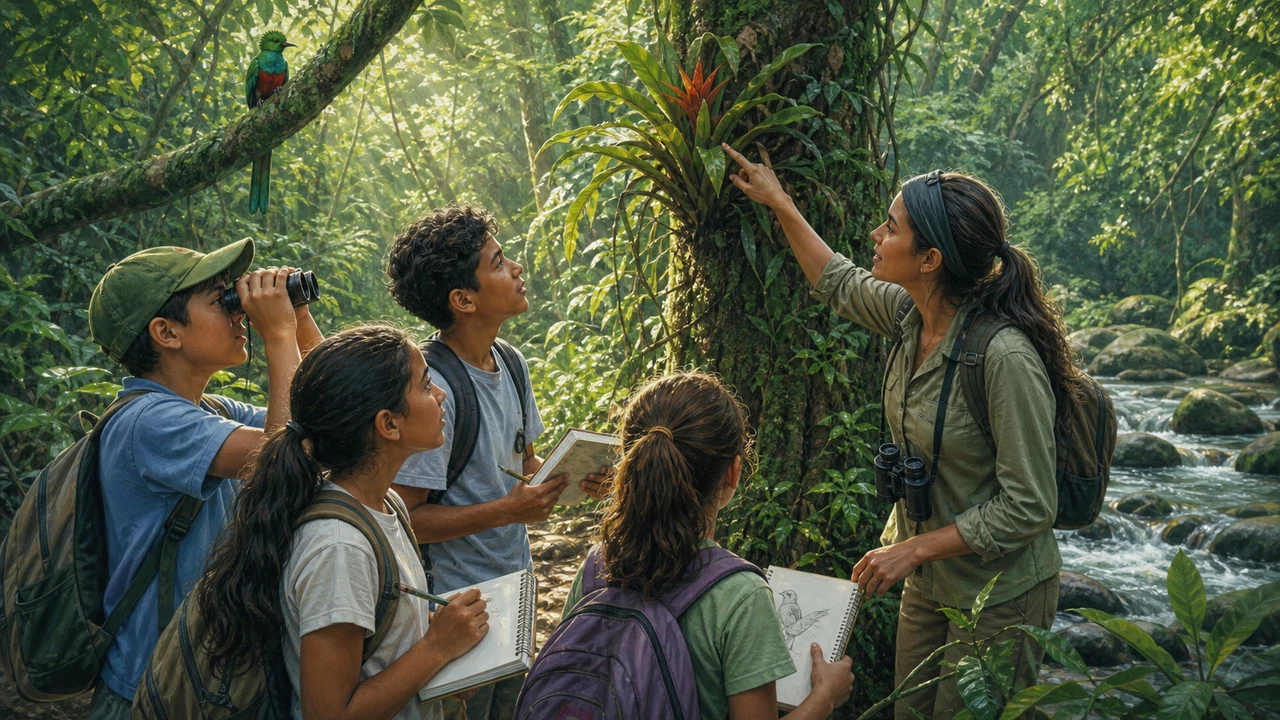
Costa Rica’s educated population quietly shapes the entire tourism experience. Guides in national parks, naturalist educators at private reserves, and hospitality professionals at eco-lodges often hold university degrees — in biology, environmental science, tourism management, or related fields. Naturalist guides at Costa Rica’s national parks are required to be certified, and many have advanced training in ecology or conservation.
This means conversations with guides tend to be substantive. Ask your naturalist about the reproductive strategy of an orchid, the territorial behavior of a resplendent quetzal, or the reforestation efforts in a corridor you are hiking through — you are likely to get a real answer from someone who studied it formally.
The country’s ecotourism and nature sector, long considered a model for the world, could not function without the educated workforce that sustains it. Park rangers, field researchers, sustainable-agriculture specialists, and hospitality managers are products of the same public education system that has made Costa Rica distinct among its neighbors.
A Legacy Worth Experiencing
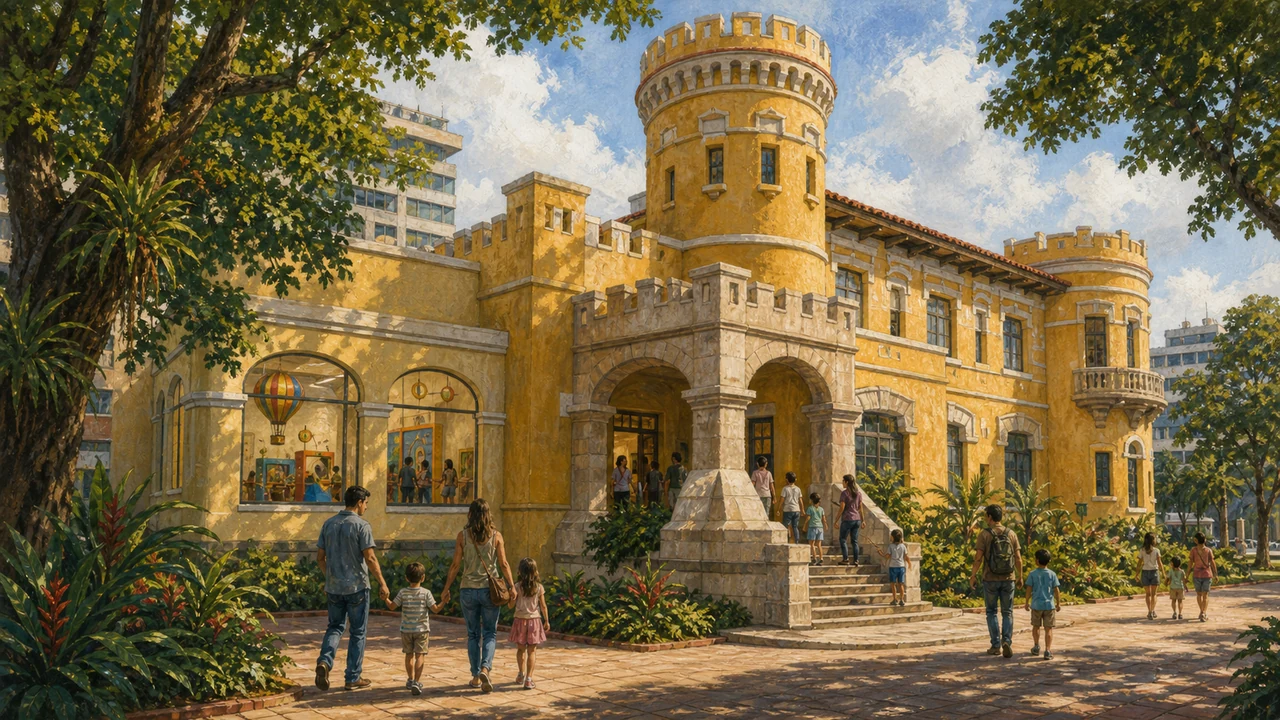 Visitors who spend time in Costa Rica often come away surprised by the depth of civic engagement they encounter — debates about environmental policy, discussions about democratic institutions, enthusiasm for science and literature. Much of that engagement traces directly to Costa Rica’s long tradition of universal public education.
For travelers curious about the country’s social fabric, the people and society pillar of Costa Rican identity is as rewarding to explore as its national parks or beaches. A country that abolished its army to fund schools, and has never looked back, has a story worth understanding. Read more about why Costa Rica consistently ranks among the happiest and most stable nations in the Americas — its classrooms are a significant part of the answer.
Frequently asked questions
What is the literacy rate in Costa Rica?
Costa Rica consistently posts the highest literacy rate in Central America, rivaling rates in many industrialized nations. Decades of prioritizing public education funding have produced a highly educated workforce and an informed citizenry.
Why does Costa Rica invest so much in education?
When Costa Rica abolished its military in 1948, the funds previously spent on armed forces were redirected to schools and social programs. Education has since been constitutionally protected and receives a significant share of the national budget.
Are there Spanish language schools for tourists in Costa Rica?
Yes. Costa Rica is one of Latin America's most popular destinations for learning Spanish. Schools are concentrated in San José and popular tourist towns, offering everything from week-long immersion programs to semester-length university partnerships.
What are the main public universities in Costa Rica?
The University of Costa Rica (UCR), founded in 1940, is the largest and most prestigious public university. Others include the National University (UNA), the Costa Rica Institute of Technology (TEC), and the distance-learning university UNED — all publicly funded and tuition-subsidized.
Is elementary school free in Costa Rica?
Yes. Elementary education is free and compulsory. Secondary education is predominantly public as well, with accredited private institutions serving roughly 30% of students. Higher education is available through both public universities and a growing number of private institutions.