Costa Rica Population & Ethnic Groups | Who Lives Here
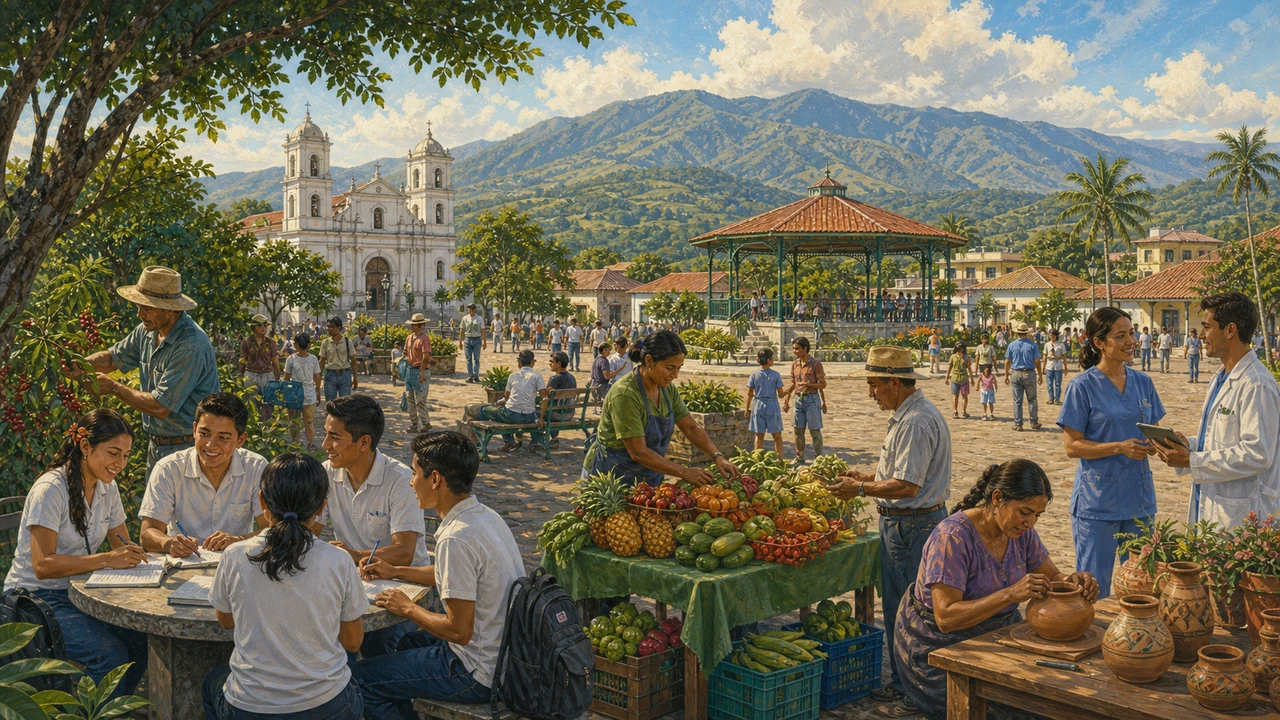
Costa Rica is home to a richly layered population whose ethnic diversity reflects centuries of Indigenous heritage, Spanish colonization, African migration, and waves of immigration from across the globe. Far from a monolithic culture, the country’s roughly five million residents span mestizo and European-descended majorities, a vibrant Afro-Caribbean minority along the Caribbean coast, eight recognized Indigenous peoples in their ancestral territories, a historic Chinese community, and a growing number of immigrants from across Latin America.
Understanding who makes up Costa Rica’s population goes well beyond statistics — it is the foundation for understanding the country’s food, music, art, language, and values that make Costa Rica people and society so compelling to visitors.
The Mestizo and European-Descended Majority
The Central Valley and the urban centers of San José, Heredia, Cartago, and Alajuela are where the country’s largest demographic group concentrates. Costa Ricans of mestizo heritage — blending Indigenous and Spanish ancestry — and those of predominantly Spanish European descent together account for the vast majority of the national population.
This Central Valley core shaped the national identity that Ticos are known for: a strong emphasis on education, civic participation, and what locals call pura vida — a philosophy of measured optimism and appreciation for daily life. Costa Rica abolished its army in 1948 and has maintained one of Latin America’s most stable democracies, characteristics that reflect the values of this majority culture.
In Guanacaste province to the northwest, the ethnic picture shifts slightly. The descendants of Chorotega Indians, Bantu Africans brought during the colonial era, and Spanish settlers created a distinct regional identity that still shows in Guanacaste’s folklore, music, cattle-ranching culture, and traditional dances — celebrated as part of the national cultural patrimony.
The Afro-Caribbean Community of Limón
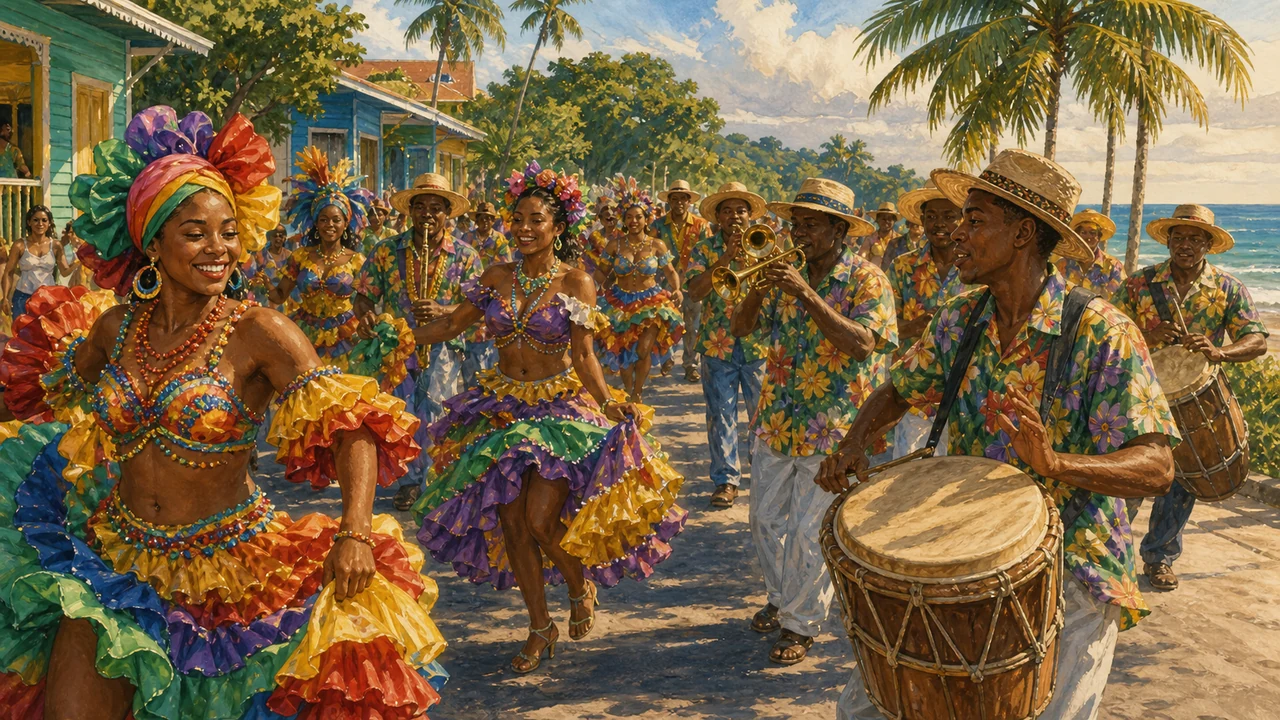
One of the most culturally distinct communities in Costa Rica lives along the Caribbean coast in the province of Limón. The Afro-Caribbean population of Costa Rica’s Atlantic coast traces its origins primarily to Jamaican workers recruited in the late 19th century to build the Atlantic Railway connecting San José to the port of Puerto Limón, and later to harvest bananas on the United Fruit Company’s vast plantations.
These workers — and the community that grew from them — developed a culture distinct from the Spanish-speaking interior. Many still speak Limonese Creole, an English-based Creole language with Jamaican roots, alongside Spanish. Their cuisine is a cornerstone of Costa Rican gastronomy: rice and beans cooked in coconut milk, breadfruit, callaloo, ackee, and spiced seafood dishes that draw food travelers from across the country.
The Afro-Caribbean community of Limón is also celebrated for its musical traditions — reggae, calypso, and soca — and for the city of Puerto Limón’s famous October Carnival, one of the largest street festivals in Central America. For travelers interested in rural tourism in the Caribbean coast, Limón province offers an experience unlike anything found on the Pacific side.
Indigenous Peoples of Costa Rica
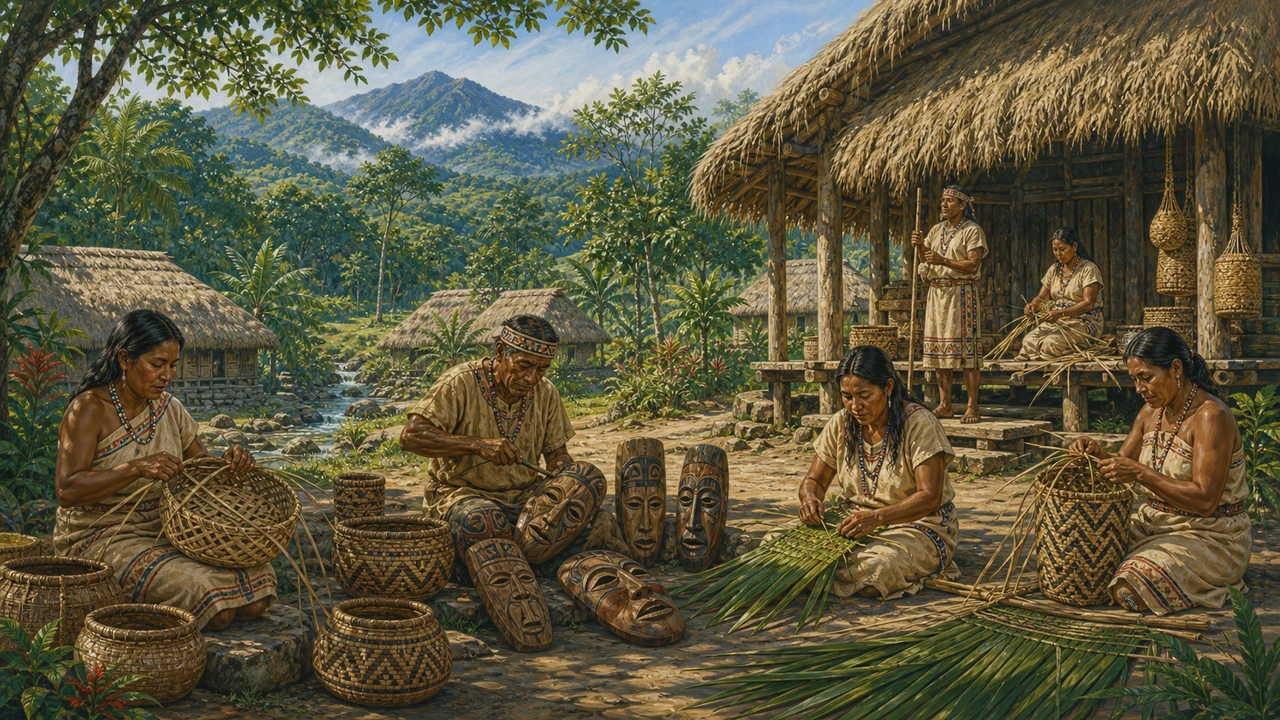
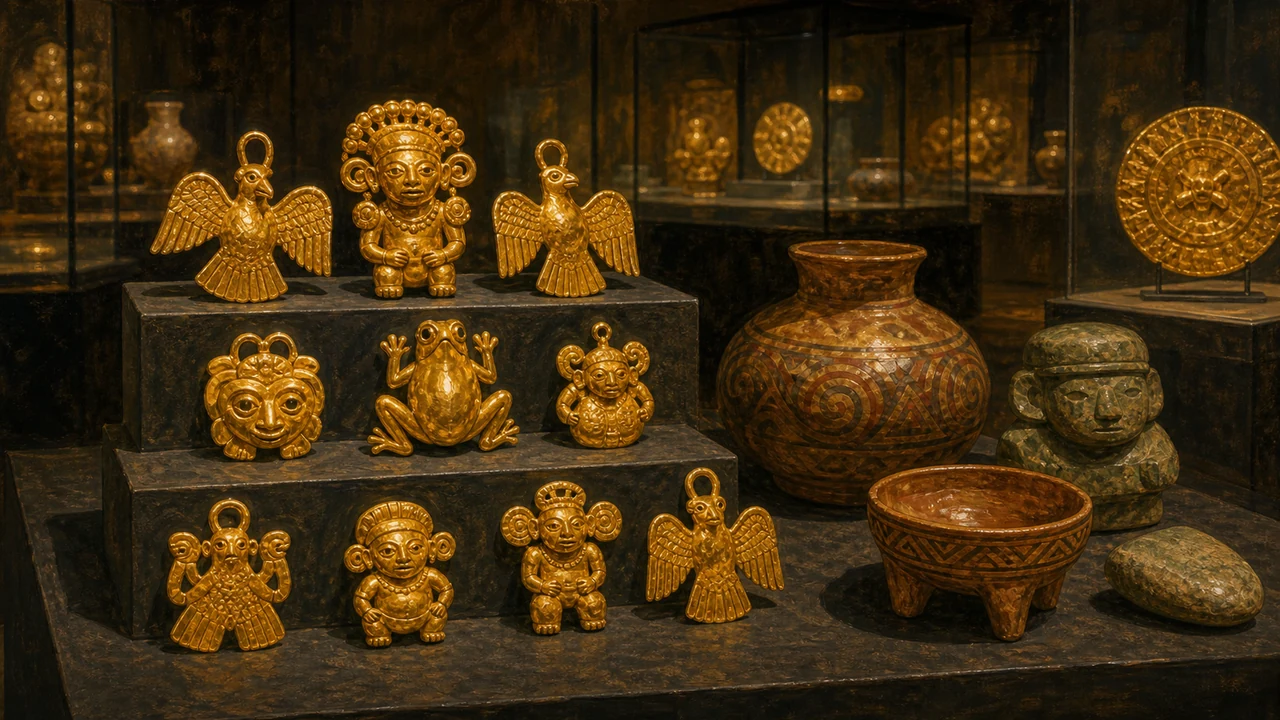
Costa Rica legally recognizes eight distinct Indigenous peoples, each with their own language, territory, and cultural traditions. While they represent a small fraction of the national population today, their heritage pervades the country — from place names to pre-Columbian gold figurines in the national museum to the crafts sold in artisan markets across the country.
The Bribri and Cabécar are the two largest groups and live primarily in the Talamanca mountain range in the south, near the border with Panama. Their territories overlap with La Amistad International Park, a UNESCO World Heritage site shared with Panama. Both groups maintain matrilineal clan systems and rich oral traditions, and both have been active in eco-cultural tourism, welcoming visitors who want to learn about traditional cacao cultivation, medicinal plants, and rainforest stewardship.
The Boruca (Brunca) people of the southern Pacific highlands are renowned for their carved balsa-wood masks depicting the annual Juego de los Diablitos, a ritual drama re-enacting resistance against Spanish colonization. Boruca masks have become iconic pieces of Costa Rican folk art recognized internationally.
Other recognized peoples include the Maleku of the northern lowlands near La Fortuna, the Chorotega of Guanacaste (whose pottery tradition survives in the village of Guaitil), the Ngäbe (Guaymí) who migrate seasonally from Panama for coffee and pineapple harvests, the Térraba (Teribe), and the Huetar of the Central Valley.
Indigenous territories today face ongoing pressures from land encroachment, migration, and economic marginalization, but community organizations and Costa Rican law work to protect territorial rights and preserve cultural heritage.
The Chinese-Costa Rican Community
Costa Rica’s Chinese immigrant community and its descendants have been part of the national fabric since the 1870s, when Chinese laborers — primarily from Guangdong province — were brought to work alongside Jamaicans on the Atlantic Railway. After the railway was completed, many settled permanently, opening small businesses and establishing families.
Their descendants — now fully integrated Costa Rican citizens — have shaped commerce and cuisine in profound ways. San José’s Barrio Chino, while modest compared to Chinatowns in larger cities, serves as a cultural anchor for the community. Chinese-Costa Rican restaurants brought ingredients and techniques that have been absorbed into mainstream Tico cooking.
A later wave of Chinese immigration arrived in the mid-20th century, and today the ethnic Chinese population is estimated at roughly 1% of the national total. The community is concentrated primarily in San José and the Central Valley.
Nicaraguans and Other Immigrant Communities
The Nicaraguan immigrant population in Costa Rica is the country’s largest foreign-born group and a defining feature of contemporary demographics. Many arrived as refugees during Nicaragua’s civil conflict in the 1980s; subsequent waves came for economic opportunity, drawn by Costa Rica’s relative prosperity, political stability, and labor demand in agriculture, construction, and domestic services.
Nicaraguans have integrated significantly into Costa Rican society over multiple generations while maintaining their own cultural identity, cuisine (notably vigorón and nacatamales), and community networks. Their contributions to the workforce — particularly in coffee, pineapple, and construction sectors — are fundamental to the economy.
Beyond Nicaragua, Costa Rica attracts Colombians, Panamanians, Peruvians, and increasingly North Americans and Europeans who relocate for lifestyle and Costa Rica real estate opportunities. The country’s stability, healthcare system, and natural environment make it one of Central America’s top destinations for long-term foreign residents.
A Nation Shaped by Diversity
What makes Costa Rica’s demographic story remarkable is not any single group but the way these communities have coexisted, intermarried, influenced each other, and created something distinctly Tico. The country’s indigenous cultures left an indelible mark on language, food, and geography. African heritage transformed the music and cuisine of the Caribbean coast. Spanish colonists built the institutional and religious framework. Chinese and Jamaican workers built the literal infrastructure of the modern economy.
Travelers who go beyond the beaches and national parks to engage with these communities — visiting a Bribri territory, attending Limón’s Carnival, learning to make Boruca masks, or eating in a Limonese soda — leave with a far richer understanding of what Costa Rica truly is. Explore more through the people and society section, and consider reading about Costa Rica’s language and religion for the full cultural picture.
Frequently asked questions
What is the main ethnic group in Costa Rica?
The majority of Costa Ricans are mestizo — people of mixed European and Indigenous ancestry — along with those of primarily European (mainly Spanish) descent. Together these groups account for roughly 83–84% of the population. Costa Rica also has significant Afro-Caribbean, Indigenous, and Chinese communities.
Where do the Afro-Caribbean people of Costa Rica live?
The Afro-Caribbean community is concentrated in the province of Limón on the Caribbean coast. Descendants of Jamaican workers who arrived in the late 19th century to build the railway and work banana plantations, they maintain a distinct culture with roots in Jamaican Creole traditions, English-based Creole language, and Caribbean cuisine.
Which indigenous groups live in Costa Rica?
Costa Rica recognizes eight indigenous peoples: Bribri, Cabécar, Boruca (Brunca), Ngäbe (Guaymí), Maleku, Chorotega, Teribe (Térraba), and Huetar. They live mainly in protected territories in the southern highlands near the Panamanian border, the northern lowlands, and the Nicoya Peninsula. The total indigenous population is a small share of the national total.
How large is the Chinese community in Costa Rica?
Ethnic Chinese Costa Ricans — many descended from 19th-century laborers who came to build the Atlantic railway — make up roughly 1% of the population. San José's Barrio Chino (Chinatown) reflects their long presence, and Chinese-Costa Rican culture has blended into mainstream Tico life through food, commerce, and community organizations.
Are Nicaraguans a significant part of Costa Rica's population?
Yes. Nicaraguan migrants make up the largest immigrant group and a notable share of the national population. Many arrived during Central American conflicts in the 1980s and later waves came for economic opportunities. They work primarily in agriculture, construction, and domestic services, and have become an integral part of Costa Rican society.