Costa Rica's Famous Figures & Cultural Icons
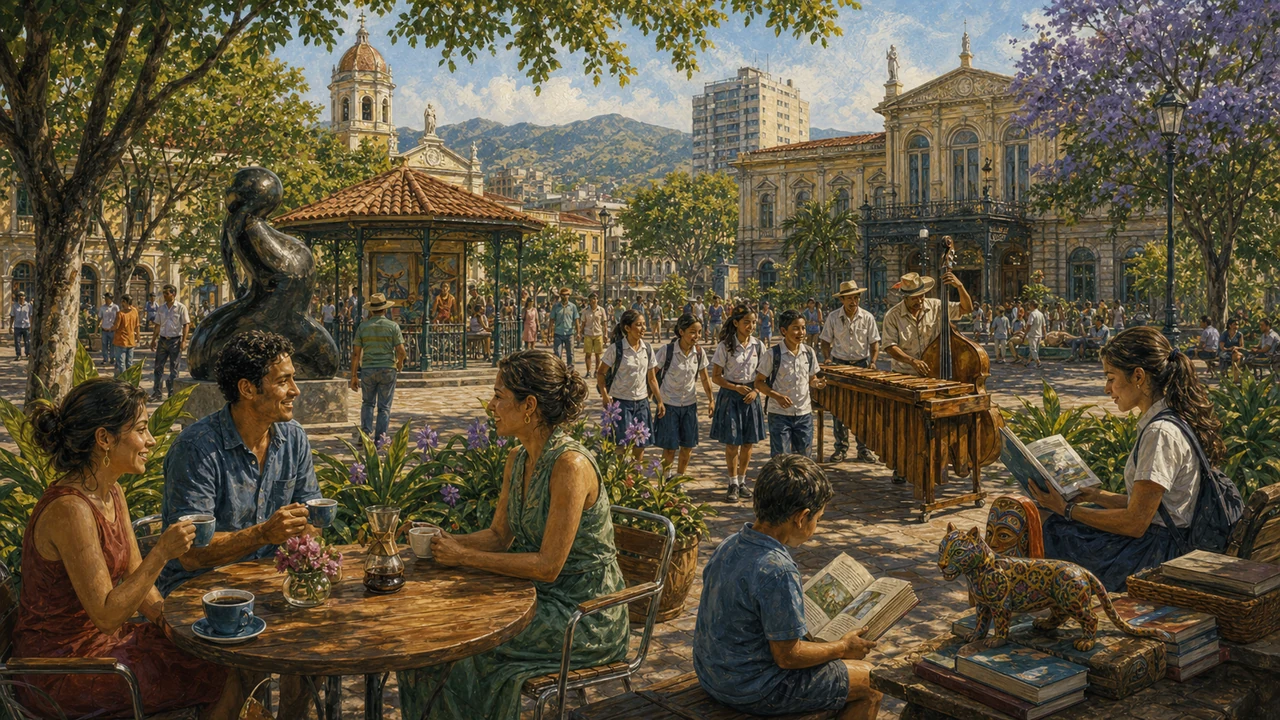 Costa Rica has produced an extraordinary roster of individuals who have left their mark far beyond the country’s borders — a Nobel Peace Prize laureate who reshaped a region, a 19th-century drummer boy elevated to national sainthood, an astronaut who flew to space seven times, and artists whose voices echo through global culture. Understanding these figures deepens any visit to Costa Rica and explains much about the national character: idealistic, scrappy, intellectually curious, and fiercely proud of a country that punches well above its weight.
Juan Santamaría — The Eternal National Hero
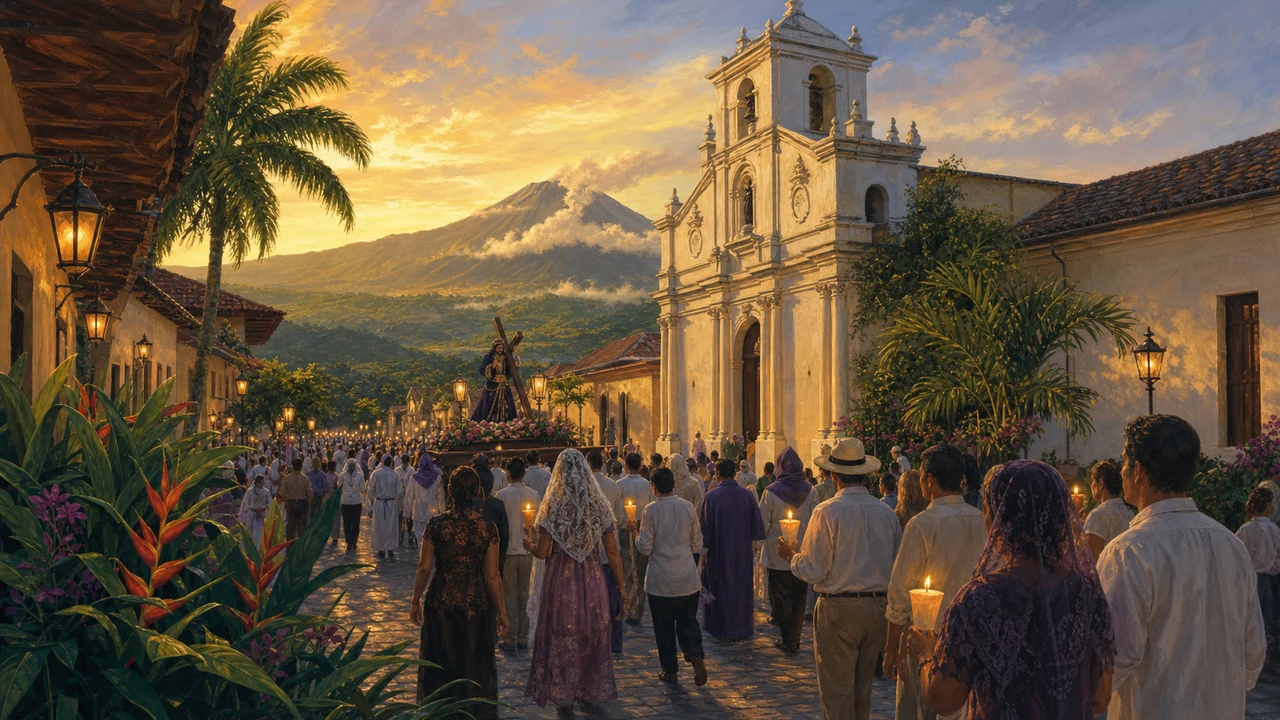 No figure looms larger in the Costa Rican imagination than Juan Santamaría. A young drummer from Alajuela, Santamaría volunteered in the 1856 campaign against William Walker, an American filibuster who had seized Nicaragua and threatened to impose slavery across Central America. At the Battle of Rivas, he ran through enemy fire carrying a torch to burn down the fortified building where Walker’s men were entrenched — and was mortally wounded doing so.
Santamaría was humble, poor, and mestizo, making him an ideal symbol of Costa Rica’s democratic and egalitarian national identity. His sacrifice represents the idea that the country’s defense rests with ordinary citizens, not a professional military elite. April 11 is Juan Santamaría Day, a national holiday observed with parades and school ceremonies. The Juan Santamaría International Airport near San José — the country’s main gateway — bears his name as the most fitting tribute a modern nation can offer.
Óscar Arias Sánchez — Nobel Peace Prize Laureate
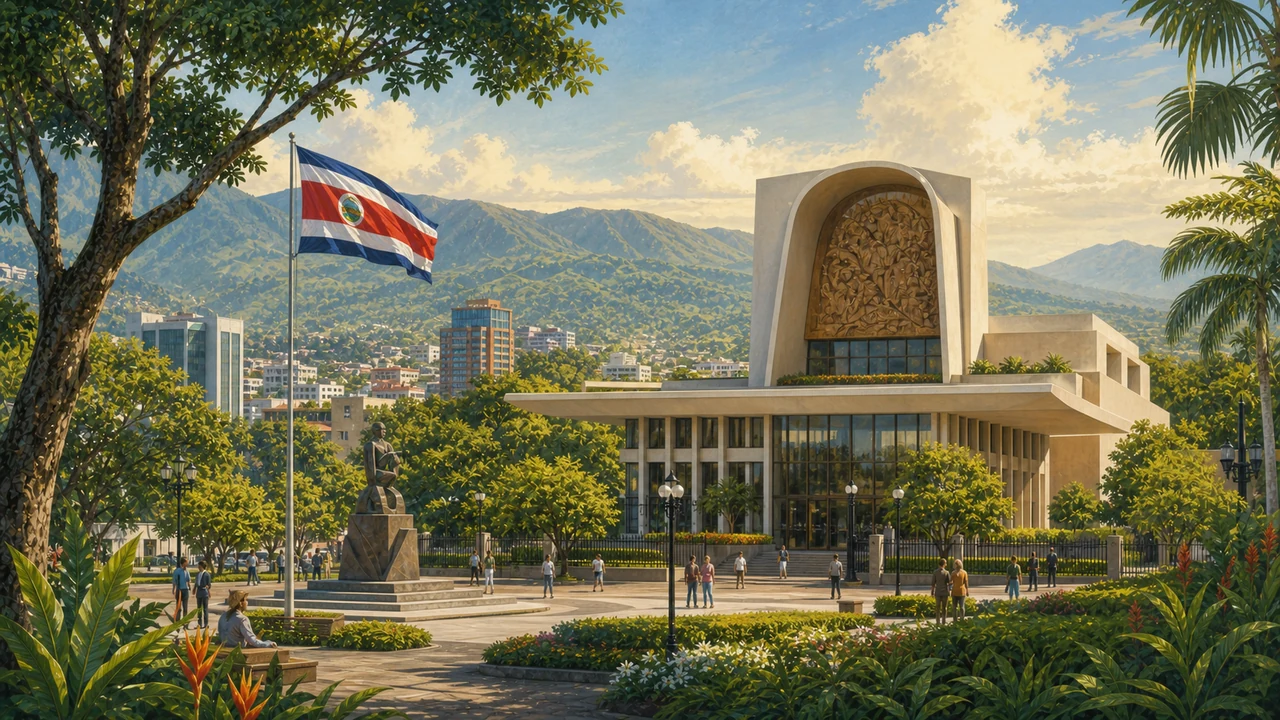 When Óscar Arias was elected president in 1986, Central America was engulfed in civil wars — in Nicaragua, El Salvador, and Guatemala — with the United States and Soviet Union feeding opposing sides. Arias spent his first term drafting what became the Esquipulas II Accords, a Central American peace plan signed by five nations that created frameworks for ceasefires, elections, and the withdrawal of foreign forces.
The Nobel Committee awarded him the Nobel Peace Prize in 1987, calling it one of the most consequential diplomatic achievements of the decade. Arias used the prize money to establish the Arias Foundation for Peace and Human Progress, which promotes demilitarization and democracy across Latin America. He served a second presidential term beginning in 2006, and remains one of the most recognized Costa Ricans internationally.
His success is inseparable from one of Costa Rica’s most distinctive national facts: the country abolished its military in 1948, redirecting that spending toward education and health care. Arias consistently argues that demilitarization is the precondition for sustainable development — a philosophy he has taken to global forums for decades.
Franklin Chang Díaz — Seven Missions to Space
Franklin Chang Díaz grew up in San José dreaming of space at a time when the idea of a Costa Rican astronaut seemed impossible. He earned a scholarship to study in the United States, pursued a doctorate in applied plasma physics at MIT, and was selected by NASA in 1980 — one of the first Hispanic Americans in the astronaut corps.
Between 1986 and 2002, Chang Díaz flew seven Space Shuttle missions, tying the world record for most spaceflights. He logged over 1,600 hours in space and participated in missions that serviced the Hubble Space Telescope and delivered components to the International Space Station. Franklin Chang Díaz as Costa Rica’s pioneering space explorer became a source of immense national pride, with schoolchildren across the country following his missions.
After retiring from NASA, Chang Díaz returned to Costa Rica to lead Ad Astra Rocket Company, a venture developing the VASIMR plasma propulsion engine — potentially transformative technology for deep space travel. He remains an active advocate for science education in Costa Rica and across Latin America.
Keylor Navas — The Goalkeeper Who Conquered Europe
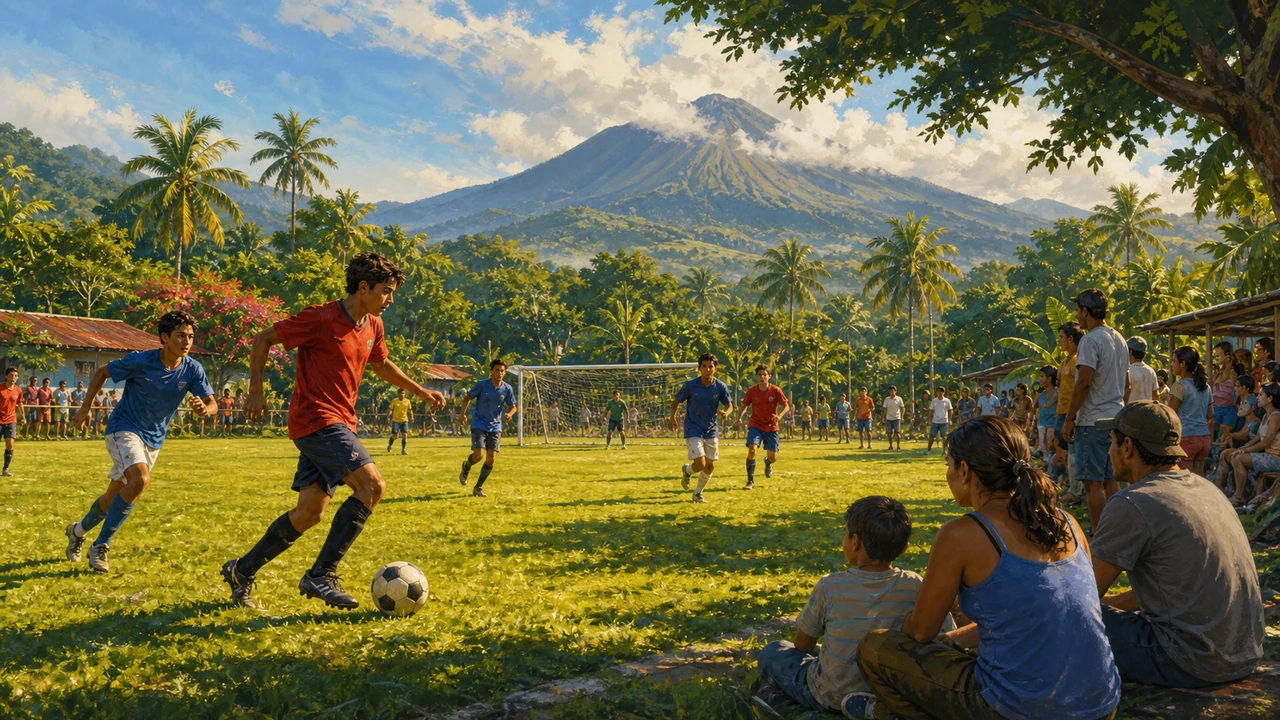 Costa Rica is football-mad, and no player has embodied the country’s footballing ambitions like goalkeeper Keylor Navas. Born in Pérez Zeledón in the southern zone, Navas came from modest circumstances and worked his way through Costa Rican football before earning a move to Spain’s Levante UD and then, in 2014, to Real Madrid.
At Real Madrid, Navas won three consecutive UEFA Champions League titles — an unprecedented feat. His acrobatic saves, calmness under pressure, and decisive performances in finals made him one of the best goalkeepers in the world through the mid-2010s. At the 2014 FIFA World Cup in Brazil, Navas was instrumental as Costa Rica stunned the football world by reaching the quarterfinals, defeating Uruguay, Italy, and England along the way. He was named the tournament’s best goalkeeper.
Keylor Navas as an inspiration for Costa Rican youth athletes cannot be overstated. In a small country with limited resources, his success at the highest level of European club football demonstrated what determination and talent can achieve. He went on to play for Paris Saint-Germain before returning to Costa Rica’s football consciousness as an elder statesman of the sport.
Chavela Vargas — The Voice That Broke Every Rule
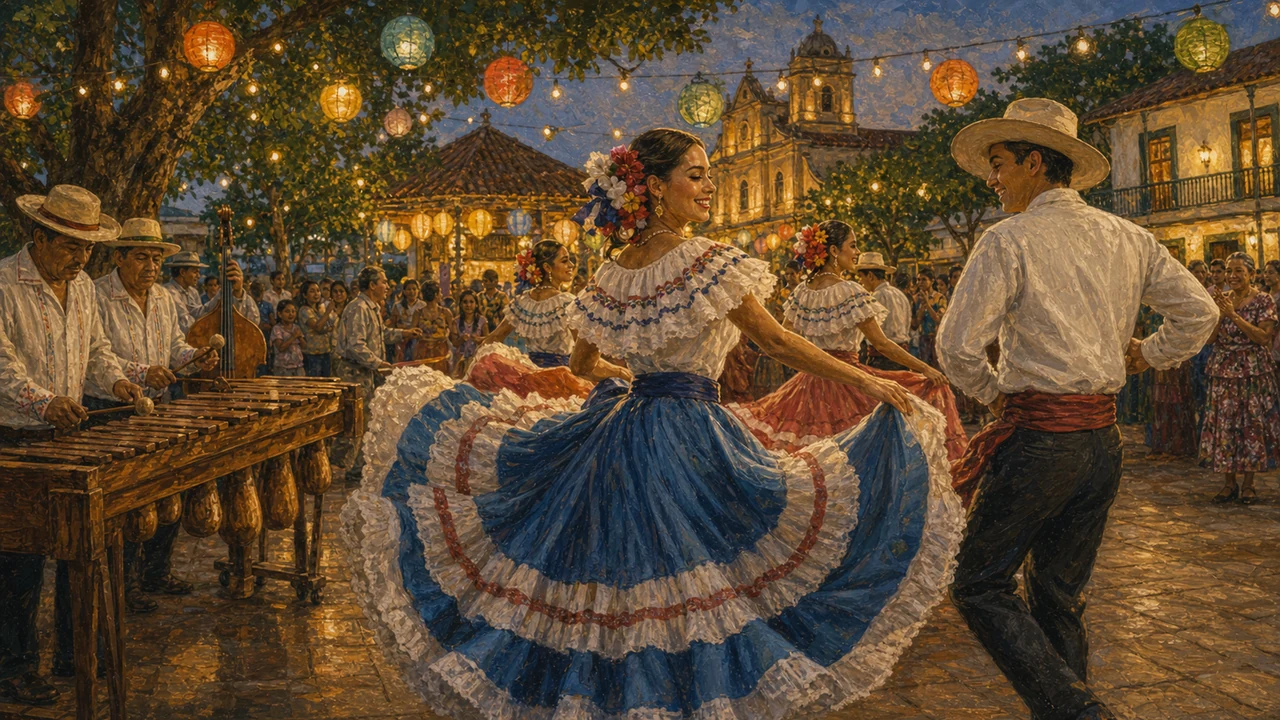 María Isabel Anita Carmen de Jesús Vargas Lizano was born in San Joaquín de Flores, Heredia, in 1919 — and became famous as Chavela Vargas, one of the most singular voices in 20th-century music. She moved to Mexico as a teenager and eventually transformed Mexican ranchera music by stripping it of its theatrical ornamentation and singing it with raw, confessional intensity.
Her voice was deep, unpolished, and devastating. She dressed in men’s clothing, sang standing still rather than performing, and made no apologies for who she was — at a time when that required real courage. Her friendship with painter Frida Kahlo and her collaborations with songwriter José Alfredo Jiménez became the stuff of cultural legend. Director Pedro Almodóvar used her music in several of his films, introducing Chavela to a new generation of international listeners.
She struggled with alcoholism for years, but staged a celebrated comeback in her seventies, performing at iconic venues in Madrid and Mexico City. Chavela Vargas as a symbol of artistic authenticity and resilience resonates deeply in Costa Rica, which has claimed her as one of its own even though she built her career in Mexico. She died in 2012 at 93, a legend on two continents.
Carmen Lyra — Mother of Costa Rican Literature
Carmen Lyra is the pen name of María Isabel Carvajal (1887–1949), Costa Rica’s first major female author and a pioneering social activist. Her 1920 collection Cuentos de mi Tía Panchita (Tales of Aunt Panchita) remains required reading in Costa Rican schools — a masterful blend of pre-Columbian indigenous stories, African folk traditions, and European fairy tales reimagined through a local lens.
Beyond literature, Lyra co-founded the Communist Party of Costa Rica, fought for workers’ rights, and worked to establish kindergartens for working-class children. She believed passionately that Costa Rican children’s literature and public education were tools of social transformation. Forced into exile after the 1948 civil war, she died in Mexico the following year.
Her literary legacy endures in school curricula, in the figure of Tío Conejo (Uncle Rabbit) — a clever trickster character she popularized — and in the broader Costa Rican tradition of valuing education and social equity. She is honored on the 5,000-colón banknote.
Other Figures Worth Knowing
Costa Rica’s cultural constellation includes many other remarkable names:
- Mauro Fernández Acuña — the 19th-century education minister who established free, compulsory, and secular primary education in 1869, laying the foundation for one of Latin America’s most literate societies.
- Brenes Mesén, Roberto — poet and philosopher who helped define Costa Rican literary modernism in the early 20th century.
- Claudia Poll — Olympic gold medalist swimmer who won Costa Rica’s first-ever gold medal at the 1996 Atlanta Olympics in the 200-meter freestyle, a moment of extraordinary national celebration.
- Jorge Debravo — beloved Costa Rican poet from Turrialba, whose plain-spoken, humanist verse gave voice to working people and remains widely read.
- Rómulo Durán Gómez — architect of much of Costa Rica’s 20th-century urban planning in San José.
Together these figures reflect the values Costa Ricans hold most dear: education, peace, courage, creativity, and an outsized ambition that refuses to be constrained by the country’s small size. To learn more about the society that shaped them, explore the people and society pillar or read about why visitors fall in love with Costa Rica.
Frequently asked questions
Who is Costa Rica's most famous national hero?
Juan Santamaría is Costa Rica's most celebrated national hero. In 1856, at the Battle of Rivas, he set fire to an enemy stronghold during the war against William Walker's filibusters, sacrificing his life to defend Central American sovereignty. April 11 is a national holiday in his honor.
Has Costa Rica ever won a Nobel Prize?
Yes. President Óscar Arias Sánchez won the Nobel Peace Prize in 1987 for his role in crafting the Esquipulas II Accords, a regional peace plan that helped end the armed conflicts tearing apart Central America during the 1980s.
Is Franklin Chang Díaz really from Costa Rica?
Yes. Franklin Chang Díaz was born in San José, Costa Rica, and became one of NASA's most experienced astronauts, logging seven Space Shuttle missions. He holds a world-record tie for the most spaceflights by any astronaut and later returned to Costa Rica to develop advanced plasma rocket technology.
What made Chavela Vargas famous?
Chavela Vargas, born in Costa Rica in 1919, became one of the most distinctive voices in Mexican ranchera music. Her raw emotional delivery, masculine stage presence, and deep collaborations with artists like José Alfredo Jiménez and filmmaker Pedro Almodóvar made her an international legend.
Who is Carmen Lyra and why does she matter?
Carmen Lyra (María Isabel Carvajal) was Costa Rica's first major female writer. Her 1920 collection 'Cuentos de mi Tía Panchita' wove pre-Columbian and European folk tales into enduring Costa Rican literature. She was also a pioneering social activist and educator.