Costa Rica Soccer: La Sele, Clubs & Match Guide
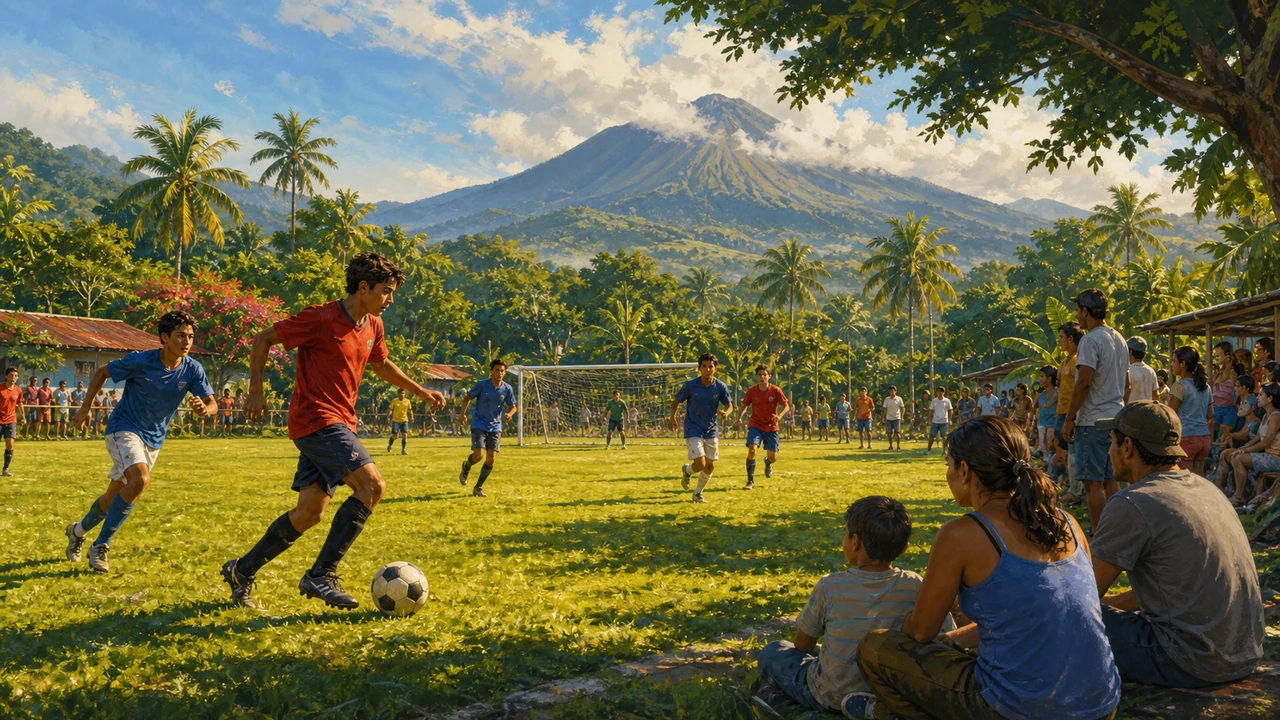
Soccer — fútbol — is the undisputed national passion of Costa Rica, woven into the fabric of everyday life from dirt-lot kickabouts in small towns to sold-out Saturday-night clásicos under stadium floodlights. For visitors, catching a live match is one of the most authentic cultural experiences the country offers, and the Costa Rica activities & sports scene rarely gets more electric than on game day.
The National Team: La Sele
No subject ignites conversation among Costa Ricans more reliably than the Selección Nacional — La Sele. The team has qualified for the FIFA World Cup multiple times and carries enormous national pride on its shoulders every time it takes the field.
Costa Rica’s most celebrated World Cup campaign came in Brazil in 2014, when La Sele stunned the world by topping a group containing Uruguay, Italy, and Greece, then eliminating Greece in the Round of 16 before a heartbreaking penalty shootout exit against the Netherlands in the quarterfinals. The run produced a wave of national euphoria that is still talked about today.
La Sele plays its home internationals primarily at the Estadio Nacional in San José, making those matches special occasions worth planning a trip around if you can time your visit accordingly. The roar of a capacity crowd waving the red, white, and blue — the colors of the Costa Rican national flag — is an experience you won’t soon forget.
The Primera División: Club Football
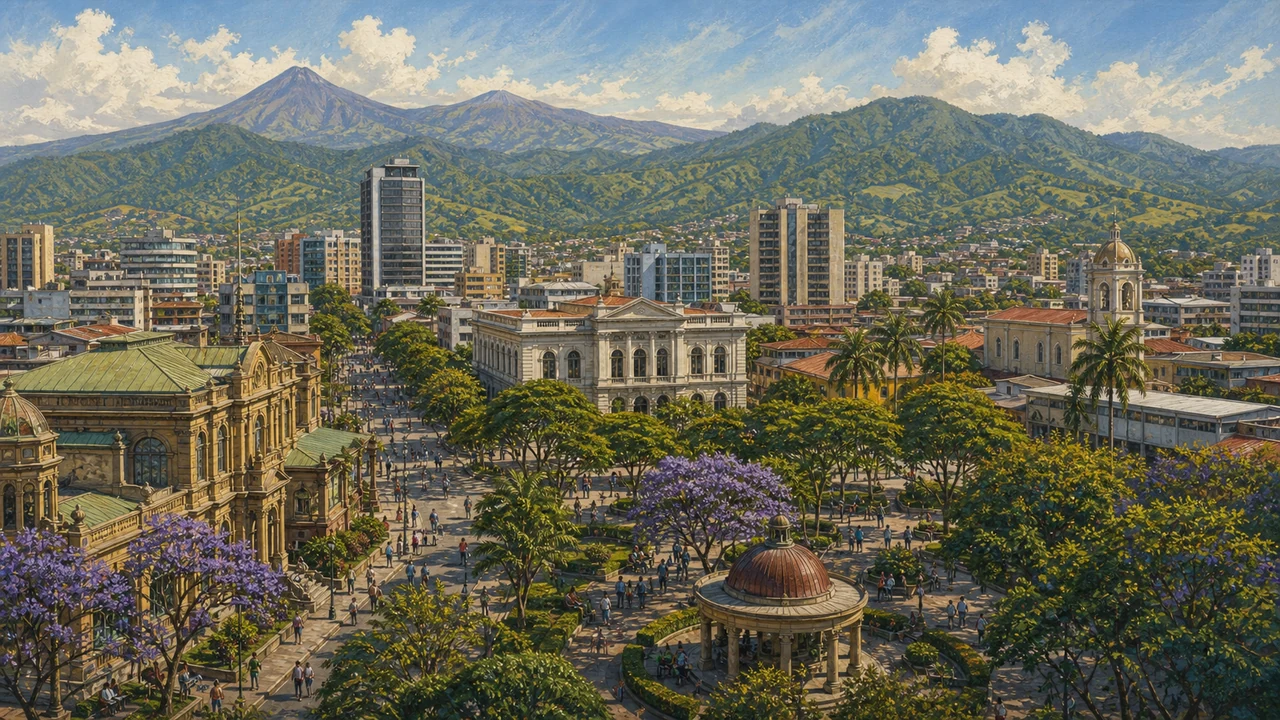
Costa Rica’s top professional league, the primera división, is contested by clubs from across the country, but the most storied names all trace deep roots to the capital region.
Deportivo Saprissa — affectionately known as El Monstruo Morado (The Purple Monster) — is the most successful club in Costa Rican history and one of the most decorated in CONCACAF. Based at the Estadio Ricardo Saprissa in Tibás, a working-class neighborhood north of San José, Saprissa draws enormous crowds and has produced many of Costa Rica’s most famous internationals.
Liga Deportiva Alajuelense (LDA) — simply called La Liga — is Saprissa’s fiercest rival and the other pillar of Costa Rican club soccer history. Based in Alajuela, just outside San José near Juan Santamaría International Airport, La Liga boasts one of the most passionate supporter cultures in Central America. The Saprissa–Alajuelense rivalry, known as the Clásico Nacional, is the defining fixture of the domestic calendar.
Club Sport Herediano — based in Heredia and nicknamed El Team — is another historically significant club with multiple league titles and a loyal following in the greater Central Valley. Herediano has enjoyed recent success that keeps the title race competitive beyond the two giants.
Other clubs such as Deportivo Cartago, Santos de Guápiles, and Pérez Zeledón add regional color and upsets that keep the league unpredictable.
The Stadiums
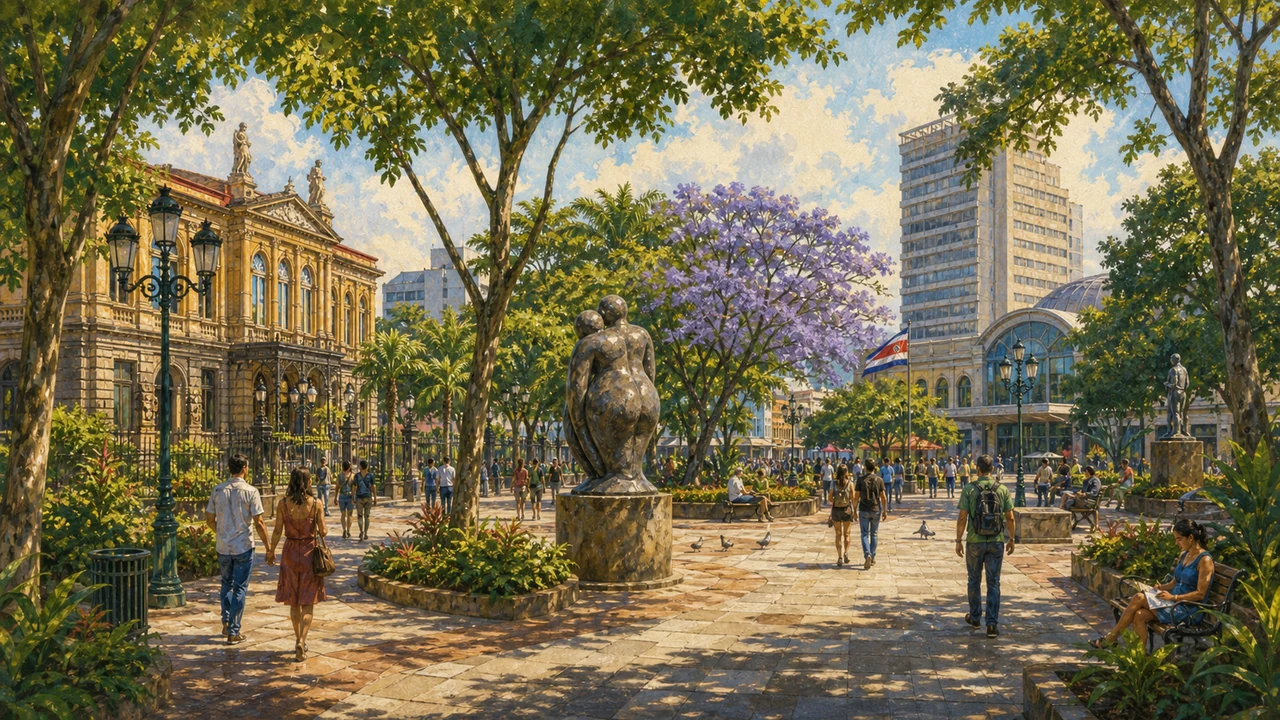
Estadio Nacional de Costa Rica — Located in La Sabana Metropolitan Park in western San José, the Estadio Nacional is the country’s showcase venue, with a capacity of approximately 35,000. Rebuilt and modernized in the early 2010s with assistance from China, it hosts La Sele matches, cup finals, and occasional international concerts. The stadium sits adjacent to the Museo de Arte Costarricense, making the surrounding park a pleasant place to explore before a match.
Estadio Ricardo Saprissa — Located in Tibás, this intimate 23,000-seat ground is one of the most intimidating venues in Central America when packed with Saprissa’s ultras. The noise and atmosphere on a big European night (Saprissa regularly competes in CONCACAF Champions Cup) or a Clásico is extraordinary.
Estadio Alejandro Morera Soto — Alajuelense’s home ground in Alajuela seats around 19,000 and is conveniently located close to the Juan Santamaría International Airport corridor, making it easy to combine with an arrival or departure day in the metropolitan area.
Experiencing a Match as a Visitor
Attending a primera división match is straightforward and affordable. Tickets are typically available at the stadium box office on match day, and you rarely need to book far in advance for regular-season games — though the Clásico Nacional sells out quickly and is worth planning ahead for.
Tips for first-time attendees:
- Dress for the team you want to support — wearing opposition colors in the wrong section will draw attention; neutrals are always fine.
- Matches are usually played on weekends, with Saturday evening kickoffs being most common during the dry season.
- The atmosphere in the general admission sections (gradería) is loud and passionate; the covered tribuna seats offer a calmer vantage point.
- Food vendors circle the stands selling traditional snacks — gallo pinto, empanadas, and cold beer are standard matchday fare.
- Arrive 30–45 minutes early to soak up the pre-match atmosphere and find your section without rushing.
Soccer Culture Beyond the Stadiums

Fútbol as a daily ritual in Costa Rica extends well beyond the professional game. Every small town has its cancha — a concrete or dirt pitch where children and adults play pick-up games after school and on weekends. Town plazas in villages across Guanacaste, the Central Valley, and the Caribbean coast double as informal soccer grounds, and it’s common to stumble across a spirited community match during a walk through any neighborhood.
Major tournament matches featuring La Sele transform the country into a single living room. Bars, restaurants, and pulperías (corner shops) hang television sets in their doorways, strangers share beers and chants on sidewalks, and honking motorcades celebrate every goal. If you happen to be visiting during a World Cup qualifying campaign or a tournament, lean into the experience — there is no better window into Costa Rican identity.
For visitors interested in the full spectrum of what this country has to offer, be sure to explore the broader activities and sports section — from whitewater rafting on the Pacuare River to surfing and birdwatching. You can also check travel tips for Costa Rica to plan your trip around a match day, and read about why Costa Rica is worth visiting for the broader picture of what makes this small country so memorable.
Frequently asked questions
How can I buy tickets to a Costa Rica primera división match?
Tickets are usually sold at the stadium on match day or through club websites. Saprissa and Alajuelense (LDA) matches are the most popular — arrive early for a Clásico. Prices are affordable by international standards, and you can often pay in colones or USD.
When is the Costa Rica soccer season?
The primera división runs two tournaments per year: the Apertura (roughly July–December) and the Clausura (January–May). There is almost always a match to catch regardless of when you visit.
Has Costa Rica qualified for the FIFA World Cup?
Yes — Costa Rica has qualified for the World Cup multiple times, with their most celebrated run coming in 2014 when La Sele reached the quarterfinals in Brazil, defeating Uruguay, Italy, and Greece in the group stage.
What is the biggest soccer stadium in Costa Rica?
The Estadio Nacional in La Sabana, San José, is the largest, with a capacity of around 35,000. It hosts La Sele internationals and major club finals.
Are Costa Rica soccer matches safe for visitors?
Matches are generally a lively and festive experience. The atmosphere is passionate but family-friendly for most games. Follow standard precautions — keep valuables secure and stay with the general-admission crowd in well-lit areas.