Costa Rica's Ecological Blue Flag: What It Means for Travelers
Costa Rica’s Ecological Blue Flag program (Bandera Azul Ecológica, PBAE) is one of the most comprehensive environmental certification systems in Latin America, recognizing beaches, communities, schools, and protected areas that meet strict standards for water quality, sanitation, and ecological responsibility. For travelers choosing where to swim, stay, or explore, a Blue Flag is a trustworthy signal that local stakeholders are actively protecting the environment around you.
What the Program Certifies
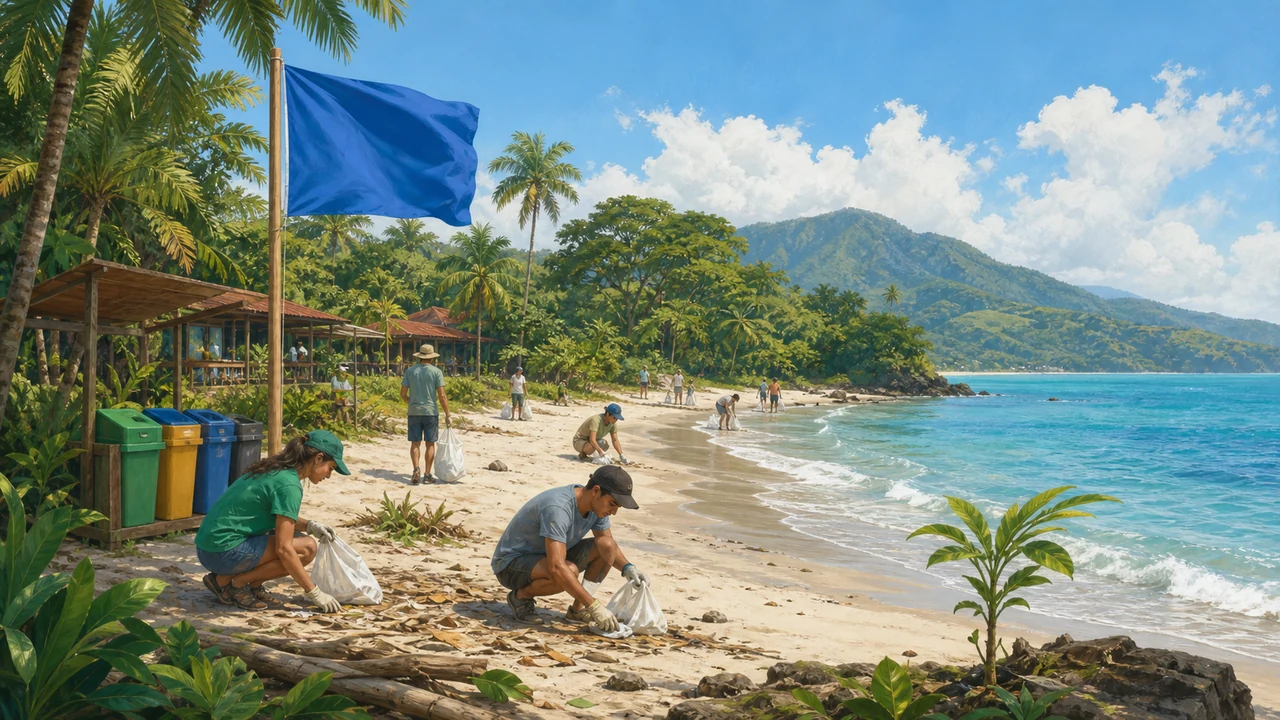 The PBAE was launched by AyA — Costa Rica’s national water and sewage authority — with the primary goal of motivating coastal communities to protect their beaches in a measurable, accountable way. From the start, the program covered more than just cleanliness: applicants are evaluated on potable water supply, bacteriological water quality, solid-waste management, signage and public safety, and community environmental education.
Over the years the program grew substantially. In 2002 it expanded to inland hydrological communities, recognizing that rivers and watersheds carry pollutants downstream to the sea — certifying these communities upstream helps protect the coast as well. By 2004 the program added educational centers, encouraging schools to embed a culture of hygiene and environmental stewardship in the next generation. And following an initiative by the Costa Rican Network of Private Natural Reserves, a fourth category — Natural Protected Spaces — was created to recognize private and public reserves that preserve forested watersheds and biodiversity.
Today the PBAE spans five main categories: coastal beaches, inland communities, educational centers, natural protected spaces, and marine areas. Each category carries its own evaluation criteria, but all share a common philosophy: sustainable coexistence between people, tourism, and natural resources.
How Beaches Earn the Flag
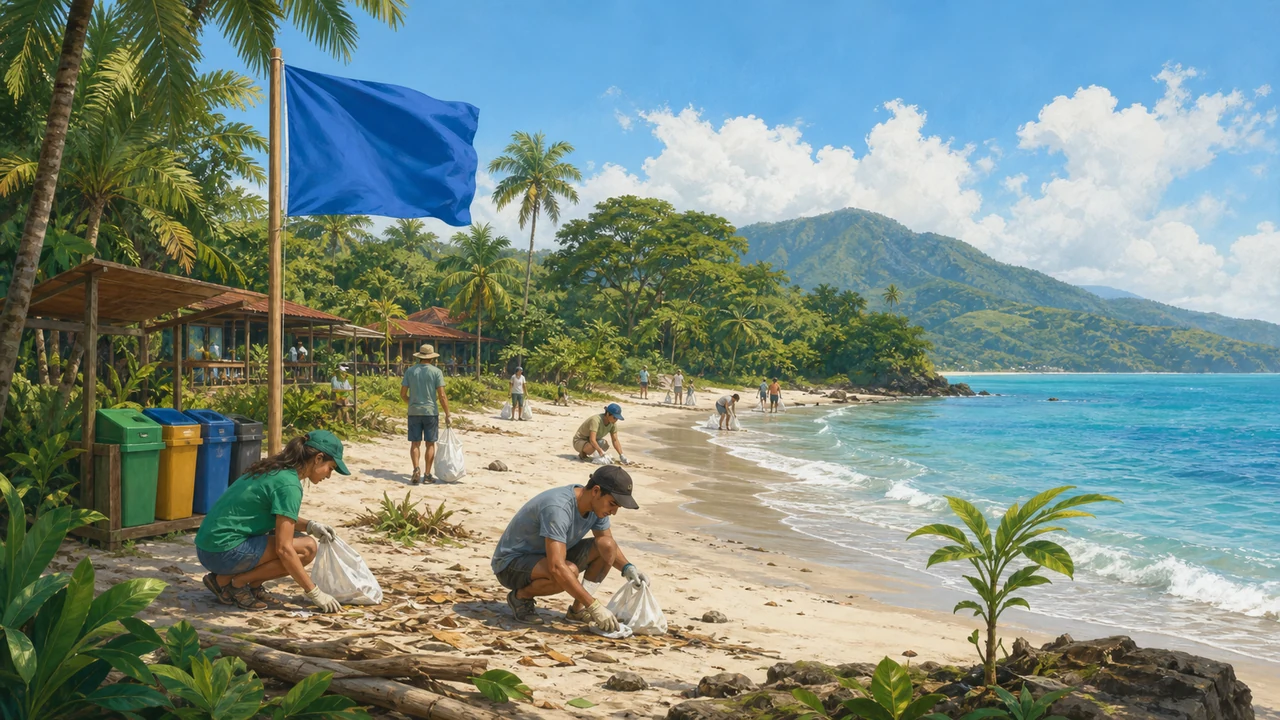 Earning a Blue Flag is not a one-time achievement — it requires annual re-evaluation. A beach community must demonstrate consistent performance across several areas:
- Water quality: Regular laboratory testing of seawater for bacterial contamination and chemical indicators. Samples must meet national and international health standards.
- Sanitation infrastructure: Adequate sewage treatment, solid-waste collection, and visible separation of recycling.
- Safety and services: Lifeguard coverage during peak hours, first-aid access, and clear signage for hazards.
- Environmental education: Community programs and signage that inform both residents and tourists about protecting the local ecosystem.
- Cleanliness and aesthetics: Beach areas free of litter, with active maintenance protocols.
Scores are weighted and a minimum threshold must be reached in each category. Communities that fall short are not awarded the flag that year, creating genuine accountability rather than a rubber-stamp process.
What It Means for Travelers Choosing a Beach
 For visitors, choosing a Blue Flag beach in Costa Rica offers practical reassurance. The water has been tested. Local services meet a measurable standard. And the community has demonstrated that it cares about the environment it is inviting you into.
Beyond the beach itself, the flag signals something broader: the destination takes Costa Rica ecotourism & nature seriously at a local level, not just in marketing brochures. When communities invest the effort to earn and renew certification year after year, you tend to find cleaner shorelines, more organized waste management, and better-maintained facilities overall.
Costa Rica protects more than 25% of its land in national parks and protected areas, and the Blue Flag program extends that ethic of stewardship to the communities and beaches that surround them. Certified eco-beaches and communities are spread across both the Pacific and Caribbean coasts, meaning the program’s reach is national, not limited to the most-developed resort areas.
Blue Flag Beyond the Beach
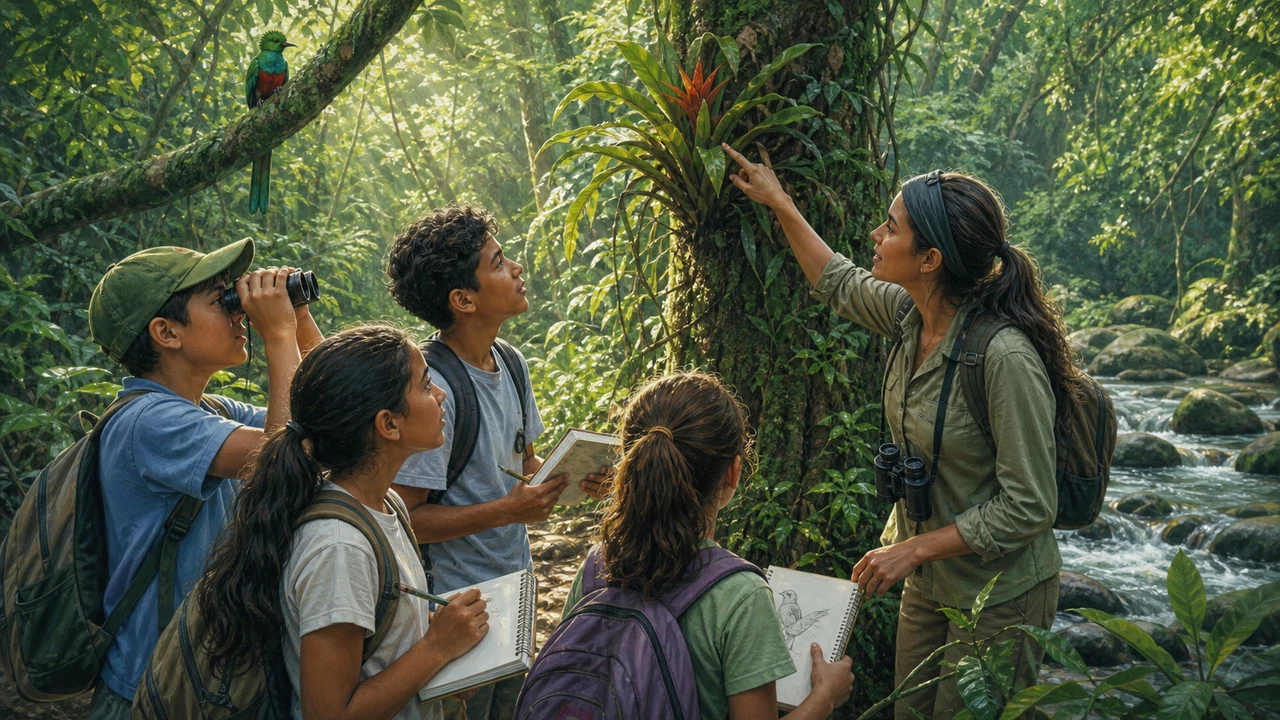 One of the PBAE’s most distinctive features is its emphasis on environmental education in certified schools. Schools that earn the flag commit to integrating environmental themes into daily life — from reducing waste in cafeterias to planting native species on school grounds and teaching students about local watershed health.
This classroom-to-community pipeline matters. Children who grow up in Blue Flag schools tend to carry those habits into adult civic life, which helps explain why many certified coastal communities also maintain strong beach-stewardship programs. The program’s anti-dengue work — supporting clean-water practices that reduce mosquito breeding — adds a public-health dimension that benefits residents and visitors alike.
The natural protected spaces category brings private nature reserves into the same accountability framework. Certified reserves must demonstrate active reforestation, water-source protection, and controlled human impact. For travelers interested in responsible travel in Costa Rica, seeking out lodges or excursions near certified reserves is a meaningful way to support those efforts directly.
Planning Your Visit Around Blue Flag Destinations
 The PBAE publishes an updated list of certified beaches, communities, schools, and reserves each year. Rather than rely on a static list — which changes annually as new participants join and others lapse — check the official AyA or ICT (Costa Rica Tourism Institute) website for the most current certified destinations before you travel.
A few practical tips for making the most of Blue Flag certified travel in Costa Rica:
- Look for the flag physically. Certified beaches fly a blue flag at the main access point during the season. If you don’t see it, ask locally.
- Ask your accommodation. Many eco-lodges and hotels near certified beaches actively promote their proximity to the program. Some are participants themselves.
- Combine with protected areas. Many of the country’s top beaches sit adjacent to wildlife refuges and national parks where the same stewardship ethos applies. Cahuita National Park on the Caribbean and Ballena National Marine Park in the South Pacific are examples where coastal protection and beach quality go hand in hand.
- Travel with purpose. Choosing certified destinations — and respecting their rules when you arrive — directly supports the communities investing in long-term sustainability.
Costa Rica’s commitment to environmental stewardship runs deep: the country abolished its army in 1948 and has channeled national resources into conservation and education ever since. The Ecological Blue Flag program is one expression of that commitment at the community level — a practical, annually renewed proof that sustainable tourism in Costa Rica is more than a slogan.
For more on traveling responsibly, see Costa Rica travel tips and the broader sustainable tourism section.
Frequently asked questions
What does the Ecological Blue Flag mean in Costa Rica?
The Ecological Blue Flag (Bandera Azul Ecológica, or PBAE) is a national certification awarded to beaches, inland communities, schools, and protected natural areas that meet rigorous standards for water quality, hygiene, environmental education, and waste management. A flag flying at a Costa Rican beach is a reliable signal that the water and facilities have been independently evaluated.
Who runs the Ecological Blue Flag program?
The program is administered by AyA (the Costa Rican Institute of Aqueducts and Sewers) in coordination with municipalities, the Costa Rica Tourism Institute (ICT), and other public and private institutions. A technical committee evaluates applications and awards flag categories each year.
How many categories does the Blue Flag program cover?
The program has expanded well beyond beaches. It now certifies coastal beaches, inland hydrological communities, educational centers, natural protected spaces (private and public reserves), and marine areas. Each category has its own set of requirements tailored to its context.
Can I trust a Blue Flag beach for swimming?
Yes — water quality testing is one of the core requirements. Beaches must demonstrate safe bacteriological and physicochemical water quality, proper waste management, and basic visitor safety measures such as lifeguard presence and first-aid access. The flag is renewed annually, so standards are maintained over time.
Are all Blue Flag beaches on the Pacific coast?
No. Certified beaches span both coasts — Pacific and Caribbean — as well as river and lake communities in the interior. The program's expansion into non-coastal categories means certified communities exist throughout the country, not only on the shore.