Guanacaste, Costa Rica — Gold Coast & Beyond
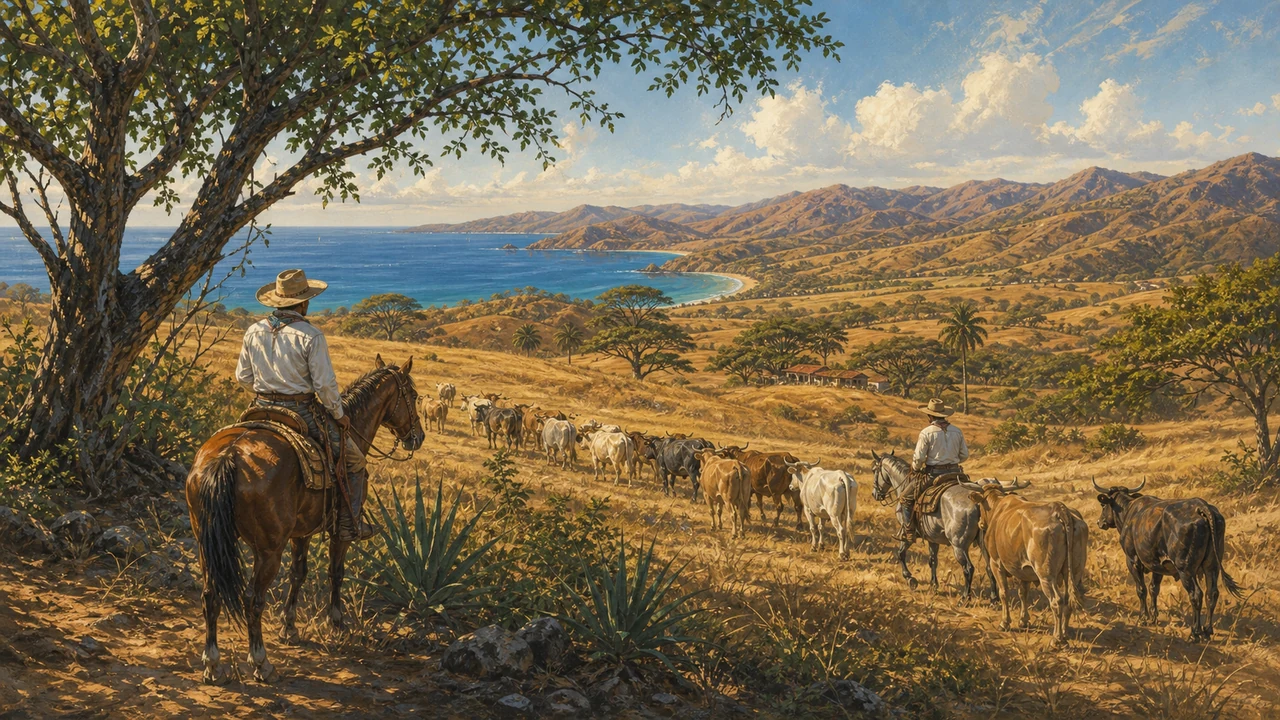 Guanacaste is Costa Rica’s most sun-drenched province — a vast, warm region stretching from the Nicaraguan border down to the Nicoya Peninsula, defined by its powder-white beaches, volcanic highlands, and the proud cattle-ranching culture that gave it the nickname the Gold Coast. Larger and drier than anywhere else in the country, Guanacaste joined Costa Rica in 1824 after previously existing as an independent territory, and it retains a distinctly regional identity that sets it apart from the rest of the country.
Whether you arrive chasing surf, seeking a luxury all-inclusive, looking to explore a still-active volcano, or simply searching for a long stretch of uncrowded sand and extraordinary sunsets, Guanacaste delivers — and with direct international flights into Daniel Oduber International Airport (LIR) in Liberia, getting here has never been easier.
The Gold Coast: Beaches from Papagayo to Sámara
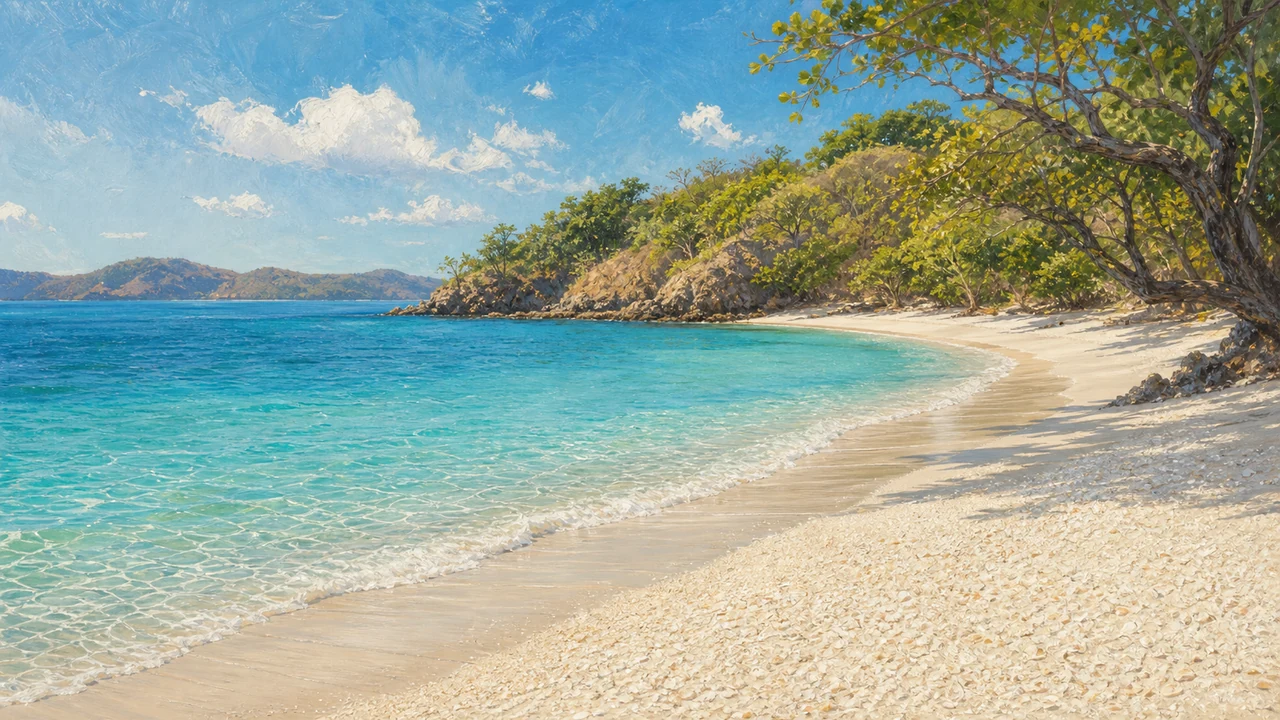 Guanacaste’s Pacific coastline runs for hundreds of kilometers, and almost every cove holds a different personality.
Papagayo Peninsula anchors the northern coast with large-scale luxury resorts, a sheltered gulf, and some of the calmest, clearest water in the country. It is ideal for sailing, stand-up paddle, and snorkeling.
Playa Flamingo offers a marina, upscale hotels, and the gentle atmosphere that draws couples and families seeking a relaxed, polished experience without the party scene.
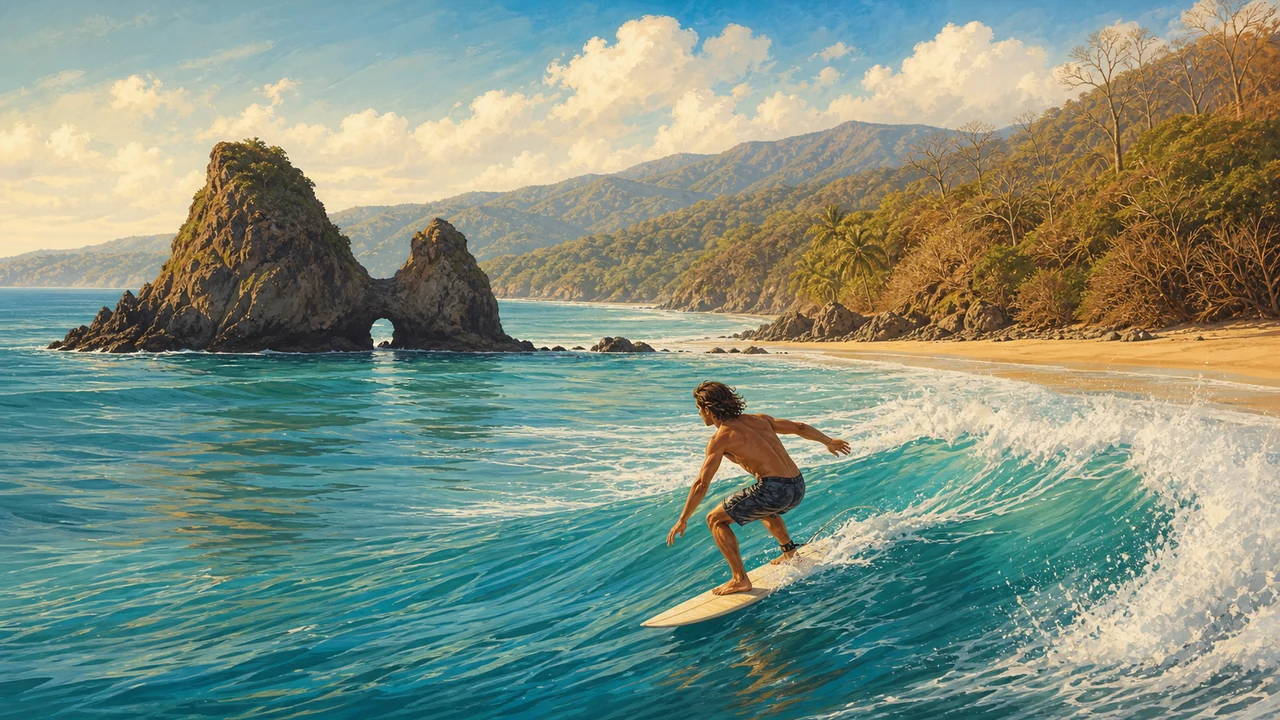
Tamarindo is Guanacaste’s most internationally recognized beach town — a lively strip of surf shops, open-air restaurants, yoga studios, and an easy social energy. The surf breaks at Tamarindo and neighboring Playa Grande range from gentle rollers perfect for beginners to faster reef waves for more experienced riders. Playa Grande is also part of Las Baulas Marine National Park, a critical nesting sanctuary for leatherback sea turtles.
Heading south along the coast, Nosara has earned a devoted following among surfers, yoga practitioners, and those seeking a lower-key alternative to larger towns. Strict building regulations have kept the village green and relatively undeveloped. Sámara sits in a protected bay — its calm, shallow waters make it one of the safest swimming beaches on the Pacific and an excellent spot for families with young children.
Explore the full range of options in Costa Rica’s north Pacific beaches and across Costa Rica’s beaches to compare what each area offers.
Liberia and the LIR Gateway
 Liberia, the provincial capital, functions as both a practical hub and a destination in its own right. The city’s colonial white-washed architecture earned it the nickname the White City, and its historic center features an 18th-century church and a relaxed plaza that rewards an afternoon of wandering.
Most travelers, however, know Liberia primarily through its airport. Daniel Oduber International Airport (LIR) sits just minutes from the city center and connects Guanacaste directly to North American gateways — meaning fly-and-drive trips to Guanacaste resorts and beaches require no transit through San José. From LIR, Tamarindo is roughly 1.5 hours by road, and most Papagayo resorts are under an hour.
Rincón de la Vieja and Santa Rosa: Volcano and Dry Forest
Two of the most compelling national parks in all of Costa Rica lie within easy reach of Liberia.
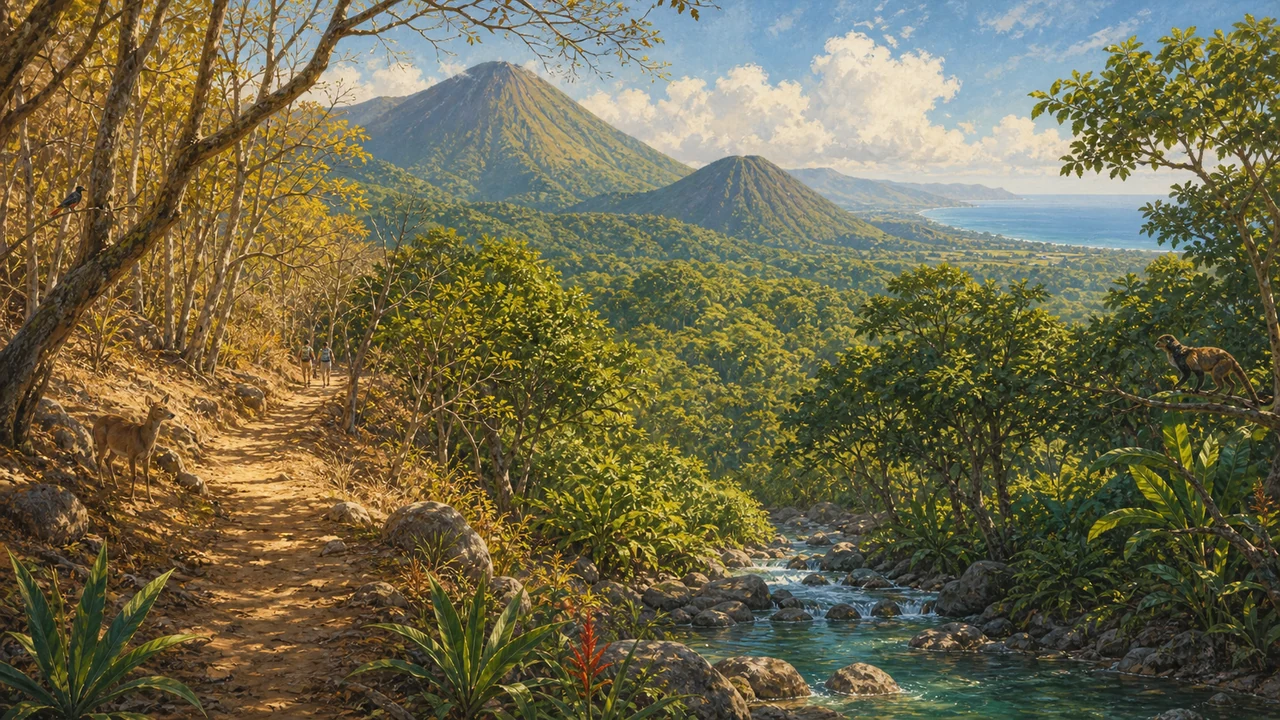
Rincón de la Vieja Volcano is an active stratovolcano whose flanks bubble with mud pots, sulfur fumaroles, and hot springs that visitors can soak in after a day’s hiking. The park’s trails cross tropical dry forest and secondary growth, passing waterfalls and river canyons — adventure operators run canyoning, tubing, and horseback-riding programs out of lodges near the park entrance. From the upper slopes on clear days, views reach both the Pacific Ocean and distant peaks of the Guanacaste volcanic range.
Santa Rosa National Park holds one of Central America’s largest and best-preserved examples of tropical dry forest in Mesoamerica — a seasonally deciduous ecosystem that explodes with new leaf growth at the first rains. Playa Naranjo inside the park is legendary among experienced surfers for Roca Bruja (Witch’s Rock), a powerful offshore break. Santa Rosa also carries deep historical significance as the site of multiple battles in which Costa Rica repelled foreign incursions.
Together, these two parks anchor the Guanacaste volcanic range system and offer a compelling counterpoint to the beach scene a short drive to the west.
The Nicoya Blue Zone and Sabanero Culture
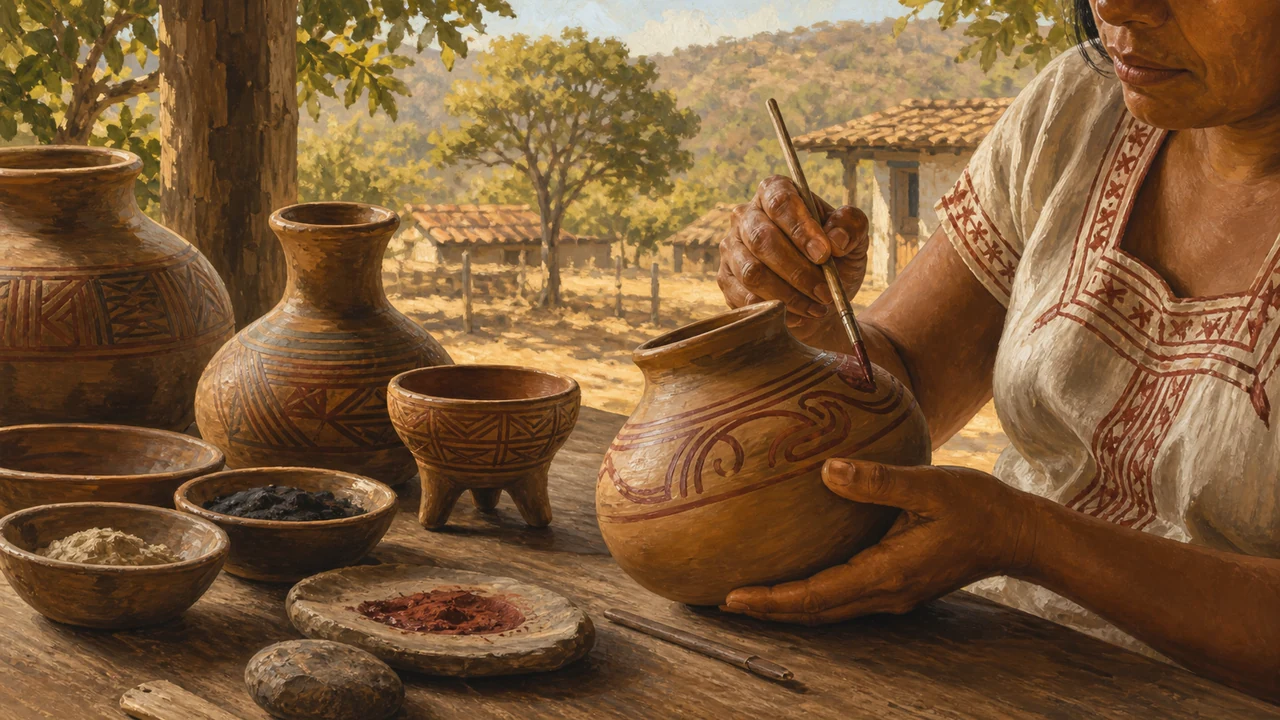 The Nicoya Peninsula’s status as one of the world’s five Blue Zones — where a disproportionate number of residents live past 100 in good health — draws visitors interested in wellness tourism, sustainable living, and what researchers call a plan de vida (a strong sense of life purpose). The Chorotega indigenous people who have inhabited this peninsula for centuries contributed not only their longevity but one of Costa Rica’s most distinctive cultural traditions: hand-painted Chorotega pottery, still produced in the village of Guaitil using pre-Columbian techniques.
Guanacaste’s interior grasslands gave rise to the sabanero — the Costa Rican cowboy — whose traditions of horsemanship, folk music, and regional cuisine remain very much alive. The province’s festivals celebrate this heritage with horse parades, bullfights (in the distinctly Costa Rican style, where the bull is not harmed), and marimba music. Traditional guanacasteco food — dishes built around corn, rice, and the region’s legendary dry-season beef — is worth seeking out in local sodas (small family restaurants) rather than resort menus.
Rural tourism in Guanacaste offers visitors a way to engage directly with this living culture through farm stays, cooking classes, and guided hacienda visits.
Wildlife and Ecotourism
 Despite its reputation as the dry province, Guanacaste packs remarkable biodiversity into its forests, wetlands, and coastal waters. Palo Verde National Park, set along the Tempisque River basin, protects one of the most significant bird-watching wetlands in Central America — birdwatching at Palo Verde is outstanding during the dry season when migratory species concentrate around the lagoons. Howler monkeys are abundant throughout the province, and scarlet macaws are increasingly visible near coastal forests thanks to ongoing conservation efforts.
Offshore, the Pacific waters carry manta rays, sea turtles, dolphins, and during the right season, humpback whales. Sport fishing out of Tamarindo and Flamingo targets sailfish, roosterfish, and dorado. Diving and snorkeling sites off the Papagayo coast reveal rocky reefs inhabited by moray eels, octopus, and tropical reef fish.
For property buyers, Guanacaste’s combination of natural beauty and infrastructure makes it one of the most active markets in the country — Guanacaste real estate ranges from beachside condominiums to large agricultural tracts in the interior highlands.
Planning Your Guanacaste Visit
Guanacaste is one of the most straightforward regions in Costa Rica to visit independently. Car rentals are available at LIR Airport, roads between major beach towns are paved, and distances are manageable. The province is also well-served by domestic flights and shuttle services.
For general planning guidance, Costa Rica travel tips covers entry requirements, currency, and getting around the country. Explore the full breadth of what Costa Rica offers through ecotourism & nature and activities & sports — Guanacaste touches nearly every category.
Frequently asked questions
Which airport do I fly into for Guanacaste?
Daniel Oduber International Airport (LIR) in Liberia is the closest gateway. It receives direct international flights from North America, placing most Guanacaste beaches within one hour's drive — no connection through San José required.
What is the best time of year to visit Guanacaste beaches?
The dry season (roughly December through April) delivers near-guaranteed sunshine and calm Pacific surf. The green season (May–November) brings lush, dramatic landscapes with short afternoon showers and significantly fewer crowds.
What makes the Nicoya Peninsula a Blue Zone?
The Nicoya Peninsula is one of five globally recognized Blue Zones — areas where people regularly live past 100. Researchers attribute the longevity to a plant-forward diet, strong community ties, physical activity, and a deep sense of purpose (plan de vida).
Is Guanacaste good for wildlife and national parks?
Yes. Santa Rosa and Rincón de la Vieja national parks protect some of Central America's largest remaining stretches of tropical dry forest. Wildlife includes howler monkeys, white-tailed deer, peccaries, scarlet macaws, and leatherback sea turtles at Playa Grande.
Can I buy property in Guanacaste as a foreigner?
Foreigners enjoy the same property rights as Costa Rican citizens. Guanacaste is one of the country's most active real estate markets, with beachfront lots, luxury villas, and retirement communities spread across the Papagayo peninsula, Tamarindo, Flamingo, and Nosara.