Contemporary Art & Design Museum (MADC) San José
The Museo de Arte y Diseño Contemporáneo — known by its acronym MADC — is San José’s premier showcase for contemporary Costa Rican and Latin American art and design, housed inside one of the capital’s most architecturally striking cultural landmarks.
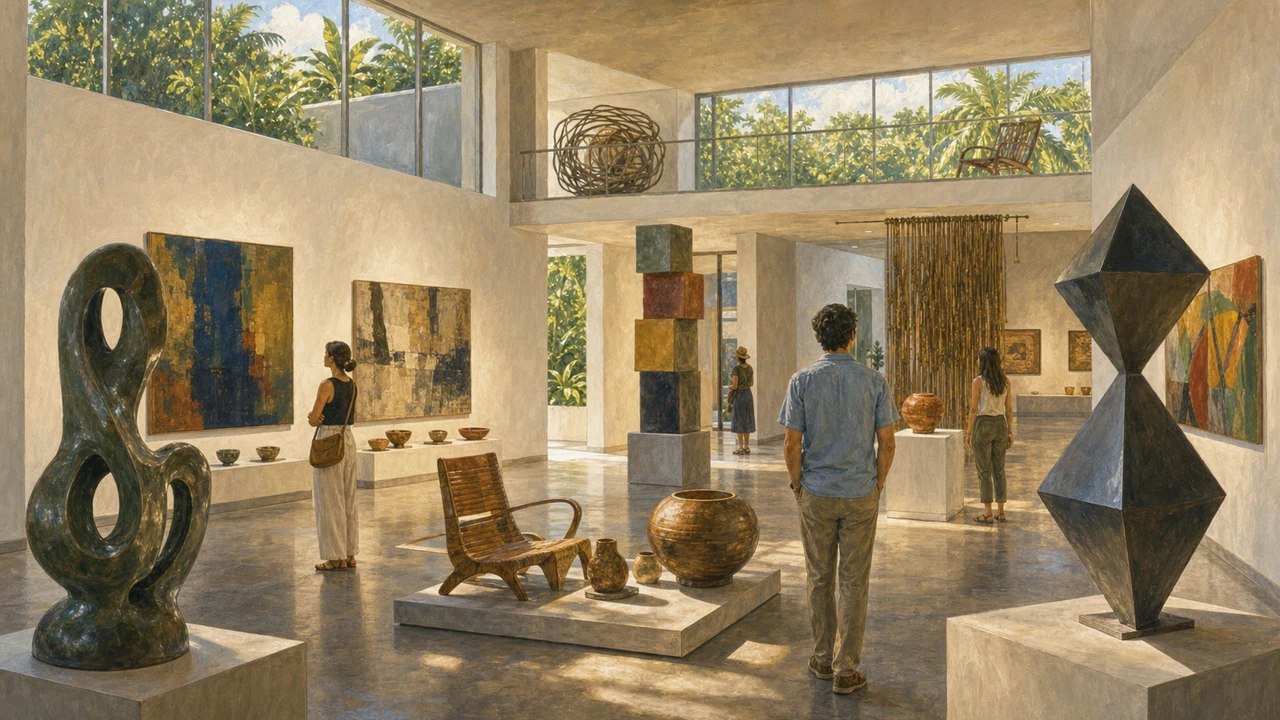 Founded in 1994, the MADC has grown into the most important forum in Costa Rica for the moving currents of contemporary visual culture. Since opening, the museum has mounted well over fifty exhibitions — the majority organized by its own curatorial team — covering everything from painting and sculpture to industrial design, digital media, and graphic arts. It also hosted the first major contemporary arts exhibition ever staged in Central America, a milestone that underscored the museum’s regional ambition from the outset.
The CENAC Complex: A Factory Reborn as a Cultural Campus
The MADC occupies the Centro Nacional de la Cultura (CENAC), a sprawling complex in San José’s Barrio Amón district that was originally built as the National Liquor Factory in 1856. The industrial bones of the old distillery — brick archways, wide courtyards, and solid masonry walls — give the complex a character unlike any conventional museum building.
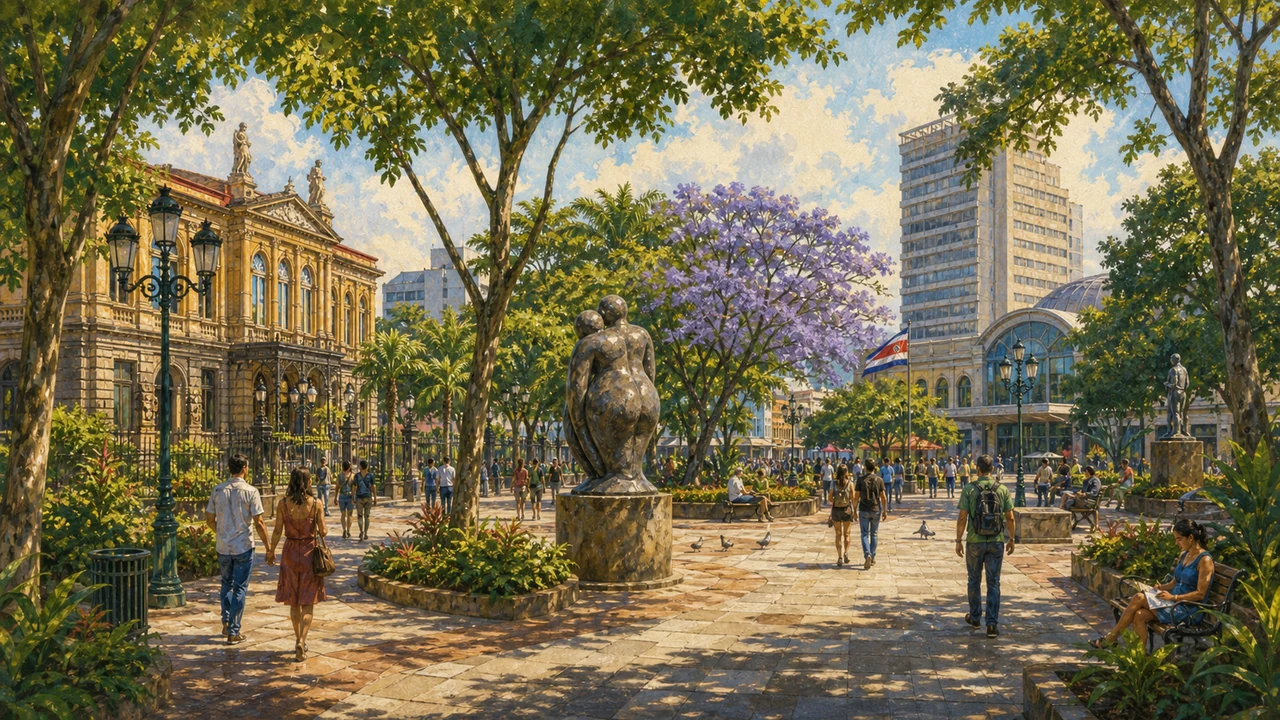 The entire campus was sensitively restored and inaugurated as a cultural center in 1994, winning architectural recognition for the quality of the rehabilitation work. Today CENAC is home not only to the MADC but also to the Ministry of Culture and Youth, two performance theaters, a professional dance studio, and an outdoor amphitheater used for concerts and public events throughout the year. Walking the grounds between exhibitions is a pleasure in itself.
What the MADC Exhibits
The museum’s programming covers the full breadth of contemporary Costa Rican and Latin American art and design. Rotating exhibitions change throughout the year and typically explore current trends in:
- Fine art — painting, drawing, printmaking, sculpture, and installation
- Photography and digital media — both documentary and conceptual
- Graphic design and visual communication
- Industrial and product design
- Architecture and spatial design
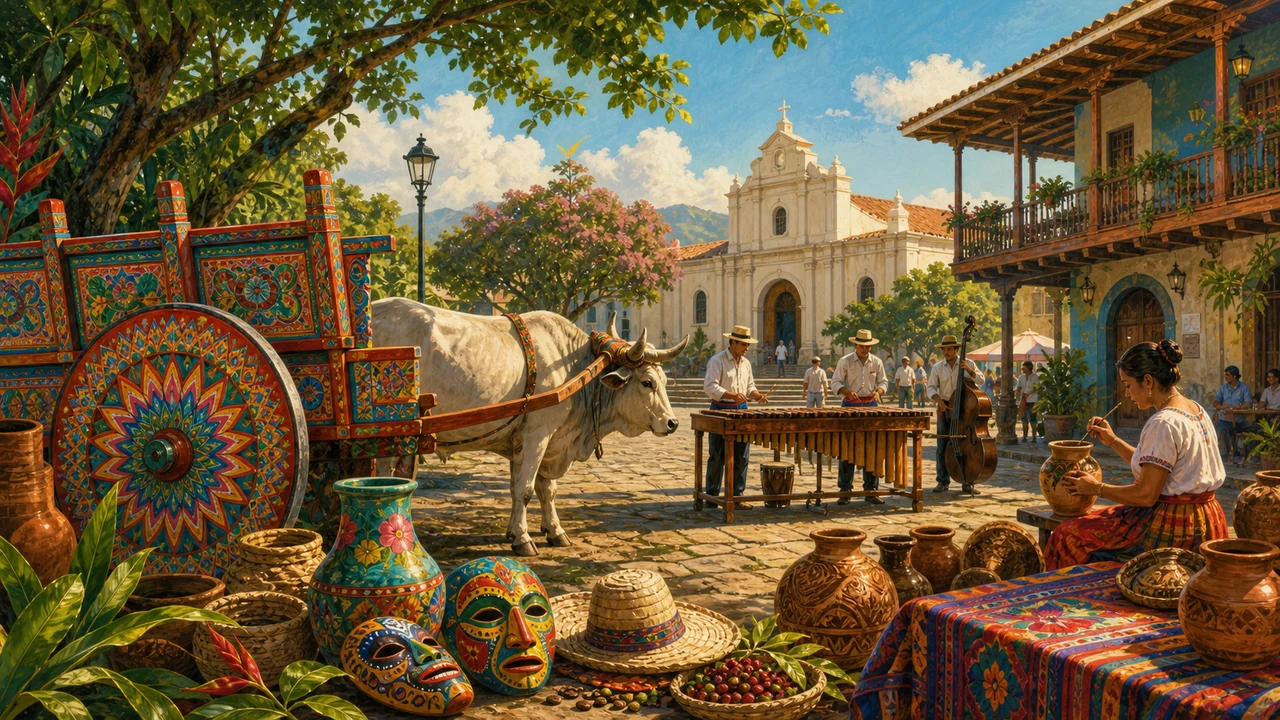 The MADC places particular emphasis on emerging voices in Costa Rican contemporary design, giving local artists and designers a platform that connects them to international dialogue. Traveling exhibitions from partner institutions across Latin America and beyond ensure the program remains outward-looking. If you have an interest in abstract and conceptual art from Central America, you’ll find the MADC a genuinely stimulating stop.
Visiting the Museum
The museum is open Tuesday through Saturday, 10:00 a.m. to 5:00 p.m. A modest entrance fee applies; discounts are generally available for students and Costa Rican nationals. Confirm current hours and admission on arrival, as both can shift around public holidays.
The museum shop is worth a browse even if time is short. It typically stocks design publications, art books, and small-run prints from exhibited artists — good alternatives to the mass-produced souvenirs found elsewhere in the city.
Barrio Amón itself is one of San José’s most walkable and historically rich neighborhoods, filled with early-twentieth-century mansions, independent galleries, and good cafés. Pair your MADC visit with a stroll through the barrio or a look at the nearby Costa Rica National Museum for a full day of culture in the capital. The National Theater of Costa Rica, a short walk away, is another unmissable landmark for anyone interested in the country’s cultural architecture.
Getting to CENAC is straightforward from anywhere in central San José. Taxis, ride-share apps, and public buses all serve the area reliably. If you’re arriving by air through Juan Santamaría International Airport (SJO) in Alajuela, the city center is roughly thirty to forty minutes by road.
Why the MADC Matters for Costa Rica’s Cultural Identity
 Costa Rica has long punched above its weight culturally — a tradition rooted in the country’s high literacy rates, strong public investment in the arts, and the creative energy of a small but cosmopolitan capital. The MADC sits at the center of that tradition. By focusing exclusively on contemporary and design-driven work, it complements the historical collections at other San José institutions and gives the city’s art scene a forward-looking anchor.
For visitors with even a passing interest in design and visual culture, the MADC is one of the most rewarding afternoon stops in San José. It’s also a reminder that Costa Rica’s cultural landscape extends well beyond rainforests and volcanoes — the country has a rich, evolving urban arts identity that deserves the same attention as its natural wonders.
Planning Your San José Cultural Visit
The MADC fits naturally into a broader exploration of the capital. San José rewards unhurried visitors who look past its reputation as a transit hub. The CENAC complex, the historic theater district, the Central Market, and the city’s many plazas add up to a genuinely interesting urban day. Barrio Amón and the adjacent Barrio Otoya contain some of the finest early-twentieth-century residential architecture in Central America, and many houses have been converted into boutique hotels, restaurants, and galleries.
If you’re planning a longer stay in the metropolitan area, San José real estate continues to attract interest from foreign buyers drawn by the city’s cultural amenities and infrastructure — the museums and performing arts venues of CENAC are a genuine asset to the neighborhood.
For help organizing your time in Costa Rica more broadly, see our Costa Rica travel tips and our guide to why visit Costa Rica. The country’s remarkable ecotourism and nature offerings are never far from the city — national parks and volcanoes are within easy day-trip range of San José, making a cultural morning at the MADC a perfect complement to an afternoon or next-day adventure in the field.
Frequently asked questions
What is the MADC and where is it located?
The MADC (Museo de Arte y Diseño Contemporáneo) is Costa Rica's leading contemporary art and design museum. It sits inside the CENAC complex — the former National Liquor Factory — in the Barrio Amón neighborhood of San José. The complex also houses the Ministry of Culture, theaters, and an amphitheater.
What kind of art does the MADC exhibit?
The museum focuses on contemporary visual art and design from Costa Rica and across Latin America. Exhibitions range from painting, sculpture, and photography to graphic design, industrial design, and digital media. Many shows are curated in-house; others are traveling exhibitions from partner institutions.
Is the MADC free to visit?
The museum charges a modest entrance fee, with discounts typically available for students and Costa Rican nationals. Check current admission costs before your visit, as these can change seasonally.
When is the MADC open?
The museum is generally open Tuesday through Saturday, 10:00 a.m. to 5:00 p.m. Hours may vary on public holidays, so confirm before you go.
What else is there to see at the CENAC complex?
The broader CENAC (Centro Nacional de la Cultura) campus includes two performance theaters, a dance studio, an outdoor amphitheater, and garden courtyards. It's a full cultural afternoon even beyond the museum itself.