Puntarenas: One of Costa Rica's Earliest Settlements
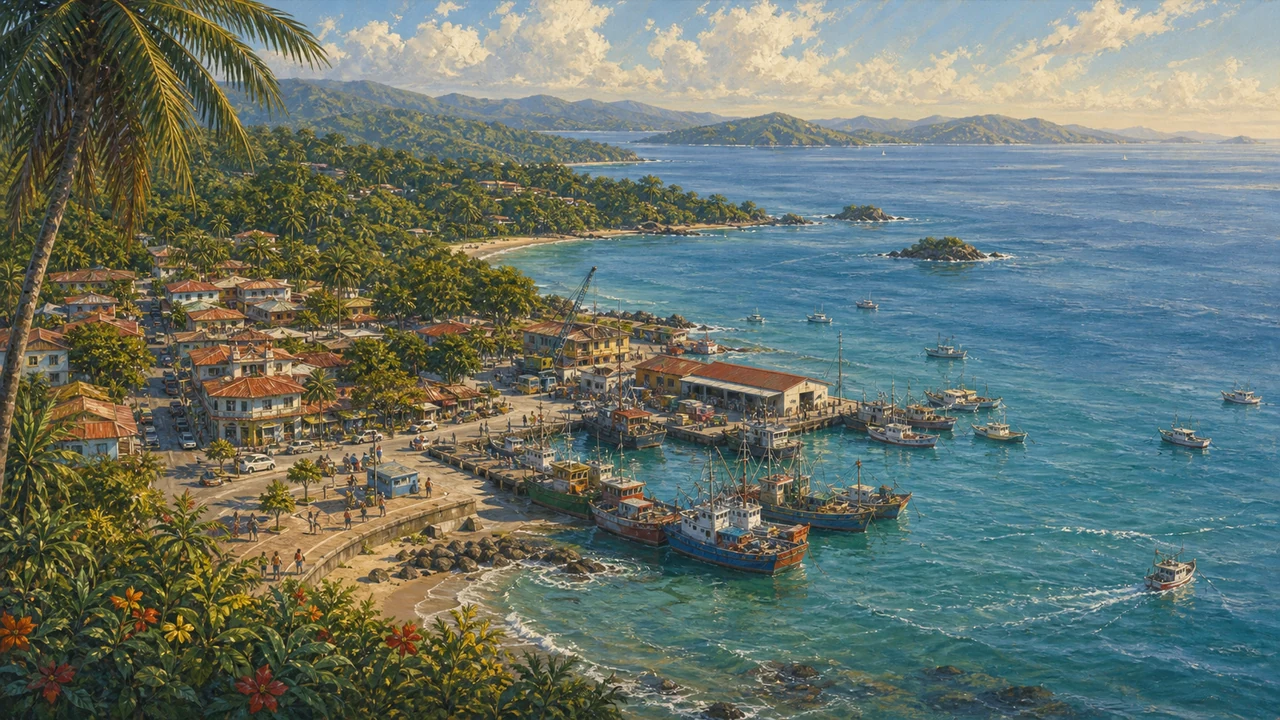 Puntarenas stands as one of Costa Rica’s oldest and most strategically important settlements, a colonial Pacific port town whose fortunes have risen, waned, and risen again across four centuries of history. Built on a narrow sand spit jutting into the Gulf of Nicoya, this city shaped how Costa Rica connected to the wider world — and it remains a living piece of the country’s maritime heritage.
Origins on the Sand Peninsula
Long before Spanish colonizers arrived, indigenous peoples inhabited the lands around the Gulf of Nicoya. The Chorotega and other pre-Columbian groups fished these waters and traded along the Pacific coast. When Spanish settlers established a presence on the peninsula in the colonial period, they recognized the same geographic advantage: the sheltered harbor formed by the sand point offered natural protection for boats and a reliable anchorage for trade.
The town that grew here took its name directly from its landscape — Puntarenas means “sand point” in Spanish, an honest description of the narrow strip of land on which it sits. For much of the colonial era, Puntarenas remained a small fishing and trading community, overshadowed by the administrative center of Cartago in the interior highlands.
The Railroad Era and Commercial Boom
 The transformation of Puntarenas from sleepy fishing village to major commercial hub began in earnest in the 1880s. The construction of a railroad connecting Puntarenas to Esparza — one of the most thoroughly colonized inland regions — opened a supply corridor that changed everything. Goods could move between the Pacific coast and the productive agricultural heartland far more efficiently than before.
By 1910, the railroad line had been extended all the way to the Central Valley and San José, completing a vital economic artery. Coffee, which had already made Costa Rica prosperous, could now be shipped out through Puntarenas to international markets. The port handled an expanding volume of exports and imports, and the town grew accordingly — in population, in commerce, and in civic ambition.
This era established Puntarenas as Costa Rica’s leading Pacific port, a status that brought wealth but also the social complexity of a working harbor city. Merchants, sailors, laborers, and traders from across the country and abroad passed through, giving Puntarenas a cosmopolitan character unusual for Central American towns of its size.
Decline and Rediscovery
 By the mid-20th century, improved road networks and the development of other infrastructure shifted some commercial traffic away from Puntarenas. The town’s reputation as a vacation destination for Josefinos (residents of San José) also faded during the 1970s as more accessible beach options emerged closer to the capital.
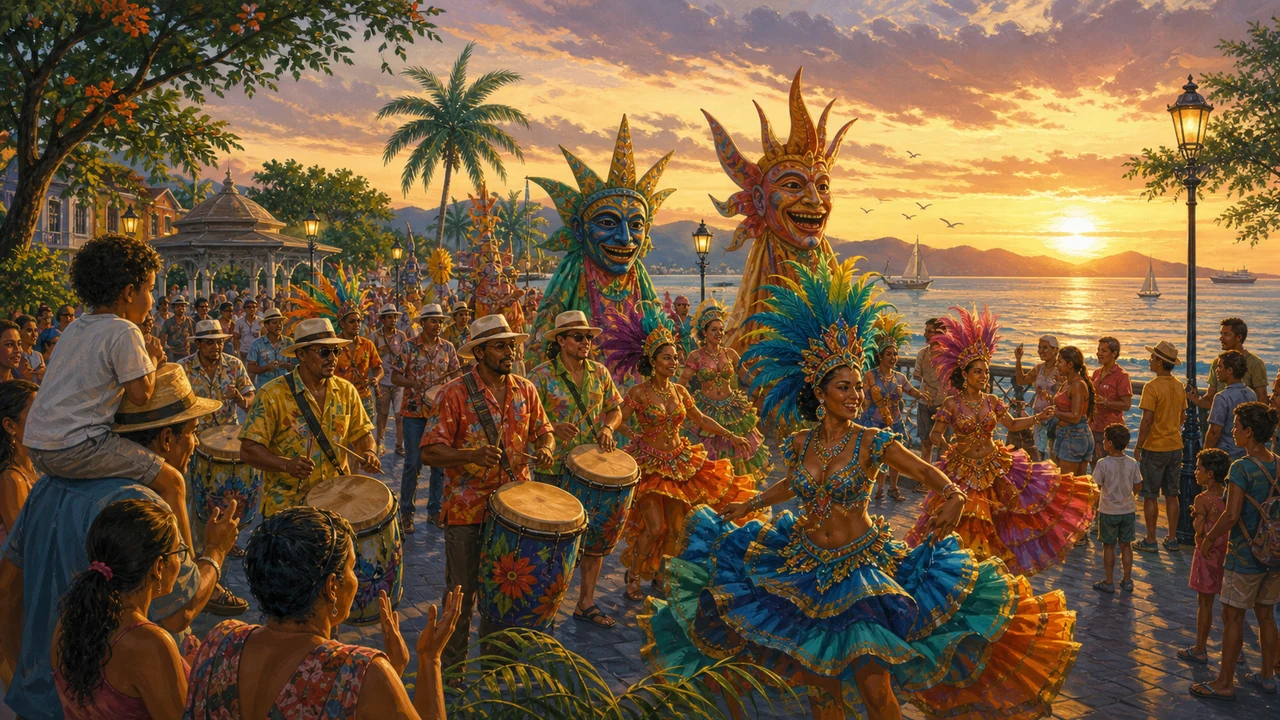
Yet the city was never truly abandoned. Its role as a working port continued, and cruise lines from around the world began calling at Puntarenas, introducing the town to international visitors who often had only half a day to take in its character. The Paseo de los Turistas — a long boardwalk stretching along the gulf side of the peninsula — became a focal point for both locals and visitors, lined with seafood stalls, coconut vendors, and the unhurried rhythm of provincial Costa Rican life.
In recent decades, Puntarenas has undergone a gradual revival. Investment in the waterfront, improved ferry connections to the Nicoya Peninsula, and renewed interest in Costa Rica ecotourism & nature have brought new attention to what the city offers: an authentic slice of Pacific coast history that most beach-hopping visitors never take the time to explore.
What Remains to See and Experience
Modern Puntarenas rewards curious visitors who look beyond the boardwalk ice cream shops. Several historical and cultural landmarks are worth seeking out:
- Puntarenas Marine Museum — housed in the old city jail, it documents the city’s maritime history through exhibits on fishing traditions, navigation, and the natural life of the Gulf of Nicoya.
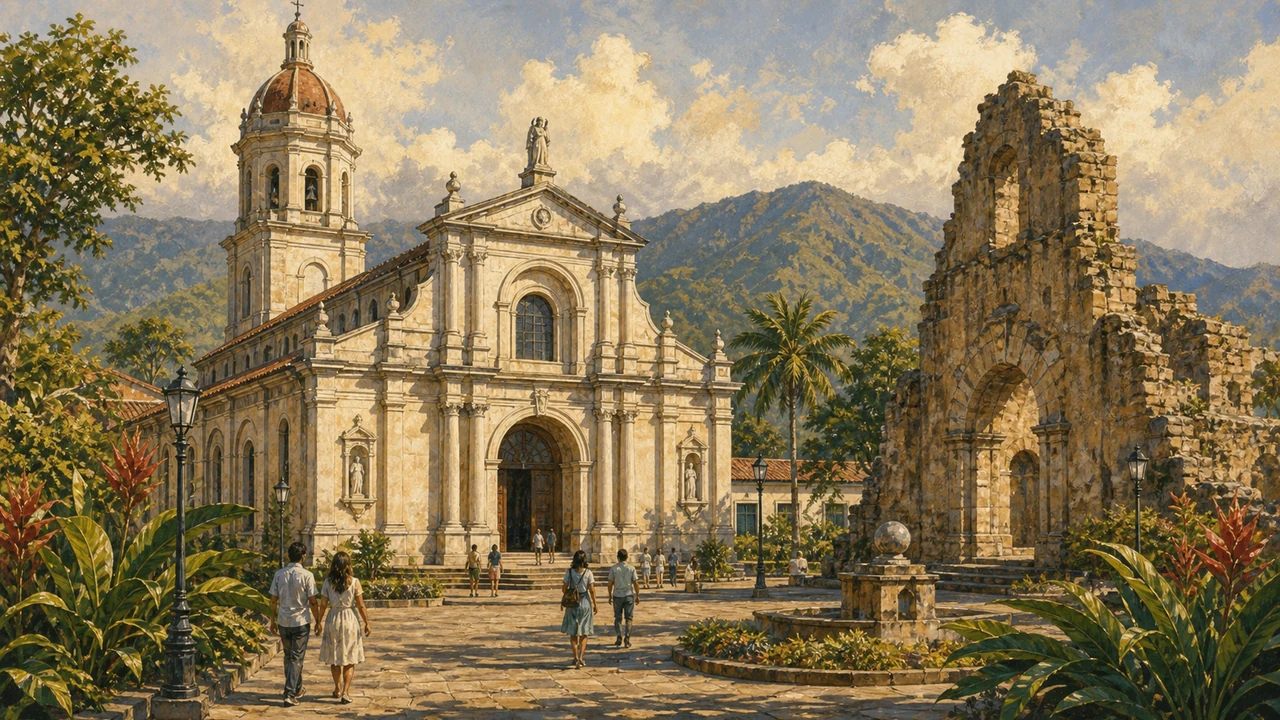
- Cathedral of Our Lady of Mount Carmel — the city’s main church, a colonial-era structure that anchors the historic center and reflects the architectural traditions of Costa Rica’s early Spanish settlements.
- The Paseo de los Turistas — while it functions today as a leisure promenade, the boardwalk runs along what was once a working waterfront, and the views across the gulf toward the Nicoya Peninsula are genuinely beautiful.
- Gulf of Nicoya ferry terminal — from here, ferries connect to Paquera and Naranjo on the Nicoya Peninsula, making Puntarenas a practical gateway for travelers heading to Costa Rica’s national parks and wildlife refuges on the peninsula.
The city is also a hub for Gulf of Nicoya sport fishing and boat tours, with access to some excellent offshore fishing grounds. Day trips to the islands of the gulf — including Tortuga Island — depart from the Puntarenas docks regularly.
Puntarenas in the Context of Costa Rican History
Understanding Puntarenas helps illuminate a broader arc of Costa Rican history that is easy to miss when visiting only the country’s modern ecotourism destinations. Costa Rica developed as a nation in large part through its agricultural exports, and those exports moved through ports. The story of how coffee wealth built the country’s infrastructure — roads, railroads, civic buildings — is inseparable from the story of Puntarenas.
The province of Puntarenas today is one of Costa Rica’s largest, stretching along the entire Pacific coast and encompassing some of the country’s most diverse ecosystems, from the Nicoya Peninsula mangroves to the remote rainforests of the Osa Peninsula near Corcovado National Park. The port city that anchors the province is a natural starting point for travelers curious about what came before the national parks and eco-lodges — the colonial-era trading networks and port culture that shaped a nation.
Visitors interested in the intersection of history, culture, and Pacific coastline will find that Puntarenas offers something most seaside destinations do not: a genuine sense of place accumulated over centuries. For more context on what makes this country distinctive, see why visit Costa Rica and consult our Costa Rica travel tips before your trip.
Frequently asked questions
Why is Puntarenas considered one of Costa Rica's earliest important settlements?
Puntarenas was one of the first towns to develop significant economic activity on Costa Rica's Pacific coast. Its natural harbor made it the country's principal port during the colonial and early republican eras, and it became a critical gateway for trade — especially coffee exports — long before road networks connected the interior to the sea.
What does the name Puntarenas mean?
Puntarenas translates literally as 'sand point' in Spanish, a reference to the narrow sandy peninsula on which the town is built. The geography that gave the town its name also made it a natural harbor, ideal for the fishing vessels and trade ships that defined its early economy.
How did the railroad shape Puntarenas's history?
The construction of a railroad connecting Puntarenas to Esparza in the 1880s was a turning point for the town. By 1910, the line extended to the Central Valley and San José, transforming Puntarenas into the country's primary port for exporting coffee and importing goods from Europe and North America.
Can visitors still see historical sites in Puntarenas today?
Yes. The Puntarenas Marine Museum occupies the old city jail and offers exhibits on local maritime history. The historic church and the iconic Paseo de los Turistas boardwalk are among the architectural and cultural landmarks that reflect the town's colonial and early-modern heritage.
Is Puntarenas worth visiting today?
Absolutely. Beyond its historical significance, Puntarenas is a gateway to the Gulf of Nicoya islands, sport fishing, and ferry connections to the Nicoya Peninsula. Its boardwalk, seafood restaurants, and relaxed atmosphere make it a worthwhile stop for visitors exploring the Central Pacific coast.