Bruno Stagno: Costa Rica's Tropical Architecture Pioneer
Bruno Stagno is one of the most influential architects in Costa Rican history, spending decades developing a bioclimatic design philosophy tailored to the humid tropics that has reshaped how builders and planners across the region think about climate, materials, and comfort.
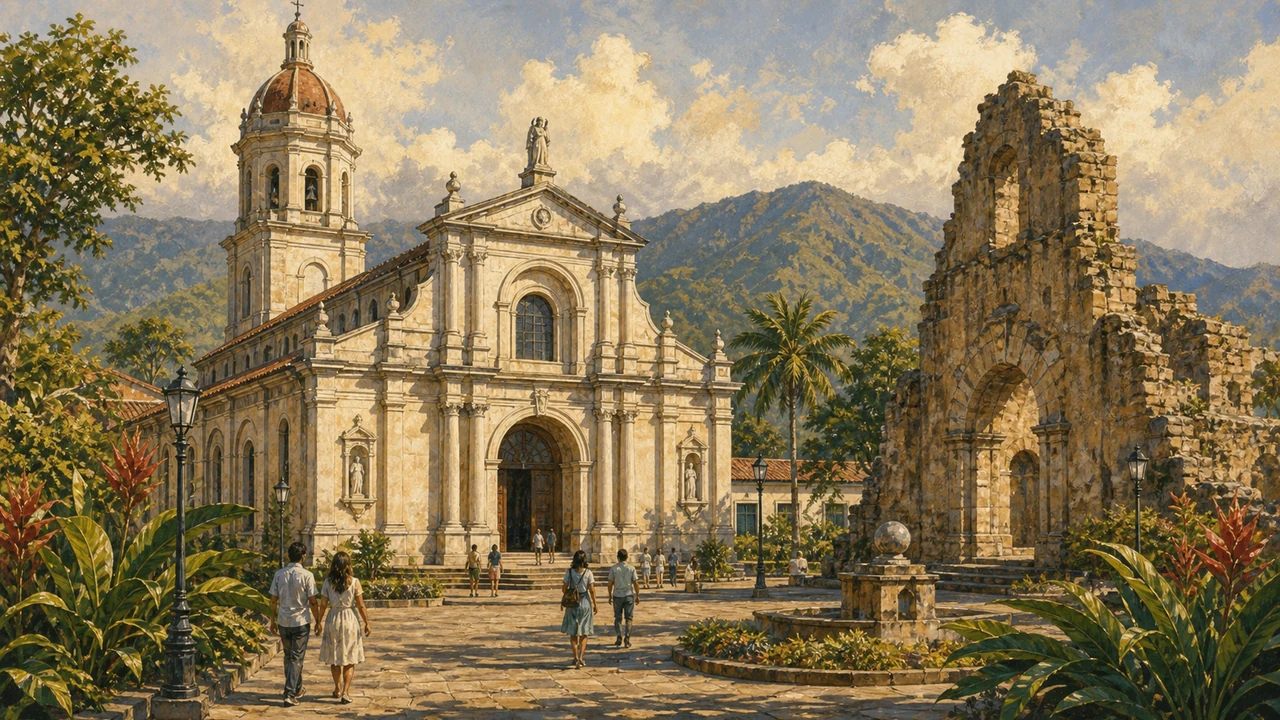
Costa Rica presents a singular challenge for designers: a country where lush biodiversity, dramatic topography, and a tropical climate collide with rapid urban growth. Stagno met that challenge head-on, insisting that buildings should work with the environment rather than fight it. His approach — rooted in observation of wind patterns, seasonal rainfall, solar angles, and local materials — produced structures that are both functional and deeply rooted in place.
A Philosophy Born from the Tropics
Stagno’s core argument is simple but radical in its implications: the humid tropical belt, where most of the world’s population growth is concentrated, does not need to copy temperate-climate building methods. Sealing interiors and running energy-hungry air conditioning around the clock is neither necessary nor desirable in places like Costa Rica, where thoughtful orientation, generous roof overhangs, and natural cross-ventilation can maintain comfort year-round.
He draws inspiration from historical precedent — the colonial courtyards, deep verandas, and breeze-catching louvers that once made tropical buildings livable before electricity — and synthesizes those lessons with contemporary structural knowledge. The result is an architecture of frugality in the best sense: doing more with less, without sacrificing quality or beauty.
His guiding principle, often quoted, captures it well: frugality without being poor, austerity without being miserable, richness in the elementary.
Designing with Wind, Rain, and Sun
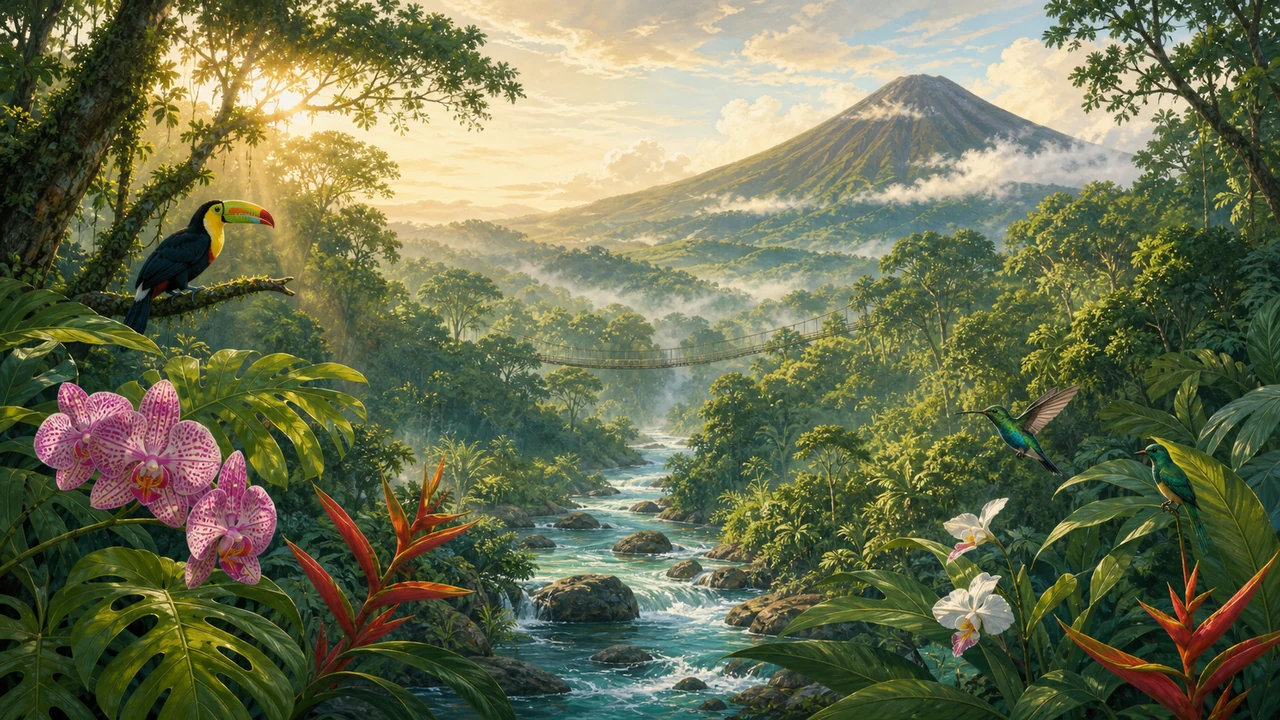
In practice, Stagno’s tropical design principles translate into a set of deliberate choices: buildings positioned to catch prevailing breezes, facades articulated to create shade and reduce solar heat gain, roof forms that manage heavy rainfall while allowing air movement, and materials sourced to reflect rather than absorb heat. Interior layouts encourage natural air circulation, eliminating the need for mechanical cooling in many cases.
This approach aligns naturally with the LEED framework — the internationally recognized standard for energy efficiency and environmental design — which Stagno has referenced throughout his career. But his philosophy predates and transcends any certification system. It is fundamentally about designing for where you are, not importing a solution developed for a different climate.
With more than 40 completed projects in Costa Rica — schools, banks, commercial buildings, and private residences — Stagno has demonstrated that sustainable tropical architecture in Costa Rica is not a niche specialty but a viable and repeatable practice across building types and budgets.
Influence on Costa Rica’s Built Environment
Costa Rica’s global reputation for environmental leadership — the country protects over 25% of its territory as national parks and protected areas — extends naturally into its architecture, and Stagno has been a key figure in articulating what that should mean in the built environment.
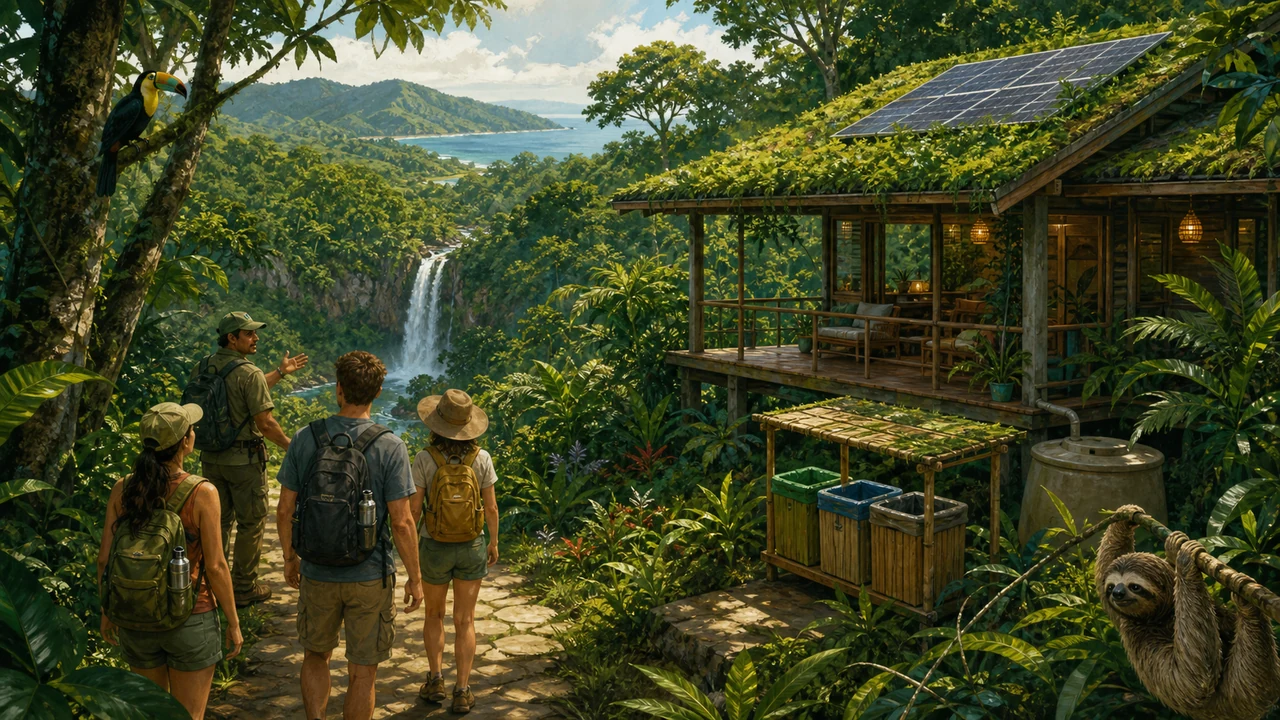
His influence is visible not only in the buildings he designed directly but in the generations of Costa Rican architects and construction professionals who trained under his ideas. As ecotourism grew into a pillar of the national economy, demand for lodges, hotels, and visitor centers that honestly reflect the country’s environmental values also grew. Stagno’s framework provided a credible design language for that demand.
The architect has also taken his expertise beyond Costa Rica’s borders, lecturing to students and professionals around the world about the potential of climate-responsive architecture in developing tropical nations. His message is that the countries currently experiencing the fastest urban growth — many of them in the tropical belt — have the most to gain from rejecting energy-intensive building models imported from colder climates.
Materials, Local Identity, and the Landscape
A recurring theme in Stagno’s work is the relationship between building materials and the landscapes they inhabit. His structures do not compete with their surroundings; they seem placed, as he has described it, as mirrors in which trees, flowering vines, and sky can see themselves reflected.
This sensitivity to place connects to something broader in Costa Rican culture: a long tradition of valuing the natural world as central to national identity. The country abolished its army in 1948 and redirected resources toward education and conservation — a decision that shaped the social and environmental ethic that architects like Stagno have translated into physical form.
Choosing materials that age gracefully in a humid climate, avoiding finishes that require constant maintenance, and designing spaces that invite natural light without generating glare are all expressions of the same underlying value: building for the long term, in harmony with the place.
Stagno’s Legacy and Sustainable Tourism
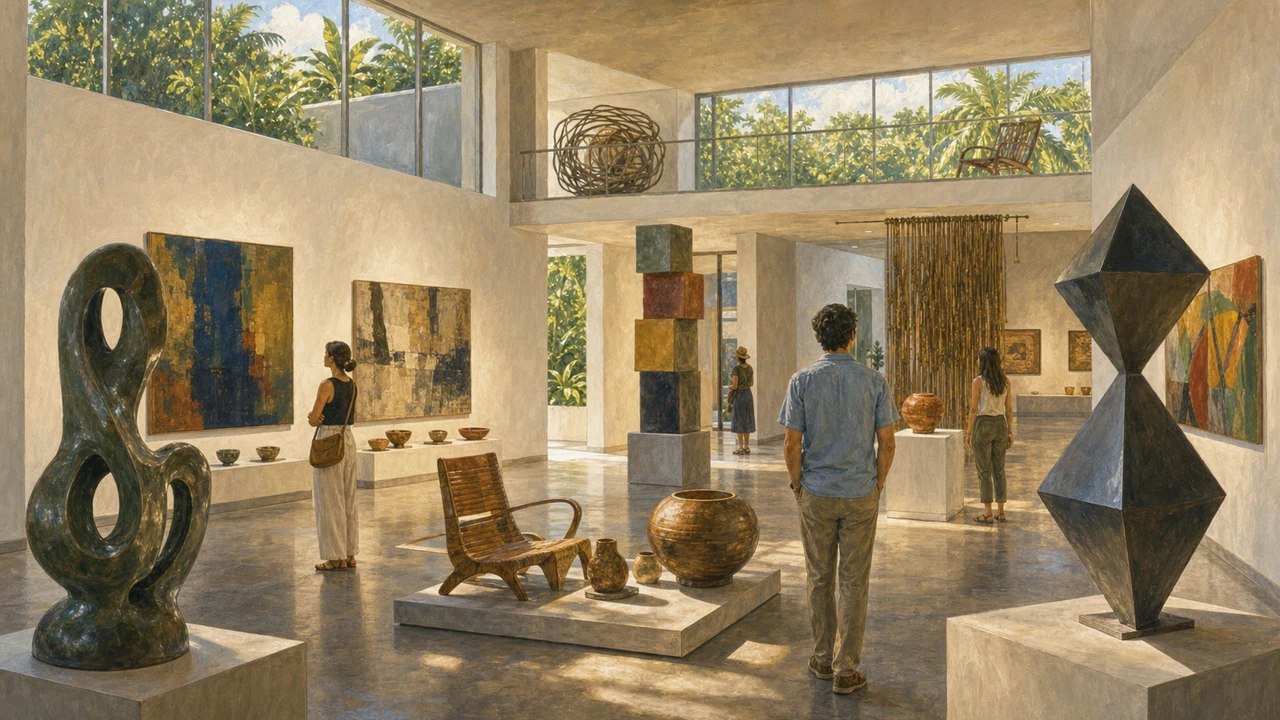
The link between bioclimatic architecture and sustainable tourism is direct. Visitors drawn to Costa Rica by its ecological credentials increasingly expect the places where they stay and the spaces they move through to reflect those same values. A hotel or lodge that relies on heavy mechanical systems, imported materials, and sealed interiors sends a contradictory message in a country that markets itself on natural authenticity.
Stagno’s work helped establish that a different approach is not only possible but architecturally compelling. Buildings designed for the tropics — open, shaded, ventilated, grounded in local materials — offer an experience of place that conventional international-style construction cannot replicate. That experiential quality has real value for sustainable tourism in Costa Rica.
Beyond tourism, the principles apply equally to schools, clinics, housing, and commercial centers. Costa Rica’s urban areas, including Greater San José, face ongoing pressures of growth and densification. How that growth is shaped — whether it doubles down on energy-dependent construction or applies bioclimatic intelligence — will have consequences for the country’s carbon footprint and its quality of life for decades to come.
Bruno Stagno’s career is an argument, made in concrete and timber and light, that there is a better way — one that starts by taking the tropical climate seriously as a design resource rather than treating it as an obstacle to overcome.
For more on Costa Rica’s culture, identity, and why this country continues to attract visitors from around the world, explore the rest of our guides to Costa Rica art and culture and ecotourism.
Frequently asked questions
Who is Bruno Stagno?
Bruno Stagno is a Costa Rica-based architect widely recognized as a pioneer of bioclimatic and tropical architecture in Central America. He has designed more than 40 buildings in Costa Rica, including schools, banks, commercial centers, and residences, always prioritizing harmony with the local climate and environment.
What is bioclimatic architecture?
Bioclimatic architecture is a design approach that uses climate, site orientation, natural ventilation, and local materials to create comfortable buildings without relying on mechanical systems. In the tropics, this means maximizing shade and airflow while minimizing heat gain — reducing energy use and environmental impact.
How does tropical architecture differ from conventional design?
Conventional architecture often relies on air conditioning and sealed interiors, which consume significant energy in humid tropical zones. Tropical architecture works with prevailing winds, roof overhangs, shading, and natural materials to maintain comfort passively — an approach that aligns perfectly with Costa Rica's sustainability goals.
What influence has Bruno Stagno had on sustainable tourism in Costa Rica?
Stagno's design philosophy has influenced a generation of Costa Rican architects and developers who apply bioclimatic principles to lodges, hotels, and community spaces. Buildings that blend into the landscape and avoid heavy mechanical systems support the low-impact ethos central to Costa Rica's ecotourism identity.
How does Costa Rica's climate shape its architecture?
Costa Rica's dual seasons — a dry season and a long rainy season — combined with high humidity and strong solar radiation demand buildings that offer shade, cross-ventilation, and rain protection. The country's altitude variation, from sea level beaches to cloud-forest highlands, also creates diverse microclimates that call for regionally adapted design solutions.