Jade: Gem of the Gods — Costa Rica's Pre-Columbian Treasure
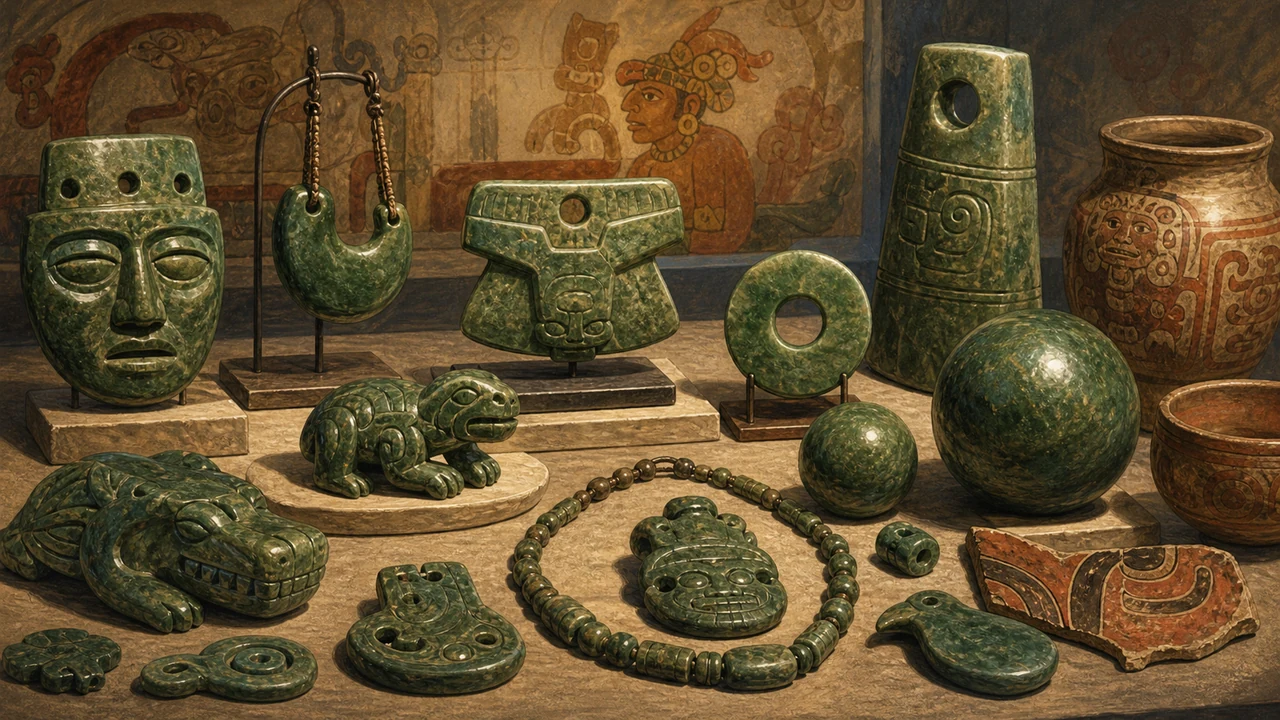 Costa Rica’s pre-Columbian jade tradition is one of the most remarkable in the ancient Americas — a thousand-year legacy of sacred stone-working that outlasted empires and still radiates an otherworldly power in museum cases today. Long before Spanish sails appeared on the horizon, jade was the supreme symbol of divine favor, political authority, and cosmic connection across the indigenous cultures that called this land home.
Jade as Sacred Symbol: More Than a Gemstone
To the ancient peoples of Costa Rica, jade was not simply a beautiful stone. Its deep green color linked it directly to the forces that sustained life — water, vegetation, and the sun’s nurturing warmth. Indigenous cultures believed that jade literally contained these forces within it, making the stone a vessel for the sacred rather than a mere ornament.
This belief elevated jade far above gold or any other material. Jade’s association with water and agricultural abundance meant it was thought to ensure fertility, health, and divine protection. Wearing jade was not a fashion choice — it was a spiritual declaration, a sign that the wearer stood at the intersection of the human and divine worlds.
The cult of jade as the “gem of the gods” traces its origins in this region to around 500 B.C., when jade-working emerged as a highly specialized and deeply ritualized craft. The tradition flourished for well over a millennium, leaving behind thousands of objects that archaeologists and historians continue to study.
Axe-God Pendants and the Art of Ancient Carvers
 The most iconic objects to emerge from Costa Rica’s ancient jade-carving tradition are the axe-god pendants — small masterworks that merge a human or deity face with a bird body and a flattened, blade-shaped base. The design is instantly recognizable and appears across a broad geographic range, from Costa Rica north into Nicaragua and Honduras, reflecting the wide cultural networks that linked Mesoamerica and lower Central America in antiquity.
Axe-god figures are believed to represent supernatural beings who mediated between the human world and the powerful forces of nature. Their bird associations connected them to the sky and to shamanic flight — the spiritual journey that healers and leaders undertook to communicate with gods and ancestors.
Beyond axe-god pendants, ancient artisans transformed jade into:
- Carved pendants depicting shamans, ancestors, and protective animal spirits
- Earrings and ear spools worn to signal elite rank
- Nose ornaments that marked religious authority
- Zoomorphic figures — jaguars, crocodilians, and birds — each carrying layered symbolic meaning
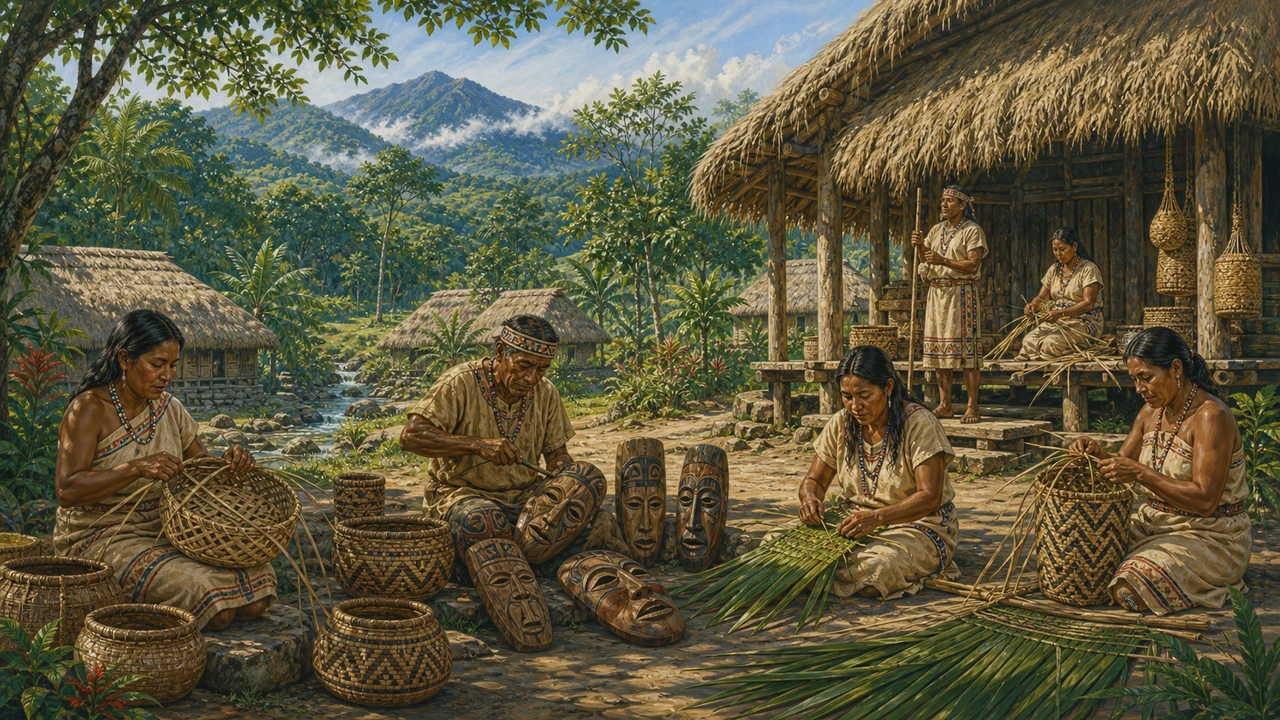
The technical skill required to shape nephrite and other hard jadite-like stones using only stone tools, cord, and abrasives was extraordinary. Each piece represents not just artistry but deep knowledge of the stone’s properties and the iconographic vocabulary of the age.
From Sacred Object to Funeral Offering
 Jade jewels occupied a central place in the ritual life of pre-Columbian societies in Costa Rica, and nowhere was this more visible than in funerary practices. Custom dictated that jade objects be interred with the deceased — a practice grounded in the belief that these sacred stones would serve the departed spirit in the afterlife just as they had in life.
This burial tradition is why so many jade pieces have survived intact to the present day. Sealed in tombs and protected by the earth, they outlasted the perishable materials — wood, textiles, feathers — that accompanied them, giving archaeologists a vivid if partial window into ancient ceremonial life.
Jade was also used in curative healing ceremonies for close to a thousand years. Healers employed the stones in rituals intended to restore balance between the human body and the natural forces believed to govern health and illness. The gem’s perceived life-giving properties made it the logical tool for such work.
The fame of Costa Rican jade extended well beyond its borders. Jade artifacts were among the gifts that the Aztec emperor Moctezuma presented to Hernán Cortés in the early sixteenth century — evidence that the stone’s prestige had traveled north through indigenous trade networks and into the consciousness of Mesoamerica’s greatest empire.
The Jade Museum (Museo del Jade) in San José
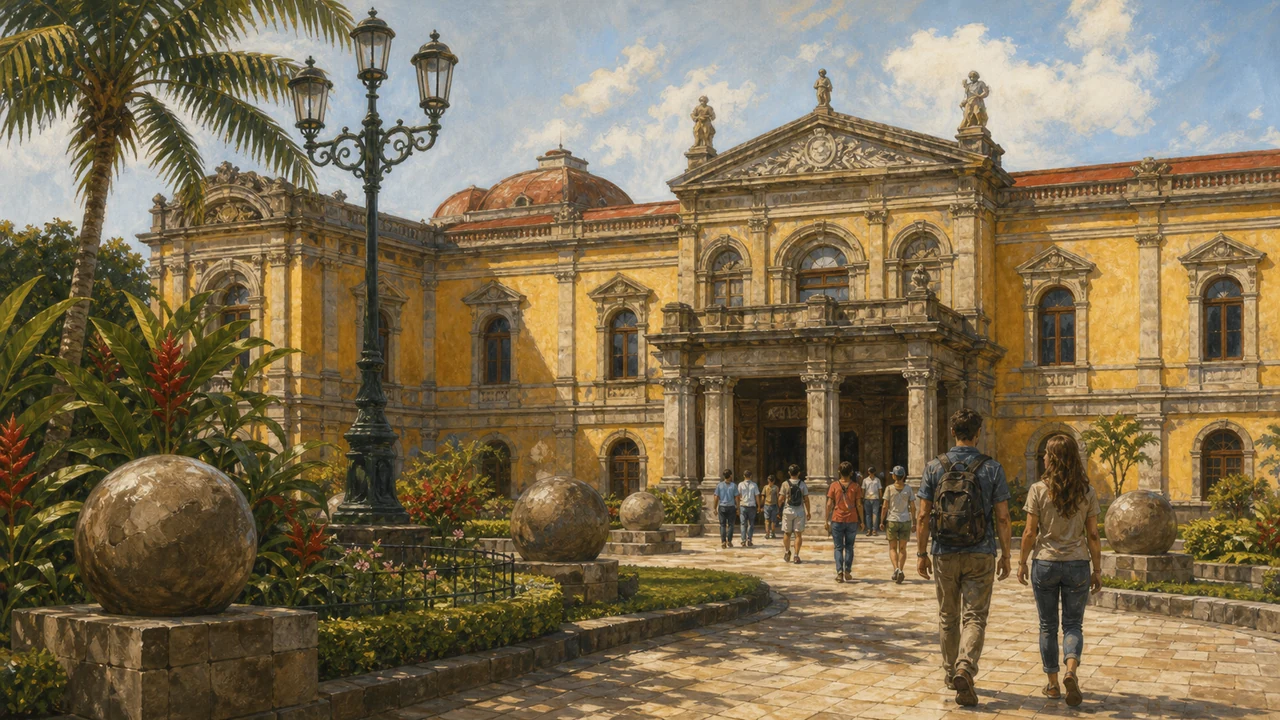 For visitors to San José, the Museo del Jade is an essential stop — and genuinely one of the most remarkable museums in the Western Hemisphere. It houses one of the largest collections of American pre-Columbian jade anywhere in the world, with thousands of pieces spanning the full arc of the jade-working tradition, from early utilitarian forms to the most sophisticated ceremonial objects.
Visitors following older Jade Museum links are in the right place. This page preserves the original museum intent while adding the cultural background that makes the collection meaningful: why jade mattered before gold, how axe-god pendants expressed power and spirituality, and how San José’s museum cluster helps travelers understand Costa Rica’s pre-Columbian past in a single cultural day.
The museum’s permanent collection includes axe-god pendants, carved figures, jewelry, and a wide array of ritual objects that together tell the story of how jade shaped the spiritual and political life of ancient Costa Rica. Many pieces are accompanied by context that explains the archaeological sites where they were found and what is known about the cultures that produced them.
Walking through the galleries, the cumulative effect is striking. These objects were not made for display — they were made to be worn, to be handled in ceremony, to be buried with the dead. Seeing them under glass, centuries removed from their original context, carries a quiet power that no photograph fully conveys.
The Jade Museum is located in San José near the Plaza de la Democracia, within easy walking distance of the Gold Museum (Museo del Oro Precolombino). Visiting both in the same day is highly recommended — together they offer a comprehensive portrait of pre-Columbian artistic achievement in this region.
Planning Your Visit: Practical Notes
San José is the natural base for museum visits. Juan Santamaría International Airport (SJO) in nearby Alajuela is the main gateway, with direct flights from across North America and Europe. The city center, where both the Jade Museum and Gold Museum are located, is compact and walkable.
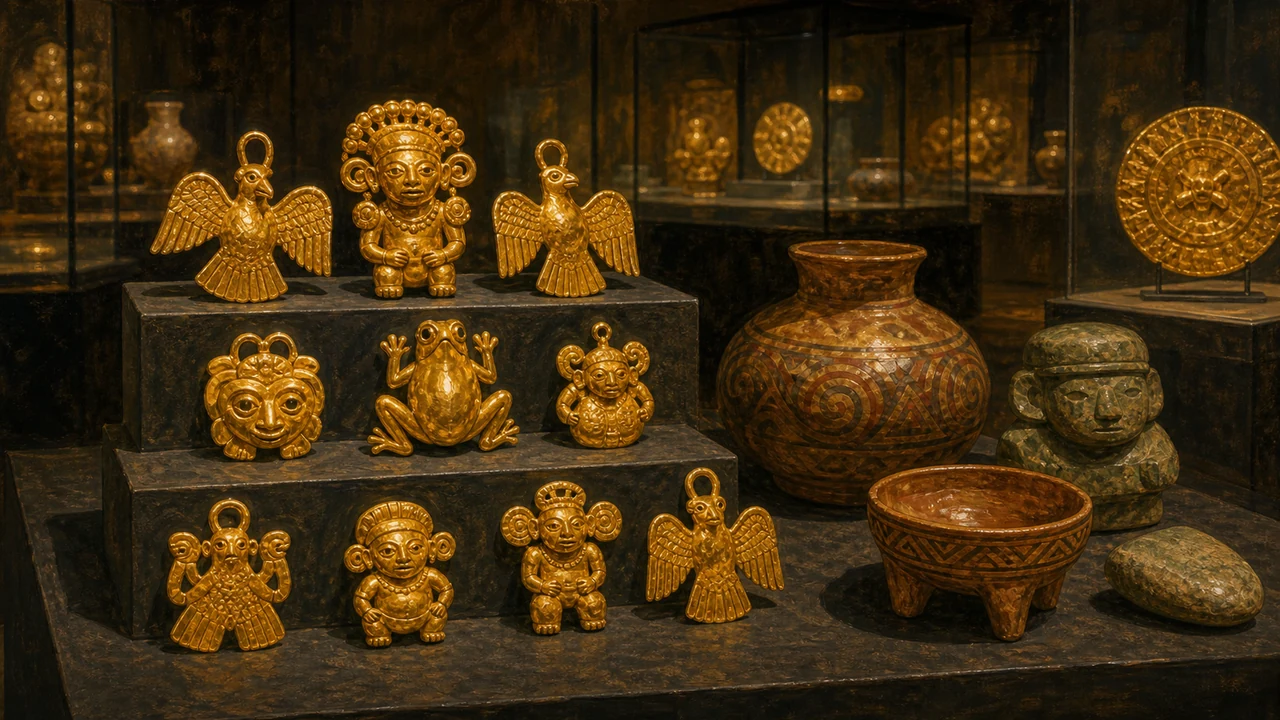
For travelers building a broader cultural itinerary, the jade collection pairs well with a visit to Guaitil in Guanacaste, where contemporary indigenous potters continue pre-Columbian ceramic traditions, and with the art and culture offerings scattered across the capital. The pre-Columbian gold tradition explored at the Gold Museum is a natural companion to jade — two faces of the same ancient sacred world.
Costa Rica’s art and culture scene reaches far beyond the museums, but the Jade Museum stands apart as a place where the distance between the present and a civilization a thousand years gone collapses completely. The stones themselves do the talking.
Frequently asked questions
Where can I see pre-Columbian jade in Costa Rica?
The Museo del Jade (Jade Museum) in San José holds one of the largest collections of American jade in the world. It is located near the Plaza de la Democracia in the city center and is easily reached from most central hotels.
Why was jade so important to ancient Costa Rican cultures?
Indigenous peoples associated jade's green color with water, vegetation, and life itself. The stone was believed to contain the forces of nature, granting it sacred status. Only rulers, priests, and high-ranking individuals were permitted to wear it.
What are axe-god pendants?
Axe-god pendants are among the most iconic pre-Columbian jade objects found in Costa Rica. They combine a human face with a bird or deity body and a blade-like base, believed to represent powerful supernatural beings who mediated between humans and the natural world.
How old are the jade artifacts at the museum?
Most of the jade pieces in the museum date from roughly 500 B.C. to 700 A.D., spanning the period when jade-working culture flourished across Costa Rica and into present-day Nicaragua and Honduras.
Is the Jade Museum worth visiting alongside the Gold Museum?
Absolutely — the two museums complement each other perfectly. The Gold Museum (Museo del Oro Precolombino), located a short walk away beneath the Plaza de la Cultura, focuses on pre-Columbian goldwork. Together they form an unrivaled window into the spiritual and artistic life of Costa Rica's ancient peoples.
Is this the same as the Jade Museum page?
Yes. Older links may refer to this destination simply as the Jade Museum. This guide explains both the Museo del Jade in San José and the broader pre-Columbian jade tradition that makes the collection important.