Costa Rica - Art and Culture
Costa Rica Art and Culture
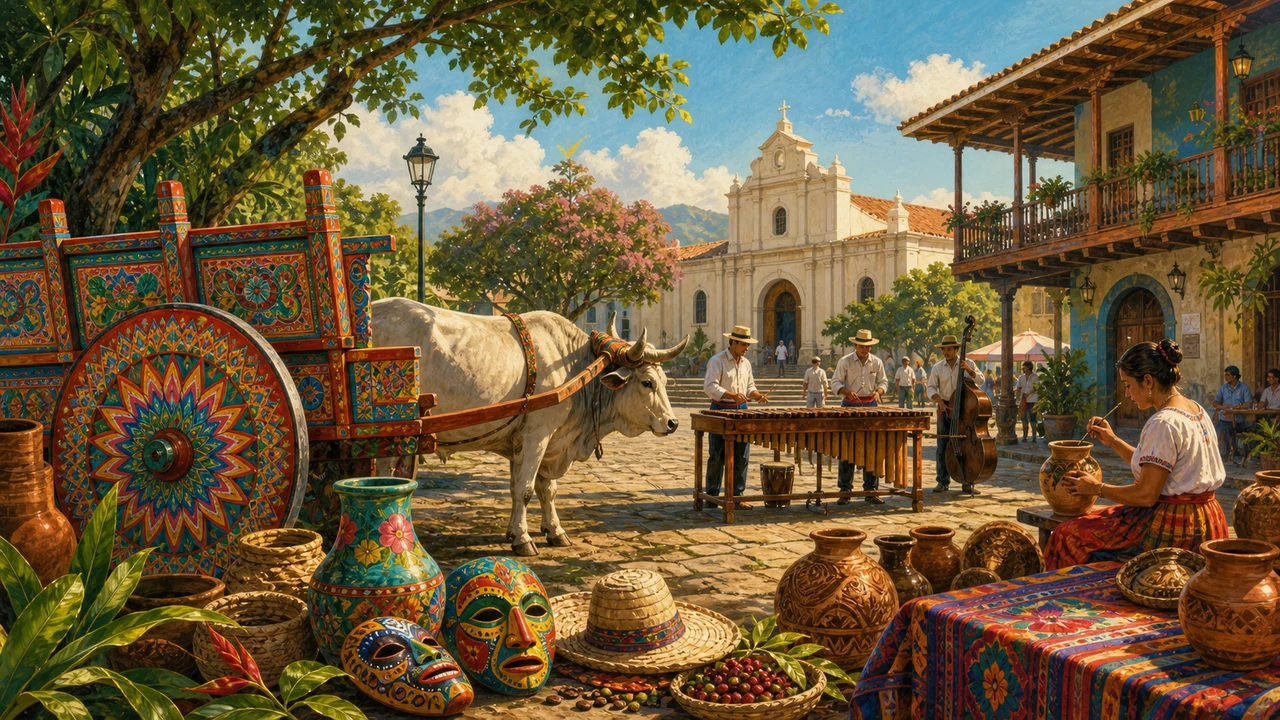
Costa Rican culture is in many ways a reflection of its racial diversity. The predominant influence has long been European, which is reflected in everything from the official language (Spanish) to the architecture of the country’s churches and other historic buildings. The indigenous influence is less visible, but can be found in everything from the tortillas that make part of a typical Costa Rican meal, to the handmade ceramics sold at roadside stands.
An important aspect of Costa Rica’s cultural legacy is their love for peace and democracy. The Ticos like to stand out that their nation is the exception in Latin America, where military dictatorships have long dominated politics. They take pride in having more than one hundred years of democratic tradition, and almost half a century without an army. The army was abolished in 1948, and the money the country saves by not expending in military issues is invested in improving the Costa Ricans’ standard of living, which has fostered a culture of social peace that makes it such a pleasant place to visit.
“Ticos,” as Costa Ricans are generally known, are a mixture of cultures. Even though many Costa Ricans are descendants of Spanish immigrants, these exists a great variety of ethnic influences in this small country. most people are mestizo, a mixture of European and indigenous roots. On the Caribbean coast, an important part of the populations has African roots.
The figure of the sabanero, the Spanish cowboy, is typical of Guanacaste, and nearly 2 percent of the national population come from indigenous groups, including Cabecar, Bribri, Boruca or Brunca, Teribe, Guaym� or Ngabe, Huetar, Chorotega and Maleku. These cultures offer a spectacular array of traditions, customs, celebrations, cuisine and art.
- Costa Rica Art and Folklore ( 25 items )
- Costa Rica Cultural Heritage ( 6 items )
- Costa Rican Traditions ( 4 items )
- Costa Rica History ( 9 items )
- Costa Rica Literature ( 4 items )
- Costa Rica Music and Dance ( 11 items )
- Costa Rica Photography ( 7 items )
- Costa Rica Museums ( 13 items )
- Costa Rica Building and Architecture ( 10 items )
- Costa Rica Food and Cuisine ( 27 items )
- Costa Rica Beverages ( 2 items )
Costa Rica Art and Costa Rica Culture Guide
Costa Rica Art and Costa Rica Culture are understood as experiences rather than isolated museum pieces. The country’s creative identity is shaped by Indigenous traditions, Spanish colonial influence, Afro-Caribbean heritage, rural life, democratic values, tropical landscapes, and contemporary urban expression. Visitors encounter culture in painted oxcarts, pre-Columbian gold, jade, masks, marimba music, folk dance, theater, church architecture, coffee towns, market food, literary voices, and the everyday warmth of pura vida.
What makes Costa Rica Culture unique?
Costa Rica Culture is unique because it blends peace, biodiversity, education, family life, and regional heritage into a national identity that feels both relaxed and deeply proud. The country abolished its army in 1948 and has long invested in education, health, and civic institutions. That decision became part of how Costa Ricans describe themselves: peaceful, democratic, social, and community minded. Cultural life reflects this self-image through public celebrations, school bands, neighborhood festivals, religious observances, traditional food, and respect for nature.
Regional variety matters. Guanacaste is known for sabanero traditions, cattle ranching heritage, marimba, bombas, folk dancing, and colorful fiestas. The Caribbean coast adds Afro-Caribbean rhythms, calypso, English Creole influences, coconut-based cuisine, and a distinctive coastal worldview. The Central Valley concentrates museums, theaters, universities, publishing houses, historic neighborhoods, and government institutions. Indigenous communities such as the Bribri, Cabecar, Boruca, Maleku, Chorotega, Ngabe, Teribe, and Huetar preserve languages, crafts, cosmologies, ceremonies, and artistic traditions that predate the modern republic.
Where can visitors experience Costa Rica Art?
Visitors can experience Costa Rica Art in San Jose museums, regional galleries, artisan towns, cultural centers, markets, festivals, and open-air public spaces. The Costa Rican Art Museum, the Museum of Contemporary Art and Design, the National Museum, the Jade Museum, the Pre-Columbian Gold Museum, and the National Theater are important stops for understanding the country’s visual and architectural heritage. They help travelers connect ancient objects, colonial history, republican identity, and modern creativity.
Outside the capital, art becomes more intimate. Sarchi is famous for painted oxcarts and woodworking. Boruca communities are known for carved masks, especially those connected with the Juego de los Diablitos. Guaitil and San Vicente de Nicoya are associated with Chorotega ceramic traditions. Beach towns and mountain villages often host galleries, craft shops, music nights, and small cultural events where visitors can meet artists directly. These encounters give Costa Rica Art a human scale. Buying a mask, ceramic, textile, print, or carved object from its maker supports local culture and keeps traditional knowledge active.
How do history and folklore shape Costa Rican identity?
History and folklore give Costa Rican identity its symbols, stories, and shared memory. Pre-Columbian societies left stone spheres, jade objects, ceramics, metates, gold pieces, burial sites, and settlement patterns that still influence how the country explains its origins. Spanish colonization introduced Catholic traditions, town plazas, churches, patron saint celebrations, and architectural forms. Later, coffee wealth helped shape the Central Valley, including theaters, schools, urban houses, and civic buildings.
Folklore adds the emotional texture. Legends such as La Llorona, the Cadejos, the Segua, and local ghost stories are part of popular imagination. Traditional dances, masquerades, oxherd culture, processions, Independence Day lanterns, and village fiestas turn history into performance. Costa Rica Culture is also carried through food: gallo pinto, tamales, casados, tortillas, pejibaye, chifrijo, Caribbean rice and beans, cacao, coffee, and tropical fruits. For travelers, these details create a deeper sense of place than scenery alone.
Why are music, dance, and literature important in Costa Rica?
Music, dance, and literature reveal the emotional range of Costa Rica Culture. Marimba and folk dance represent rural and regional pride, especially in Guanacaste. Calypso from Limon speaks to Caribbean history, migration, work, humor, and resistance. Classical music, choirs, jazz, rock, trova, and contemporary fusion show how Costa Rican artists move between tradition and experimentation. Festivals, bars, theaters, schools, churches, and public events all help keep music visible.
Literature gives another view of national life. Costa Rican writers have explored rural communities, politics, social change, childhood, identity, and the tension between idealized peace and real social complexity. Poetry, theater, essays, short stories, and novels help visitors understand the country’s inner life. A traveler who reads local authors, attends a performance, or visits a bookstore will find a richer Costa Rica than one seen only through beaches and volcanoes.
How should travelers explore Costa Rica Art and Culture?
The best way to explore Costa Rica Art and Culture is to combine major institutions with everyday experiences. Spend time in San Jose for museums, theaters, markets, architecture, and historic neighborhoods. Add a regional stop such as Sarchi, Cartago, Guaitil, Boruca territory, Guanacaste, or the Caribbean coast. Ask guides and hotel staff about current festivals, concerts, exhibitions, dance events, food fairs, and community celebrations. Cultural calendars change through the year, and small local events often become the most memorable part of a trip.
Travelers should approach culture respectfully. Ask before photographing people, ceremonies, or private workshops. Pay fair prices for handmade work. Learn a few Spanish greetings. Try local food in sodas, markets, and family restaurants. Visit museums with enough time to read labels, not just take photos. When possible, choose tours led by local historians, artists, cooks, musicians, or community members. Their stories create context and make Costa Rica Art more than decoration.
Costa Rica Art and Culture FAQ
What is Costa Rica Art known for? Costa Rica Art is known for pre-Columbian objects, painted oxcarts, Indigenous masks, ceramics, religious art, modern painting, contemporary design, photography, public sculpture, and craft traditions connected to rural and regional identity.
What is the best city for Costa Rica Culture? San Jose is the best starting point for Costa Rica Culture because it has the National Theater, major museums, galleries, markets, universities, historic neighborhoods, restaurants, bookstores, and frequent cultural events.
Can visitors buy authentic Costa Rican art? Yes. Visitors can buy authentic Costa Rican art in galleries, museum shops, artisan towns, markets, community workshops, and directly from artists. Direct purchases are often the best way to support local creators.