Retire in Costa Rica: The Complete Guide for Expats
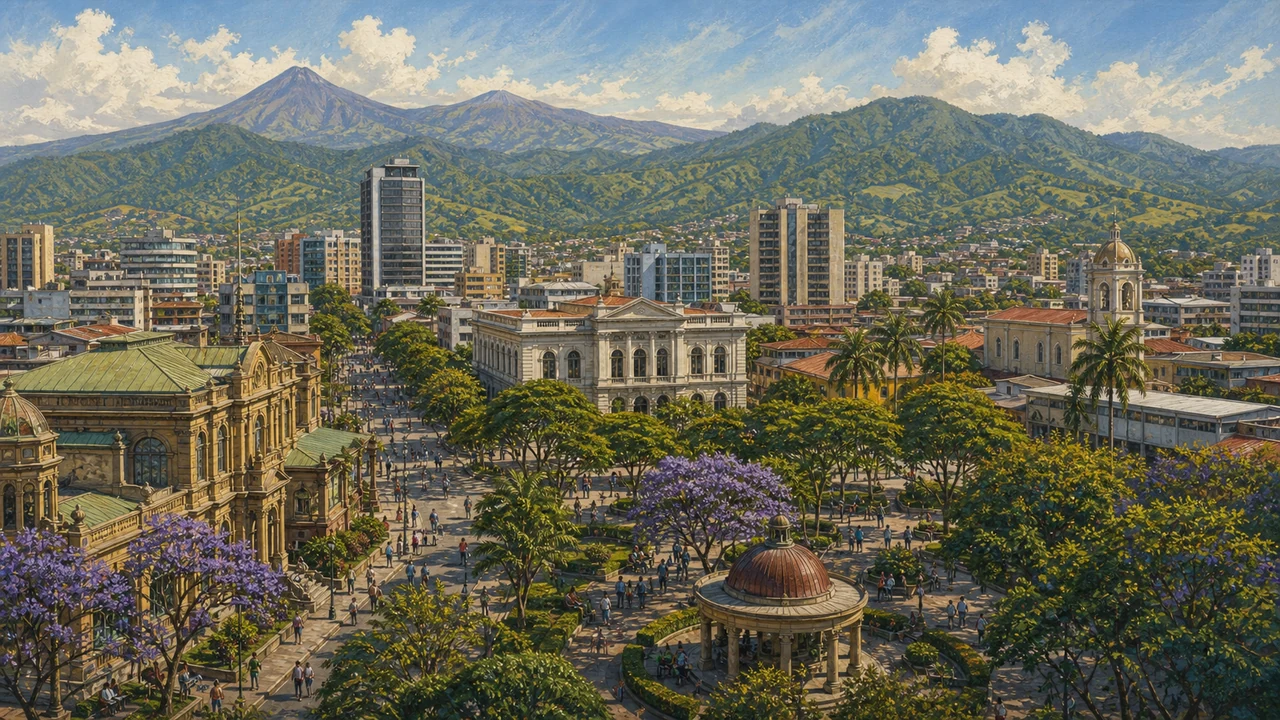 Costa Rica consistently ranks among the best countries in the world to retire abroad, and for good reason: a near-perfect climate, universal healthcare access, a stable democracy, and a welcoming culture make it a natural fit for North American and European retirees. Whether you dream of a hillside home in the cool Central Valley or a beachfront escape on the Pacific, Costa Rica delivers a quality of life that is genuinely hard to match at a comparable cost.
The country abolished its military in 1948 and has maintained democratic governance ever since — the longest unbroken democratic tradition in Latin America. That political stability, combined with a long history of welcoming foreign residents, gives retirees the confidence to put down roots here.
Why Costa Rica Is a Top Retirement Destination
 Several factors combine to make Costa Rica stand apart from other retirement destinations in the Americas.
Climate. The country sits in the tropics but offers tremendous climatic variety. The Central Valley, home to most of the expat population, enjoys a perennial spring — warm days, cool evenings, and two distinct seasons rather than punishing heat. Coastal areas are warmer and more humid, ideal for retirees who want beach life year-round.
Cost of living. While Costa Rica is not the cheapest country in Latin America, the cost of living for retirees in Costa Rica is substantially lower than in the United States, Canada, or most of Western Europe. Local produce, domestic services, and public utilities are inexpensive. Private healthcare — even at internationally accredited facilities — costs a fraction of North American prices.
Healthcare access. Costa Rica’s public healthcare system (known as the CAJA) covers legal residents, and pensionados can enroll after receiving their residency. Equally important is the country’s robust private healthcare sector: internationally trained specialists, modern diagnostic technology, and accredited hospitals are concentrated in the greater San José metropolitan area. The country is a recognized destination for Costa Rica health tourism, including dental work, elective procedures, and specialist consultations at prices that make even a medical trip worthwhile.
Safety and stability. Costa Rica has no army and a culture oriented toward peace — “pura vida” is more than a slogan; it reflects a genuine national ethos. Standard urban precautions apply in larger cities, and you can read more in our Costa Rica safety tips guide.
The Pensionado Residency Program
 The pensionado residency program Costa Rica is the legal pathway most retirees use to establish long-term residency. It is designed specifically for people receiving a qualifying foreign pension — including Social Security, government pensions, or corporate retirement plans — above a minimum monthly threshold set by Costa Rican immigration authorities.
Once granted, pensionado status allows you to:
- Live in Costa Rica indefinitely as a legal resident
- Import personal and household goods duty-free (one-time benefit)
- Enroll in the CAJA public health system
- Open bank accounts and sign contracts as a resident
Pensionados are not permitted to work for a Costa Rican employer, though they may invest in and manage their own businesses. Residency must be renewed periodically, and applicants are expected to spend a minimum number of days per year in-country (verify current requirements with a licensed immigration attorney, as rules are updated).
The application process involves gathering and authenticating documents — birth certificate, marriage certificate if applicable, pension proof, police background checks — then submitting them to the Costa Rican immigration authority (DGME). Hiring a local attorney to manage the process is highly recommended and not expensive by North American standards.
Popular Retirement Areas
 Where you live shapes your daily experience as much as any other factor. Costa Rica offers genuinely distinct lifestyles depending on which region you choose.
Central Valley
The Central Valley is home to the largest concentration of expat retirees in the country. Towns like Atenas, Grecia, Escazú, Santa Ana, and Heredia offer all the conveniences of modern life — international supermarkets, English-speaking doctors, established legal and banking infrastructure, good road connections — within a climate that many retirees consider perfect. Proximity to Juan Santamaría International Airport (SJO) in Alajuela is a practical advantage for people who travel frequently to visit family.
The expat communities in the Central Valley are well established, with English-language social clubs, volunteer organizations, and online groups helping newcomers settle in quickly. San José real estate and surrounding suburbs range from affordable to upscale, offering options for varied budgets.
Guanacaste — The Pacific Coast
Guanacaste is Costa Rica’s premier beach province, with a dry, sunny climate, world-class beaches, and a growing expat infrastructure centered around towns like Tamarindo, Nosara, Flamingo, and the Papagayo Peninsula. The international airport in Liberia (LIR) provides direct connections to major North American cities, making Guanacaste one of the most accessible regions for retirees who want to stay connected to family.
Retiring on the Guanacaste coast suits those who prioritize beach life, outdoor sports, and a more resort-oriented lifestyle. Guanacaste real estate has grown considerably, with gated communities, condominiums, and beachside homes catering specifically to foreign buyers. The Nicoya Peninsula — part of Guanacaste — is designated a Blue Zone, one of the world’s five regions where people consistently live past 100, owing to diet, community, and lifestyle.
Southern Zone
The Southern Zone, centered around Uvita, Dominical, and the Osa Peninsula, attracts retirees who want immersion in nature and a quieter pace. The lush rainforest landscape, whale-watching at Marino Ballena National Park, and a small but tight-knit expat community make this region appealing to those who want to step away from the crowds. Puntarenas real estate covers this region and includes a range of jungle and beachfront properties.
Real Estate and Property Ownership
 Costa Rica allows foreigners to own property outright with the same rights as citizens — a significant advantage compared to many other retirement destinations. Titled land registered in the National Property Registry is the gold standard; always verify title status before purchasing and engage a local attorney for due diligence.
Common options for retirees include single-family homes, gated residential communities (condominiums with common areas and security), and small farms or fincas in rural areas. See our Costa Rica real estate section for detailed regional guides covering Alajuela, Heredia, Cartago, and the coast.
For those interested in the investment angle beyond a primary residence, our investing in Costa Rica guide covers rental income, business ownership, and the broader economic landscape.
Practical Considerations
Banking and finances. Opening a bank account as a new resident can take time. Many retirees maintain accounts in their home country while establishing local banking. The Costa Rican colón is the national currency, though US dollars are widely accepted in tourist and expat areas.
Language. Spanish is the official language. English is widely spoken in tourist areas, private medical facilities, and expat-heavy communities, but learning basic Spanish improves daily life significantly. Language classes and immersion programs are widely available.
Transportation. Most retirees keep a vehicle, as public transportation — while inexpensive — can be slow in rural areas. Roads vary in quality; a four-wheel-drive vehicle is useful outside major urban centers.
Community and lifestyle. Costa Rica’s calendar is rich with festivals, natural spectacles, and active pursuits. The country’s ecotourism and nature scene means world-class birdwatching, whale-watching, hiking, and beach days are part of everyday retired life, not special-occasion trips. Review our travel tips for day-to-day practical guidance.
Retirement here is not about slowing down — it’s about trading commutes and obligations for mornings on a porch overlooking the cloud forest, afternoons at a farmers’ market, and evenings in the company of people who made the same bold choice you’re considering.
Frequently asked questions
What is the pensionado residency program in Costa Rica?
The pensionado program grants legal residency to retirees who can demonstrate a qualifying monthly pension or guaranteed income from a foreign source. Once approved, pensionados receive a residency card, can import household goods duty-free, and are eligible for public healthcare. Check current income thresholds with an immigration attorney, as requirements are updated periodically.
Is Costa Rica affordable for retirees on a fixed income?
Costa Rica offers a wide range of lifestyles. A modest but comfortable retirement is possible for a couple on a moderate fixed income, especially outside the capital. Private healthcare, imported goods, and upscale neighborhoods in San José can raise costs significantly. Most expats find the overall cost of living meaningfully lower than North America or Western Europe.
How is healthcare in Costa Rica for retirees?
Costa Rica has a well-regarded public healthcare system (CAJA) that pensionado residents can access, as well as an excellent network of private clinics and hospitals near San José that cater to international patients. Private care is generally far less expensive than in North America, and medical standards at accredited facilities are high.
Which areas of Costa Rica are most popular with retirees?
The Central Valley (especially Escazú, Santa Ana, Atenas, and Grecia) is the most popular region due to its spring-like climate, infrastructure, and large expat communities. Guanacaste on the Pacific coast draws beach-loving retirees, while the Southern Zone around Uvita and Dominical attracts those seeking a quieter, nature-immersed lifestyle.
Can I own property in Costa Rica as a foreign retiree?
Yes. Costa Rica grants foreigners the same property ownership rights as citizens. Purchasing real estate here is straightforward, though working with a reputable local attorney is strongly recommended. Many retirees combine the pensionado residency application with a home purchase to establish their new life here.