Isla del Coco National Park: The Ultimate Dive Guide
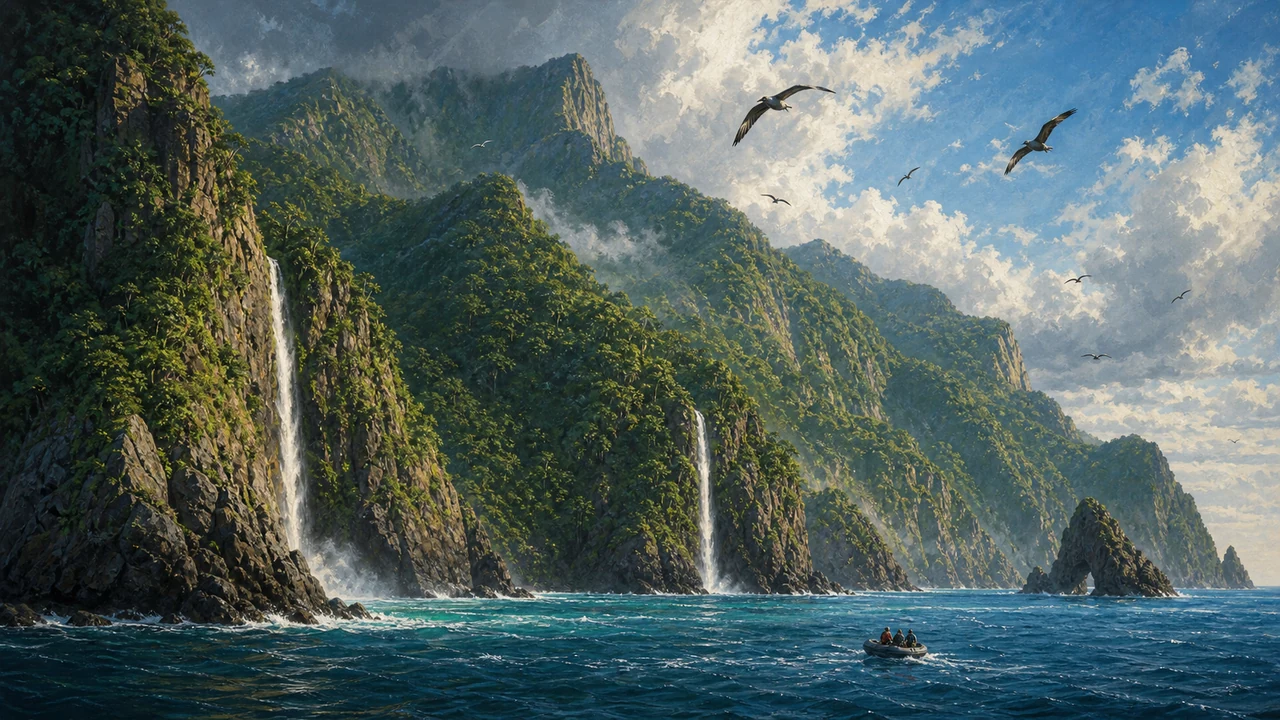
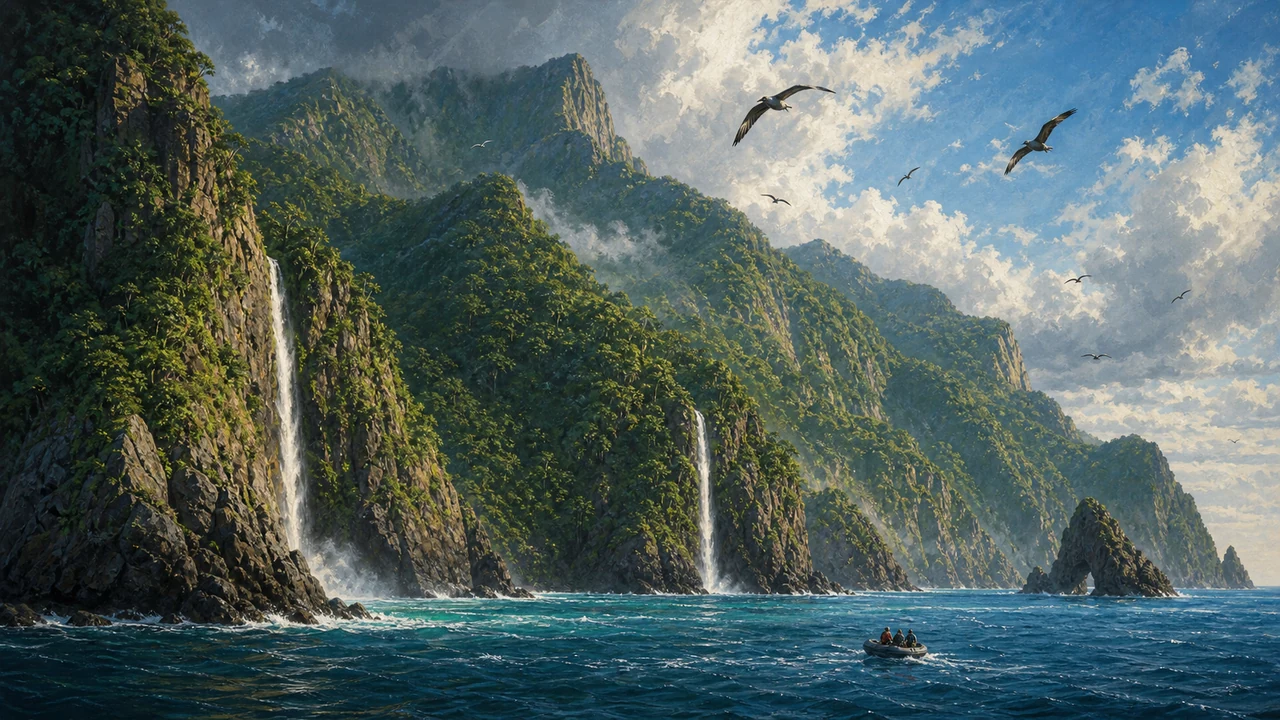
Isla del Coco National Park offers some of the most extraordinary diving on Earth — a remote volcanic island 550 km off Costa Rica’s Pacific coast where schooling scalloped hammerheads, whale sharks, giant manta rays, and dolphins converge in open-ocean numbers rarely seen elsewhere. For serious divers, a liveaboard expedition to Cocos Island is a bucket-list journey in a class of its own.
The park covers roughly 2,400 hectares of land and 18,575 hectares of protected ocean. It was established in 1978, declared a UNESCO World Heritage Site in 1997, and added to the Ramsar list of wetlands of international importance in 1998 — recognitions that reflect both the island’s biological uniqueness and the ongoing commitment to keeping it intact. Visiting is strictly regulated: only liveaboard dive vessels are permitted, and passenger numbers are capped to protect the ecosystem.
The Liveaboard Experience
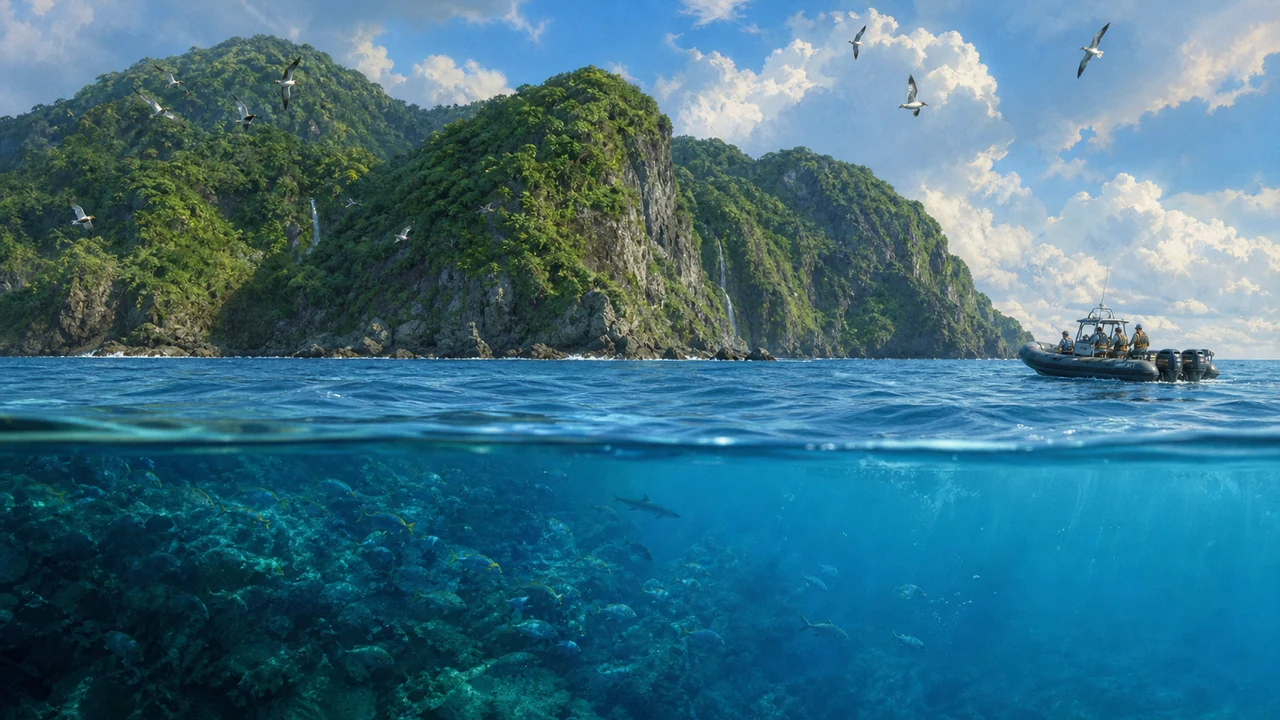
Getting to Cocos is an adventure before you ever enter the water. Liveaboards depart from the port of Puntarenas on Costa Rica’s central Pacific coast. The crossing takes between 30 and 36 hours depending on sea conditions, which means most itineraries run 10–12 days in total — typically 8–9 days of diving with 2 travel days on each end.
Aboard a typical liveaboard you’ll make four or five dives per day, rotating through Cocos’ signature sites. Between dives, meals, briefings, and the sheer spectacle of open-ocean wildlife fill the time. Dolphins, frigatebirds, and boobies often escort the vessel en route.
Because Cocos is among the world’s most logistically demanding dive destinations, the liveaboard industry serving it is well-developed. Vessels range from comfortable to genuinely luxurious, and the crews are highly experienced with the island’s conditions. Booking well in advance — often six months to a year out — is essential during peak season, as berths fill quickly.
Marine Life: What You’ll Encounter
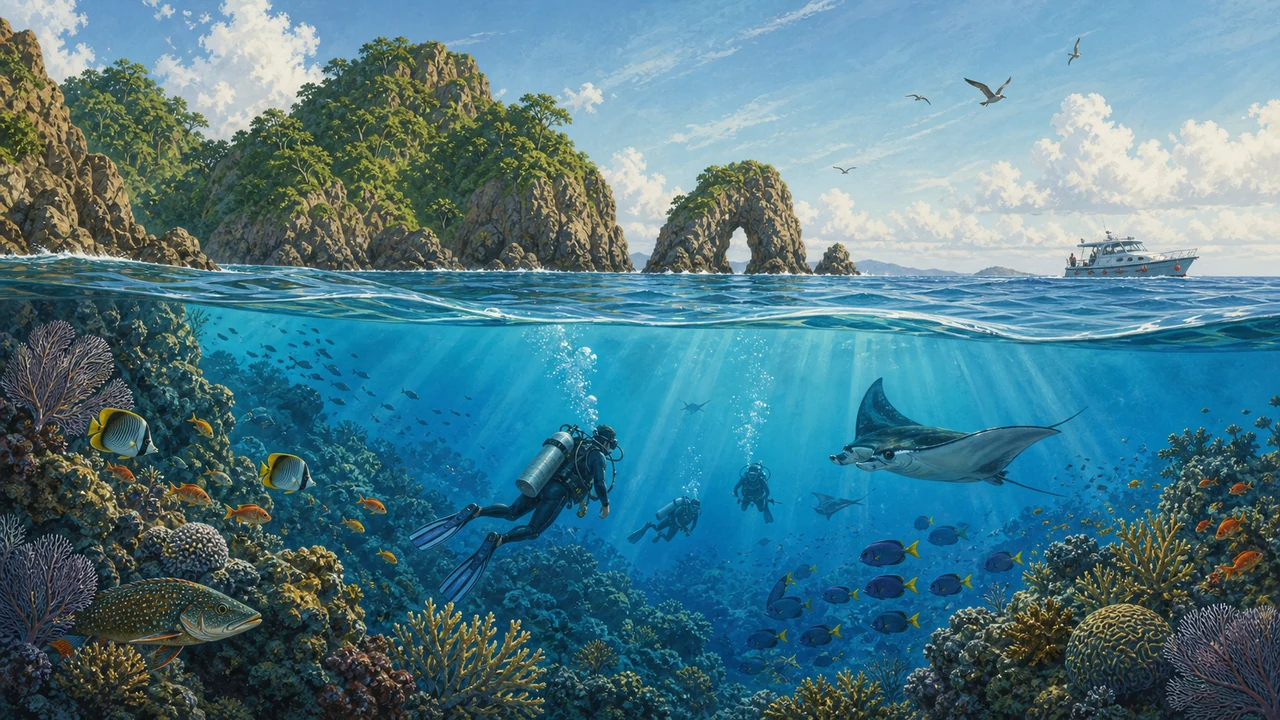
Cocos sits at the convergence of several major Pacific currents, creating an upwelling of cold, nutrient-dense water that fuels an extraordinary food chain. The result is pelagic abundance on a scale that stuns even veteran divers.
Scalloped hammerhead sharks are the signature sighting. Schools of hundreds — sometimes more than a thousand — gather around the island’s seamounts, most famously at Dirty Rock (Roca Sucia) and Alcyone. Hammerheads at Cocos often show minimal fear of divers, especially when approaching from below in the current.
Whale sharks are a year-round possibility, though sightings peak from June through November. These gentle filter-feeders, the largest fish on the planet, congregate near the surface and around cleaning stations.
Giant oceanic manta rays cruise the cleaning stations at sites like Manuelita, where wrasses pick them clean in a choreography that divers can observe from a few meters away. Spotted eagle rays and marbled rays are common across most sites.
Other notable pelagics include Galapagos sharks, silvertip sharks, whitetip reef sharks (which often rest in dense packs in caves and on ledges), tiger sharks (occasional), yellowfin tuna, wahoo, and billfish. Bottlenose and spotted dolphins are regular companions.
Closer to the reef, the fish diversity is equally impressive: more than 300 recorded species, including large schools of bigeye jacks, creole fish, and various grouper. Nudibranchs, moray eels, hawksbill turtles, and sea horses round out the experience for those willing to slow down between pelagic encounters.
Dive Sites
The island’s main bays — Wafer Bay and Chatham Bay on the northern coast — serve as anchorage for liveaboards and provide calmer entry conditions. The dive sites spread around the island’s perimeter and offshore seamounts:
- Dirty Rock (Roca Sucia) — the top hammerhead site; a submerged pinnacle with strong current and dense schools
- Alcyone — deeper site named after Jacques Cousteau’s research vessel; reliably excellent for hammerheads and mantas
- Manuelita Island — the best manta cleaning station; also strong for whitetip sharks at night
- Punta Maria — varied terrain with mix of reef and pelagic life
- Viking Rocks — dramatic rock formations with strong current; big-animal sightings
All sites require comfort with current diving. Conditions can shift quickly, and drift dives are the norm rather than the exception.
Seasons and Conditions
Cocos receives more than 7,000 mm of rain annually — one of the wettest places on Earth — so “dry season” on the island itself is relative. The island’s interior is perpetually lush and green regardless of when you visit. For divers, the relevant variables are water temperature, current strength, and the density of pelagic life.
June through November (Costa Rica’s rainy season on the mainland) is widely considered prime time at Cocos. The Humboldt and other cold-water upwellings are strongest, drawing whale sharks and concentrating hammerheads in large numbers. Visibility can be reduced by plankton, but the marine life density more than compensates. The crossing can be rougher.
December through March brings calmer Pacific swells, making the ocean passage more comfortable and surface intervals more pleasant. Water temperatures are slightly warmer, visibility is often excellent, and hammerheads remain present, though sometimes in smaller aggregations. Manta and turtle activity can be high.
April and May are transitional months — generally good diving with moderate conditions in both directions.
Water temperatures at Cocos typically range from around 24°C to 29°C (75–84°F) near the surface, dropping noticeably with depth. A 5mm wetsuit or a wetsuit with a hood is recommended, especially for deeper dives and during upwelling season.
Conservation and UNESCO Status
Cocos Island’s UNESCO World Heritage designation recognizes both its terrestrial uniqueness and its marine value. The island is a critical refuge for migratory species across the Eastern Tropical Pacific — part of a marine corridor that links Cocos with the Galapagos, Malpelo (Colombia), and Coiba (Panama), all of which hold UNESCO or Ramsar protections.
The park faces ongoing conservation challenges. Invasive species introduced by historical visitors — feral pigs, cats, deer, and non-native plants — have altered the terrestrial ecosystem, and restoration efforts by SINAC (Costa Rica’s National System of Conservation Areas) continue. At sea, illegal fishing in and around the protected zone has historically been a serious pressure; enforcement is difficult given the island’s remoteness and the size of the marine area.
International diving operators and conservation organizations have contributed significantly to monitoring and advocacy. The visibility that liveaboard tourism brings — including underwater photography that documents population trends of hammerheads and other species — has proven a valuable conservation tool.
For context on Costa Rica’s broader protected-area system, which covers more than 25% of national territory and shelters roughly 5% of the world’s total biodiversity, see the national parks overview.
Planning Your Trip
Cocos Island is not a casual add-on; it demands real planning. Key practical notes:
- Book early. Top liveaboard operators fill up to a year in advance for peak-season departures.
- Verify dive qualifications. Most operators require Advanced Open Water certification at minimum and a meaningful logged-dive count. Freediving-only guests are generally not accepted.
- Budget accordingly. Expedition costs reflect the remoteness, vessel operation, fuel, crew, and park fees. Confirm exactly what is and is not included (park fees, nitrox, equipment rental, gratuities).
- Pack light on gear. Most liveaboards rent tanks and weights, but bring your own well-fitting wetsuit, mask, fins, and dive computer.
- Check entry requirements. Costa Rica’s entry and permit requirements can change — verify current rules before booking through official SINAC or ICT sources.
For more on reaching Costa Rica and getting to the Pacific departure point, see Costa Rica travel tips. For context on what makes this country such an exceptional ecotourism and nature destination beyond the water, explore the rest of the site — but know that for divers, Cocos Island is, for many, the definitive reason to come.
The companion page on Cocos Island National Park covers the island’s terrestrial ecology, endemic species, and official park facilities in detail.
Frequently asked questions
How do you get to Isla del Coco National Park?
The only practical way is by liveaboard dive vessel from Puntarenas. The crossing takes roughly 30–36 hours each way. No commercial flights serve the island, and day trips are not feasible given the 550 km distance from the mainland.
What is the best time of year to dive Cocos Island?
The island is diveable year-round, but conditions vary. June through November brings nutrient-rich upwellings that attract the largest concentrations of schooling hammerheads and whale sharks. December through April offers calmer seas and better surface conditions for the crossing.
Can you stay overnight on Cocos Island?
Visitors stay aboard their liveaboard vessel; overnight land camping is not permitted. Park rangers maintain a permanent station on the island, but tourist accommodation ashore does not exist.
Do you need a diving permit for Cocos Island?
Yes. A national park entry fee and a diving permit are required. Your liveaboard operator handles all paperwork and fees as part of the trip package — confirm this when booking.
Is Cocos Island suitable for beginner divers?
No. Cocos is an advanced destination. Strong, unpredictable currents, deep dives, and open-ocean conditions demand solid buoyancy control and experience with drift diving. Most operators require a minimum of 50–100 logged dives.