What to Wear in Costa Rica: Packing for Every Zone
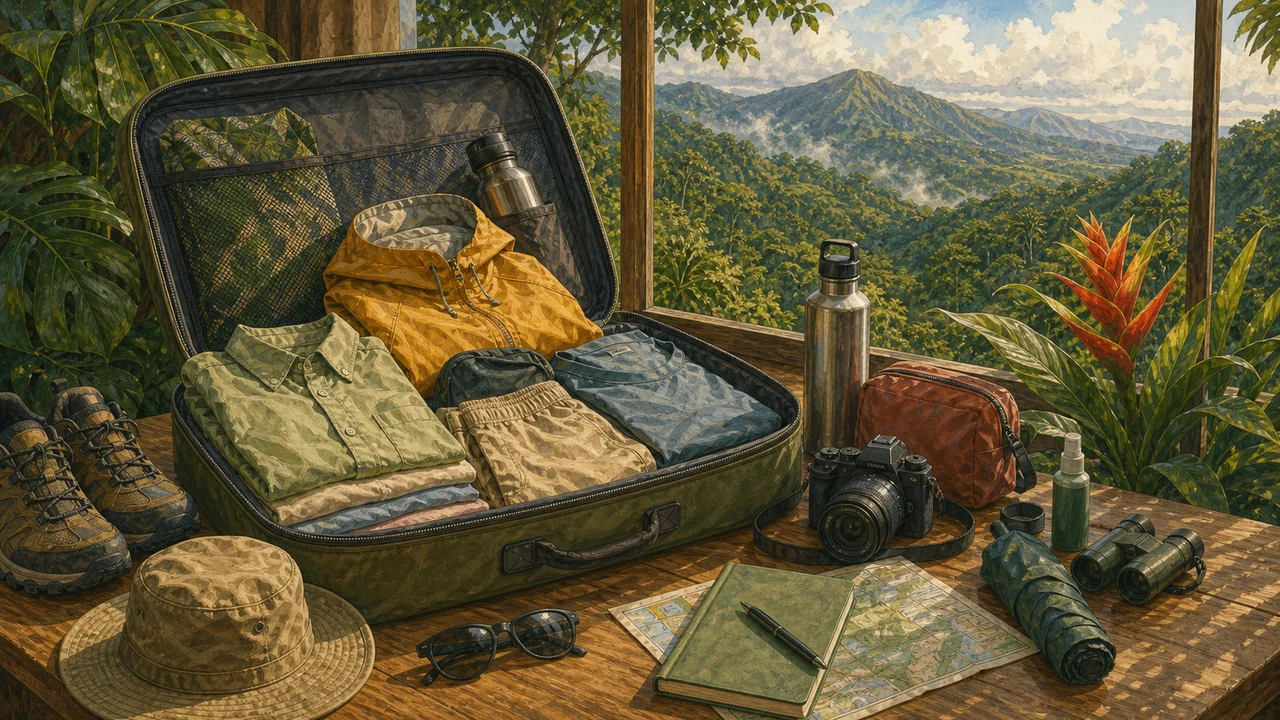 Packing the right clothes for Costa Rica means thinking in climate zones, not seasons — because the country packs tropical beaches, misty cloud forests, and a temperate highland capital into an area smaller than West Virginia. Get your wardrobe right and you will be comfortable from day one; get it wrong and you will spend your first afternoon hunting for rain gear in an airport gift shop.
The good news: what to wear in Costa Rica is almost entirely about practicality and comfort. Dress codes are rare. Ticos dress modestly but casually, and travelers who do the same will fit right in.
The Four Climate Zones — and What Each Demands
Costa Rica’s geography creates radically different microclimates within a few hours’ drive of each other. Understanding these zones is the key to smart packing.
Beach Zones (Pacific and Caribbean Coasts)
 The beaches — Tamarindo, Manuel Antonio, Jacó, Dominical, Puerto Viejo — are hot and humid year-round, with temperatures routinely above 30 °C. Light is the watchword here.
- Breathable fabrics: linen, cotton, or quick-dry synthetics
- Swimwear and cover-ups (sarongs, board shorts, rash guards)
- Flip-flops for the sand; water sandals or closed-toe shoes for town
- A wide-brimmed hat and UV-rated sunglasses — the equatorial sun is intense
Lightweight sun protection clothing for beach towns — long-sleeved rash guards and UPF shirts — is worth every inch of luggage space. They replace sunscreen on long days in the water or on tour boats.
Caribbean beaches like Puerto Viejo have their own vibe: slightly more colorful, Rastafari-influenced casual. Anything goes as long as it is comfortable.
Cloud Forest (Monteverde and San Gerardo de Dota)
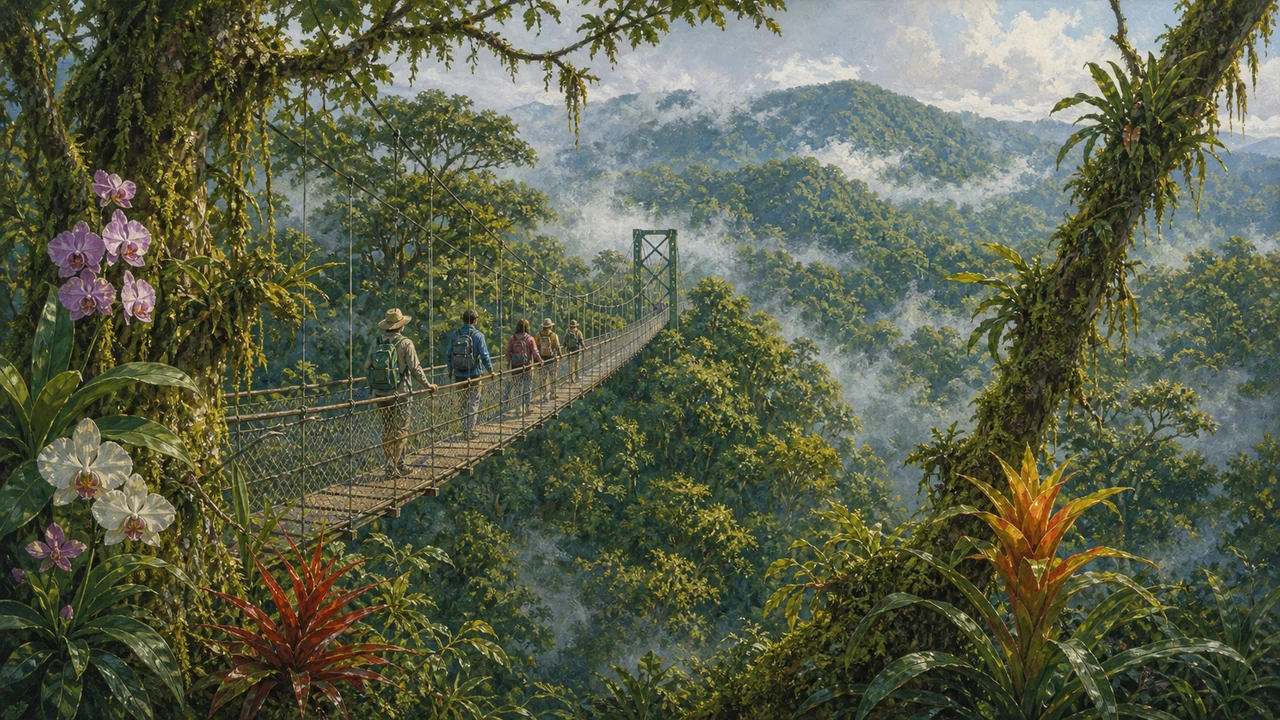 Monteverde and the Talamanca highlands are genuinely cool — mist-shrouded, often windy, and prone to drizzle at any hour. Temperatures can sit in the low teens Celsius for days at a time.
Cloud forest packing for Monteverde requires layering:
- A packable fleece or light down jacket (essential, not optional)
- Waterproof outer layer — a hardshell or a quality poncho
- Warm base layer for evenings and early-morning wildlife walks
- Waterproof hiking boots with ankle support — trails here are muddy and rooted
The ecotourism & nature experiences in this zone — canopy walks, quetzal spotting, night tours — are worth every extra layer you pack.
Central Valley (San José and Surrounding Highlands)
San José and the Central Valley cities sit at roughly 1,100 meters elevation, giving them what locals call “eternal spring”: warm by day (mid-20s °C) and comfortably cool at night (low to mid-teens). It is the most temperate part of the country, and the most varied in terms of what you will encounter.
For city time and day trips:
- Light pants or jeans plus t-shirts handle daytime fine
- A light sweater or hoodie for evenings and air-conditioned restaurants or malls
- Comfortable walking shoes — San José’s sidewalks reward closed-toe shoes
If you are passing through the Central Valley on the way to a national park or adventure tour, this is also a good zone to re-evaluate your bag. Most gear you need for rainforest or volcano trails can be rented or purchased in San José at reasonable prices.
Rainforest and Jungle Zones (Osa Peninsula, Caribbean Lowlands, Tortuguero)
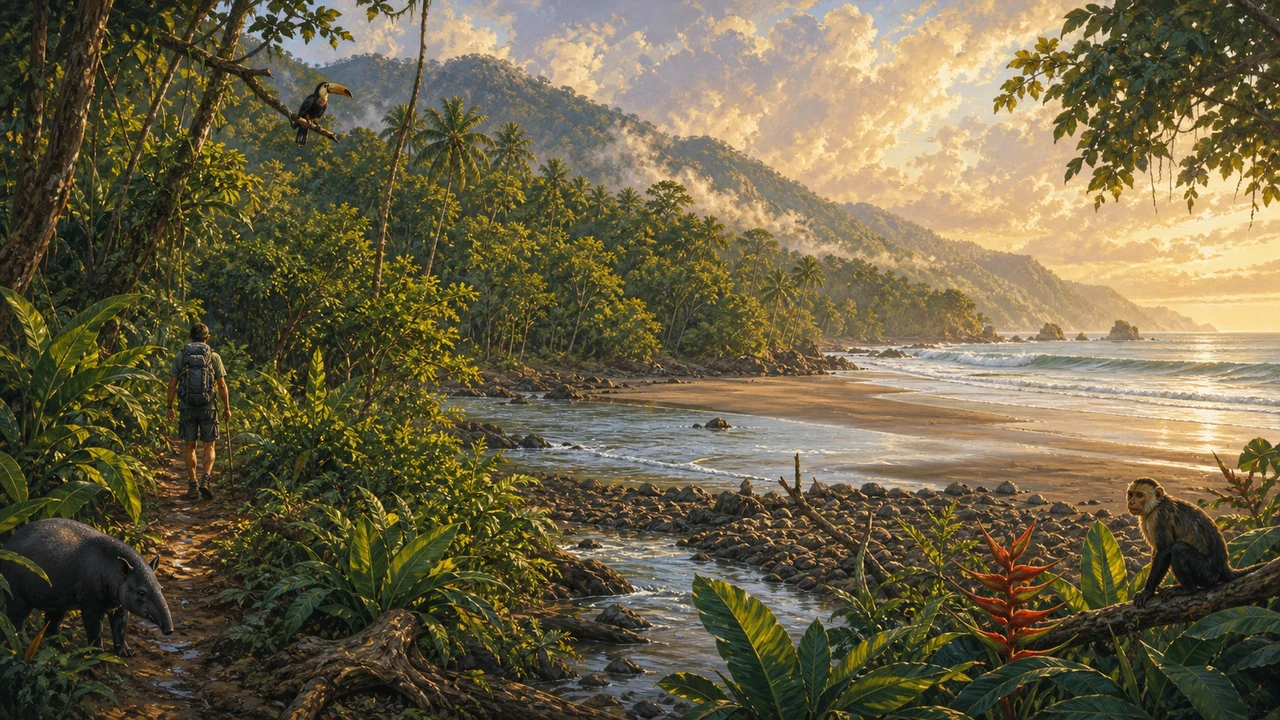 The Osa Peninsula, Tortuguero, and the Caribbean lowlands are hot, humid, and wet — even in the dry season. Here, packing for rainforest hiking in Costa Rica is as much about protection as comfort.
- Fast-drying, lightweight long pants and long-sleeved shirts (mosquito and sun protection)
- Waterproof hiking boots or rubber rain boots for particularly muddy parks
- Dry bags or zip-lock bags to protect camera gear and documents
- Insect repellent with DEET or picaridin — apply to clothing as well as skin
- A compact poncho you can stuff in a daypack
Avoid heavy cotton in the jungle: once it is wet, it stays wet and can chafe badly. Synthetic fabrics dry in an hour.
Dry Season vs. Green Season: Does It Change What You Pack?
The dry season (roughly December through April) brings less rain to the Pacific side, clearer skies, and slightly cooler overnight temperatures in the highlands. You can get away with lighter rain coverage for Pacific beach trips, but the cloud forests and Caribbean coast remain wet year-round.
The green season (May through November) brings daily afternoon rain across most of the country. For this period:
- Pack a packable rain jacket or poncho — not just an umbrella
- Quick-dry clothing matters even more
- Waterproof sandals become far more useful than leather shoes
- Dry bags are a genuine necessity for electronics and documents
Both seasons offer excellent travel — the green season brings lush landscapes, fewer tourists, and lower prices. Read the full Costa Rica travel tips guide for how to make the most of each.
Dressing for Activities
Costa Rica’s activities & sports scene spans zip-lining, whitewater rafting, surfing, horseback riding, and volcano hikes. Each has its own dress logic.
- Zip-lining and canopy tours: closed-toe shoes (operators require them), comfortable athletic wear, hair tied back, no loose jewelry
- Whitewater rafting: clothes you do not mind soaking; river sandals or old sneakers (operators provide helmets and life vests)
- Surfing: rash guard or wetsuit top for long sessions; board shorts; reef sandals
- Volcano and mountain hikes: layered system (base + mid + waterproof shell), waterproof hiking boots, trekking poles optional but helpful on steep volcanic trails
- Birdwatching and wildlife tours: muted earth-tone clothing for wildlife watching — avoid bright colors and white, which can startle animals; long sleeves to reduce mosquito exposure at dawn
See our what to bring to Costa Rica checklist for a complete gear list covering electronics, health supplies, and document copies.
Cultural Norms Around Dress
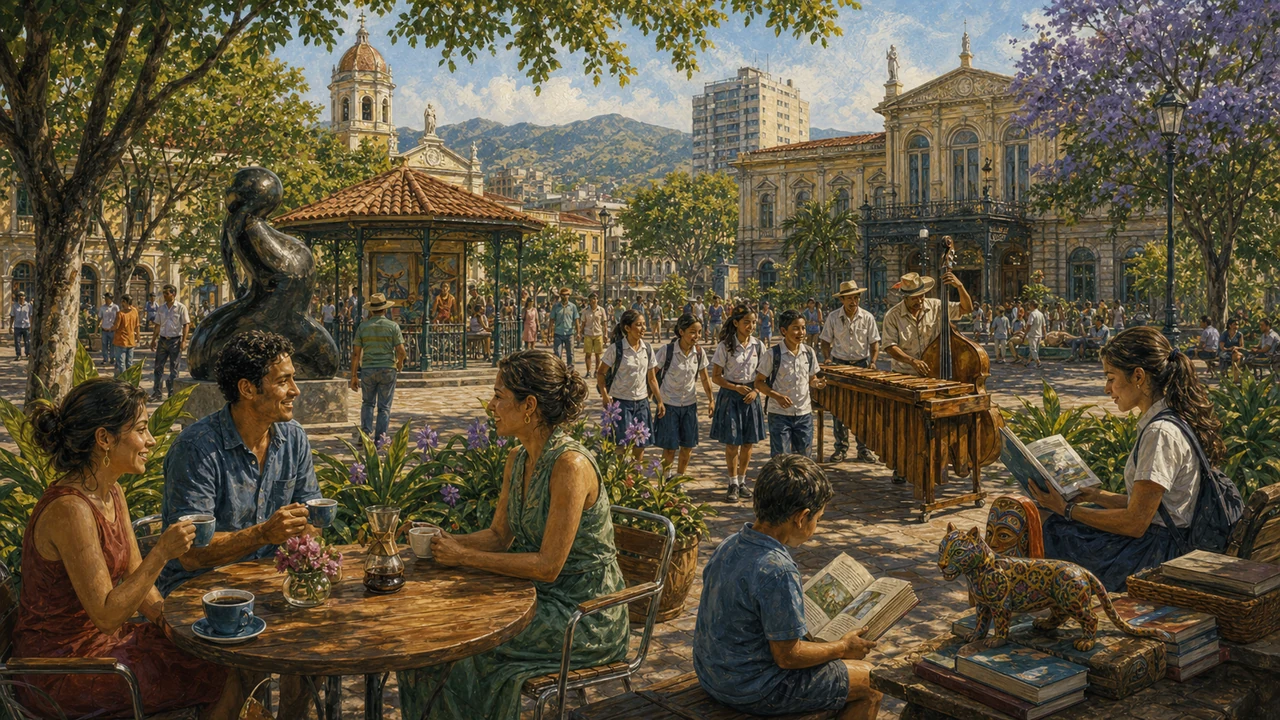 Costa Rica is a conservative Catholic country at its cultural core, even if beach culture and tourism have made casual dress the norm in resort areas. A few guidelines:
- Churches and religious sites: cover shoulders and knees — a light scarf or sarong works perfectly
- Business or government offices: smart-casual is appropriate (no beachwear, no flip-flops)
- Restaurants in San José: most are perfectly relaxed, but higher-end restaurants appreciate smart-casual attire in the evenings
- Bikinis and board shorts: appropriate on the beach, but change before heading into town — beach cover-ups as a cultural courtesy in Costa Rica are appreciated by locals in coastal communities
Ticos themselves tend to dress more formally than you might expect for a tropical country. Clean, neat, and modest is a safe default wherever you are uncertain.
The Practical Packing Summary
If you are packing for a multi-zone trip — beach, cloud forest, and the Central Valley in one visit — here is the Costa Rica versatile capsule wardrobe that covers it all:
- 3–4 lightweight t-shirts or tank tops
- 1–2 moisture-wicking long-sleeved shirts
- 1 pair of convertible zip-off hiking pants
- 1–2 pairs of shorts or a light skirt
- 1 packable fleece or light midlayer
- 1 waterproof rain jacket or quality poncho
- Swimwear (2 pieces — one dries while you wear the other)
- Flip-flops, trail runners, and waterproof hiking boots
- Wide-brim hat and UV sunglasses
- 1 lightweight scarf (sun, bug, church, and cool evenings — it does everything)
Pack light wherever possible. Overpacking for a Costa Rica trip is the most common mistake — laundry services are widely available, even in small towns, and keeping your bag carry-on-friendly makes domestic transfers and muddy-trail arrivals far easier. For a broader checklist, see traveling to Costa Rica for everything from entry requirements to airport logistics.
Frequently asked questions
Is there a dress code in Costa Rica?
Costa Rica is generally casual and relaxed. Beach towns and rural areas have almost no dress codes. A few upscale restaurants in San José or resort areas may request smart-casual attire in the evenings, but jeans and a clean shirt cover most situations.
What should I wear hiking in Costa Rica?
Moisture-wicking long pants or convertible zip-off trousers, a light long-sleeved shirt for sun and bug protection, trail runners or waterproof hiking boots, and a wide-brim hat. Rain gear is essential year-round, especially in cloud forests and rainforest zones.
Do I need to cover up at Costa Rican churches or cultural sites?
Yes. Shorts and sleeveless tops are fine on the street, but cover shoulders and knees if you plan to enter a church or attend a religious event. A light scarf or sarong tucked in your bag solves this quickly.
Is it cold in Costa Rica? Do I need a jacket?
It depends on where you go. Beach towns are consistently warm and humid. The Central Valley sits at about 1,100 m elevation and can be cool in the evenings, especially during the rainy season. Cloud forests like Monteverde can drop to near 10 °C at night — a light fleece or packable down jacket is worth packing.
What shoes are best for Costa Rica?
Pack at least three types: flip-flops or sandals for the beach and casual use, trail runners or sturdy sneakers for everyday exploring, and waterproof hiking boots if you plan to tackle muddy park trails or Chirripó. Closed-toe shoes protect against insects and uneven terrain.