Costa Rica NGOs: Volunteer, Conservation and Community Projects
Costa Rica is home to one of the most active civil-society sectors in Central America, with a wide network of non-governmental organizations (NGOs) and nonprofits working across conservation, wildlife rescue, community development, and education. Many of them welcome travelers who want to do more than sightsee.
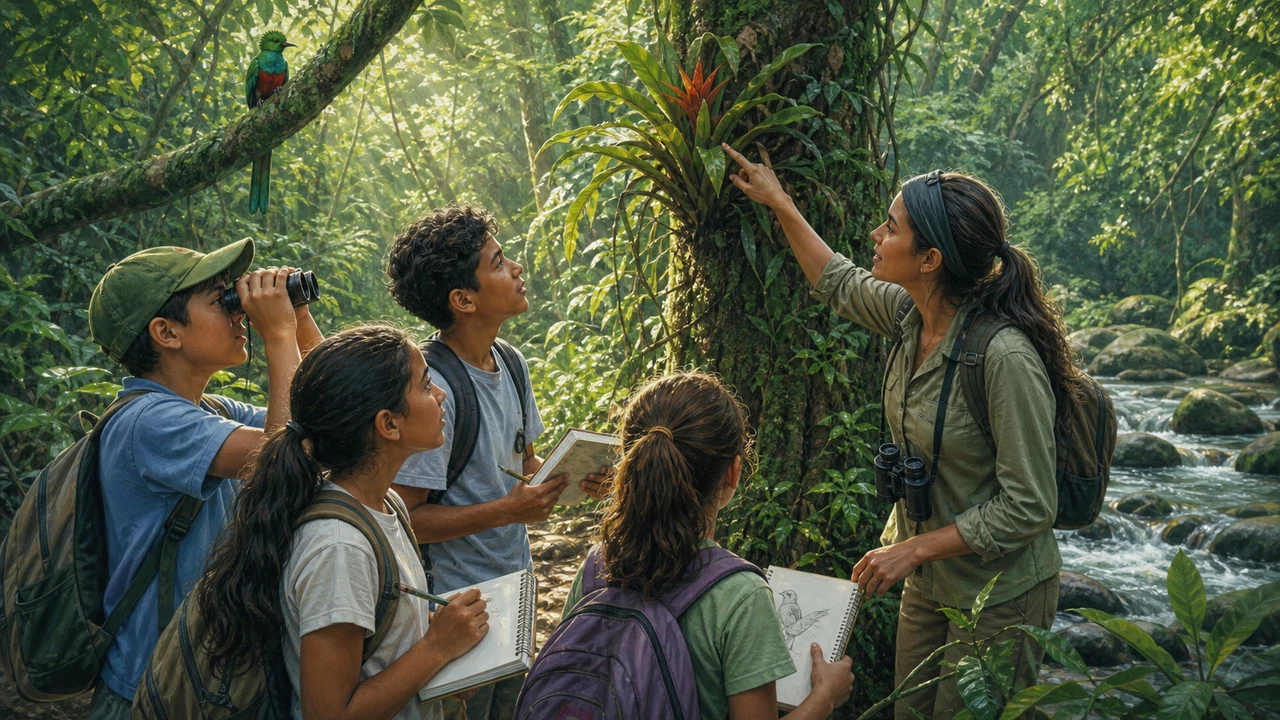 Travelers who combine a vacation with meaningful volunteer work in Costa Rica consistently describe it as one of the most rewarding experiences of their lives. Whether you spend a week monitoring sea turtle nests on a Caribbean beach, helping rehabilitate injured sloths at a wildlife rescue center, or assisting a rural school with construction, the country’s NGO sector offers entry points for almost any interest, skill set, or time budget.
Why Costa Rica Has Such a Strong NGO Sector
Costa Rica’s progressive civic culture — rooted in its commitment to peace (the country abolished its army in 1948) and environmental protection — created fertile ground for civil society to flourish. The government’s decision to designate more than a quarter of the national territory as protected areas gave NGOs a clear mission: help manage, monitor, and expand those protections in partnership with state agencies.
International donors, foreign universities, and global conservation bodies recognized early that Costa Rica was an ideal laboratory for community-led conservation in Central America. That recognition brought funding and institutional capacity that still distinguishes Costa Rican nonprofits from many regional peers.
Conservation and Reforestation NGOs
 Some of the country’s most prominent organizations focus on protecting and restoring native forest. Costa Rica pulled off one of the world’s most celebrated reforestation success stories — reversing dramatic deforestation over recent decades — in large part because NGOs lobbied for, and helped implement, incentive programs that paid landowners to maintain forest cover.
Volunteers with reforestation NGOs typically plant native trees in buffer zones around national parks, monitor wildlife corridors, and conduct biodiversity surveys. This work directly supports Costa Rica’s ecotourism economy by keeping the landscapes that draw visitors intact and expanding.
Key areas where you’ll find active reforestation programs include the Osa Peninsula near Corcovado National Park, the Caribbean lowlands around Tortuguero, and the cloud forest buffer zones of Monteverde.
Wildlife Rescue and Rehabilitation
Costa Rica’s extraordinary biodiversity — roughly five percent of the world’s species in a country the size of West Virginia — means that roads, power lines, and land-use pressures constantly bring animals into contact with danger. A network of wildlife rescue centers operates throughout the country, caring for injured sloths, monkeys, toucans, raptors, and sea turtles before releasing healthy animals back into the wild.
Wildlife rescue and rehabilitation volunteering in Costa Rica is among the most sought-after experiences for nature-minded travelers. Typical tasks include preparing food and enrichment for animals, cleaning enclosures, assisting veterinary staff, and monitoring released individuals. Most centers are registered with SINAC (the National System of Conservation Areas) and follow strict protocols to minimize habituation.
Sea turtle programs deserve special mention. Organizations working on the Caribbean coast (around Tortuguero) and the Pacific coast (particularly at Las Baulas Marine National Park, critical nesting habitat for leatherback turtles) recruit international volunteers for sea turtle nest monitoring during nesting season, typically from mid-year through early dry season. Nights spent on a dark beach watching a massive leatherback lay her eggs rank among the most powerful natural experiences Costa Rica offers.
Marine and Coastal Conservation
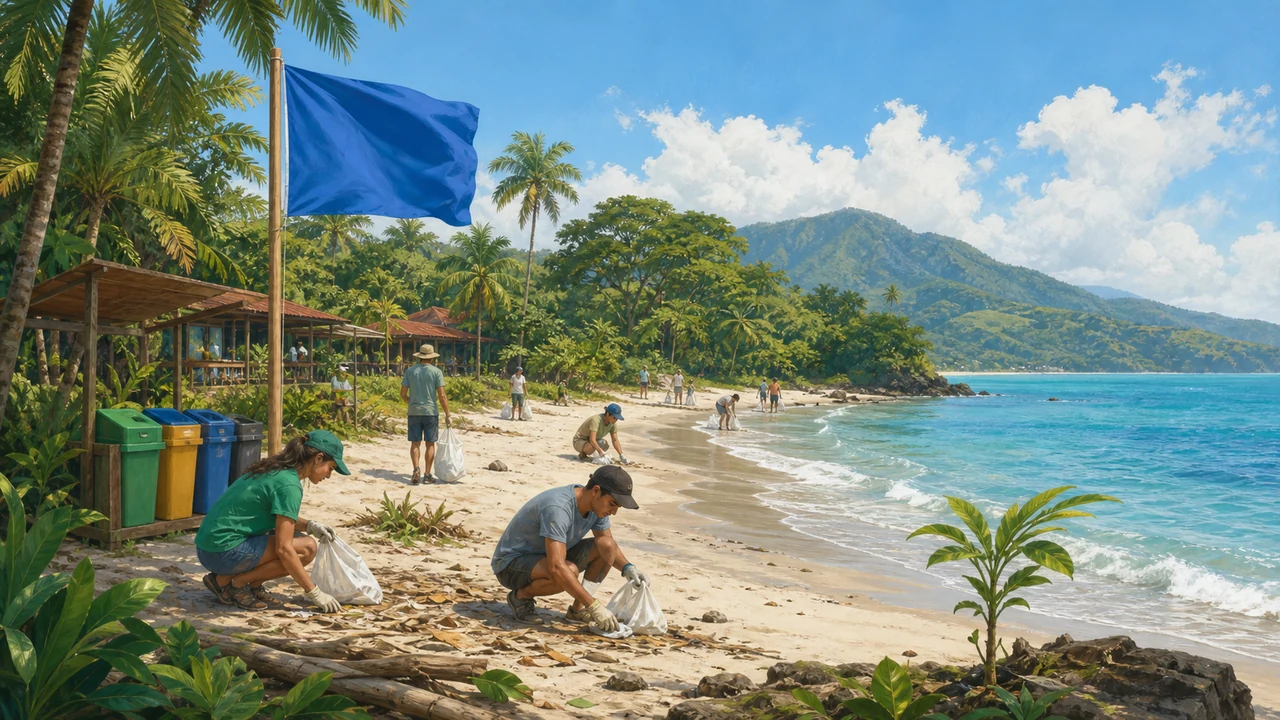 Beyond sea turtles, a growing number of NGOs focus on coral reef monitoring, plastic-pollution reduction, and sustainable fisheries. Costa Rica’s famed Ecological Blue Flag program — which certifies beaches meeting strict environmental and water-quality standards — is administered with significant NGO support.
Travelers can contribute to marine conservation by joining organized beach cleanups, participating in citizen-science reef surveys (no dive experience required for snorkel surveys), or simply patronizing businesses that have earned Blue Flag certification. Responsible marine tourism in Costa Rica starts with the choices you make before and during your trip.
Community Development and Rural Programs
Not all of Costa Rica’s NGOs focus on wildlife. A substantial sector works on rural poverty reduction, indigenous community empowerment, women’s economic inclusion, and youth education. Many of these organizations are based in communities that sit adjacent to popular tourist circuits, making it easy to combine a volunteer stint with traditional sightseeing.
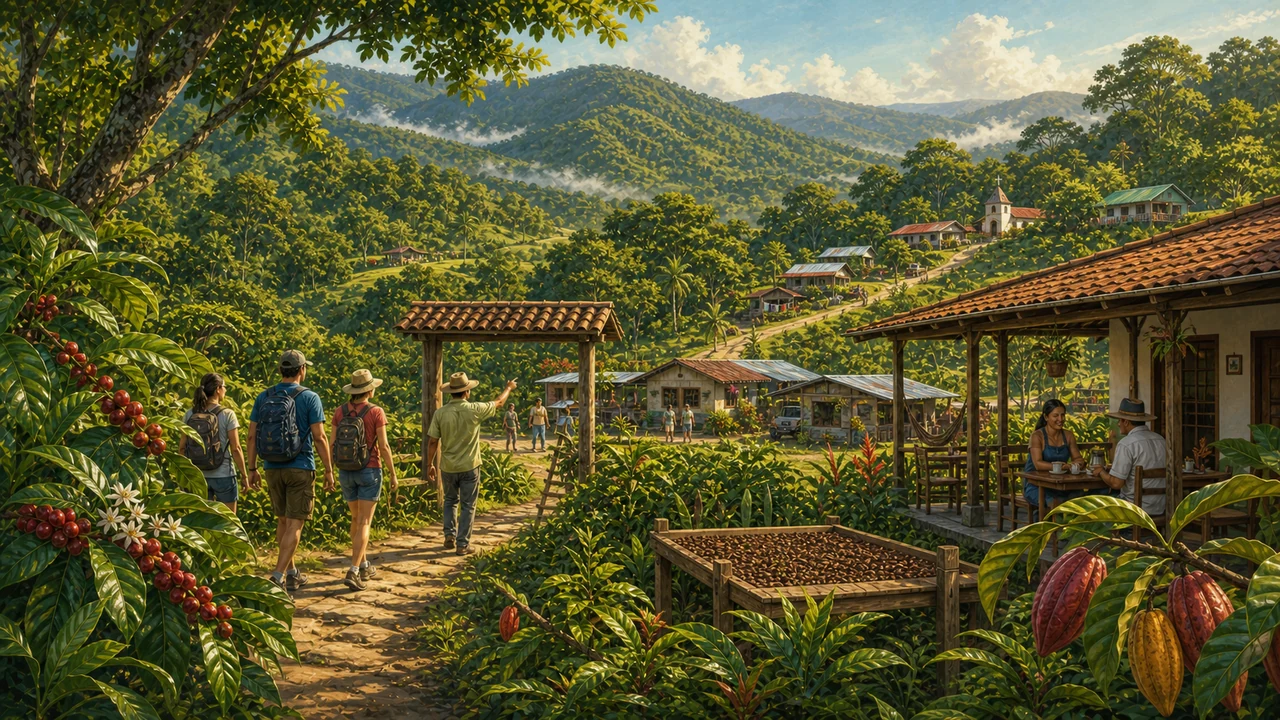
Community-based rural tourism in Costa Rica has grown substantially because NGOs helped rural families develop visitor programs — homestays, farm tours, traditional craft workshops — that provide income without requiring large-scale resort development. When you choose community-based ecotourism experiences over mass-market alternatives, you’re directly channeling tourism revenue into the communities NGOs work hardest to support.
Volunteers with construction skills, teaching experience, or public-health backgrounds often find placements with community-development NGOs in the Caribbean coast, southern Puntarenas, and indigenous territories in the Talamanca highlands.
How to Find a Reputable Organization
 The growth in international volunteering in Costa Rica has, unfortunately, attracted some poorly run or outright exploitative “voluntourism” programs. Before committing, vet any organization carefully:
- Confirm the organization is legally registered in Costa Rica (ask for the cedula jurídica number).
- Read independent reviews on forums and travel communities, not just testimonials on the organization’s own site.
- Ask how many local staff are employed relative to volunteers, and whether the role you’d fill could be performed by a local worker.
- Check whether wildlife-facing programs follow SINAC-approved protocols — unregistered rescue centers may inadvertently harm animals.
- Be wary of programs that allow extensive direct contact with primates or big cats, which is generally discouraged by reputable wildlife organizations.
Costa Rica’s Institute of Tourism (ICT) and the sustainable tourism certification body CST can point you toward operators with verified environmental and social credentials.
Giving Back Without Volunteering
If a multi-week program doesn’t fit your itinerary, there are still meaningful ways to support Costa Rican NGOs as a day-tripper or short-stay visitor:
- Book tours through operators that donate a percentage of revenue to conservation partners.
- Visit NGO-run visitor centers and pay admission — those fees fund field work.
- Purchase locally made crafts from cooperatives affiliated with women’s development programs.
- Donate directly to vetted organizations; many have secure online giving portals.
Even small decisions — refusing single-use plastics, staying on marked trails in national parks, and not feeding wildlife — reduce the burden on the NGOs working to protect these places.
Travelers who want to understand Costa Rica’s broader commitment to sustainability will find context in the ecotourism and nature section of this site, the Costa Rica government overview, and practical trip-planning advice in our Costa Rica travel tips guide.
Frequently asked questions
Can tourists volunteer with wildlife rescue centers in Costa Rica?
Yes. Many wildlife rescue and rehabilitation centers welcome short-term volunteers, including international visitors. Stays typically range from one to several weeks and may require a modest program fee that helps cover housing and food. Research centers in advance and book early, as spots fill quickly.
What kinds of NGOs operate in Costa Rica?
Costa Rica has a rich civil-society ecosystem covering conservation and reforestation, sea turtle and marine wildlife protection, children and youth education, rural community development, and sustainable agriculture. Many actively partner with tourism operators and welcome visitor support.
Is it safe to volunteer in Costa Rica?
Costa Rica is one of the safest destinations in Latin America, and reputable NGOs vet their programs carefully. Follow standard safety practices — check the organization's credentials, read reviews, and keep your valuables secure. Our safety tips page has additional guidance.
Do I need to speak Spanish to volunteer?
Not always. Many wildlife and conservation programs are run bilingually or in English. However, basic Spanish is a great asset for community-development roles and for connecting with local families and staff.
How can I support Costa Rican NGOs without volunteering in person?
Many organizations accept donations online, sell eco-friendly goods, or partner with tour operators whose packages include a charitable component. Visiting responsibly — choosing certified sustainable businesses, reducing plastic, and buying local — also directly benefits community and environmental causes.