Costa Rica - Government
Costa Rica Government and Organization
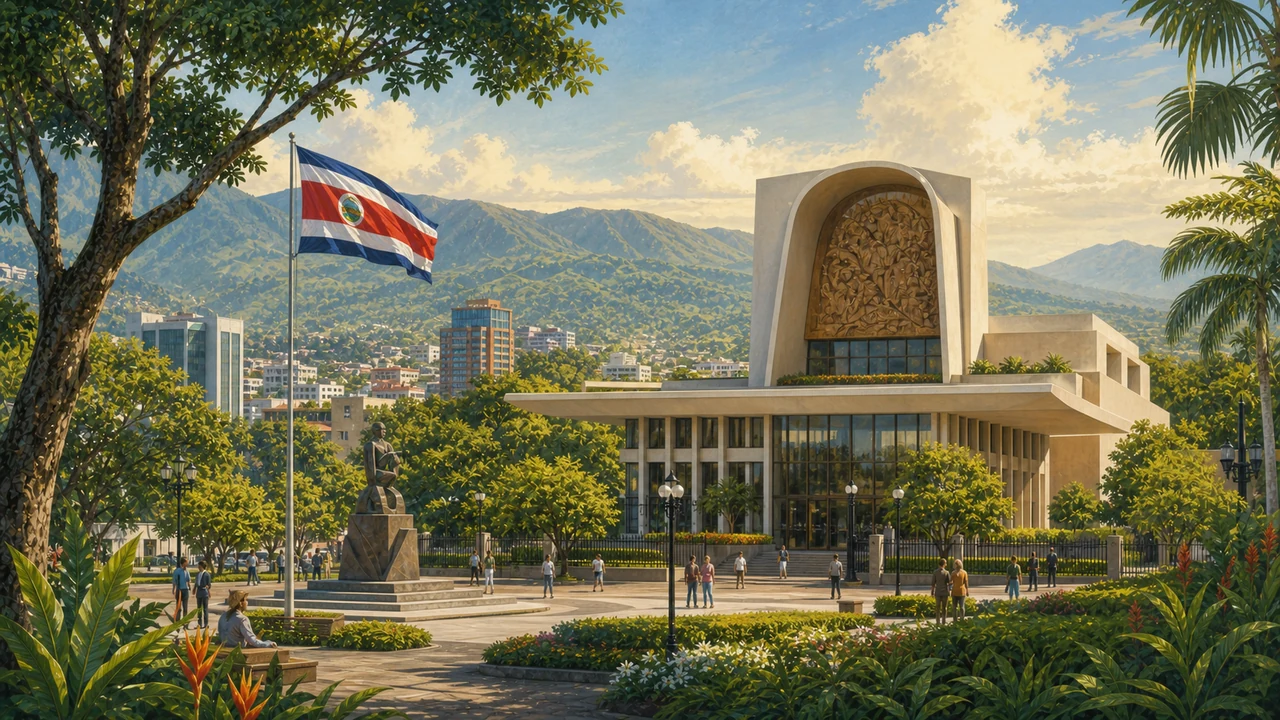
Costa Rica is a constitutional, representative democracy with a presidential system and a long tradition of civilian government. Executive power is centered in the president and cabinet, while legislative power belongs to the unicameral Legislative Assembly. Judicial power is exercised independently through the court system, and the country has no standing army.
That institutional structure matters to travelers because it shapes the country’s stability, infrastructure and public services. Costa Rica’s tourism industry grew inside a political culture that has historically favored elections, public administration, environmental protection and independent oversight. For visitors, that usually translates into a clear legal framework, predictable services and a tourism economy that is deeply connected to nature and local communities.
The country is divided into provinces and municipalities for administrative purposes. Municipal governments handle local concerns such as roads, permits and community-level administration, while national institutions manage broader responsibilities like taxation, immigration, public works, protected areas and social services. Costa Rica also relies on autonomous institutions that operate with a degree of independence, especially in sectors tied to electricity, telecommunications, banking and social security.
The electoral process is supervised by the Supreme Electoral Tribunal, one of the most respected democratic institutions in the country. That system is part of what gives Costa Rica its reputation for political continuity and orderly transitions of power. The result is a country that feels formal and organized enough for business, but still welcoming and accessible for tourism.
For travelers researching the country beyond politics, the most useful companion pages are the Costa Rica travel guide and the Costa Rica map. If you are interested in related civic topics, continue into the sections below.
- Costa Rica Political System ( 2 items )
- Costa Rica Political Parties and Elections ( 5 items )
- Costa Rica Non-Governmental Organizations ( 1 items )